Red Diamond Coffee & Tea Unveils Mango Pineapple Expansion: A Strategic Evolution in the Ready-to-Brew Market

Main Facts: The Intersection of Tradition and Tropical Innovation
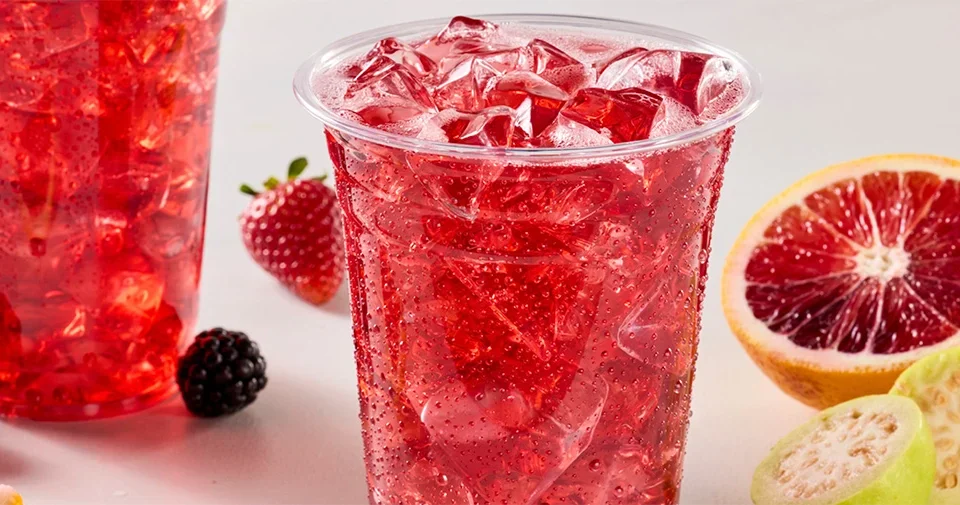
Red Diamond Coffee & Tea, a heritage-rich institution in the beverage industry, has officially announced the latest addition to its "Simple Sweet Tea" product line: the Mango Pineapple Tea. This new offering represents a calculated pivot toward the growing consumer preference for tropical-infused, ready-to-brew tea solutions. By merging the company’s signature premium black tea base with the vibrant notes of mango and pineapple, Red Diamond is positioning itself to capture a significant share of the evolving convenience and foodservice market.
The product is engineered for operational efficiency. Each pre-portioned filter bag contains a precisely calibrated mixture of premium tea leaves, pure cane sugar, and concentrated fruit flavorings. By eliminating the manual labor traditionally associated with sweet tea preparation—such as weighing sugar, calculating ratios, and managing the solubility of granulated sweeteners—the company aims to solve the "urn-agitation" problem that has long plagued high-volume foodservice environments.
Chronology: The Evolution of the Simple Sweet Tea Line
To understand the significance of this launch, one must look at the trajectory of Red Diamond’s product development over the last decade.
- 2010–2015: The Foundation of Efficiency. During this period, Red Diamond identified a critical pain point in the restaurant sector: inconsistency. Variability in water quality, ice ratios, and staff training often resulted in sweet tea that tasted different from day to day.
- 2016: The Introduction of the "Simple" Concept. The company launched the original Simple Sweet Tea, which pioneered the "all-in-one" filter bag. This was a paradigm shift for convenience stores that required high-speed, low-maintenance beverage service.
- 2018–2021: Diversification. Building on the success of the classic recipe, the company began exploring flavor profiles. The portfolio expanded to include flavored variants, recognizing that the "Gen Z" and "Millennial" consumer demographics were moving away from traditional black tea toward more complex, fruit-forward profiles.
- 2024: The Tropical Pivot. The launch of the Mango Pineapple Tea marks the sixth iteration in this lineup. This release acknowledges the "tropicalization" of the beverage market, where flavors like mango and pineapple have transitioned from seasonal novelties to year-round staples in the tea and lemonade categories.
Supporting Data: Why Tropical Flavors are the New Industry Standard
The decision to introduce Mango Pineapple was not merely a creative choice; it was driven by robust market data. According to industry analysis from the beverage sector, consumer demand for functional and flavor-enhanced iced tea has grown by nearly 14% annually since 2020.
The Rise of Fruit-Infused Beverages
Data indicates that consumers are increasingly seeking "experience-based" beverages. In the competitive convenience store landscape, the standard "sweet tea" is now considered a baseline requirement rather than a differentiator. Market research highlights that:
- Flavor Preference: Mango and pineapple consistently rank in the top five most requested fruit flavor profiles for cold beverages.
- Sugar Consumption Trends: While consumers are conscious of sugar, they continue to prioritize the "authentic sweetness" of pure cane sugar over artificial alternatives. By pre-mixing pure cane sugar into the filter bag, Red Diamond appeals to the "clean label" movement while maintaining the indulgent experience consumers expect from sweet tea.
- Operational Throughput: Time-motion studies in quick-service restaurants (QSRs) indicate that staff spend an average of 4.5 minutes per batch of traditional sweet tea. The Simple Sweet Tea system reduces this to under 60 seconds, a critical metric for businesses operating with lean staffing models.
Official Responses and Strategic Vision
While specific executive comments on the Mango Pineapple launch emphasize the company’s commitment to "simplicity and quality," the broader strategic vision is clear: Red Diamond is focusing on removing the "friction" of brewing.
In official statements, company representatives have highlighted that the primary goal is to ensure that a server in a rural convenience store produces the exact same quality of tea as a barista in a high-end urban café. The "filter-bag-first" approach is designed to eliminate human error. By removing the need for measuring cups or separate sugar canisters, the risk of inconsistent sweetness levels is effectively mitigated.
Furthermore, the company emphasizes the sourcing of its tea leaves. Despite the addition of tropical flavorings, the company maintains that the "backbone" of the tea remains their signature, premium-sourced black tea. This ensures that the product is not classified as a "fruit drink," but rather a high-quality tea that happens to be enhanced with fruit notes—a distinction that keeps the product relevant for traditional tea drinkers while attracting a younger, more experimental consumer base.
Implications for the Beverage Industry
The introduction of the Mango Pineapple Simple Sweet Tea has several far-reaching implications for both the B2B and retail sectors.
1. The Death of the "Mixing" Era
For decades, the standard for commercial sweet tea was a manual, messy, and inconsistent process. The success of the Red Diamond model suggests that the industry is permanently moving toward "all-in-one" brewing solutions. This shift forces competitors to innovate or risk becoming obsolete in the eyes of QSR operators who prioritize labor efficiency.
2. The Tropicalization of Regional Favorites
Sweet tea has historically been a regional powerhouse, tethered to the American South. However, the introduction of tropical flavors suggests a move toward national, and potentially global, homogenization. By flavoring the tea with mango and pineapple, Red Diamond is effectively decoupling "sweet tea" from its purely Southern roots and repositioning it as a global "tropical iced tea" category.
3. Impact on Supply Chain and Sustainability
By shipping a shelf-stable, dry product that includes sugar, Red Diamond reduces the need for heavy, pre-bottled liquid tea concentrates. This has a significant impact on shipping costs and carbon footprints. Furthermore, the standardization of the brewing process leads to less food waste—a metric that is increasingly important to corporate sustainability boards.
Conclusion: Looking Ahead
As Red Diamond Coffee & Tea continues to expand its "Simple" collection, the industry will be watching to see if they can maintain the delicate balance between rapid innovation and the brand heritage that earned them their market position. The Mango Pineapple launch is more than just a new flavor; it is a declaration that the future of the tea industry lies in the seamless integration of premium ingredients and operational simplicity.
For the modern foodservice operator, the question is no longer whether they should offer sweet tea, but how they can offer it without sacrificing labor hours or product consistency. With the expansion of this line to six unique flavors, Red Diamond has provided a comprehensive answer to that question, ensuring that the tea urn remains the focal point of the beverage station—and that it remains as profitable as ever.
As we look toward the remainder of the year, the success of this product will likely serve as a litmus test for the viability of further fruit-forward innovations in the tea space. If consumer adoption remains as strong as initial market projections suggest, we can expect to see an even broader range of "Simple" infusions hitting the market in the coming quarters.