Seasonal Shifts and Consumer Trends: Analyzing the Autumn Shift in Home and Lifestyle Retail

Main Facts
As the calendar turns toward the cooler months of autumn, consumer behavior undergoes a predictable yet significant transformation. Retail data from major marketplace platforms, including Walmart, indicates a marked shift in household spending patterns, transitioning away from outdoor summer leisure toward indoor comfort, home organization, weatherization, and seasonal wellness.

Retail analytics show that consumer demand spikes heavily in specific product categories during the transition from Q3 to Q4. These include:
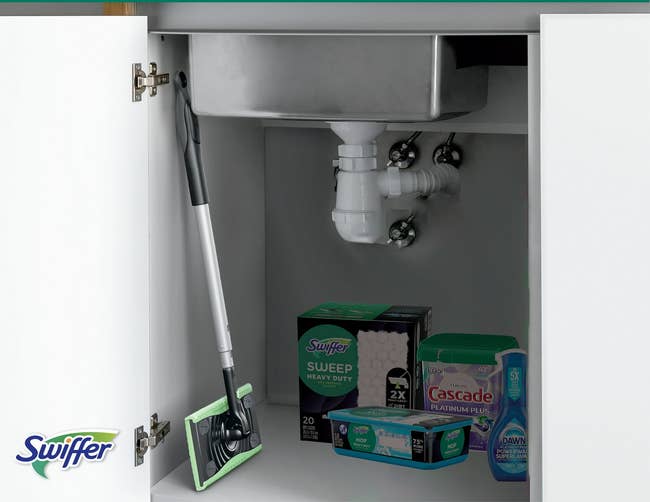
- Home Upkeep and Maintenance: Compact cleaning tools, such as collapsible sweep-and-mop systems and portable cordless vacuums, see increased uptake as households prepare for indoor living and track in outdoor debris.
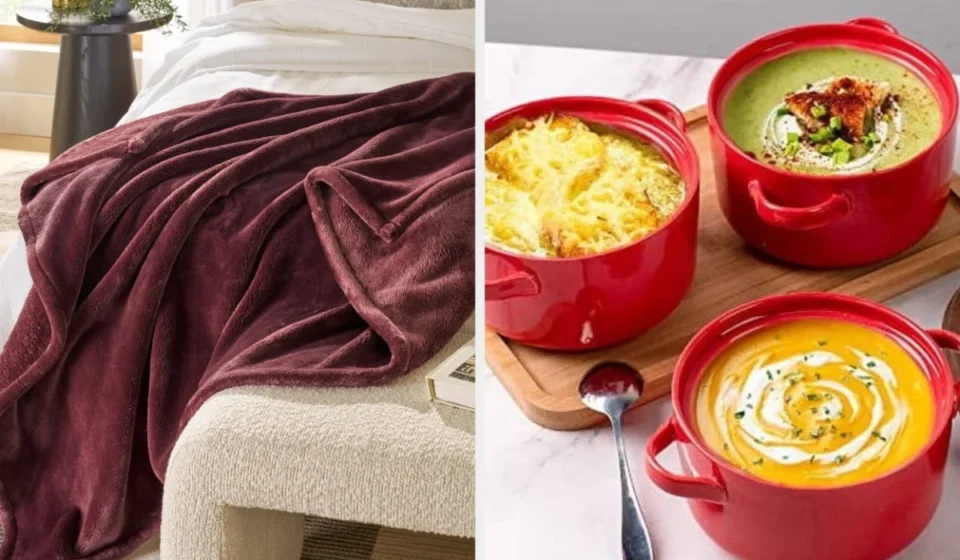
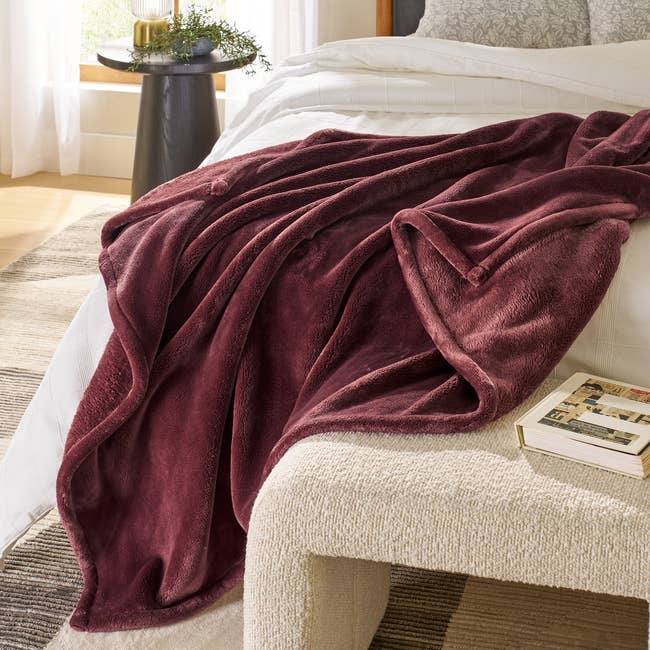
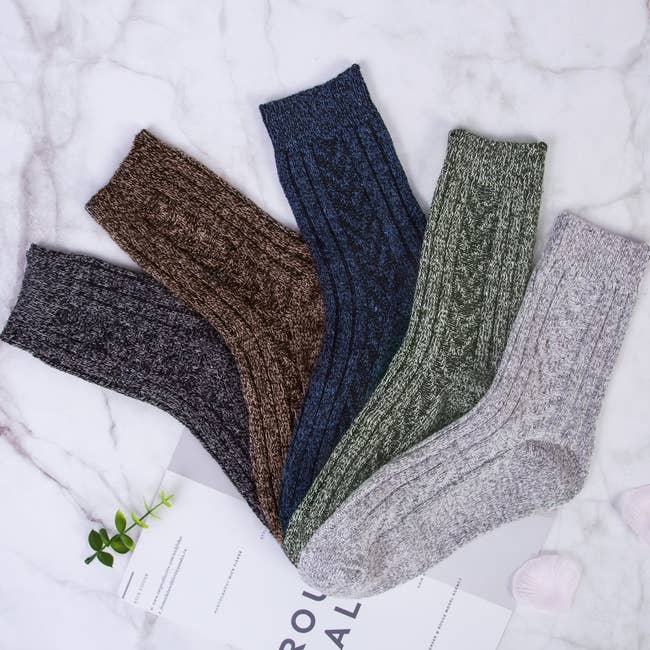
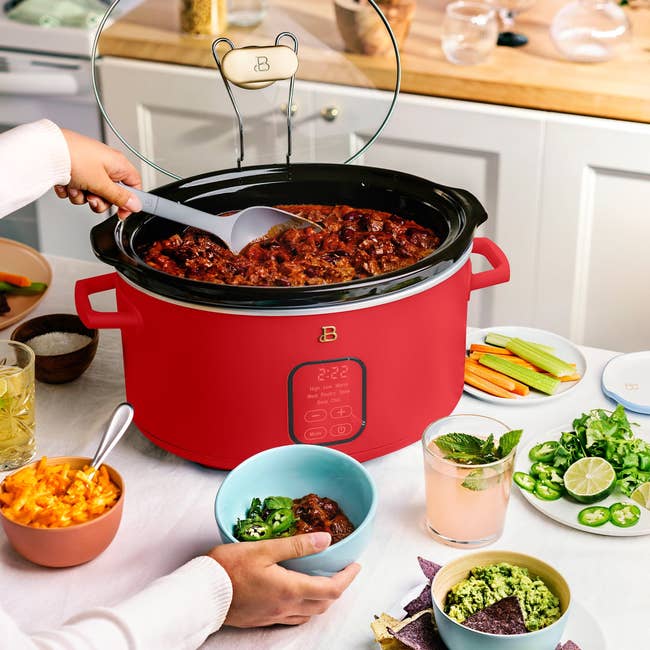
- Comfort and Weatherization: Items geared toward thermal regulation—ranging from velvet-textured plush throw blankets and wool-blend thermal socks to heavy-duty draft stoppers and programmable slow cookers—experience a surge in online searches and purchases.
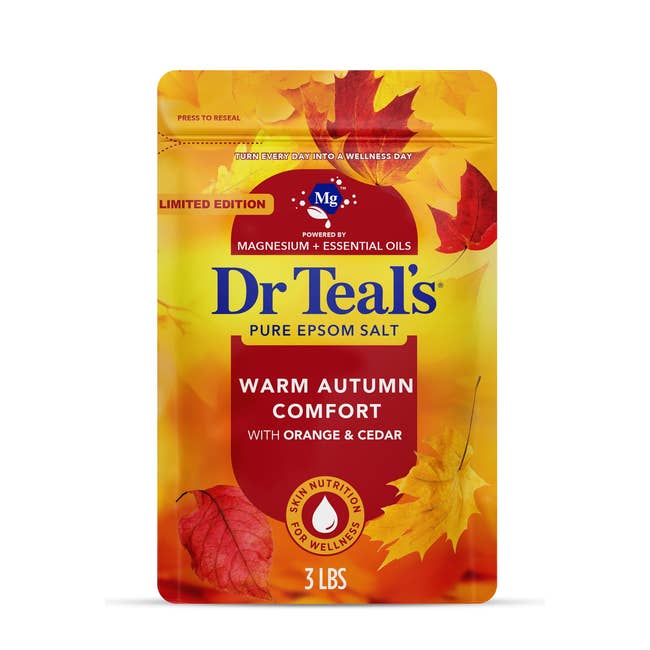
- Wellness and Personal Care: Short-day fatigue and the onset of cold and flu season drive consumers toward light therapy lamps, aromatherapy Epsom salts, caffeine-free herbal teas, and moisture-rich skincare solutions.
Market analysts note that these seasonal purchasing trends reflect both economic pragmatism and psychological adjustments to changing daylight hours and weather conditions. Retailers have responded by expanding inventories of affordable, high-utility home goods designed to maximize indoor comfort without requiring extensive home renovations or high-cost utility upgrades.
Chronology of the Seasonal Retail Shift
The seasonal transition in consumer markets follows a well-documented trajectory that begins in late August and peaks through October and November.
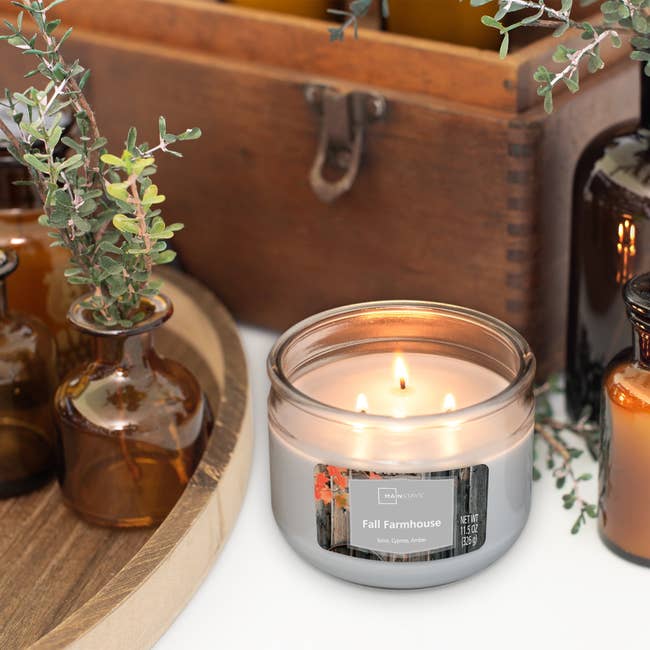
- Late August to Early September: Retailers initiate their seasonal merchandise rollouts. Initial consumer interest centers on minor organizational tools, back-to-school items, and early-fall decor, such as autumn-scented candles and transitional tableware.
- Mid-September: As temperatures begin to drop in northern regions, consumer focus shifts noticeably to weatherization products. Sales of draft stoppers, boot trays, and heavy-duty doormats increase. Outdoor maintenance items, including leaf grabbers and children’s yard tools, experience a brief, high-intensity demand window as property owners manage falling foliage.
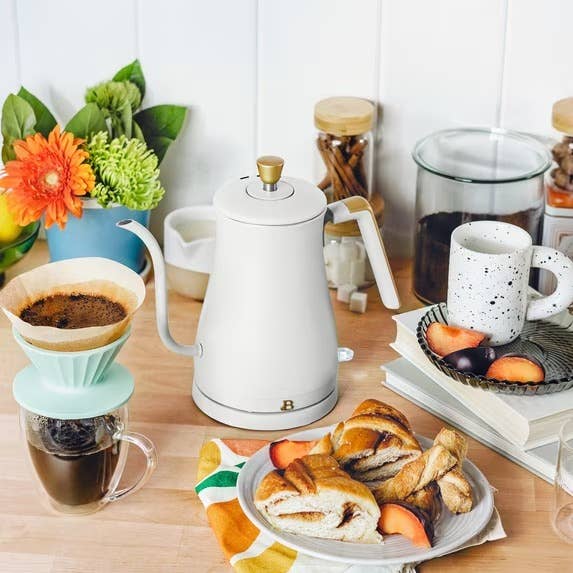
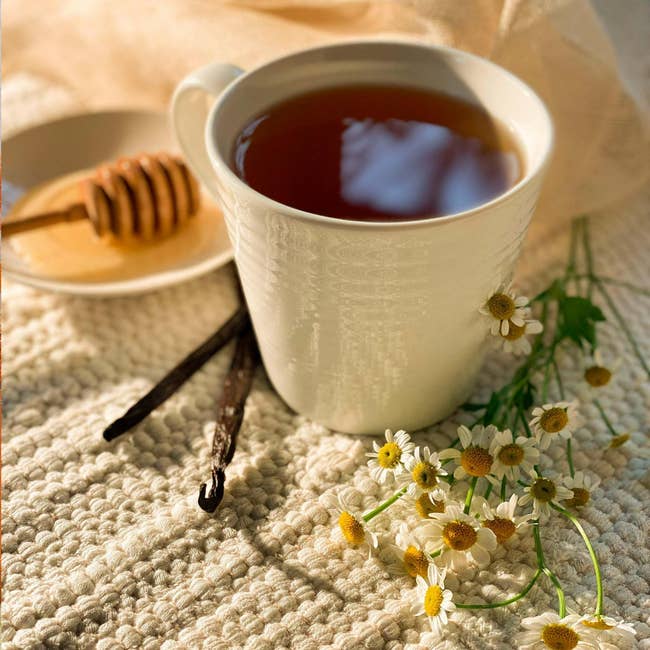
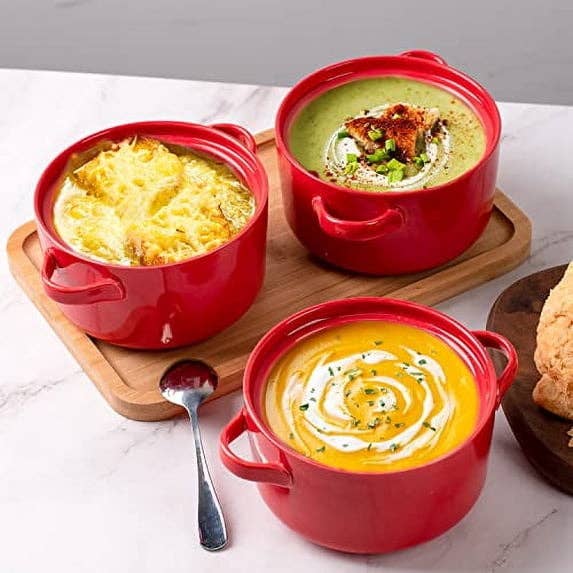
- Late September to Early October: The shortening of daylight hours triggers increased sales in wellness and mental health support categories, notably UV-free light therapy lamps and sleep-aid products like nasal strips and chamomile teas. Concurrently, kitchenware sales pivot toward slow cookers, deep ceramic soup bowls, and single-serve hot beverage makers.
- Mid-October Onward: The market solidifies its focus on deep winter preparation. Thermal apparel, weighted and plush blankets, and holiday-adjacent comfort items dominate retail logistics as consumers finalize their indoor living spaces for the colder months ahead.
Supporting Data and Market Analysis
Consumer spending reports across major e-commerce platforms illustrate clear preferences for affordability, multi-functionality, and tactile comfort during the autumn transition. Price points for high-demand items generally cluster in the budget-to-mid-range tier (under $50), indicating that consumers prioritize low-cost, high-impact lifestyle upgrades over major capital expenditures.
| Product Category | Featured Item Examples | Average Price Range | Consumer Motivations |
|---|---|---|---|
| Home Maintenance | Collapsible Sweepers, Cordless Car Vacuums | $10 – $35 | Quick cleanup of seasonal debris, mud, and indoor dirt. |
| Kitchen & Dining | Electric Gooseneck Kettles, 6-Qt Slow Cookers, Deep Soup Crocks | $25 – $110 | Shift toward warm meals, hot beverages, and "set-and-forget" cooking. |
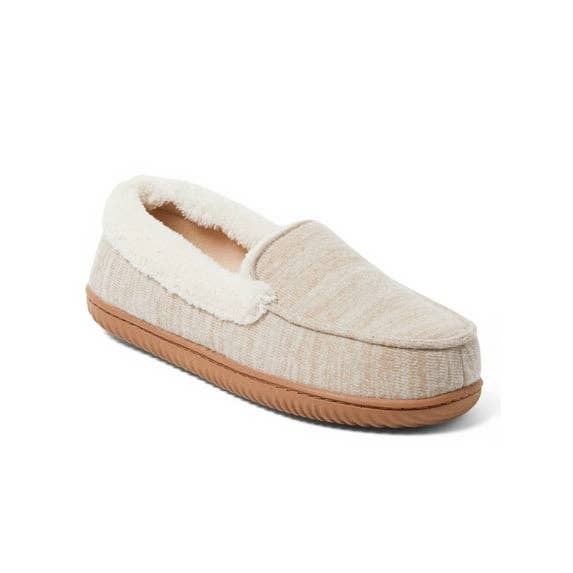
| Comfort & Apparel | Velvet Throw Blankets, Wool Socks, Moccasin Slippers | $11 – $20 | Thermal regulation, indoor lounging, and pain relief for problem feet. |
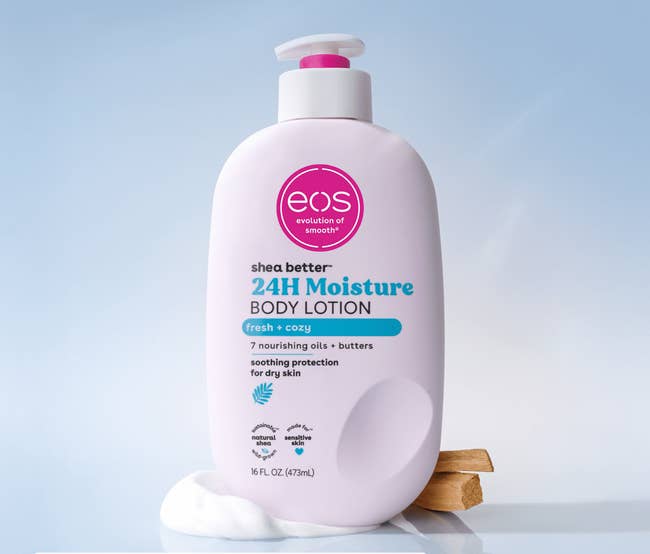
| Wellness & Self-Care | Light Therapy Lamps, Epsom Salts, Shea Body Lotion | $5 – $40 | Combating short-day fatigue, dry skin, and seasonal stress. |
Quantitative feedback gathered from verified buyer reviews underscores the functional value consumers place on these products. For instance, multi-functional appliances—such as capsule coffee makers capable of processing Nespresso, Keurig, and proprietary pods alike—outperform single-system units in customer satisfaction metrics due to counter-space efficiency and versatility. Similarly, wellness items like 10,000-lux light therapy lamps report strong repeat engagement from users managing sleep cycle disruptions and seasonal mood shifts.
Official Responses and Industry Insights
Retail merchandising directors and consumer advocacy groups have released commentary analyzing the mechanics behind these annual spikes in autumn purchasing behavior.
Industry representatives emphasize that modern consumers view seasonal shopping not merely as a chore, but as a form of proactive self-care. According to retail trend analysts, the popularity of items labeled with sensory descriptors—such as "cozy," "autumn comfort," and "fresh"—points to a psychological desire for grounding and predictability during periods of environmental transition.
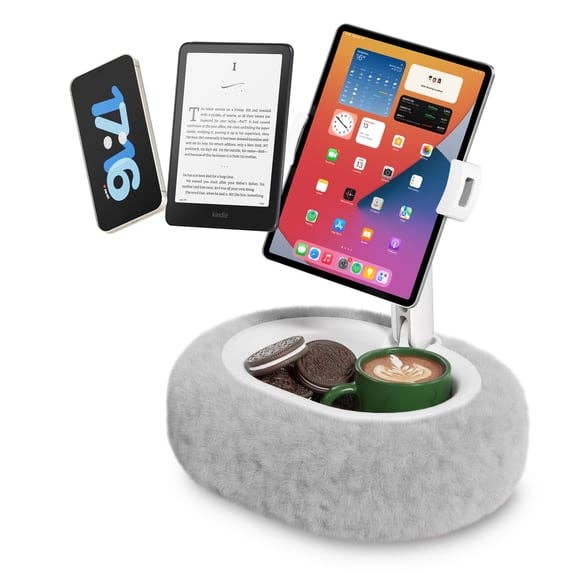
Furthermore, consumer advocacy platforms and product-testing organizations stress the importance of balancing aesthetic appeal with practical utility. Editorial teams from major shopping and service journalism outlets note that buyers increasingly look for transparent reviews regarding product durability, ease of maintenance (such as machine-washable components on pillow stands and blanket throws), and safety features (such as timed, flameless LED candles).

Retail logistics coordinators also report that supply chain preparations for Q4 begin months in advance to ensure that high-demand seasonal staples—ranging from pumpkin-scented cleaning sprays to heavy-duty weather stripping—remain well-stocked across regional distribution centers.
Implications for Consumers and the Retail Sector
The autumn retail shift carries several long-term implications for both the consumer market and individual households:
1. Economic Pragmatism in Household Budgets
With economic pressures prompting consumers to scrutinize discretionary spending, retail growth is increasingly concentrated in items that offer tangible, everyday utility. Products that help reduce utility bills (such as high-efficiency thermal blankets and door draft stoppers) or save time on household chores (such as spray-on dish soaps and lightweight vacuums) represent a high return on investment for budget-conscious shoppers.
2. The Rise of Preventative Wellness
The mainstream adoption of wellness tools—traditionally associated with clinical settings—signals a broader cultural shift toward preventative mental and physical health management at home. The widespread acceptance of light therapy lamps and magnesium-based bath soaks indicates that consumers are actively taking steps to mitigate seasonal affective disorder (SAD) and physical fatigue before symptoms escalate.
3. Omnichannel Retail Strategies
The seamless integration of online discovery, digital user reviews, and fast fulfillment services continues to dictate retail success. Consumers rely heavily on peer-to-peer feedback, verified user reviews, and curated shopping guides to navigate the vast array of seasonal products available online, making trust and authenticity primary drivers of brand loyalty.
As the retail sector moves deeper into the winter cycle, these trends underscore a permanent evolution in how households prepare for environmental changes: blending functional efficiency with accessible, everyday luxury.