The Algorithm Economy: How Viral TikTok Products Reshape Modern Retail, Consumer Habits, and E-Commerce Logistics

By Editorial Staff
Published October 5, 2026
Main Facts: The Intersection of Short-Form Video and Global Commerce
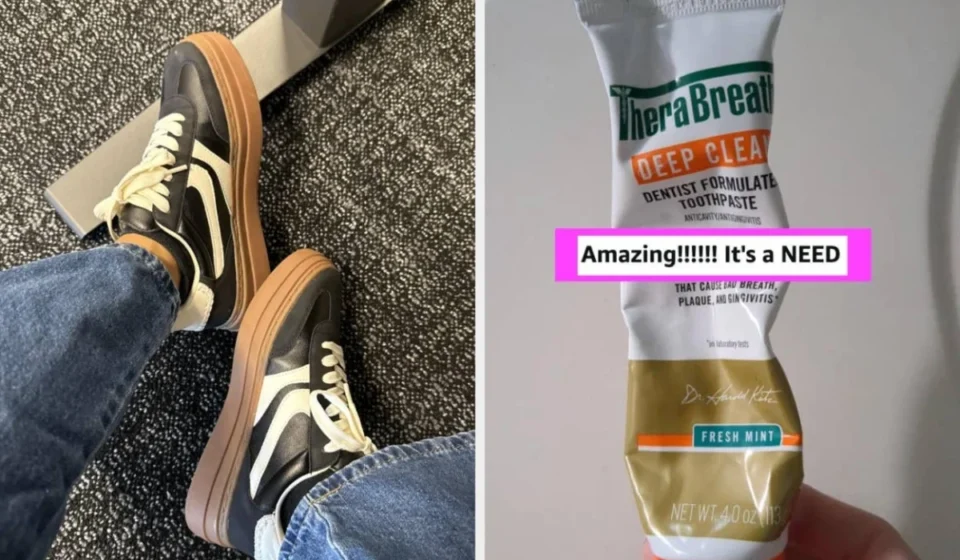
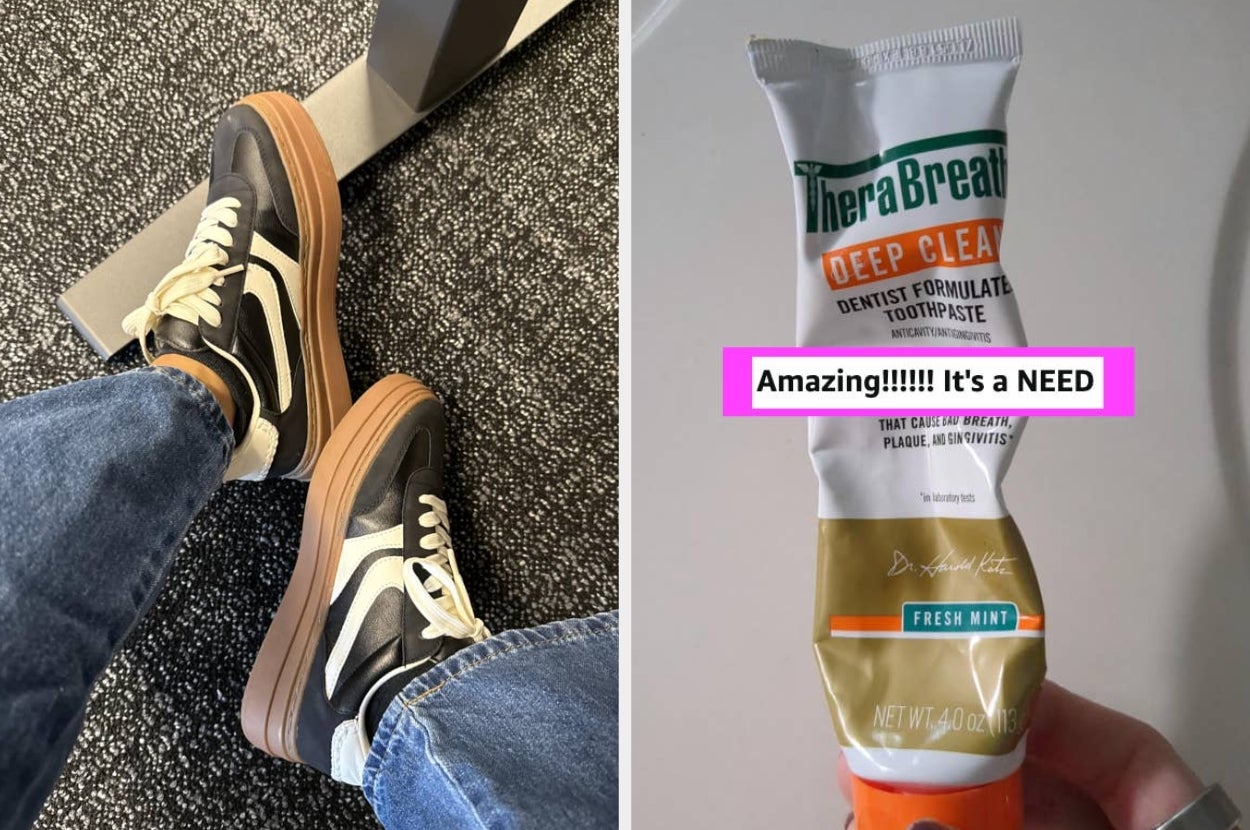
The contemporary retail landscape has undergone a seismic shift, driven almost entirely by the velocity of short-form video algorithms. What began as a platform for dance challenges and comedic sketches has matured into the world’s most potent digital storefront. Today, phenomena like the "TikTok-beloved scalp renewal brush" or ultra-cushioned "cloud sneakers" transition from obscure inventory items to global commodities within a matter of hours.
This modern iteration of consumerism relies heavily on peer-to-peer recommendation models masquerading as organic entertainment. Creators, ranging from nano-influencers with a few hundred followers to lifestyle tastemakers with millions of viewers, wield unprecedented influence over consumer spending habits. When a product hits the algorithmic "For You" page (FYP)—often accompanied by aesthetic ASMR unboxing videos, dramatic before-and-after reveals, or enthusiastic testimonials—it triggers a predictable chain reaction: sudden demand spikes, widespread retail sell-outs, and rapid adaptation by supply chain logistics networks.
At the heart of this ecosystem is frictionless purchasing. Platforms like TikTok have integrated in-app shopping features, allowing users to move from passive viewers to active buyers with a single click. This compression of the traditional marketing funnel—from awareness and consideration straight to conversion—has fundamentally changed how brands launch products, market inventory, and measure consumer engagement.
Chronology: The Evolution of "TikTok Made Me Buy It"
Understanding how a scalp massager or a pair of cloud-like walking shoes can dominate retail requires examining the rapid evolution of social-commerce integration over the past half-decade.
2020–2021: The Genesis of Algorithmic Discovery
During the global lockdowns of 2020, short-form video consumption skyrocketed. Users turned to apps for comfort, entertainment, and distraction. Creators began sharing hyper-specific life hacks, organizing tutorials, and self-care routines. The hashtag #TikTokMadeMeBuyIt emerged organically as a humorous acknowledgment of impulsive spending fueled by peer recommendations. Brands quickly realized that traditional banner advertising was losing ground to authentic, user-generated product demonstrations.
2022–2023: Mainstream Institutionalization
By 2022, major retail conglomerates and independent direct-to-consumer (D2C) brands restructured their marketing budgets to prioritize influencer seeding programs. Rather than paying for high-production television commercials, companies shipped thousands of PR packages to micro-influencers. The logic was simple: an authentic video review by a relatable creator living in a standard apartment carried more weight with Gen Z and Millennial consumers than a glossy studio shoot.
2024–2025: In-App Checkout and Frictionless Retail
The launch and refinement of native e-commerce tools, such as TikTok Shop, removed the final barriers to purchase. Consumers no longer had to leave the app, open a browser, and re-enter their shipping and credit card information. With integrated payment systems, buying a trending item became as effortless as double-tapping a video to like it. Fulfillment centers had to be re-engineered for "flash mobs" of digital demand, where a single viral video could generate tens of thousands of orders overnight.
2026 and Beyond: The Hyper-Personalized Marketplace
Today, algorithmic curation has evolved into predictive retailing. Platforms do not merely reflect what is popular; they actively forecast and accelerate trends through localized data mapping. Products like scalp renewal brushes and ergonomic footwear are no longer anomalies—they are standardized outcomes of an optimized digital supply chain.
Supporting Data: The Scale of Social Commerce
To comprehend the magnitude of the social-commerce revolution, one must examine the metrics governing digital consumer behavior. Industry analyses from major retail and technology research firms highlight the staggering economic footprint of algorithmic platforms.
Consumer Spending Shifts
- Conversion Velocity: According to digital retail analytics, products featured in viral short-form videos experience an average demand velocity increase of 300% to 500% within the first 48 hours of trending status.
- Demographic Dominance: Gen Z and Millennial consumers report that social media platforms are now their primary search engines for product discovery, outpacing traditional search engines like Google for lifestyle, beauty, and fashion categories.
- Trust Metrics: Consumer surveys consistently show that over 60% of shoppers trust peer recommendations and creator reviews on social apps significantly more than traditional corporate advertising or celebrity endorsements.
Logistics and Inventory Impact
- Supply Chain Agility: Small-to-medium enterprises (SMEs) utilizing algorithmic marketing report that their inventory forecasting models have had to shift from quarterly projections to real-time, algorithmic monitoring. A single trending video can deplete a three-month inventory supply in a weekend.
- Return Rates: While impulse buying driven by video content is high, data indicates that products with detailed, educational video reviews (such as skincare tools and specialized footwear) experience lower-than-average return rates compared to standard impulse e-commerce purchases, largely because the consumer has a pre-established understanding of the product’s function and scale.
Official Responses: Brand Strategies, Logistics Challenges, and Platform Governance
The meteoric rise of algorithm-driven retail has forced corporations, regulatory bodies, and logistics providers to adapt their operations and policies.
Brand and Retailer Perspectives
Major consumer goods corporations have largely abandoned old-school product launch cycles in favor of "agile dropping." Speaking on condition of anonymity, a supply chain director for a major international footwear brand noted:
"We no longer wait six months to roll out a new sneaker colorway or sole technology. If an independent creator styles an existing prototype or an archival design in a novel way on video, our logistics teams must be prepared to scale production lines in Vietnam and China within weeks to capture the algorithmic wave."
Beauty and personal care brands have similarly pivoted. Companies specializing in niche hygiene and self-care items—such as scalp health tools, exfoliating mitts, and targeted serums—report that their entire research and development pipelines are now informed by comment-section feedback and viral video trends.
Platform and Regulatory Oversight
As social commerce blurs the line between entertainment and commercial transactions, regulatory agencies worldwide have increased scrutiny on native shopping platforms. Consumer protection bureaus have raised concerns regarding transparency in sponsored content, data privacy, and the enforcement of truthful advertising standards among influencers.
In response, major platforms have rolled out stricter disclosure tools, requiring creators to explicitly label posts that involve financial compensation, gifted merchandise, or affiliate links. Furthermore, platforms have invested heavily in consumer protection programs, establishing standardized return frameworks, secure escrow payment systems, and dispute resolution mechanisms for purchases made directly within apps.
Implications: The Future of Consumerism and Retail Real Estate
The dominance of viral, algorithm-driven products carries profound implications for the future of global retail, urban real estate, and consumer psychology.
The Transformation of Brick-and-Mortar Retail
Physical retail spaces are undergoing an identity crisis. Traditional department stores and shopping malls, once designed to stock vast inventories across thousands of square feet, are increasingly pivoting toward experiential models. Because consumers often discover and evaluate products digitally via video, physical stores are transforming into showrooms. Shoppers visit brick-and-mortar locations not to browse endless aisles, but to physically test items they first saw on their screens—such as trying on viral "cloud" footwear or feeling the silicone bristles of a trending scalp massager.
Psychological Effects of Hyper-Accessible Commerce
From a psychological perspective, the compression of the purchasing funnel has normalized frictionless consumption, raising questions about consumer fatigue and financial wellness. The ease of "one-click" buying removes the friction that traditionally allowed shoppers time to reconsider impulse purchases. Consequently, consumers frequently report a cycle of rapid acquisition followed by clutter accumulation, fueling counter-movements focused on minimalism, decluttering, and mindful spending.
The Democratization (and Volatility) of Entrepreneurship
On a macroeconomic level, algorithmic retail has democratized market access. Independent creators and bootstrapped founders can bypass traditional gatekeepers—such as major retail buyers, venture capital firms, and expensive PR agencies—to launch global brands from a laptop. However, this democratization comes with extreme volatility. Brands built entirely on algorithmic trends are vulnerable to sudden shifts in platform algorithms, changing consumer tastes, and intense competition from fast-copycat manufacturers who can replicate trending items within days.
Conclusion
As the boundaries between social media entertainment and global commerce continue to dissolve, products like the TikTok-beloved scalp brush and cloud sneaker serve as micro-case studies of a macro-economic revolution. They represent a new era where attention is the ultimate currency, data dictates manufacturing, and a single click can set off a worldwide supply chain reaction. Whether this hyper-accelerated marketplace fosters sustainable business models or transient consumer burnout remains the central question facing the modern retail economy.