The Architecture of Influence: Why Personal Branding is No Longer Optional in the Modern Economy

GLOBAL — You have likely heard it from mentors, talent recruiters, or that hyper-active coworker posting manifestos on LinkedIn every morning: You need a personal brand.
The underlying truth, however, is far more immediate. You already have one. Whether you actively cultivate it or leave it to chance, colleagues, clients, and employers are forming a public perception of your professional identity. In an era defined by hyper-competition and digital noise, the deliberate management of that perception has transitioned from a vanity exercise for executives into a core professional competency.
Far from a celebrity-only playbook, personal branding has evolved into the foundational currency for founders, marketers, job seekers, and everyday employees aiming to stand out in crowded digital feeds. It is how modern stakeholders decide whether to follow you, hire you, or buy from you before you ever exchange a formal introduction.
Main Facts: Deconstructing the Modern Personal Brand
At its core, personal branding is the strategic process of presenting yourself as an individual to a targeted audience. It is the synthesis of your unique expertise, core values, and distinct personality that people naturally associate with your name.
While the concept feels deeply modern, its intellectual roots trace back to 1997, when management writer Tom Peters popularized the notion in his seminal Fast Company essay, "The Brand Called You." Peters argued that individuals must begin thinking of themselves just like major consumer enterprises. Social media eventually transformed Peters’ philosophical framework into an actionable tool accessible to anyone with a smartphone and an internet connection.
Yet, a persistent misconception plagues the discipline: the false equivalence between personal branding and internet stardom.
- The Myth: You must chase influencer status, court viral moments, or possess an overtly magnetic, extroverted personality.
- The Reality: A software engineer, a clinical nurse, or a small business owner can—and should—build a robust personal brand rooted in expertise rather than fame.
Corporate branding and personal branding share conceptual DNAs—both rely on trust, consistent storytelling, and clear expectations—but they diverge significantly in execution:
| Feature | Personal Branding | Corporate Branding |
|---|---|---|
| Primary Focus | You as an individual | A company, product, or service |
| Ownership | You | Marketing and executive leadership teams |
| Voice | First-person, shaped by personal experience | Shared brand voice guided by strict style manuals |
| Ultimate Goal | Trust, career influence, and organic opportunities | Brand awareness, consumer acquisition, and revenue |
| Ecosystem | Social profiles, newsletters, speaking engagements, portfolios | Brand social channels, corporate websites, paid ads, packaging |
Chronology: The Evolution from Corporate Anonymity to the Creator Economy
The journey toward mainstream personal branding reflects profound shifts in workforce dynamics and digital media consumption over the past three decades:

- Late 1990s (The Conceptual Genesis): Tom Peters introduces the world to self-packaging in corporate environments, urging workers to view themselves as independent entities responsible for their own career trajectories.
- Late 2000s to Early 2010s (The Social Media Boom): The rise of platforms like LinkedIn, Twitter (now X), and early blogging networks allows professionals to bypass traditional publishing gatekeepers, broadcasting their thoughts directly to niche audiences.
- Mid-2010s (The Rise of Thought Leadership): B2B organizations realize that institutional trust is declining. Buyers begin connecting more deeply with individual thought leaders than with faceless corporate logos.
- 2020–Present (The Employee Advocacy Era): The boundary between employee and creator dissolves. Modern algorithms reward human-centric content, turning individual profiles into powerful drivers of enterprise value. Organizations increasingly encourage employee advocacy, recognizing that authentic employee voices outpace polished corporate channels in public trust.
Supporting Data: Why Authenticity Drives the Modern Market
Data underscores the tangible economic value of personal branding and individual thought leadership. The modern marketplace prioritizes human connection over corporate gloss.
- The Trust Deficit: According to the 2025 Sprout Social Index™, consumers rank authenticity and relatability as two of the three most vital brand content traits. In an era where digital influence can easily feel manufactured, an individual’s authentic experiences, unique humor, and specialized insights represent an unmatched competitive edge.
- The Power of B2B Thought Leadership: The 2025 Edelman-LinkedIn B2B Thought Leadership Impact Report highlights that thought leadership builds deep trust and creates commercial opportunities where traditional advertising and outbound sales tactics fall short. When professionals articulate industry insights in their own voice, they become trusted authorities.
- The Rise of Employee-Driven Discovery: Data from the 2026 Sprout Social Influencer Marketing Report reveals that 40% of consumers discover new products or services through employee-generated content on a monthly basis. Furthermore, only 17% of consumers check a creator’s follower count before engaging, proving that subject-matter relevance and content quality vastly outweigh raw vanity metrics.
Official Perspectives and Industry Insights
Leading workplace economists and marketing strategists agree that personal branding is no longer a luxury. It is professional risk mitigation.
"When you don’t define your professional narrative, the market defines it for you," notes workplace strategist Elena Vance. "A personal brand acts as a gravitational pull. It attracts aligned opportunities, filters out misaligned engagements, and provides career optionality during economic shifts."
Corporate leaders are also embracing this reality. Rather than viewing personal brands as a distraction that encourages employee churn, progressive organizations view internal thought leadership as an asset. When employees build credible public profiles, they elevate the overarching authority of their employing organization—a phenomenon proven by enterprise case studies like Infor, which onboarded 1,500 employees into an advocacy program in a single day, instantly generating tens of thousands of dollars in earned media value.
Implications: The Roadmap to Building a Sustainable Personal Brand
Building a sustainable personal brand does not require a massive budget or a magnetic persona. It requires strategy, discipline, and a commitment to delivering genuine value. A phased, seven-step framework outlines how to approach this journey effectively:
1. Conduct a Personal Brand Audit
Begin by examining your digital footprint. Query your name, review your existing social profiles, and ask trusted peers how they perceive your professional strengths. Identify the gap between how you are currently perceived and how you want to be perceived.
2. Choose Your Niche and Ecosystem
You cannot speak to everyone. Define your target audience and meet them where they spend their time.
- LinkedIn: Best for B2B professionals, executives, and job seekers.
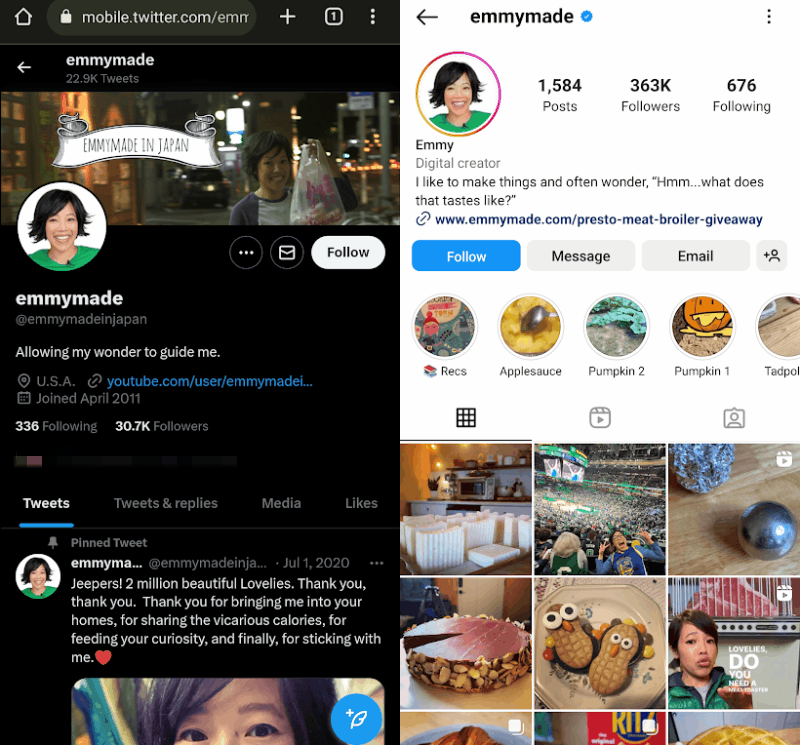
- Instagram/TikTok: Ideal for visual niches, lifestyle creators, and short-form education.
- Substack: Perfect for long-form essays, owned newsletters, and deep industry analysis.
3. Focus on Value Creation
Your brand must offer utility. Whether through original data, contrarian industry insights, actionable frameworks, or curated resources, give your audience a concrete reason to return. Condense your mission into a crisp personal brand statement: "I help [target audience] achieve [specific outcome] by [method]."
4. Commit to Consistency
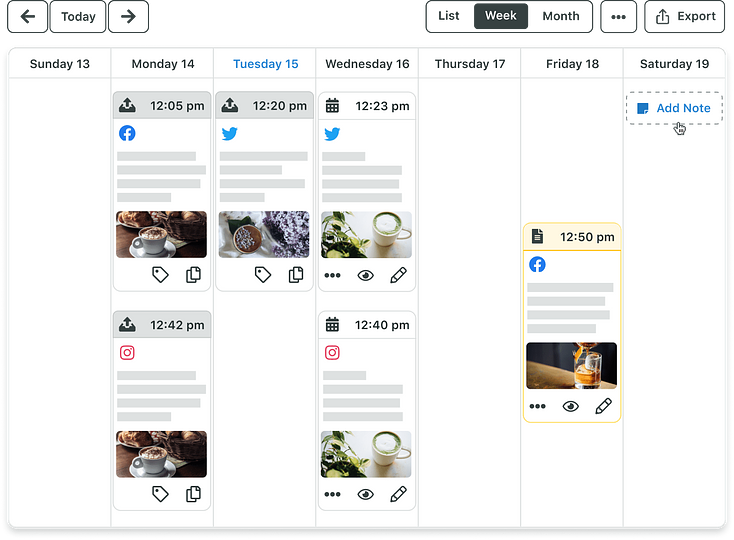
Consistency transforms sporadic posting into a recognized brand. Establish a sustainable publishing cadence and utilize modern social publishing tools to streamline cross-platform distribution without burning out.
5. Prioritize Authenticity and Relatability
You do not need to be loud to be effective. Share hard-earned lessons, professional challenges you have overcome, and transparent behind-the-scenes insights. If your content educates, entertains, or inspires, you are on the right path.
6. Measure and Adapt
Analyze your performance metrics monthly. Track engagement rates, audience growth, profile views, and inbound inquiries. Utilize social listening tools to monitor conversations happening around your name and niche.
7. Guard Against Brand Burnout
Personal branding is a marathon, not a sprint. Protect your energy, set boundaries around your digital presence, and remember that sustainable growth stems from long-term patience rather than frantic daily posting.
Frequently Asked Questions (FAQs)
Can you build a personal brand for free?
Yes. Basic social profiles, publishing platforms, and a consistent posting habit require zero financial investment—only an investment of time. Paid tools can help scale and measure your reach as your audience grows.
How long does it take to see results?
Building a recognizable personal brand requires sustained effort over the long haul. Most professionals notice meaningful traction after three to six months of consistent, niche-focused publishing and continuous refinement.
What is a personal brand statement?
A personal brand statement is a concise, one-to-two-sentence summary defining who you serve, how you help them, and what differentiates you from others in your field. It serves as your professional North Star across bios, speaking engagements, and introductory pitches.
Should your personal brand be separate from your employer’s brand?
Your personal brand fundamentally belongs to you and should outlast any single employment contract. However, the most successful personal brands naturally align with an individual’s professional expertise and adhere to their employer’s social media and communication guidelines.
Related posts: