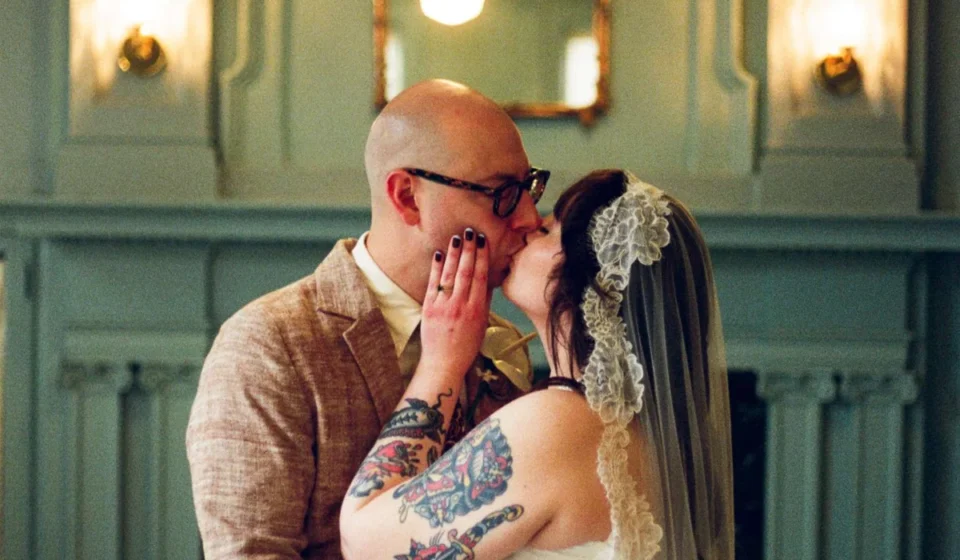

In an era defined by the cold efficiency of artificial intelligence, high-speed digital streaming, and the relentless drive for the "cheapest and fastest" way to execute an event, there is something profoundly radical about choosing to slow down. For Rachel and The Berts, their recent nuptials at The Maverick Hotel in Pittsburgh served as a poignant manifesto against the digital tide. By transforming a historic former YMCA gymnasium into an immersive, tactile experience centered on vinyl records, film photography, and handcrafted textiles, the couple proved that the most memorable celebrations are often the ones that require the most human touch.
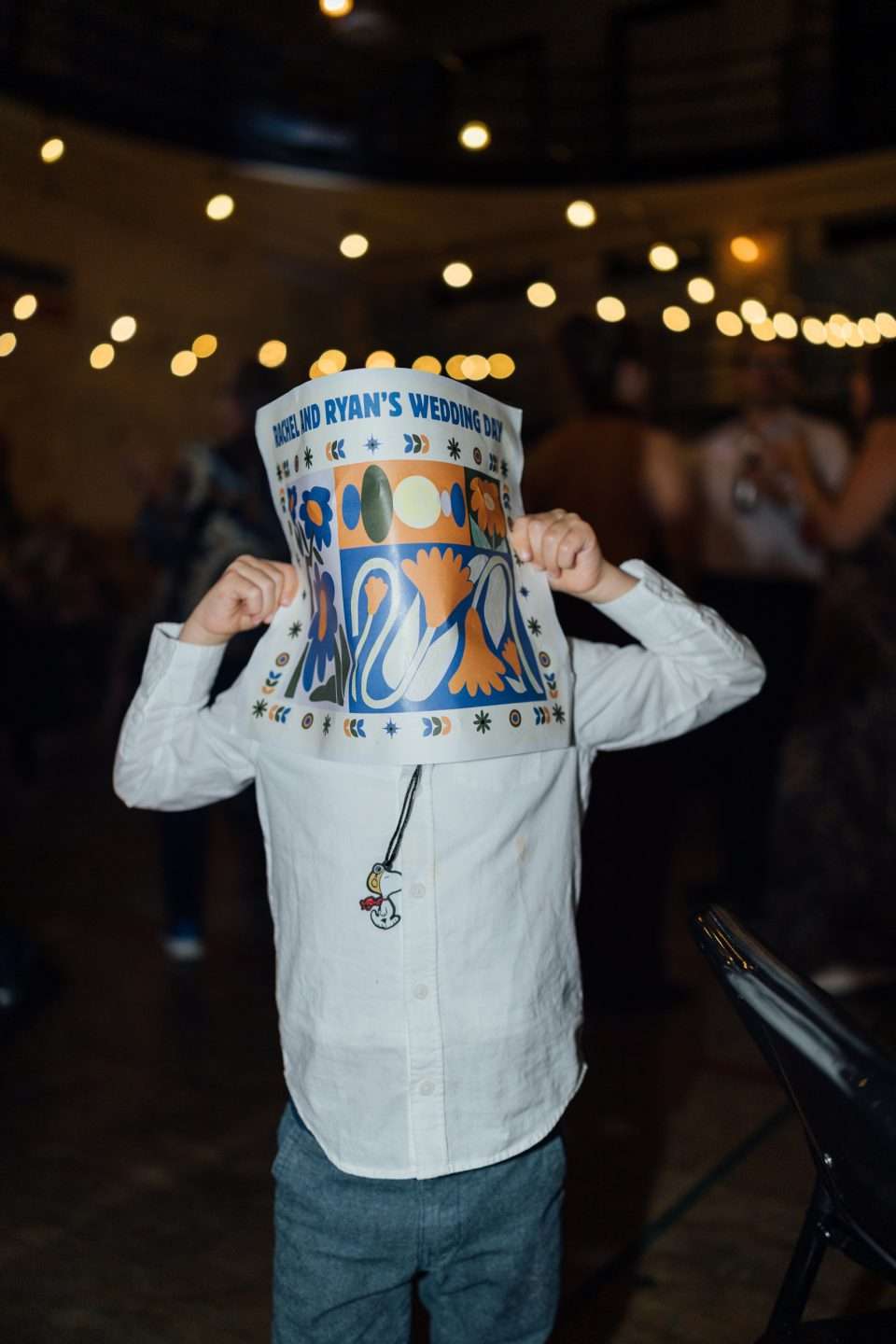
The Philosophy of Tangibility: A Rejection of the Digital Norm
The wedding was not merely an event; it was a curated exhibition of the analog lifestyle. Rachel and Ryan’s decision to eschew digital shortcuts in favor of physical artifacts—hand-stitched quilts, vintage Valentines, and the warm, crackling fidelity of vinyl—created an atmosphere that felt both nostalgic and deeply personal.
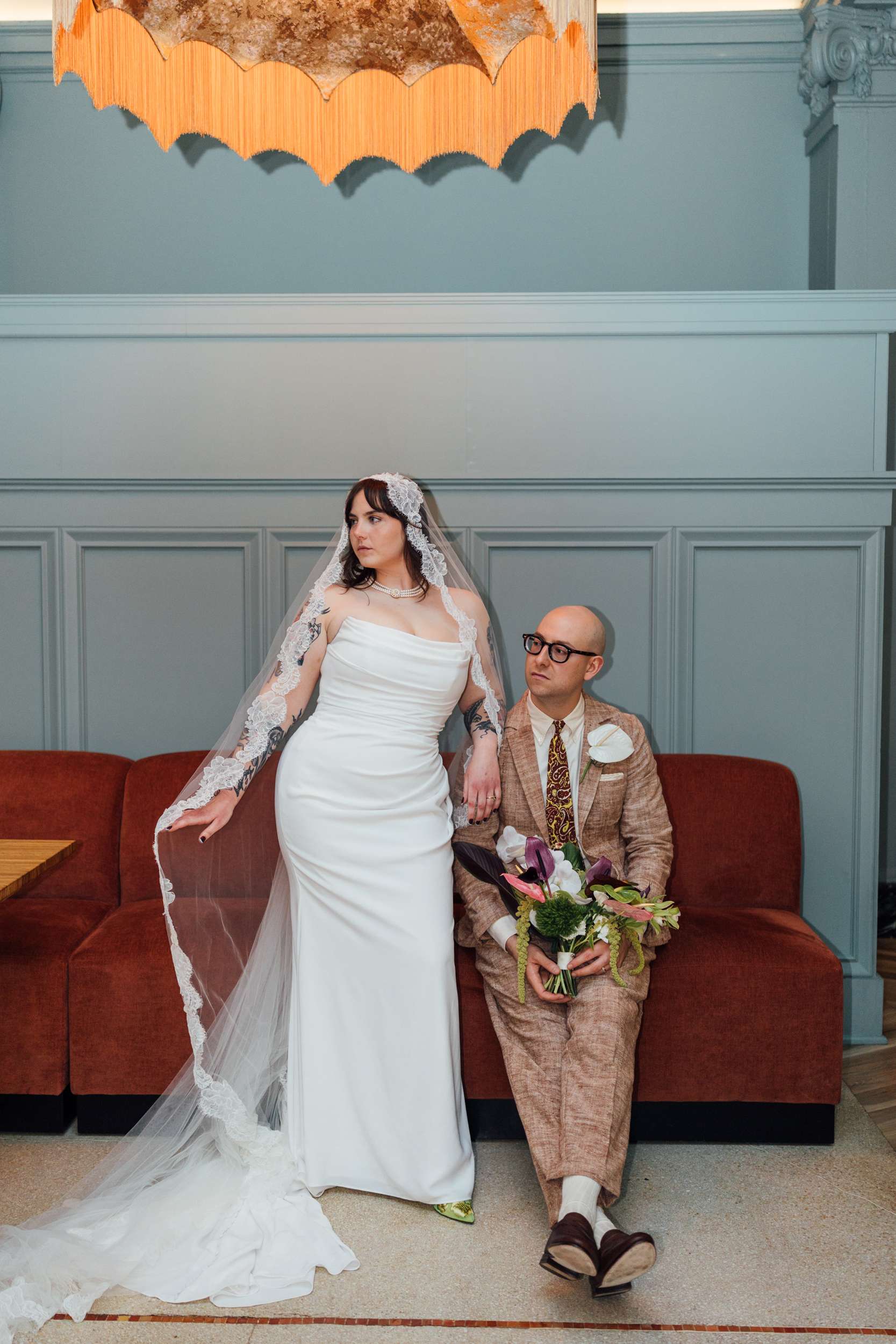
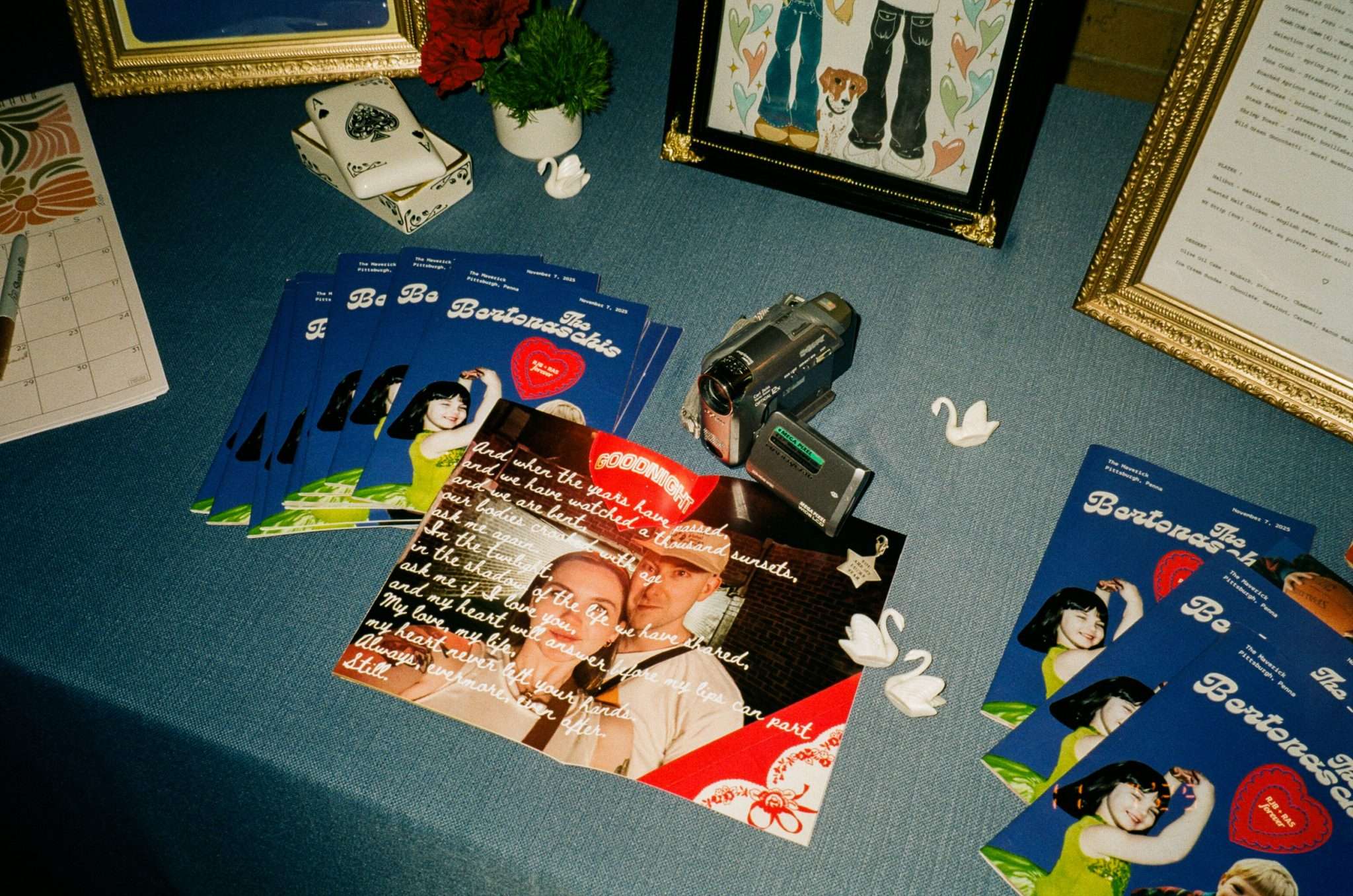
In a modern wedding industry that often relies on automated planning tools and mass-produced decor, this couple prioritized "slow" elements. From the custom-blended coffee served from a boutique cart to the 20-page zine created to introduce their families, every detail was a testament to the time-intensive beauty of creation. This was a wedding designed to be held, heard, and felt rather than just scrolled past on a social media feed.
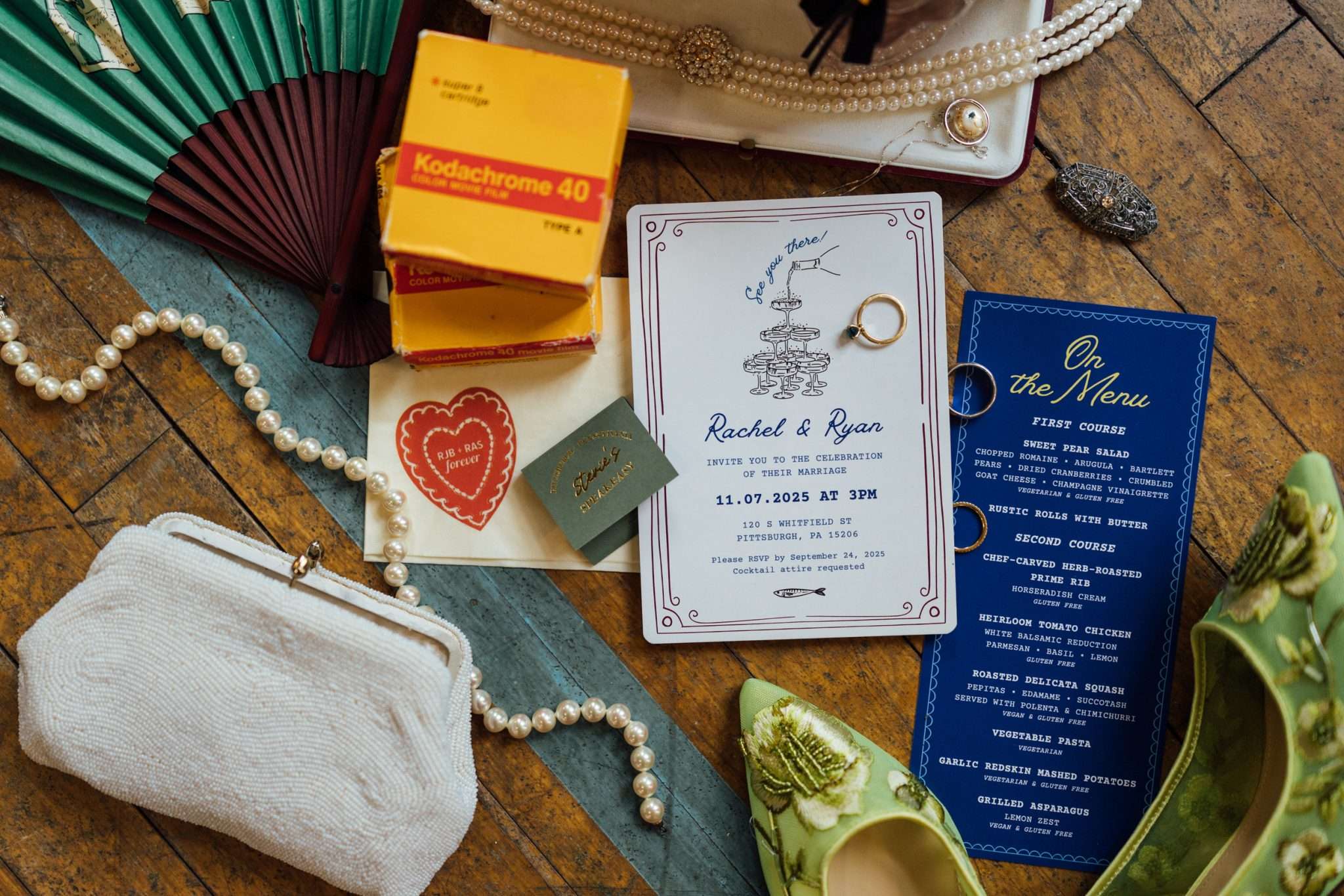
A Chronological Journey: From Morning Portraits to Midnight Disco
The Morning Preparation and Pre-Ceremony Coffee
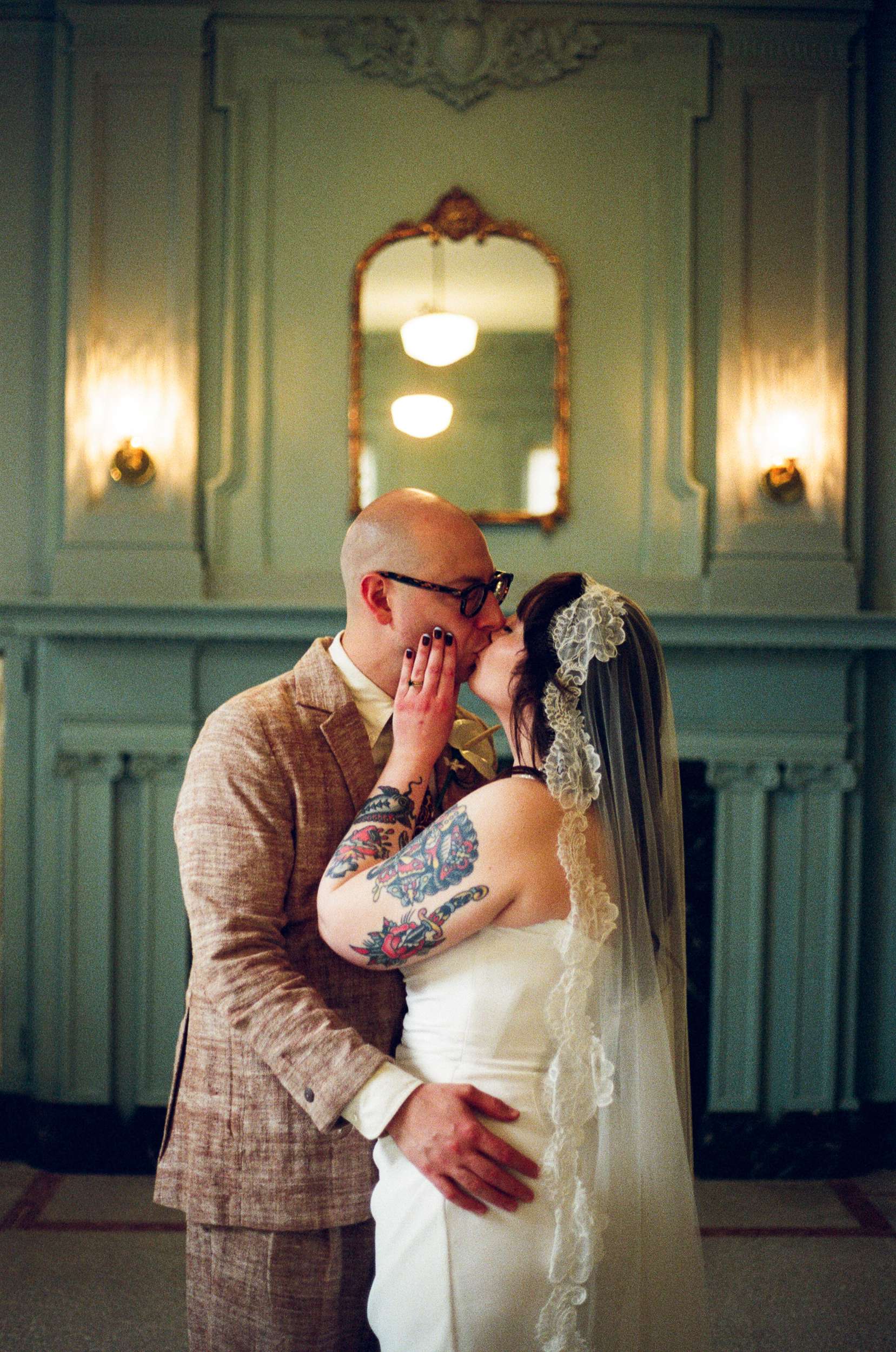
The day began with a deliberate departure from tradition. Recognizing that the stress of a "grand reveal" can often overshadow the intimacy of the morning, Rachel and Ryan spent their early hours together. By conducting their couple portraits before the guests arrived, they reclaimed their time, ensuring that the transition into the ceremony was one of presence rather than performance.
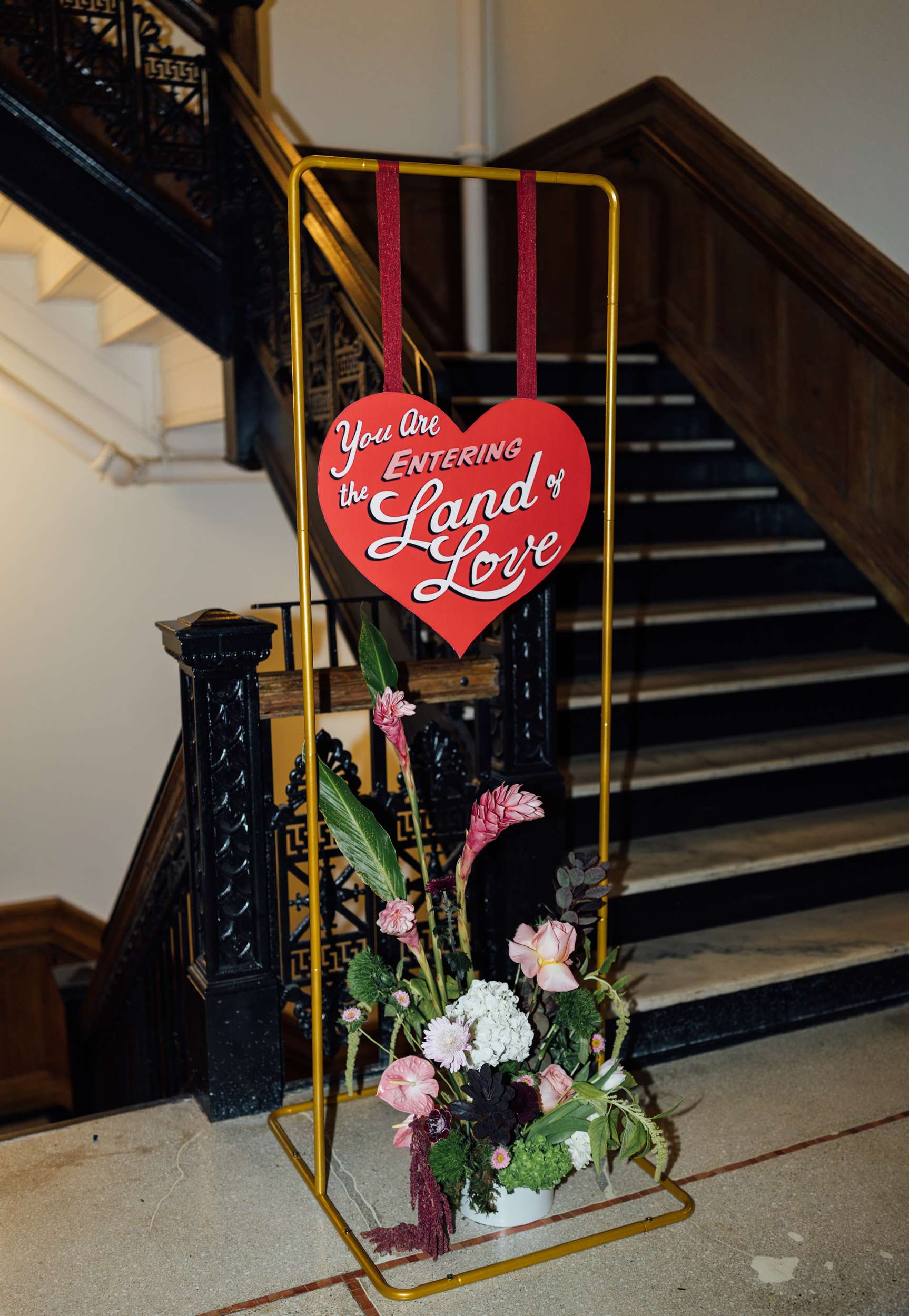
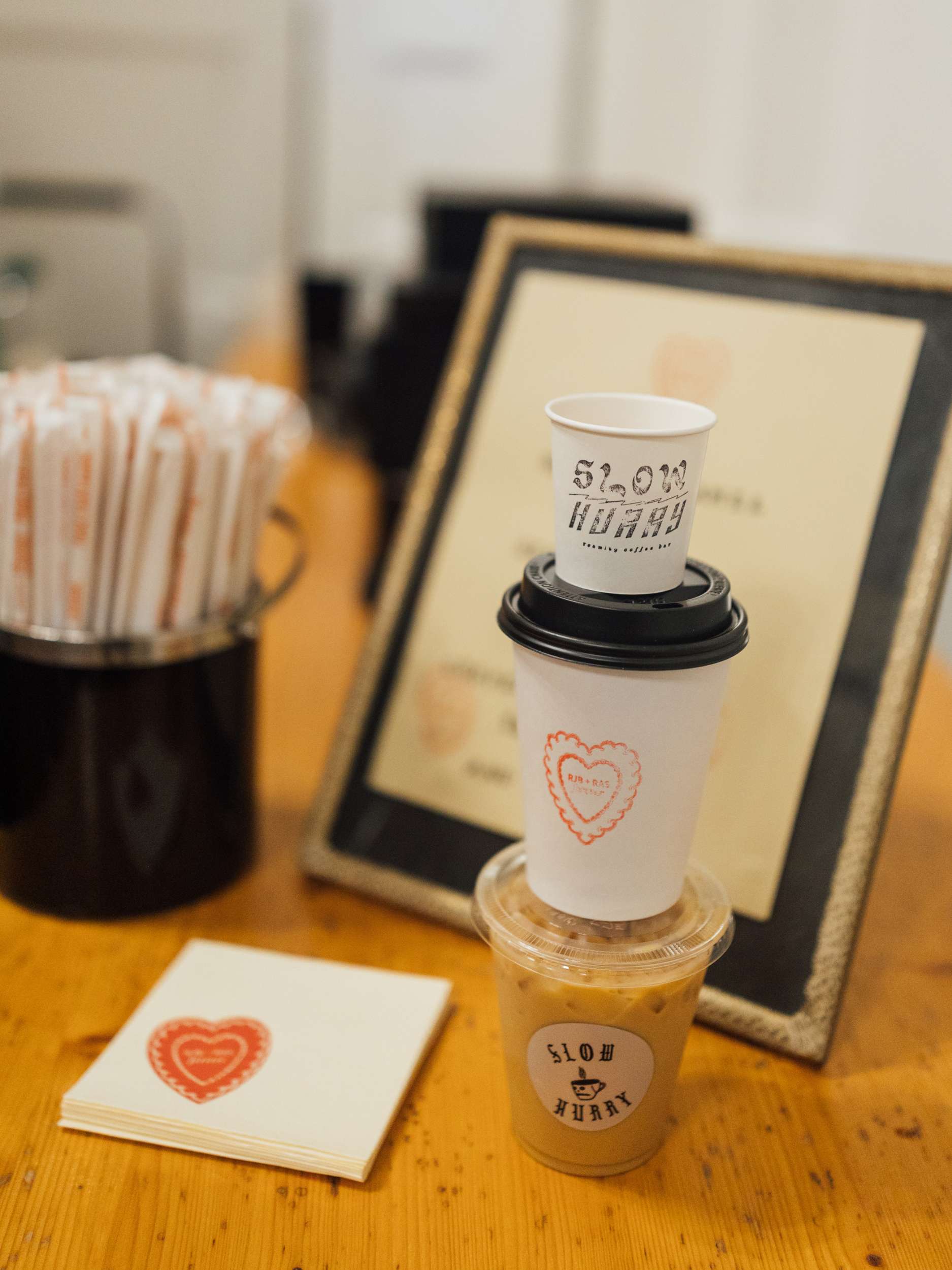
Guests were welcomed an hour before the proceedings with an artisanal coffee experience provided by Slow Hurry Coffee. The collaboration between the couple and the café owner, Kaylie, resulted in two bespoke creations: a miso caramel latte and a sesame fig cappuccino. The inclusion of these craft syrups and a dedicated coffee cart offered a sophisticated alternative to standard bar service, setting a warm, communal tone before the formal vows began.
The Ceremony: A Snapshot of the "I Do"
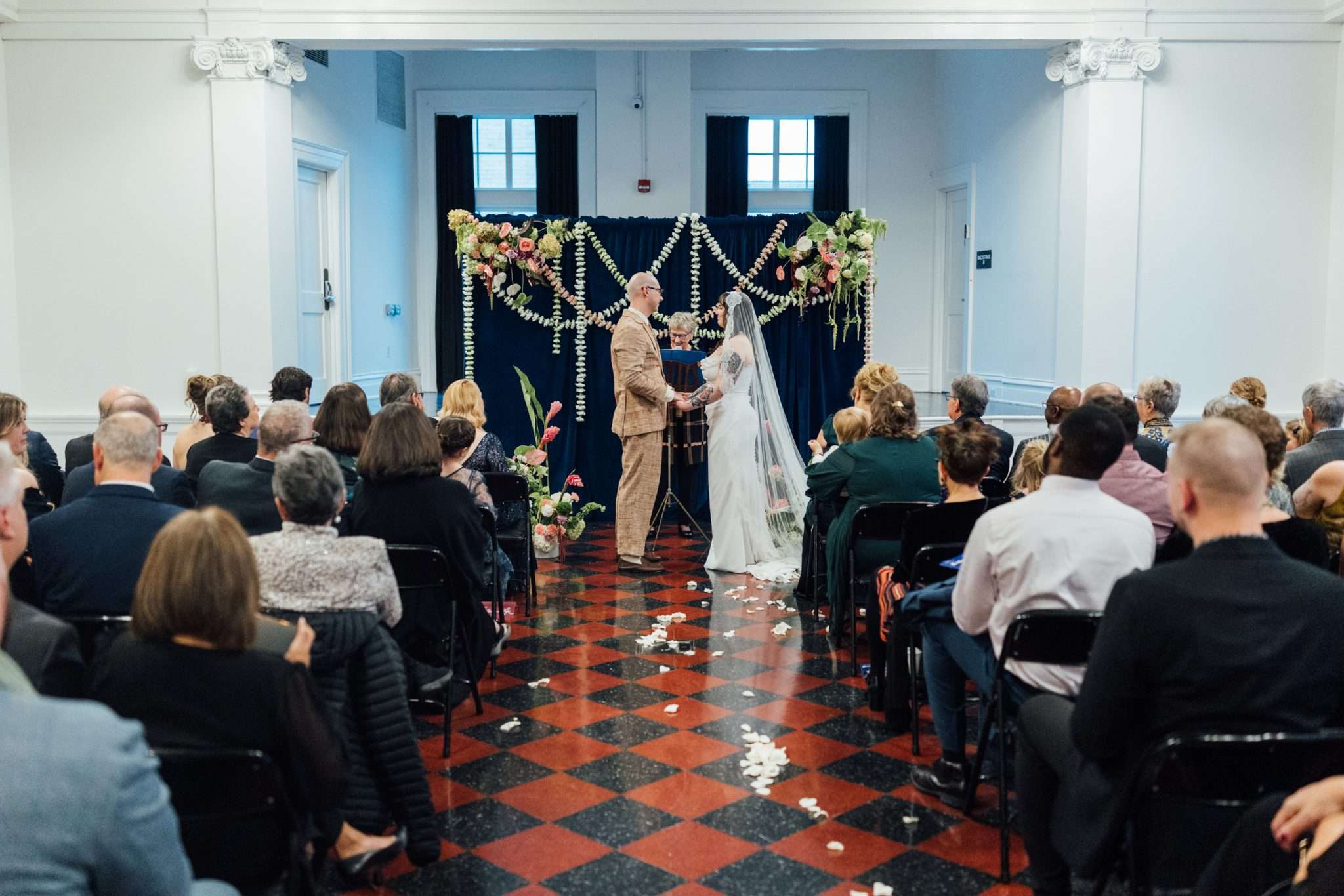
The ceremony, held in the hotel’s ballroom and officiated by Ryan’s aunt, Irene Kane, was a masterclass in intentionality. In a unique twist that blurred the line between subject and observer, the couple stopped mid-ceremony to photograph one another. Using a vintage Canon AE-1, they captured the exact perspective of their partner in the final, fleeting seconds before marriage—a physical, photographic record of their last moments as an unmarried pair.
The Reception: A 1970s Gymnasium Revival
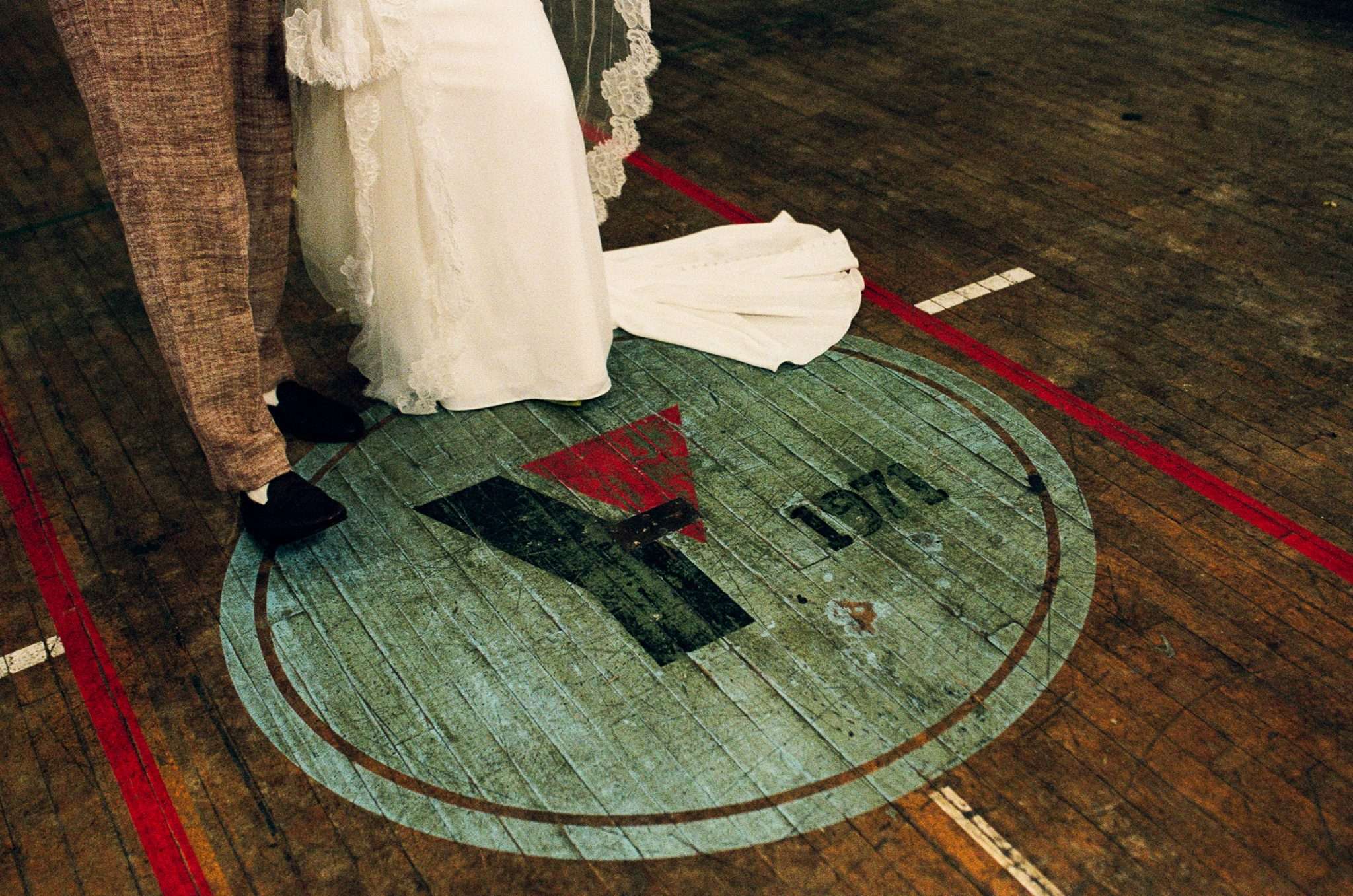
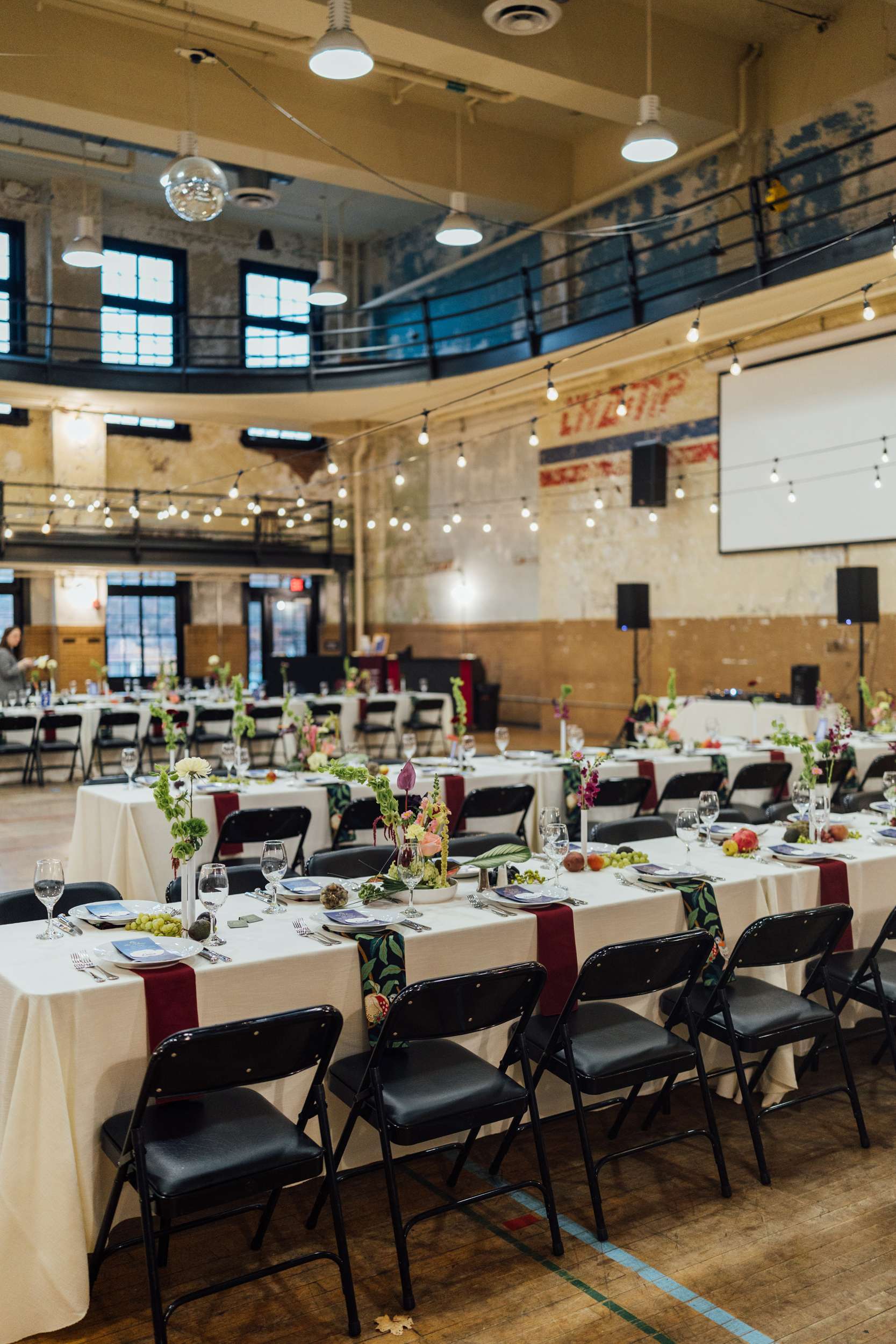
As the ceremony concluded, a built-in architectural divider was retracted, revealing a reception space that felt as though it had been plucked from a 1970s school dance. The Maverick Hotel, a repurposed YMCA, provided the perfect backdrop for their theme. The high rafters and original hardwood floors were complemented by an all-vinyl DJ set, which strictly featured music from the 1950s through the 1980s.
The couple’s commitment to the theme extended to the visual experience: a continuous six-hour projection loop of curated clips from Soul Train, The Cher Show, and The Ed Sullivan Show played against the gym wall, bathing the room in the warm, flicker-heavy aesthetic of television’s golden age.
Supporting Data: The Mechanics of the "Analog" Experience
The success of the day relied heavily on a logistical commitment to non-digital mediums.
- Photography and Videography: Nellie Bradford, the lead photographer, eschewed a purely digital approach. The event was documented using a combination of 35mm film, medium format, and Polaroid. For the videography, the couple insisted on Super 8 film, a medium known for its grain, light leaks, and emotional resonance.
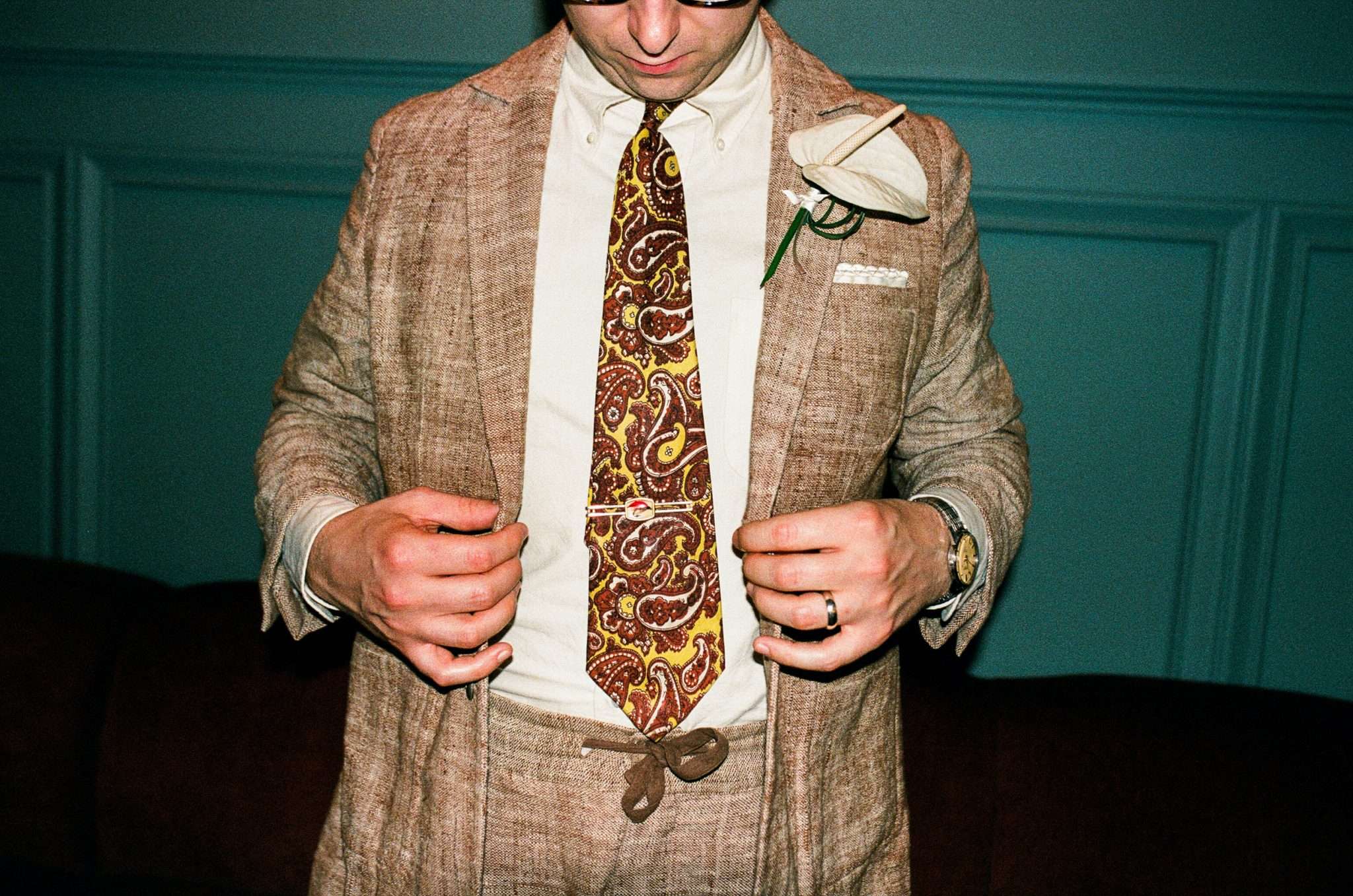
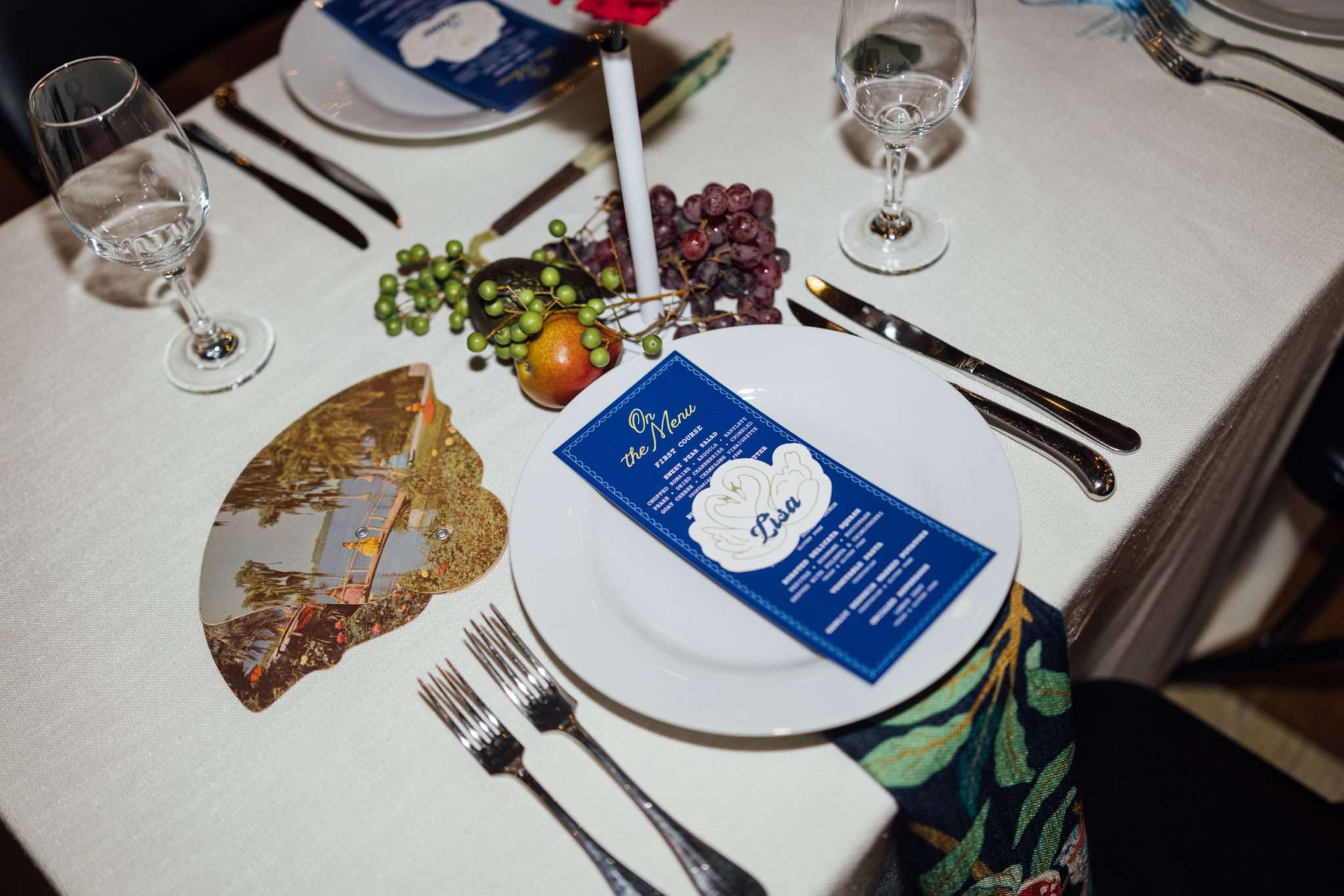
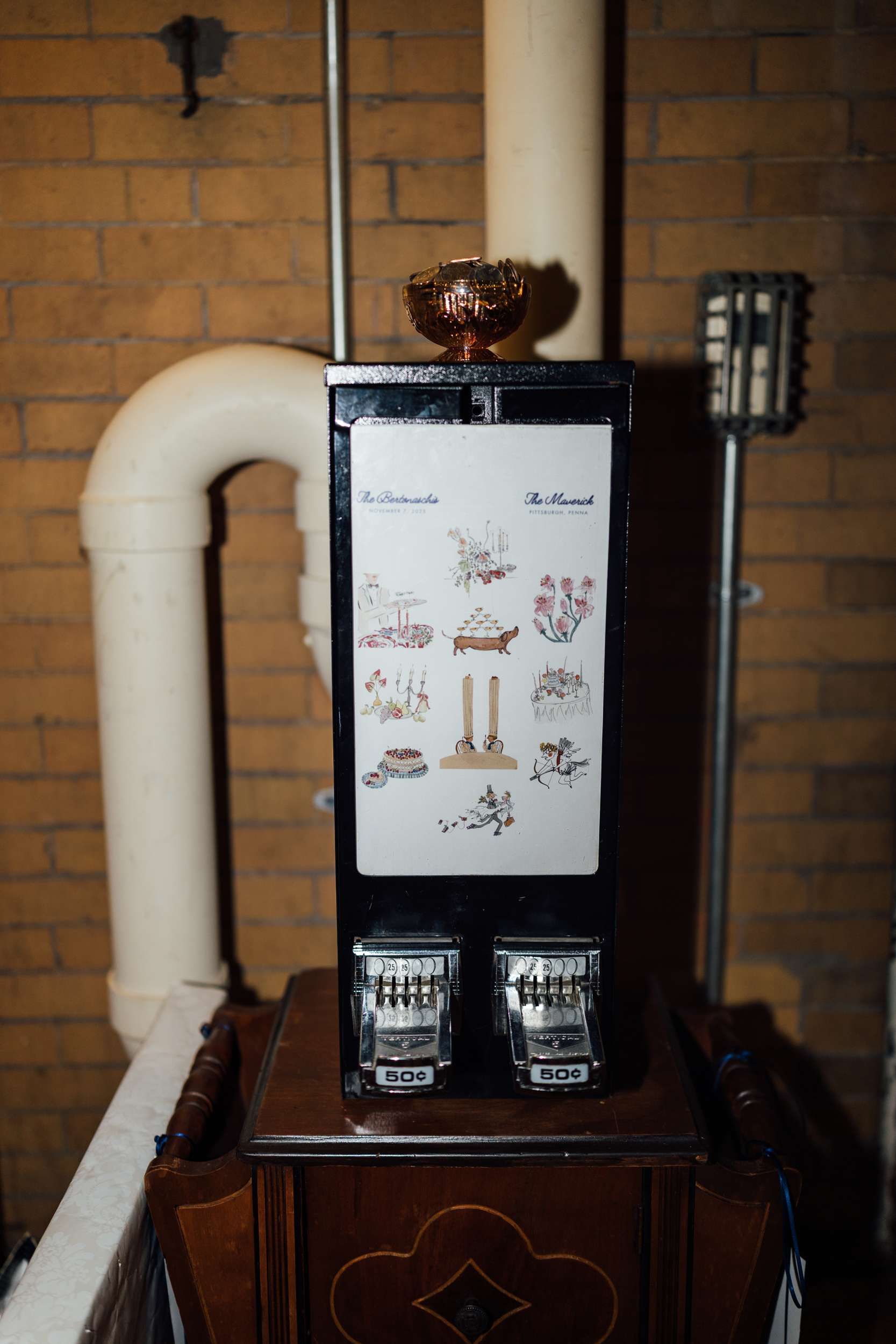
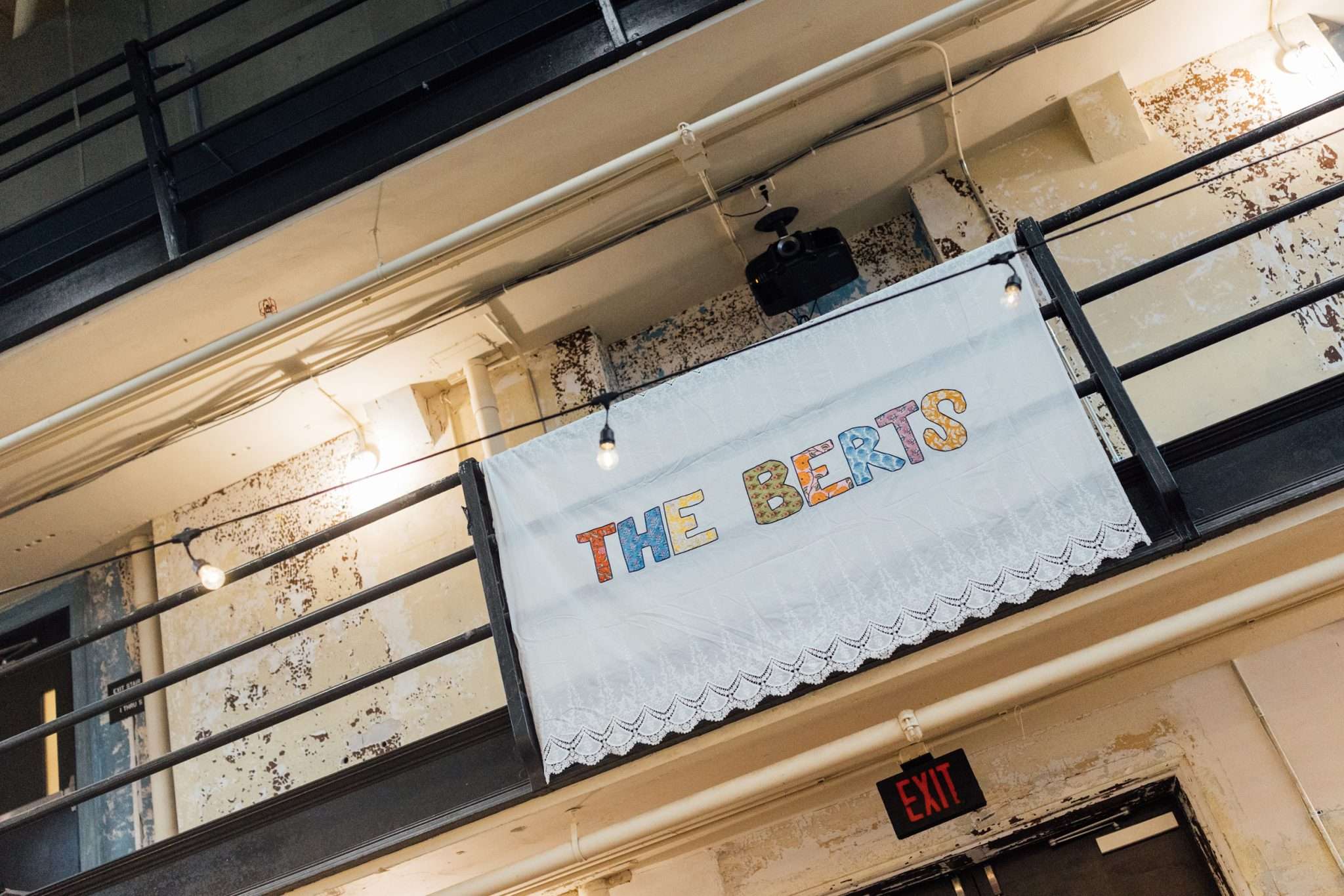
- Curated Decor: The couple’s DIY efforts were significant. Rachel’s hand-quilted "The Berts" and "R+R" banners served as centerpieces, while a refurbished print vending machine allowed guests to purchase custom-made, limited-edition art prints using quarters.
- The Guest Book: In place of a traditional book, guests signed a 2026 calendar, marking messages on their own birthdays. This simple act transformed a standard memento into a functional, year-long tool for staying in touch.
Official Perspectives: The Value of the DIY Path
When asked about the labor-intensive nature of their wedding, the couple was candid. "Doing things DIY is a great way to save money, but it is important to really take into consideration just how much of your time, energy, and other resources that it will require," they noted.
They emphasized that while some projects were worth the effort, others became logistical burdens. Their reliance on a day-of coordinator was the critical factor that allowed them to enjoy the fruits of their labor. Their advice to other couples—a mixture of business-like pragmatism and creative vision—is a masterclass in project management. "If an important conversation happens via phone call, don’t be afraid to follow up with a confirmation email," they advised. This "paper trail" approach ensures that, even in a DIY setting, the professional standards of the wedding industry are maintained.
Implications: A Shift Toward Meaningful Consumption
The wedding of Rachel and Ryan highlights a growing trend in the events industry: the movement toward "meaningful consumption." As AI begins to generate wedding vows, imagery, and even planning schedules, there is an inverse reaction among couples who find value in imperfection, analog grain, and human labor.
This shift has several implications:
- The Resurgence of Craft: Businesses like Piebird, which provided sheet-pan pies instead of traditional tiered cakes, are seeing increased demand as couples move toward local, artisanal, and authentic catering options.
- Vendor Relations: The couple’s advice regarding vendor management highlights the necessity of direct, transparent communication. In a world of automated booking platforms, the human relationship between the couple and the vendor is becoming the most valuable commodity.
- The Anti-Performance Trend: By avoiding the "grand entrance" and instead walking into the dinner space alongside their guests, Rachel and Ryan signaled a move away from the "theatrical" wedding model. They prioritized the social experience—the conversations at the table and the energy on the dance floor—over the curated, staged moments often seen on social media.
Conclusion
The "Analogue Disco" wedding at The Maverick serves as a blueprint for those seeking a more grounded approach to marriage celebrations. It was an event that recognized the fragility of time and the importance of physical objects in a fleeting, digital world. By choosing to stitch their own quilts, spin their own records, and shoot their own memories on film, Rachel and Ryan created more than just a wedding; they created a physical archive of their love.
In the final analysis, their day serves as a reminder that the most "efficient" way to plan a wedding is not always the most effective. Sometimes, the most meaningful path is the one that forces you to slow down, pick up a camera, trade a few quarters, and listen to the crackle of a record as it spins. In an age of artificial perfection, the humanity of the analog remains the most sophisticated luxury of all.