
For the modern bride, the wedding gown is more than just a garment; it is a profound expression of personal identity. While off-the-rack options offer convenience, there is an unparalleled allure to commissioning a bespoke wedding dress. When you choose the path of custom couture, you are not merely selecting a silhouette; you are entering into a creative partnership that spans from the initial sketch to the final, hand-sewn stitch.
Embarking on the bespoke journey requires a significant investment of time, financial resources, and emotional energy. However, for those who value craftsmanship and individuality, the result is a piece of art tailored not just to your measurements, but to your very essence.
Decoding the Terminology: What "Bespoke" Really Means
The bridal industry is often opaque, with terminology that can confuse even the most diligent planners. Before booking a consultation, it is essential to distinguish between the various tiers of custom service. Understanding these distinctions will ensure your expectations align with the studio’s capabilities.
Made-to-Order
In this category, you select a gown from an existing designer collection. The studio then produces the garment specifically for you, usually in a standard dress size. Because this is not tailored to your exact measurements from the outset, you should anticipate a secondary process of professional alterations to ensure a perfect fit. You are essentially choosing a "known quantity" in terms of design.
Made-to-Measure
This service occupies the middle ground. While you are still selecting an existing design from the designer’s archive, the garment is constructed specifically to your individual body measurements. This reduces the need for extensive post-production alterations and provides a superior fit compared to standard sizing.
Fully Bespoke
This is the pinnacle of the bridal experience. A fully bespoke gown is designed and constructed from scratch. The process begins with a blank page—a series of conversations, conceptual sketches, and fabric sourcing sessions. This is the only path that allows for total creative control, enabling you to merge disparate elements of your vision into a cohesive, one-of-a-kind masterpiece.
The Chronology of Creation: A Step-by-Step Guide
The transition from a mere idea to a finished gown is a meticulous process. While every atelier has its own rhythm, the industry follows a well-defined professional sequence designed to minimize risk and maximize perfection.
1. The Initial Consultation
The journey begins with a dialogue. This is not just a measurement session; it is an interrogation of your personal style. Designers will inquire about the venue, the "vibe" of your celebration, and the silhouettes that make you feel most powerful. The most successful consultations are those where the bride is candid about her comfort levels—how she intends to move, dance, and sit on her wedding day.
2. Design and Conceptualization
Once the designer understands your aesthetic, the creative team translates those intangible feelings into concrete proposals. You will review sketches, fabric swatches, and lace samples. This is a collaborative phase where the design is refined, and the vision begins to crystallize.
3. The Toile Fitting
In the world of haute couture, the "toile" is sacred. This is a prototype of your dress created in an inexpensive fabric, such as cotton muslin. The toile allows the designer to test the structural integrity of the garment on your body. It is during this stage that critical adjustments are made to the silhouette before any high-end silks or intricate laces are cut.
4. The Construction and Refinement
Over the course of several months, you will return for multiple fittings. Each appointment brings the dress closer to its final form. You will see the transition from raw materials to a structured, exquisite gown. This is the stage where the "fit" becomes the primary focus, ensuring the dress moves with you like a second skin.
5. Final Fitting and Handover
The final appointment is a celebration of the process. The gown is inspected for every detail—from the placement of a button to the tension of a hem. Once approved, the dress is carefully pressed, packed, and prepared for your big day.
Leading Studios: Where Vision Meets Craft
If you are beginning your search for the right atelier, consider these prominent studios, each offering distinct approaches to the bespoke experience.
Danielle Frankel
Based in New York, Danielle Frankel has redefined the modern bride. Her studio offers a flexible spectrum of service, ranging from collection pieces to full-custom development.
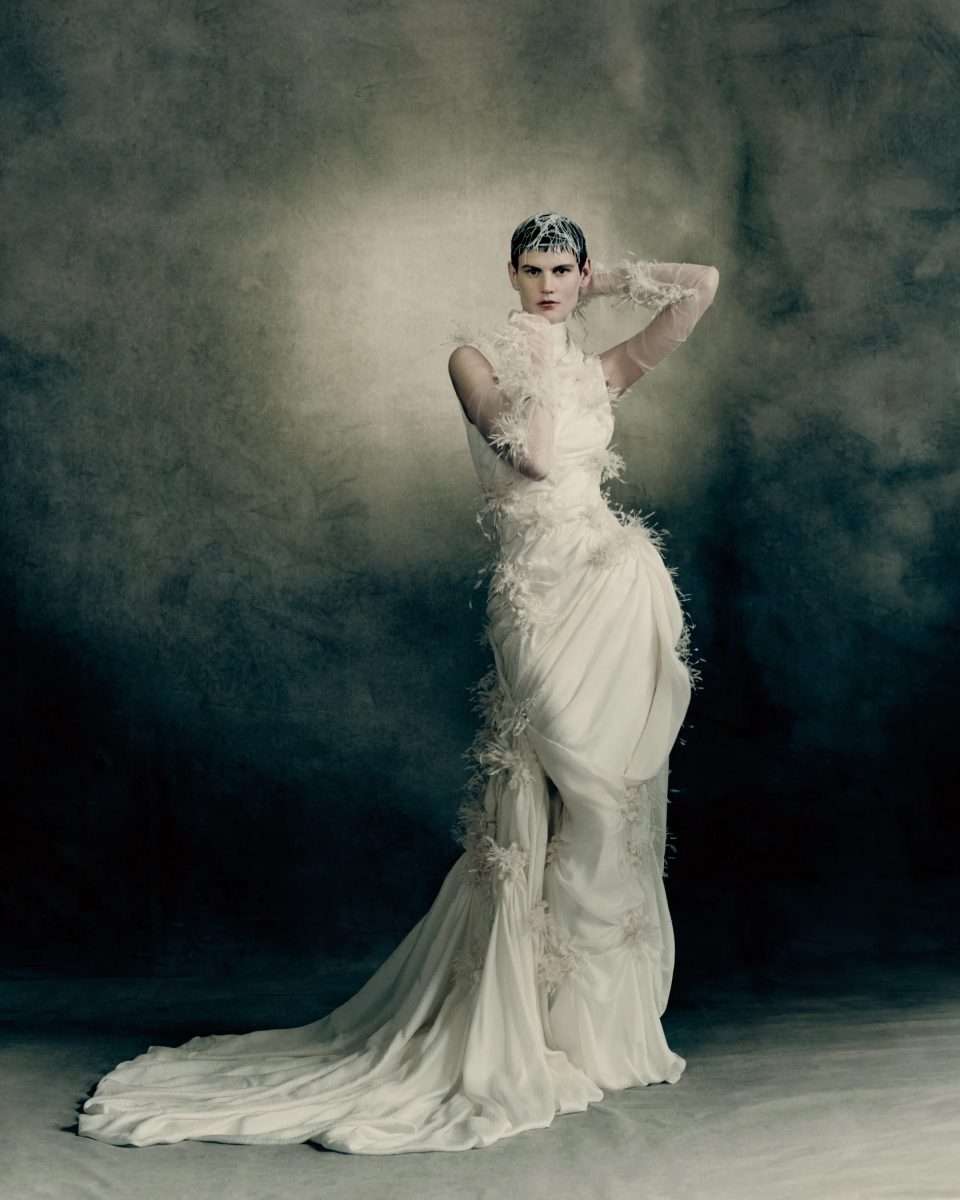
- Strengths: Modern, architectural silhouettes and highly innovative customization (hand-painting, unique hemlines).
- The Experience: Their team is highly collaborative, offering virtual consultations for international clients alongside in-person sessions in New York and Los Angeles.
Phillipa Lepley
A titan of London’s Chelsea district, Phillipa Lepley is synonymous with true, old-world couture.
- Strengths: Exceptional corsetry and internal structure. Her gowns are designed to provide a sculpted, timeless silhouette that is rare in the modern market.
- The Experience: A truly "single-designer" focus, ensuring that the integrity of the vision remains consistent from start to finish.
Ines Di Santo
For the bride seeking high-octane glamour, the Toronto-based house of Ines Di Santo delivers ornate, dramatic couture.
- Strengths: Intricate beadwork, luxurious laces, and a "red carpet" aesthetic.
- The Experience: While their designs are available through a global network of retailers, their flagship custom services allow for significant tailoring of their signature styles.
Anne Barge
Anne Barge provides an elegant, classic sensibility with an accessible price point for the couture-adjacent market.
- Strengths: Refined, romantic, and timeless designs.
- The Experience: With flagships in Atlanta and New York, they provide a structured, stress-free appointment process that is ideal for the bride who appreciates tradition.
Supporting Data: Managing Expectations and Logistics
The decision to go bespoke is not merely aesthetic; it is a logistical commitment. Industry data suggests that the average bespoke timeline spans between six and twelve months. This lead time is not arbitrary; it accounts for the sourcing of bespoke fabrics, the complex construction of the toile, and the necessary breathing room for hand-finishing.
Regarding budget, the cost of a bespoke gown is variable. Unlike retail, where pricing is fixed, bespoke pricing is a function of:
- Complexity of Design: Intricate draping or structural tailoring increases labor costs.
- Fabric Sourcing: Rare silks, French lace, or hand-beaded textiles carry significant premiums.
- The Atelier’s Reputation: Like all luxury services, you are paying for the expertise and the "name" of the house.
Pro-Tip: Always ask for a transparent breakdown of costs. Inquire specifically about the fees for design consultations, fabric sourcing, and the number of included fittings.
Official Perspectives: Advice from the Ateliers
We reached out to senior designers within the industry to understand what they value most in a client. The consensus is clear: Preparation is the antidote to anxiety.
"The most successful commissions happen when the bride arrives with an open mind but a firm grasp of her own personality," says one lead designer at a London-based atelier. "Do not bring a crowd of opinions to your appointments. Bring only those who support your vision. The process of creating a bespoke gown is an intimate one; it requires a singular focus on the bride’s comfort and confidence."
Designers also emphasize the importance of bringing "reference points." This does not necessarily mean pictures of other wedding dresses. Bringing photos of your favorite everyday garments—a jacket that fits perfectly, a silhouette you gravitate toward—is often more useful to a pattern-maker than a Pinterest board of disconnected trends.
Implications of the Bespoke Journey
Choosing a bespoke gown has profound implications for your wedding day and beyond.
Emotional Significance
There is a psychological weight to wearing a garment that was made for no one but you. It eliminates the "comparison trap" that often plagues brides who browse too many retail collections. When you have participated in the creation of your gown, you feel a deeper ownership over your look.
Sustainability
From an environmental perspective, bespoke is the most sustainable choice in bridal. It is a made-to-order process that generates minimal waste, as fabrics are cut specifically for your pattern, and no excess inventory is produced. You are investing in a high-quality garment designed for longevity rather than a disposable trend.
The Legacy Factor
A bespoke gown, particularly one constructed with couture techniques and high-quality natural fibers, is an heirloom. Because it is built to your exact measurements, it is a piece of history that carries your personal narrative, destined to be preserved and potentially cherished by future generations.
Final Considerations
Before you sign a contract, remember: this is a collaborative effort. Ask questions without hesitation. If a fitting feels "off," speak up immediately. A professional studio views these corrections not as a nuisance, but as essential steps toward the final, perfect result. By approaching the commission with patience, clear communication, and a respect for the craft, you ensure that your wedding dress is not just a purchase, but a cherished highlight of your wedding journey.