The Consumer Shift: Inside the Viral Economy of Internet-Approved Beauty and Self-Care Products

Main Facts
In the modern landscape of digital consumerism, social media platforms like TikTok and Instagram have fundamentally rewired how beauty, skincare, and self-care products gain market dominance. No longer reliant solely on traditional print advertisements or celebrity endorsements, the modern beauty economy is driven by peer-to-peer validation, viral transformation videos, and crowdsourced reviews.

A comprehensive look at thirty of the most talked-about, highly rated personal care items currently dominating digital marketplaces reveals a distinct consumer preference: shoppers are increasingly turning to affordable, high-performance alternatives—often termed "dupes"—that rival luxury price points. From viral oil cleansers and barrier-repair essences to targeted treatments for hair thinning and foot care, today’s buyers demand transparency, multi-functional efficacy, and tangible, visible results without exorbitant costs.

Chronology of a Viral Beauty Trend
The lifecycle of a viral beauty product typically follows a distinct, accelerated timeline in the digital age:

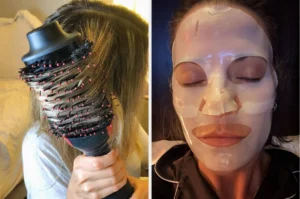
- Phase One: The Digital Discovery. A product gains traction via short-form video content, often showcasing an immediate, highly visual transformation—such as dead skin rolling away during exfoliation, blue lip masks peeling off to reveal a rich stain, or blackheads melting away during an oil cleanse.
- Phase Two: The Skepticism and Community Testing. As initial videos accumulate millions of views, a wave of consumer skepticism follows. Early adopters and beauty enthusiasts purchase the item independently, testing its claims against high-end luxury benchmarks.
- Phase Three: Mass Adoption and Outages. Positive reviews, user-generated "before-and-after" imagery, and endorsements create a surge in demand. Products frequently experience backorders or sell out entirely across major e-commerce platforms like Amazon and specialty retailers like Sephora.
- Phase Four: Staple Integration. The product transitions from a fleeting internet trend to a permanent fixture in everyday consumer routines, cementing its status through sustained reorders and organic word-of-mouth promotion.
Supporting Data and Market Analysis
The financial and behavioral metrics surrounding these viral products highlight a major shift in consumer spending habits toward value-driven efficacy:

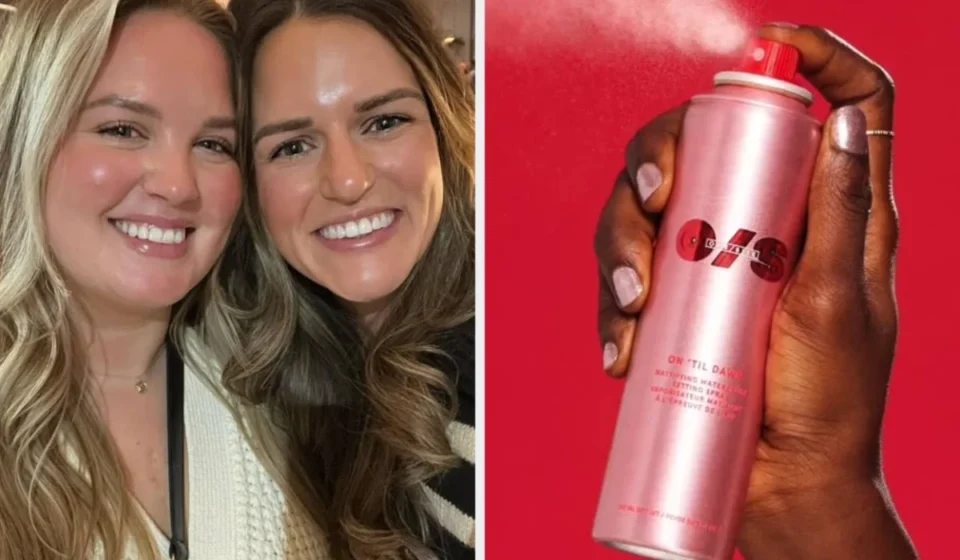
- Cost-Efficiency vs. Luxury: Consumers are actively replacing high-end staples with budget-friendly counterparts. For example, popular cleansing balms and dewy-finish hydration drops retailing between $11 and $12 are frequently cited by reviewers as direct, indistinguishable alternatives to luxury lines priced upwards of $35 to $55.
- Multi-Functional Formulations: Products offering multiple benefits—such as moisturizers integrated with SPF 30 protection, or color-correcting BB creams that neutralize redness while providing lightweight hydration—dominate consumer preference charts due to streamlined daily routines.
- Accessibility and Transparency: Platforms hosting verified customer reviews play an indispensable role. Items featuring clinical ingredients like hyaluronic acid, niacinamide, and salicylic acid at accessible price points under $25 consistently outperform unverified luxury alternatives in customer retention.
Official Responses and Expert Insights
Dermatological associations and industry experts have weighed in on the ingredients and methodologies driving these popular self-care regimens:
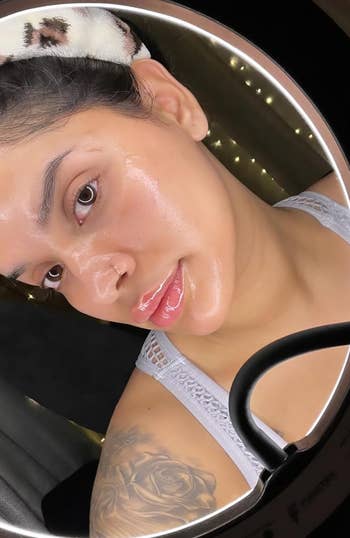
- Double Cleansing and Pore Care: Dermatological frameworks frequently endorse the double-cleansing method—starting with an oil-based cleanser to break down sebum and makeup, followed by a water-based cleanser—particularly for acne-prone or oily skin types, to ensure deep pore clarity without stripping the skin’s natural barrier.
- Sun Protection Standards: Health institutions, including the American Academy of Dermatology (AAD), emphasize the necessity of broad-spectrum sun protection, recommending daily use of at least SPF 30. Recent product innovations successfully combine these medical recommendations with cosmetic enhancements, avoiding the traditional white cast associated with mineral sunscreens.
- Targeted Treatments: Clinical studies and expert commentary regarding ingredients like biotin, rosemary oil, and chemical exfoliants (AHA/BHA) support their efficacy in promoting hair fullness, skin cell turnover, and texture refinement when used consistently over extended periods.
Implications for the Future of Retail
The sustained popularity of internet-vetted beauty products carries profound implications for the traditional retail and cosmetic industries:
- The Democratization of Luxury: High-performance skincare and makeup are no longer restricted by high price barriers. Indie brands and legacy drugstore labels are successfully leveraging digital marketing to compete directly with legacy luxury conglomerates.
- E-Commerce Dominance: Retailers must adapt to an environment where purchasing decisions are made in seconds based on video demonstrations rather than in-store consultations. Supply chain agility is now paramount to meet sudden, algorithm-driven surges in demand.
- The Evolution of Trust: Modern consumers place greater trust in peer reviews, unedited before-and-after imagery, and transparent ingredient lists than in traditional corporate marketing. As a result, brands that prioritize authentic formulation and value will continue to shape the future of personal care.