The Digital Exodus: Why Users Are Trading Big Tech for Niche Social Networks

For nearly two decades, the social media landscape has been defined by the "Big Tech" monoliths. Meta’s sprawling ecosystem—Facebook, Instagram, and WhatsApp—alongside Google’s YouTube, Snapchat, TikTok, and X, have functioned as the town squares of the internet. These platforms operate on a model of infinite growth, algorithmic addiction, and broad-spectrum data collection.
However, a profound shift is currently underway. A burgeoning generation of internet users, particularly Gen Z, is increasingly wary of the "infinite scroll" and the performative pressures of established platforms. In response, a wave of nimble, purpose-built startups is emerging. These platforms aren’t trying to be "everything for everyone"; instead, they are carving out intimate, interest-based, and highly curated spaces designed to foster genuine connection rather than engagement-based rage.

The Chronology of the Shift: From Public Squares to Private Rooms
The trajectory of social media began with the "connected era," where the primary goal was to find everyone you’ve ever met in one place. As these networks aged, they became cluttered with advertisements, AI-generated "slop," and impersonal content feeds.
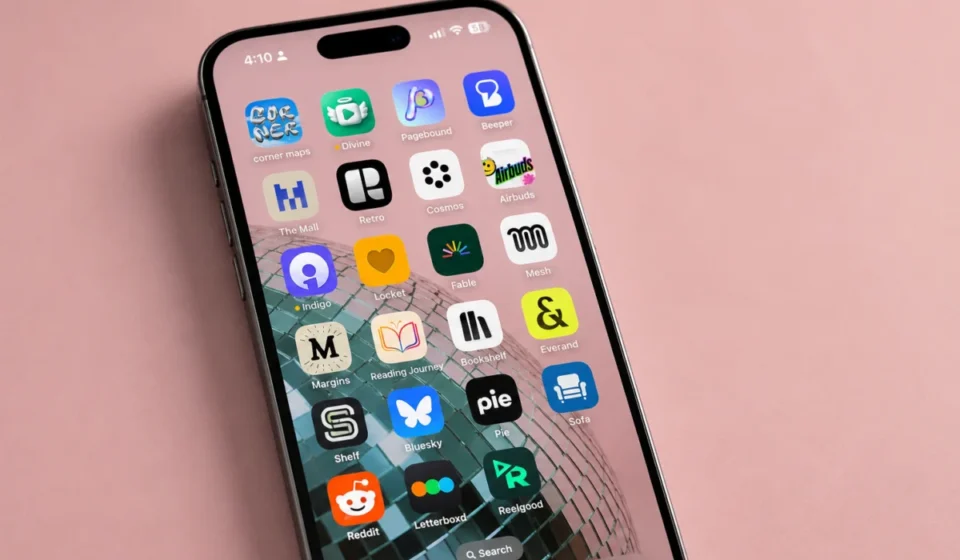
By the mid-2020s, the fatigue became palpable. Users began to look for ways to extricate themselves from the grip of traditional platforms. The rise of this "new wave" of social apps—Retro, Cosmos, Indigo, and others—marks a pivot toward "digital gardening." In this model, users curate their interests and friendships like a garden, focusing on quality, privacy, and personal utility rather than the pursuit of viral reach.
This movement is supported by a growing infrastructure of independent developers, often backed by non-profit entities or boutique venture firms, who are prioritizing open protocols and user-centric design over the ad-supported models that have dominated since the early 2010s.
The New Guard: A Closer Look at Emerging Alternatives
The following platforms represent the vanguard of this decentralized, intentional social movement. Each addresses a specific "pain point" of the Big Tech era, from the loss of authentic short-form video to the overwhelming nature of discovery engines like Pinterest.

Retro: The Anti-Clout Photo Journal
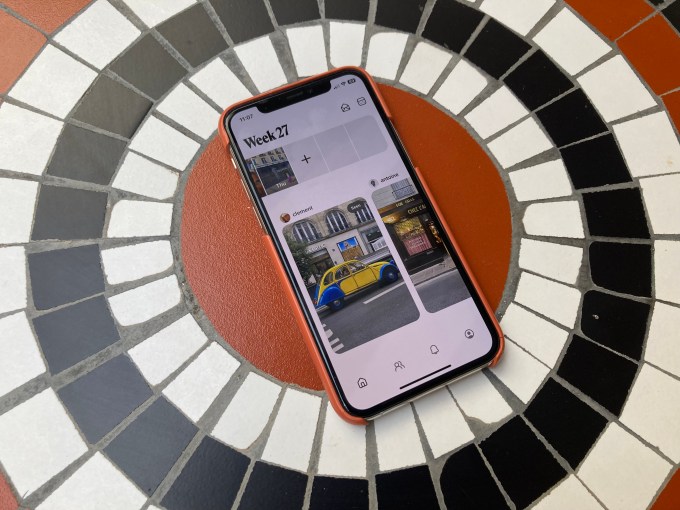
Created by former Instagram insiders Nathan Sharp and Ryan Olson, Retro is a masterclass in intentional design. It strips away the metrics of success—likes and follower counts—and replaces them with collaborative journals. The app encourages users to reconnect with their own memories, allowing for a "time travel" experience through their camera rolls. Privacy is built-in by default, giving users granular control over who sees their photos, effectively creating a "digital living room" for friends and family.
Cosmos: Curation Over Consumption
For the creative professional tired of the algorithm-driven clutter on Pinterest, Cosmos offers a refined alternative. It is marketed as a "space for inspiration." Unlike platforms that feed you content to keep you scrolling, Cosmos asks the user to lead. By searching for inspiration via color, keyword, or specific imagery, users build collections that reflect their genuine taste. It bridges the gap between a social network and a high-end mood board, occasionally serving as a commerce hub for products that align with the user’s aesthetic.

Indigo: The Bridge to the Open Web
One of the greatest barriers to leaving platforms like X is the fragmentation of the decentralized web. Should one join Mastodon? Bluesky? Indigo solves this by acting as a unified interface. By allowing users to participate in both networks simultaneously—complete with a single composer for cross-posting and a unified timeline—Indigo lowers the technical barrier to entry for the decentralized internet. It is a testament to the fact that users want to participate in open protocols, provided the interface is as polished as the apps they are trying to replace.
Corner: Redefining Local Discovery
Corner bills itself as "Google Maps, but social," and it is perhaps the most accurate description of a modern startup. With over 125,000 users, it avoids the "big business" feel of Yelp or Google Reviews. Instead, it relies on community-curated lists. Whether it’s finding the best queer nightlife, hidden jazz spots, or independent bookstores, Corner allows users to "gatekeep" or share their findings. It is a social map designed for a generation that values peer recommendations over corporate-verified ratings.

Divine: The Resurrection of the Short-Form Classic
The shutdown of Vine in 2016 remains a sore spot for internet culture. Divine, a project backed by Jack Dorsey’s nonprofit "and Other Stuff," seeks to reclaim that magic. By importing the original Vine archive and empowering the creators who defined that era, Divine is a nostalgic yet functional home for six-second storytelling. It is an exercise in preserving the history of social media while offering a space for the next generation of short-form creators to exist outside the shadow of TikTok’s massive, often oppressive, algorithmic weight.
Mesh: The Personal CRM
While not a traditional social network, Mesh (formerly known as Clay) is a vital tool for modern networking. Acquired by Automattic in 2025, it acts as a "personal CRM" that monitors the professional pulses of your network. It tracks career moves, publications, and bio changes, allowing you to reach out at the right time. By integrating with tools like Beeper, it turns networking from a frantic, reactive process into a thoughtful, intentional practice of relationship maintenance.

Fable and Shelf: The New Bibliophiles
The "Goodreads" model of book tracking has long felt stagnant. Fable has recently pivoted to a bundled service model with Everand, providing access to over 1.5 million ebooks and audiobooks while maintaining the social fabric of virtual book clubs. Similarly, Shelf allows users to organize their entire cultural consumption—music, movies, books—into a private, personal database that can be shared with friends. These apps move away from the "clout" model, focusing instead on the joy of discovery and the documentation of one’s own intellectual journey.
Locket and Airbuds: Socializing the Home Screen
Locket and Airbuds both leverage the "widget" as a social interface. Locket brings friends directly to your home screen through live photo updates, while Airbuds treats music streaming as a social activity. Apple and Spotify have largely failed to make music "social" in a meaningful way; Airbuds succeeds by allowing friends to react to songs, compare tastes, and even "roast" each other’s music choices, turning passive consumption into active community engagement.

The Mall: Fashion as a Community
The Mall is a new entrant that attempts to make e-commerce a social experience. Rather than a solitary shopping spree, it offers a feed of brand releases and fashion drops. You can follow your friends’ collections, see what they are buying, and gain inspiration from their style. It is a curated, social storefront that treats personal style as a shared interest.
Supporting Data: The Shift in User Sentiment
Market data suggests that while the "Big Tech" giants still hold the majority of daily active users, the growth rate for these niche platforms is outpacing legacy incumbents among the 18–24 demographic. According to recent industry surveys, nearly 40% of Gen Z users have reported "social media fatigue," with a majority stating they prefer smaller, invite-only, or interest-specific communities over the "open-for-all" nature of platforms like X or Facebook.

The willingness to pay for premium versions of these apps—or to accept different value propositions—suggests that users are moving from being "the product" to being "the customer." This shift is fundamental. When a user pays for a subscription to a platform like Fable or uses a privacy-focused tool like Retro, they are demanding a higher standard of experience, one that is free from the constant intrusion of invasive advertising.
Official Responses and Industry Implications
The leaders of these startups are vocal about their mission. Whether it is Evan Henshaw-Plath on Divine or the team at Automattic overseeing Mesh, the messaging is consistent: the era of the "all-consuming" platform is ending.

The implications for Big Tech are significant. As these niche networks continue to pull away the "power users"—the trendsetters, the creators, and the tastemakers—the value of the remaining audience on platforms like Instagram and X diminishes. If you lose the people who define the culture, the platform loses its cultural relevance.
Furthermore, the focus on interoperability (as seen with Indigo) and open protocols suggests that the future of social media may be a "federated" one. Instead of one massive app, we may move toward a ecosystem of small, interconnected tools that allow users to own their data and move their identities between spaces.

Conclusion: The Future is Small
The rise of these startups is a clear signal that the internet is "re-decentralizing." Users are no longer content to be mere data points in a massive, opaque algorithm. They want ownership, intimacy, and utility.
While the "Big Tech" players are not going anywhere in the immediate future, their monopoly on our attention is fraying. By choosing to download apps like Retro, Cosmos, or Airbuds, users are participating in a quiet rebellion. They are building a digital world that is smaller, slower, and, ultimately, much more human. The wealth of choices available today proves that we are no longer limited to the squares designed by the titans of Silicon Valley; we now have the tools to build our own.

Disclaimer: Some of the links in this article may be affiliate links. If you make a purchase through these links, we may earn a small commission, which helps support our independent reporting.