
The history of video games is often reductively framed as a linear march toward technological inevitability. In this narrative, the industry is seen as a constant pursuit of high-fidelity 3D assets, ray tracing, and photorealistic environments, with 2D art relegated to the realm of "nostalgia." However, for Adam Vian and his studio, SFB Games, 2D art is not a historical artifact but a living, breathing discipline that evolves alongside the artist’s own developing tastes, influences, and technical capabilities.
With the release of The Mermaid Mask, the fourth installment in the long-running Detective Grimoire series, Vian invites us to reconsider the potential of hand-drawn aesthetics in the modern era. From his humble origins in the early 2000s Flash game scene to working with industry titans like Nintendo and Apple, Vian’s career is a testament to the idea that artistic maturity is found in iterative refinement, not just technological scaling.
A Legacy Born in Flash: The Early Years
The story of SFB Games begins not in a high-end development studio, but in the browser-based world of Newgrounds. In the early 2000s, Adam Vian and his brother, Tom, were teenagers experimenting with Adobe Flash. It was a digital "Wild West" defined by accessibility; creators could upload games in a week, using copyrighted characters and music without the modern burden of strict copyright detection.
"It was a blissful existence," Vian recalls. "You could make a game quickly, throw it online immediately, and start getting feedback that second. I think that was an amazing accelerant for us. They say everyone has a thousand bad drawings in them and you have to get them out of the way before you can do a good drawing. For us, it was like everyone has a hundred bad games in them, and we did them really quickly."
Their first notable success, Kirby’s Star Scramble, was born of simplicity. Kirby was easy to draw, and the format allowed for rapid-fire development. Tom handled the programming while Adam focused on the art and animation, establishing a sibling dynamic that would become the foundation of SFB Games.
The Birth and Evolution of Detective Grimoire
The Detective Grimoire series emerged from this prolific period of experimentation. Heavily inspired by the narrative-driven, quirky charm of Capcom’s Ace Attorney series and the point-and-click classics like Monkey Island, the brothers sought to create a mystery game that was funny, accessible, and character-driven.
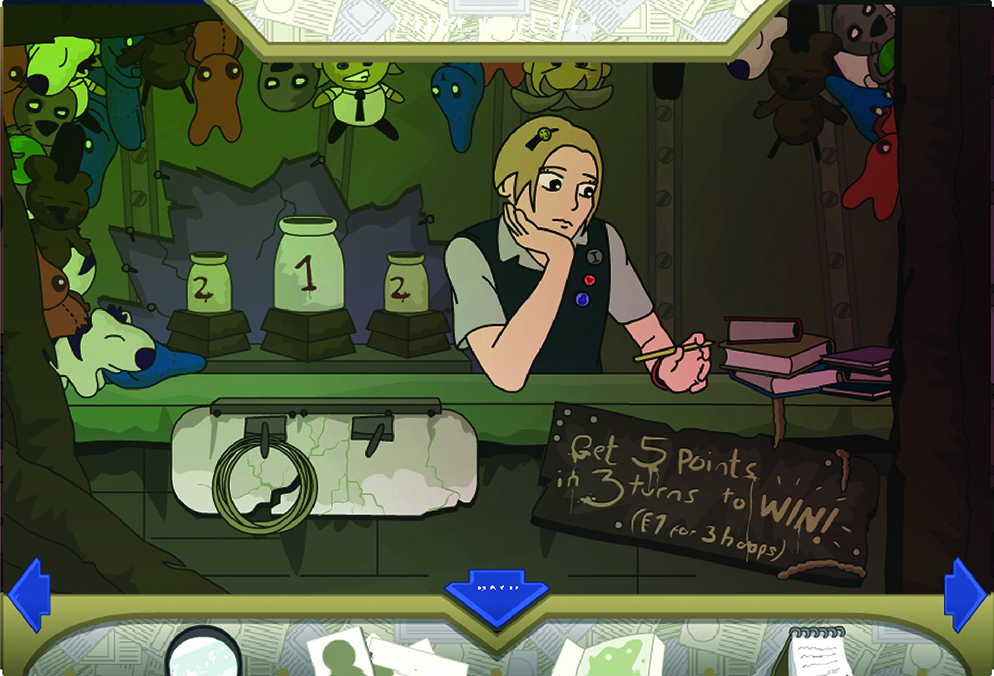
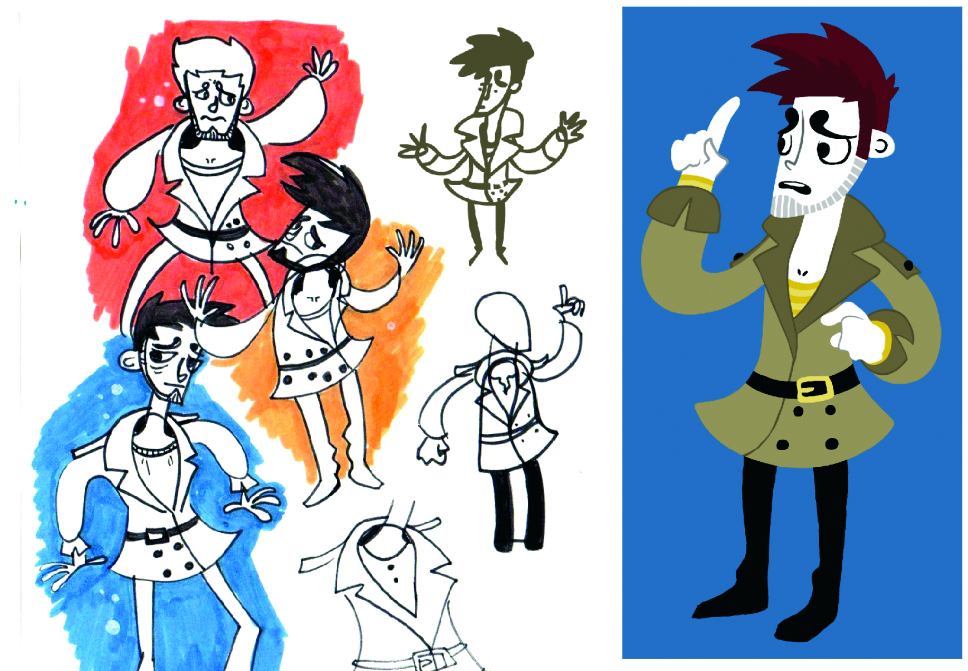
"I was probably 17 when we started," Vian explains. "I wasn’t very creative or pushing boundaries. The detective was just a guy in a brown trenchcoat with brown hair—the go-to protagonist."
However, as Vian transitioned from a teenager making web games to an art student at the University for the Creative Arts, his visual vocabulary began to expand. He met Catherine Unger, a pivotal creative partner whose influence on the Grimoire series cannot be overstated. Unger became a constant sounding board for Vian, providing a collaborative environment where ideas were "bashed out" daily.
The Shift Toward Stylization
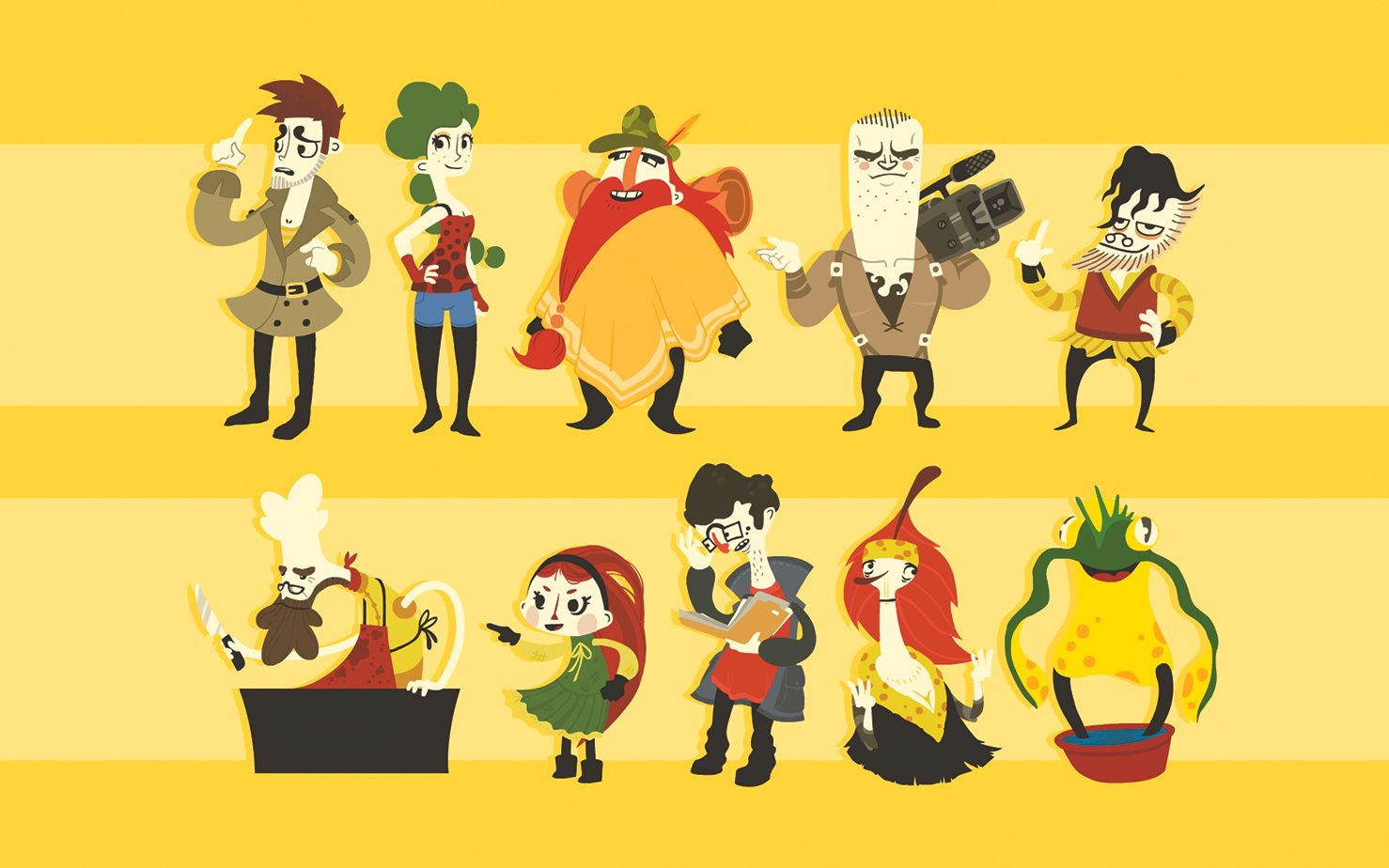
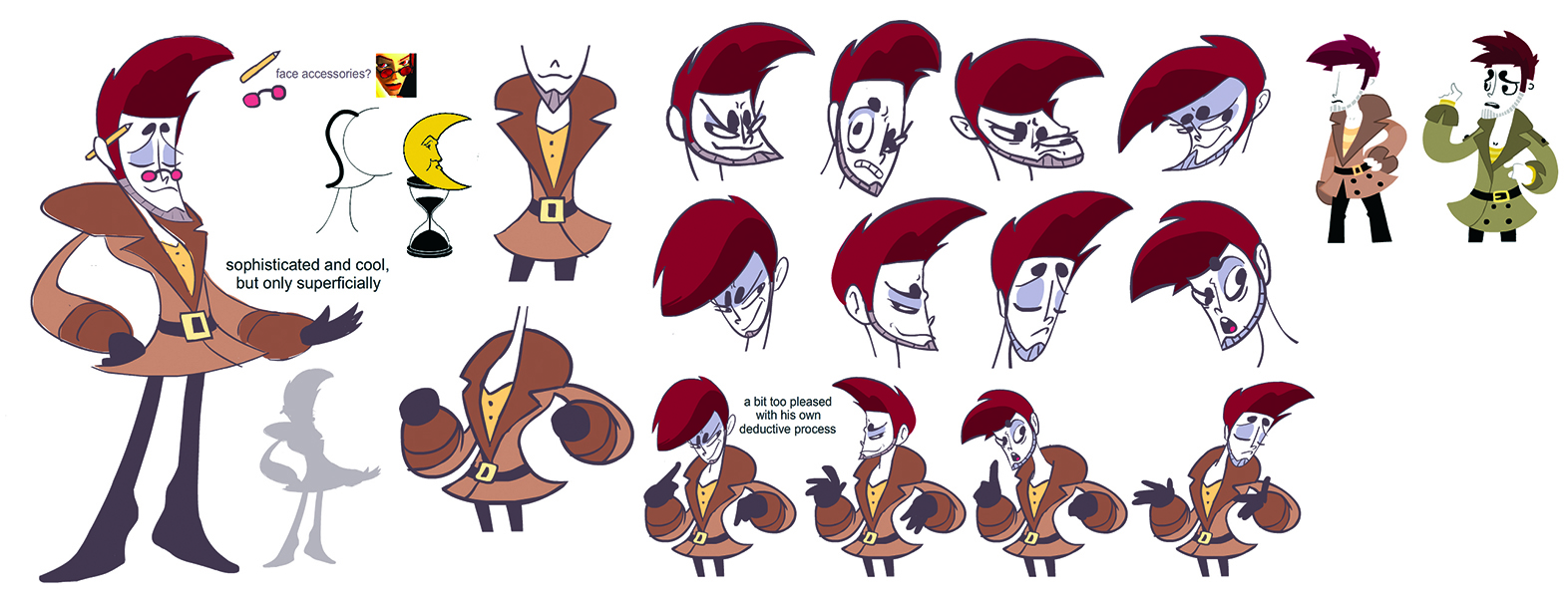
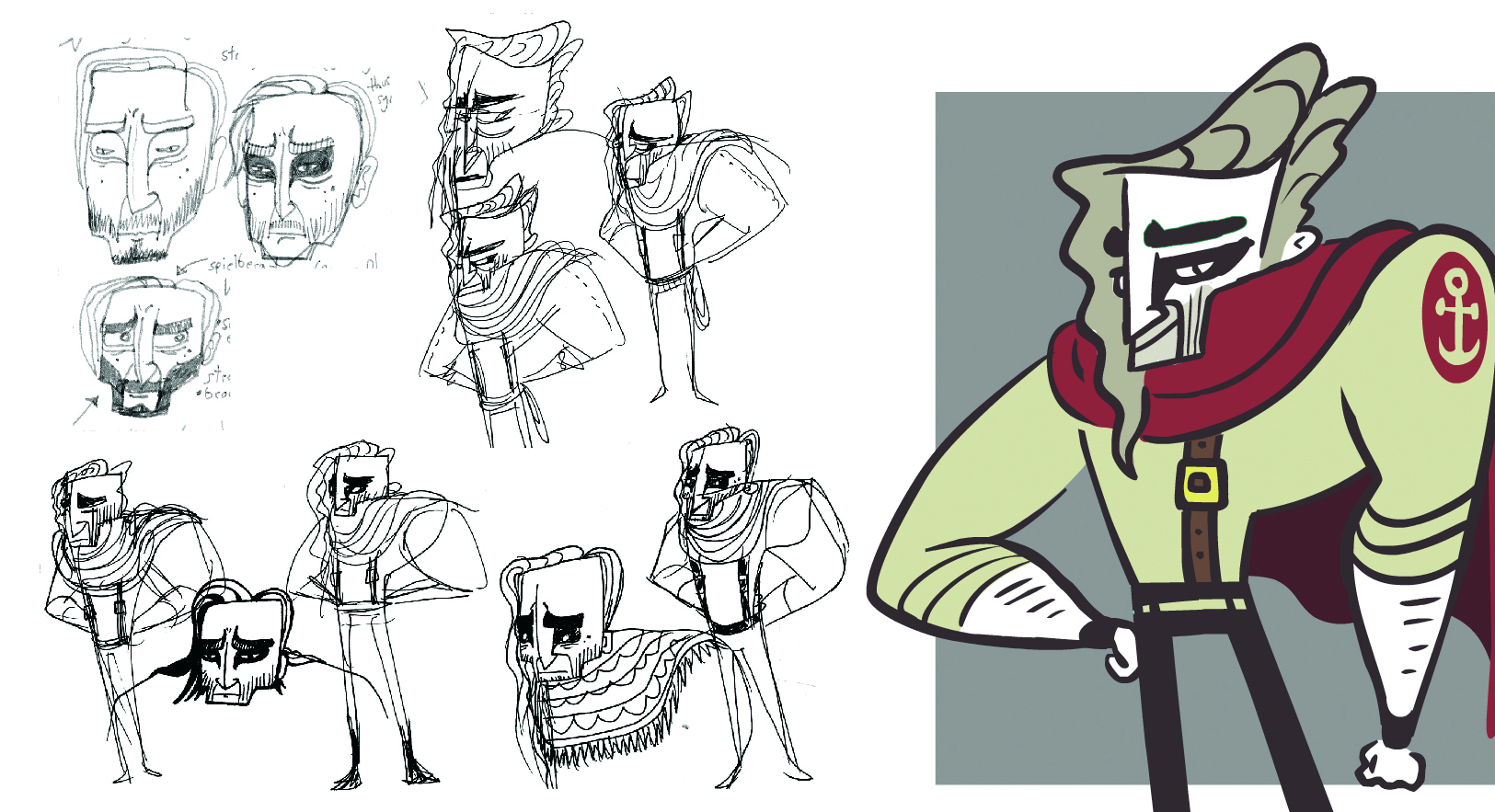
As the series progressed, the aesthetic underwent a dramatic transformation. For Secret of the Swamp, Vian consciously moved toward a more stylized look. Influenced by the unfinished masterpiece The Thief and the Cobbler and the bold, shape-focused design philosophy of Genndy Tartakovsky (Samurai Jack), Vian began emphasizing character silhouettes.
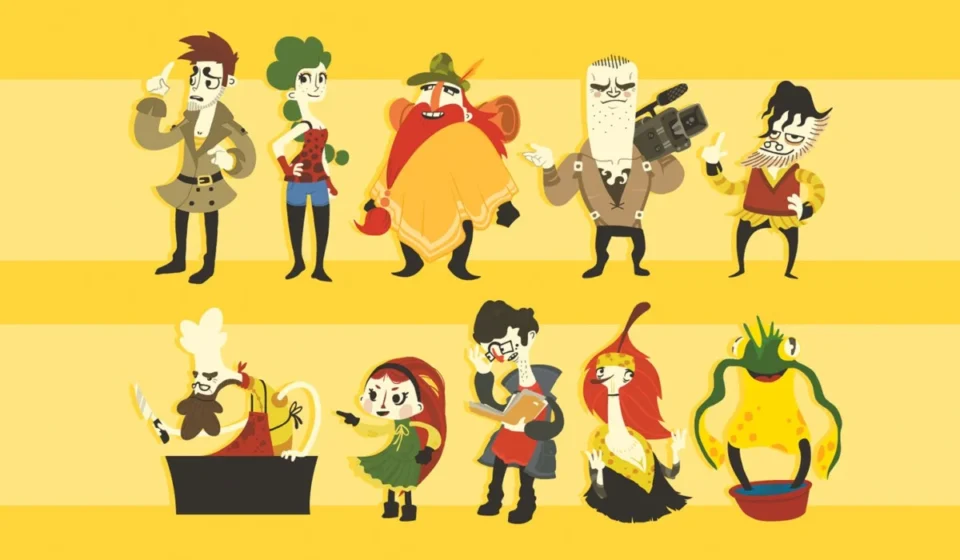
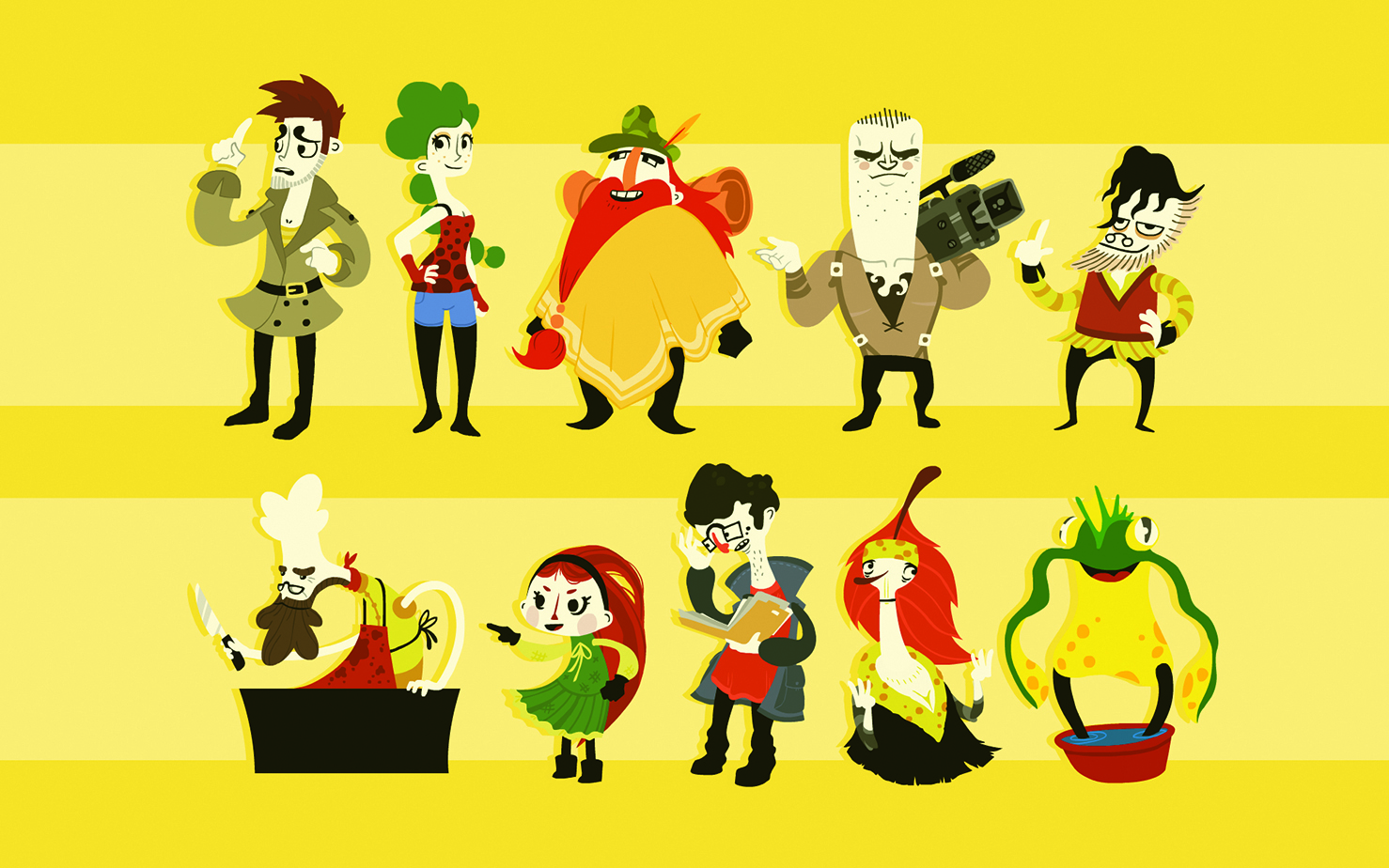
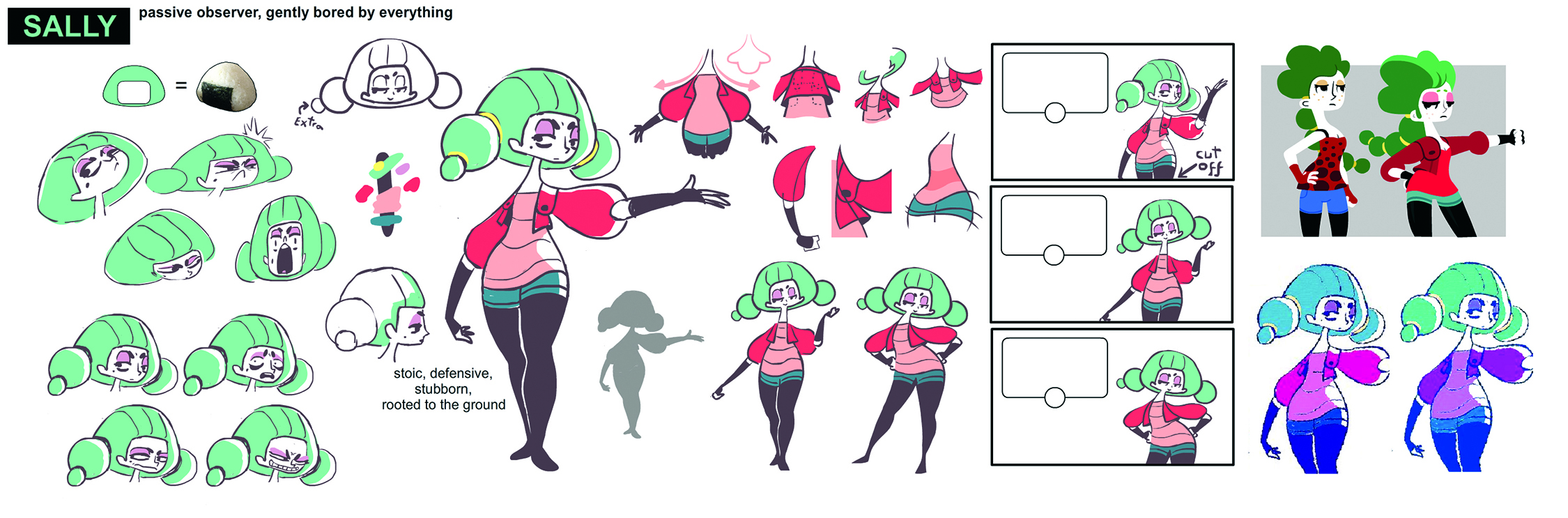
"A good shape is good character design," Vian notes. This led to the iconic, elongated, and highly expressive character models that define the current era of the franchise. By the time Tangle Tower entered development, Vian and Unger had matured further, softening the edges of their characters and introducing a "blobby," more vibrant, and cohesive visual language.
Collaborative Process: The Architecture of a Mystery
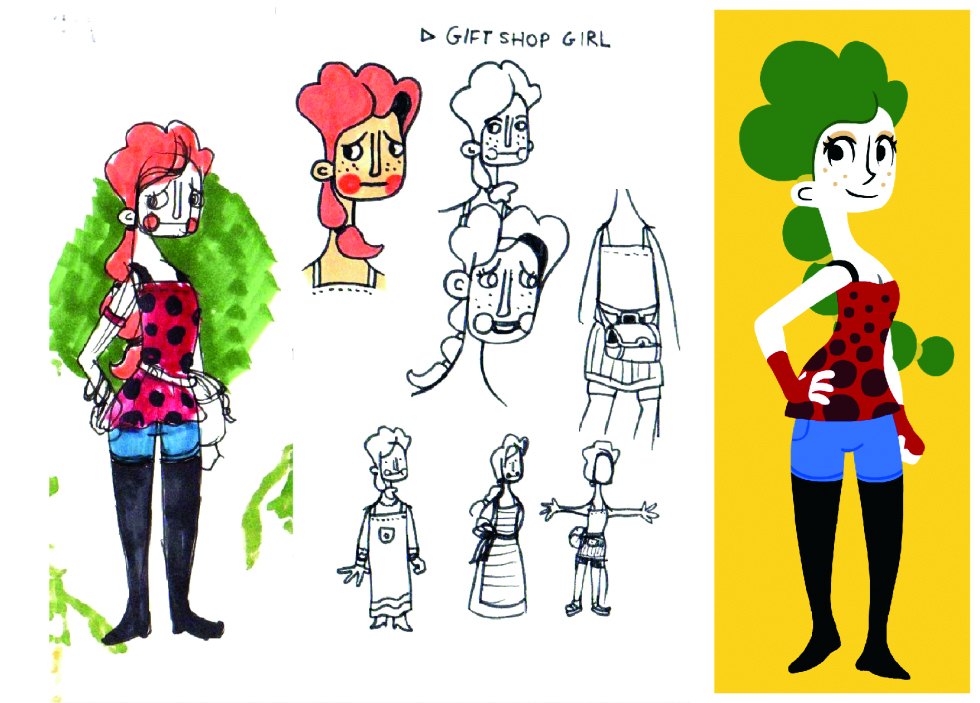
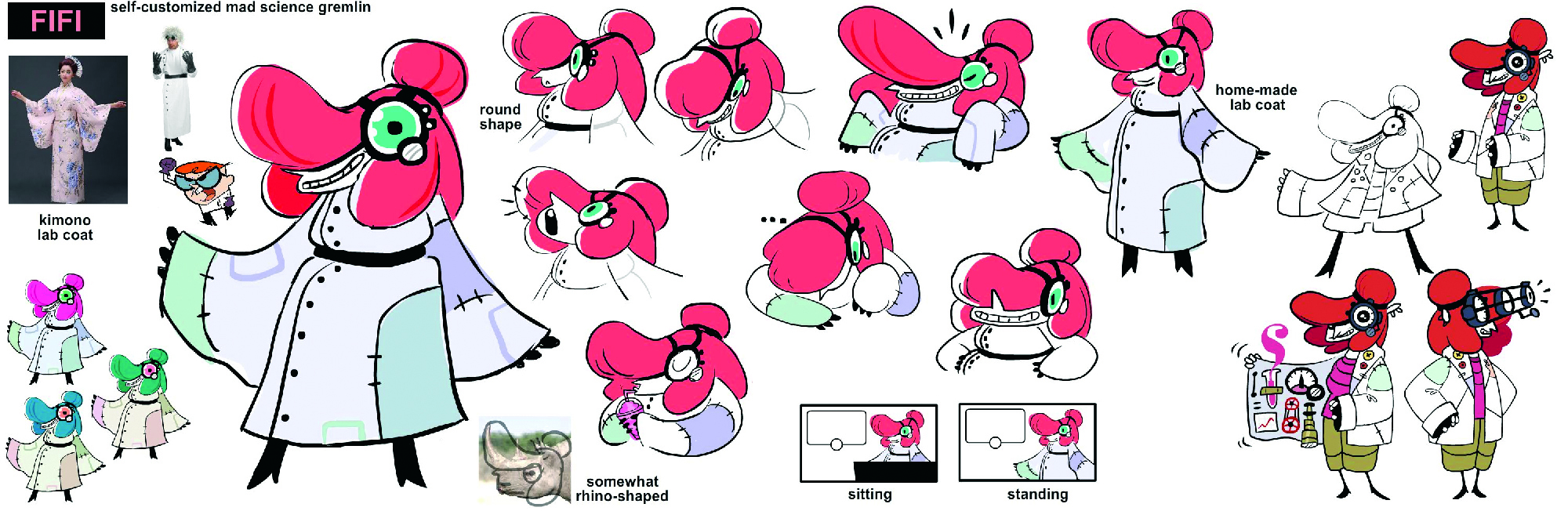
The production of a Detective Grimoire game is a masterclass in long-term pre-production. Unlike studios that prioritize asset generation from day one, SFB Games spends months in a design phase, iterating on world-building, clue mechanics, and character personality.
The collaboration process is intentionally disruptive. To prevent groupthink, Vian and Unger often work independently on character concepts, refusing to share their progress until a first draft is completed. Only then do they compare, contrast, and synthesize their ideas. This cycle repeats, with animator Charlotte Harris later joining the fray to stress-test these designs, ensuring they can convey a full range of emotion and motion—from the way a character blinks to their specific, idiosyncratic body language.
Bridging the Gap: Introducing 3D
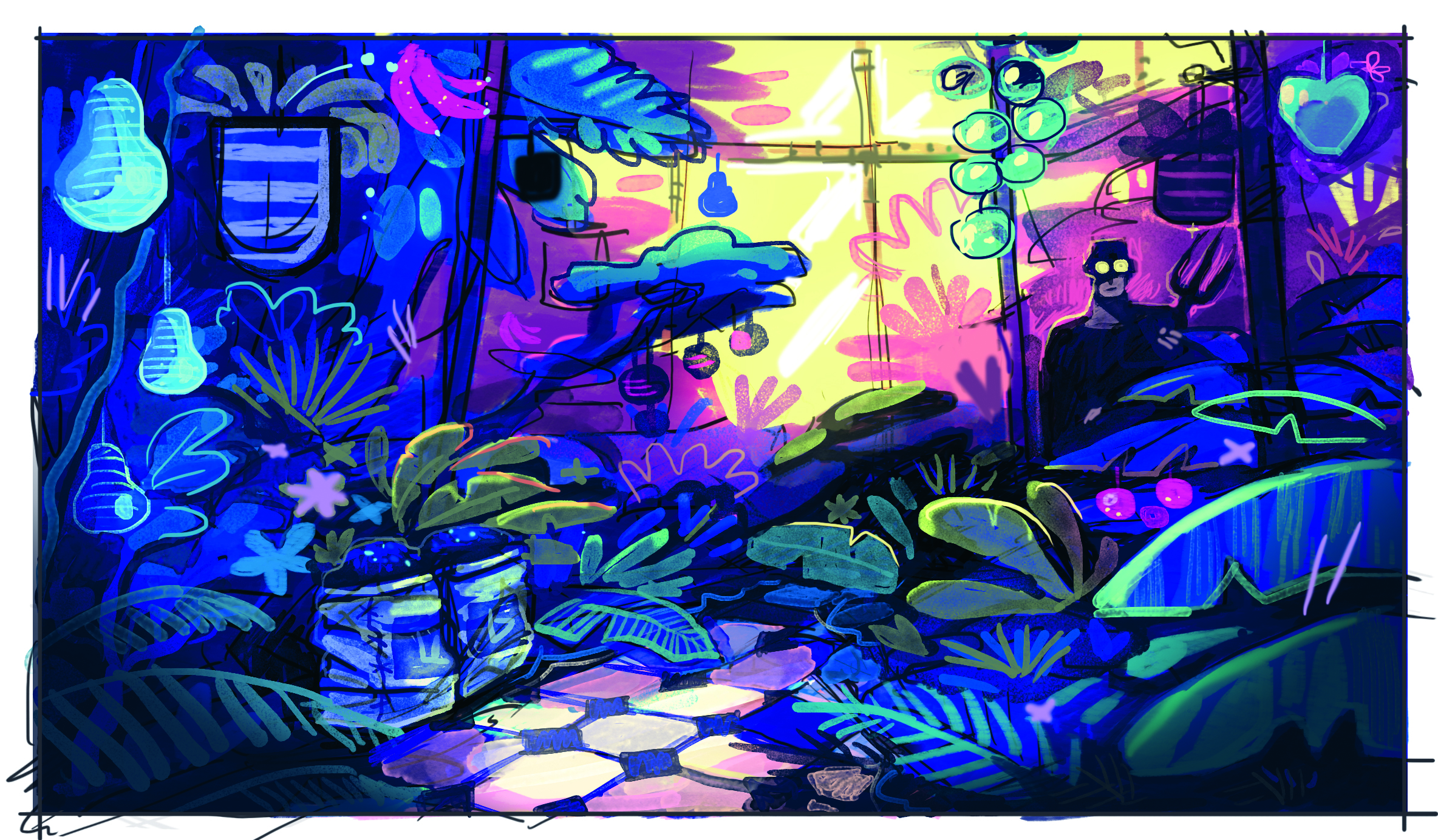
With The Mermaid Mask, SFB Games faced a new challenge: integrating 3D elements without sacrificing the hand-drawn "soul" of the series. The spark for this innovation came from fans who had created 3D interpretations of Catherine Unger’s paintings.
Recognizing an opportunity to make the gameplay more tactile, Vian brought 3D artist Kindra Dantone onto the team. The goal was to make clues more than just static images. In Tangle Tower, a clue was a single drawing; in The Mermaid Mask, a clue is a 3D object that the player can inspect, rotate, and open.
To maintain the series’ signature look, the team developed a "tech art" solution: a dynamic, programmatic outline that wraps around the 3D models. When combined with a brushstroke-mimicking "wobble" effect, the 3D models seamlessly match the 2D background environments, successfully tricking the eye into seeing a cohesive, hand-painted world.
The Value of Finishing: Advice for Aspiring Developers
For artists looking to break into the industry, Vian’s advice is rooted in his own experience: avoid the "Magnum Opus Trap."
"The best thing you can do to gain experience is to actually finish a project," he says. "The worst mistake is making your magnum opus too early and never finishing it. There are lots of people who have grand ideas—like making an open-world RPG—and it never gets made because they didn’t have the skills, then they become frustrated and disappointed."
Vian advocates for small, manageable projects—the kind of work that can be released on platforms like itch.io. The act of "shipping"—getting a game ready for the public, receiving feedback, and moving on—is the most important lesson a developer can learn. It is through these hundreds of small, completed projects that the foundational skills are built, allowing for the eventual creation of a more ambitious, cohesive, and artistically realized world.
Implications for the Future of 2D
The evolution of Detective Grimoire proves that 2D art is not a static medium. By embracing the flexibility of modern game engines and combining them with traditional artistic sensibilities, SFB Games has created a visual language that feels timeless.
As The Mermaid Mask launches on PC, PlayStation 5, and the Nintendo Switch, it serves as a timely reminder that the industry’s obsession with graphical fidelity is only one path to success. There is an enduring power in a well-designed shape, a thoughtful color palette, and a, frankly, "goofy" detective who has spent twenty years growing up alongside his creators.
For SFB Games, the future isn’t about reaching the pinnacle of realism; it’s about continuing to refine a signature style that feels just as fresh in 2024 as it did in the days of early Flash animation. In a crowded market, their success proves that clarity, collaboration, and the willingness to iterate are the true drivers of artistic longevity.