The Evolution of Convenience: How Sprint Mart is Redefining the Retail Landscape

In the rapidly shifting world of convenience retail, stagnation is the silent killer of market relevance. As consumer expectations evolve—moving away from the "gas-and-go" model toward a sophisticated, food-forward experience—Ridgeland, Mississippi-based Sprint Mart is positioning itself as a formidable regional powerhouse. By balancing aggressive acquisition strategies with the surgical modernization of its existing assets, the company is crafting a blueprint for sustainable growth in the 21st century.
The Strategic Blueprint: Growth Through Precision
Sprint Mart’s expansion strategy is not a product of reckless ambition but of calculated, methodical execution. While many national chains are betting on massive, high-risk mergers, Sprint Mart has opted for a "small-bolt-on" acquisition strategy. By absorbing smaller, high-performing independent sites, the chain has been able to expand its footprint without overextending its operational bandwidth.
However, the company’s growth is not merely numerical. It is qualitative. The management team at Sprint Mart recognizes that a store is only as good as its relevance to the local community. Consequently, they have embarked on a comprehensive program to refresh legacy sites, ensuring that the customer experience is consistent across their entire portfolio, whether the location was built in 1995 or 2024.
Chronology of Transformation: From Legacy to Modernity
The journey of Sprint Mart’s current expansion phase can be categorized into three distinct operational waves:
Phase I: The Foundation (2015–2019)
During this period, Sprint Mart focused on stabilizing its core operations and identifying the specific needs of the Mississippi market. The company prioritized supply chain efficiency and the initial rollout of its proprietary fuel brand. By controlling its fuel supply, the chain gained a competitive edge in pricing, allowing it to drive traffic to its stores during periods of regional market volatility.
Phase II: The Foodservice Pivot (2020–2022)
Recognizing that fuel margins are inherently cyclical, Sprint Mart shifted its focus toward high-margin foodservice. This period saw the formal development of the Chix and Sprintzoni brands. By creating proprietary programs rather than relying on third-party quick-service restaurant (QSR) partnerships, the company regained control over its brand identity and profit margins.
Phase III: The Modernization Wave (2023–Present)
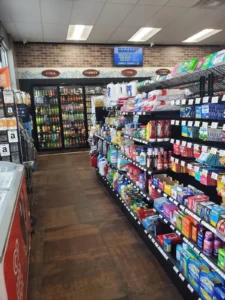
Currently, Sprint Mart is in the midst of a "raze-and-rebuild" initiative. Older sites that no longer meet the physical or functional requirements of modern retail are being demolished to make way for larger, state-of-the-art facilities. These new builds are designed with high ceilings, optimized floor plans, and digital-first checkout systems, signaling a clear departure from the traditional, cramped convenience store aesthetic.
Supporting Data: Why the Model Works
Industry analysts have long noted that the convenience retail sector is undergoing a "premiumization" phase. According to recent market reports, stores that integrate fresh food and technology-driven loyalty programs see, on average, a 15% increase in basket size compared to those that do not.
Sprint Mart’s focus on the following metrics illustrates their data-driven approach:
- Customer Loyalty Integration: By extending specific benefits to professional drivers, Sprint Mart has secured a consistent "anchor" demographic. Professional drivers represent high-frequency visits and predictable fuel consumption, providing a reliable baseline for store revenue.
- Operational Efficiency: The rollout of self-checkout kiosks is not merely a labor-saving measure; it is a response to changing consumer behavior. Younger demographics, in particular, prioritize speed of transaction above almost all other variables in a convenience store setting.
- Proprietary Fuel Expansion: By branding its own fuel, Sprint Mart reduces its dependence on the volatility of major oil company pricing contracts. This allows for more creative promotional pricing, such as loyalty-linked discounts that incentivize customers to fuel up at Sprint Mart exclusively.
The Foodservice Revolution: Chix and Sprintzoni
At the heart of the Sprint Mart turnaround are its proprietary culinary brands: Chix and Sprintzoni. In a market saturated with generic grab-and-go options, Sprint Mart has identified a demand for fresh, recognizable, and high-quality food.
- Chix: This program focuses on high-quality fried chicken and comfort sides. By positioning itself as a legitimate alternative to national QSRs, Chix leverages the strong regional demand for high-quality poultry-based meals.
- Sprintzoni: This concept brings fresh-made pizza to the fore. In the convenience sector, pizza has proven to be one of the most profitable categories due to its high perceived value and portability.
By keeping these programs in-house, Sprint Mart ensures that quality control remains centralized, allowing them to iterate on menus based on real-time feedback from store managers and customers.
Official Responses and Strategic Outlook
While Sprint Mart maintains a low-profile corporate presence, industry insiders and regional stakeholders have praised the company’s commitment to community development.
In a recent internal communication, a senior representative noted, "Our growth is dictated by the needs of our customers. Whether it is adding a self-checkout lane to reduce morning rush wait times or expanding our footprint in underserved rural markets, every decision is made with the objective of making the customer’s day easier. We are not just building stores; we are building destinations."
The company’s executive leadership has signaled that they intend to continue their "raze-and-rebuild" strategy for the foreseeable future. This suggests a long-term commitment to capital investment rather than a "flip-and-sell" mentality common in some parts of the retail sector.
Implications: The Future of the Convenience Store
The path Sprint Mart is carving offers several implications for the future of the American convenience store:
1. The Death of the Small-Format Convenience Store
As Sprint Mart moves toward larger footprints, it highlights a broader industry trend: the small, 1,000-square-foot box is becoming obsolete. Modern customers require space for foodservice, healthy snack options, and digital interfaces. Stores that cannot accommodate these features are increasingly struggling to survive.
2. The Rise of "Private Label" Dominance
By betting on Chix and Sprintzoni, Sprint Mart is essentially acting as a miniature food manufacturer. This trend of "retail-as-a-restaurant" is expected to become the industry standard. Stores that fail to develop proprietary, high-quality food programs will find themselves competing solely on price, which is a race to the bottom.
3. Technology as a Barrier to Entry
The integration of loyalty programs, digital kiosks, and sophisticated supply chain management software creates a high barrier to entry. Smaller independent operators may find it increasingly difficult to compete with the "tech-enabled" convenience of chains like Sprint Mart. This will likely lead to further industry consolidation, with companies like Sprint Mart poised to be the primary beneficiaries.
4. Professional Drivers as the New Retail Anchor
By tailoring loyalty benefits to professional drivers, Sprint Mart has effectively secured a B2B revenue stream within a B2C business model. This symbiotic relationship ensures that their fueling islands remain busy, which in turn creates a consistent flow of foot traffic into the store, maximizing the potential for impulse food and beverage sales.
Conclusion: A Model for Regional Success
Sprint Mart’s trajectory serves as a masterclass in regional retail management. By avoiding the pitfalls of over-leveraged expansion and focusing instead on the tangible, high-value components of the customer experience—namely, fresh food, modern design, and technological convenience—they have insulated themselves against the challenges facing the broader retail sector.
As the company continues to refine its footprint across the Mississippi region, its success will likely continue to draw attention from industry observers. In an era where "convenience" is a term often applied to digital apps and doorstep delivery, Sprint Mart is proving that physical retail still has a vital, profitable, and growing role to play in the daily lives of consumers. By staying true to a strategy of methodical growth and innovation, they have ensured that the Sprint Mart brand remains not just a stop along the road, but a cornerstone of the communities they serve.