

The Evolution of Corporate Rewards: Why Luxury Is No Longer Enough in Incentive Travel

SAN FRANCISCO / MINNEAPOLIS — In the high-stakes world of corporate sales and executive management, the traditional reward trip has undergone a radical transformation. Gone are the days when a generic five-star resort stay, a standard room upgrade, and a sunset cocktail reception were enough to motivate a company’s top-performing talent. Today, as high achievers travel more independently and experience luxury with greater frequency, corporate event planners face a daunting mandate: deliver an unforgettable, deeply personalized experience that winners could not possibly book for themselves.
This shifting landscape of corporate motivation is the focus of How to Run Your Best Event, Ever, an ongoing content series by EventMobi. Each month, the series examines a master practitioner within a specific event domain—ranging from massive trade shows to high-level corporate retreats—to extract the trade-offs, methodologies, and hard-earned lessons behind world-class execution.

For the incentive travel edition, the spotlight falls on Amy McCollum, Vice President of Program Management at metroConnections. With more than 18 years of experience leading corporate events and incentive trips at the Minneapolis-based, employee-owned agency, McCollum oversees a team responsible for comprehensive event planning, production, creative design, logistics, and attendee services. For metroConnections’ corporate clientele, incentive travel routinely accounts for roughly one-third of their operational portfolio.
According to McCollum, the modern incentive trip is no longer defined by opulence alone. Instead, it is anchored in exclusivity, meticulous invisible logistics, and authentic human recognition.

Main Facts: The Anatomy of Modern Incentive Travel
The corporate incentive travel sector has crossed a threshold where standard luxury is treated as a baseline expectation rather than a reward. To understand why programs succeed or fail, event architects must evaluate several core realities:
- The Exclusivity Imperative: Modern top performers are well-traveled individuals who possess the financial means to book luxury resorts independently. Consequently, an incentive trip must grant access to behind-the-scenes experiences, private venues, and unique environments that money alone cannot buy.
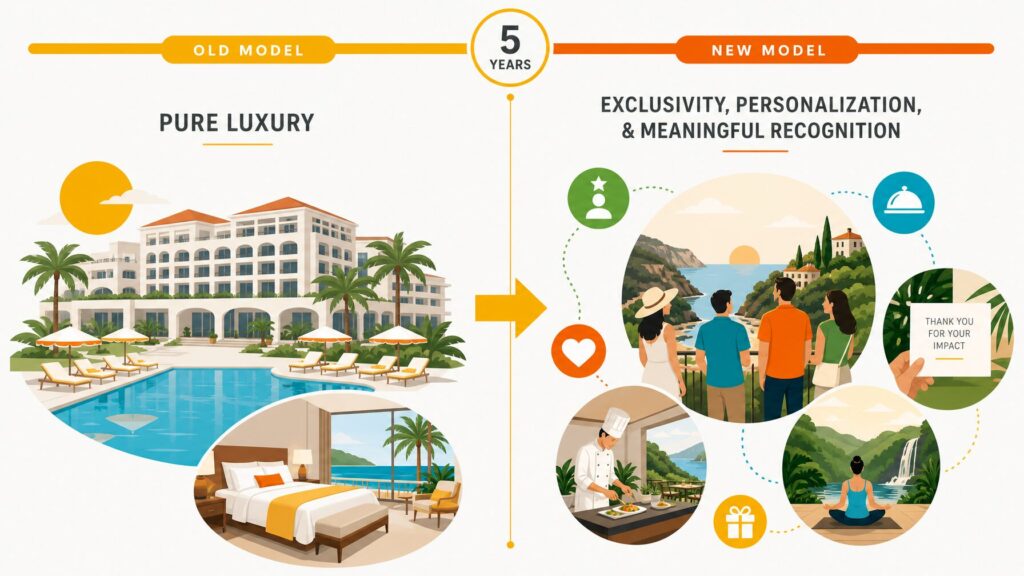
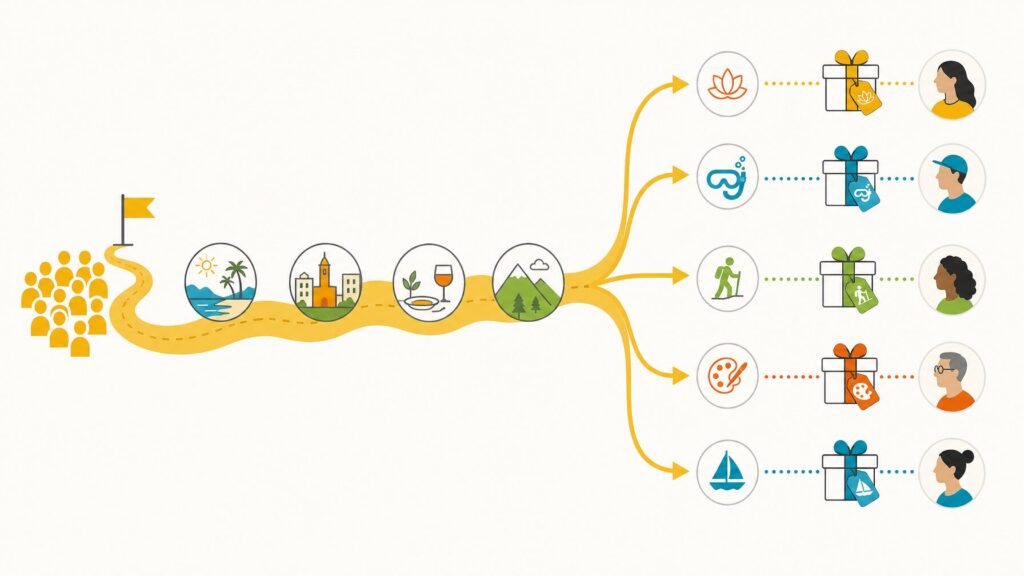
- The Shift from Luxury to Personalization: Five years ago, success was measured by grandiose "wow" moments and upgraded hotel amenities. Today, programs fail if they rely on rigid, one-size-fits-all itineraries. Personalization now dictates every touchpoint, from dietary preferences to customized welcome amenities.
- The Principle of Invisible Safety Nets: Duty-of-care and risk management are paramount, yet the hallmark of elite planning is that the safety net remains completely unseen by the traveler.
- Strategic Alignment: High-performing incentive programs are never isolated vacations; they serve as a vital motivational engine tied directly to corporate revenue targets, employee retention, and long-term business culture.
Chronology: The Lifecycle of a World-Class Incentive Program
Designing, executing, and evaluating a premier incentive trip requires a multi-phased timeline that begins long before attendees pack their bags and extends well after they return to their home offices.
Phase 1: The Qualifying Period and Pre-Trip Momentum (12 to 18 Months Prior)
The journey of an incentive trip begins the moment sales targets or performance metrics are announced. McCollum stresses that the experience must not be treated as a static four-day window in time.
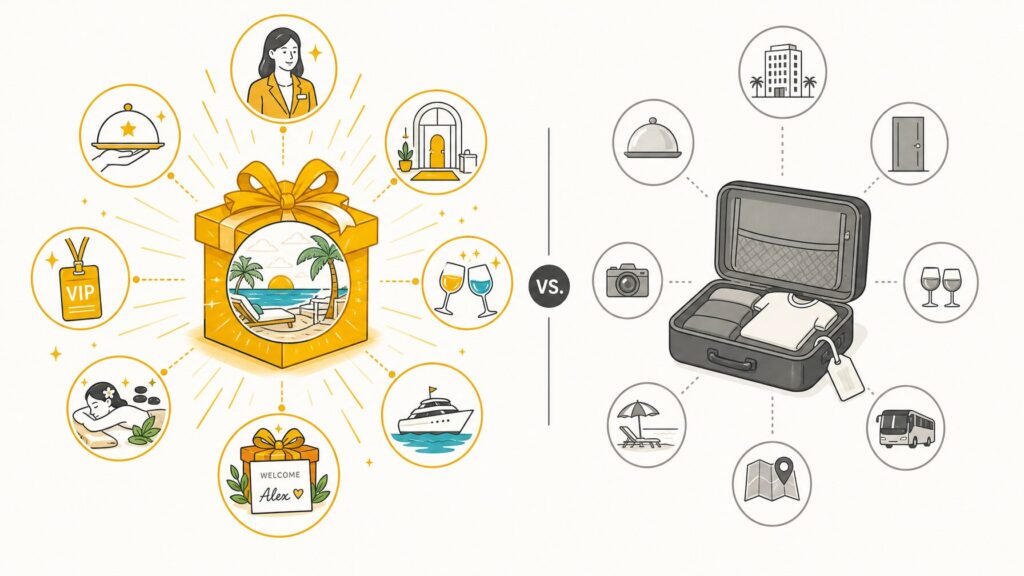
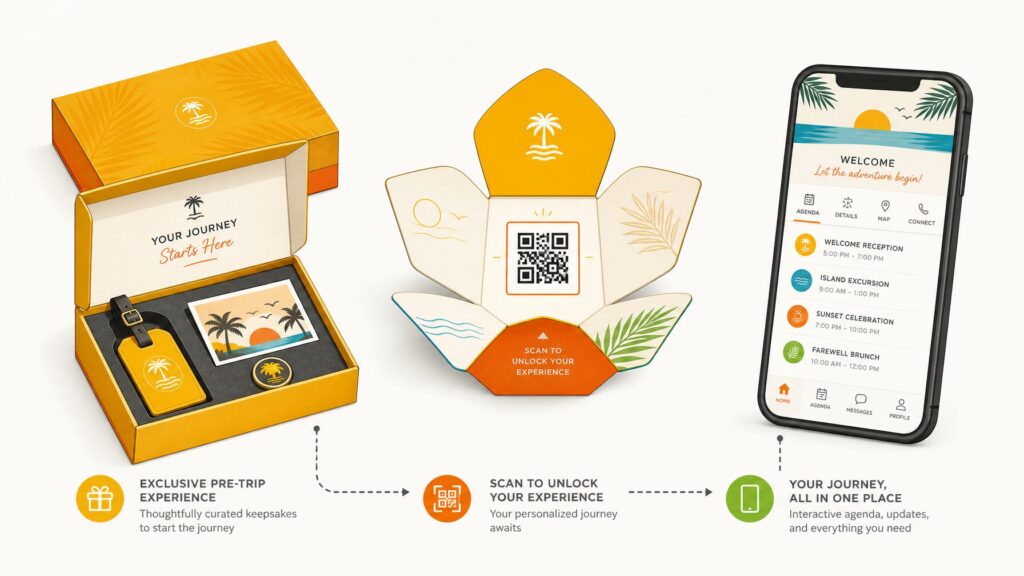
- Building Anticipation: Top-tier agencies utilize pre-trip mailers and digital touchpoints to sustain momentum. For instance, a recent program set in Greece featured physical welcome boxes containing custom-branded insulated wine tumblers, regional sangria recipes, and bespoke Greek tile coasters.
- Digital Integration: Modern planners incorporate interactive elements early. Fold-out physical mailers featuring embedded QR codes seamlessly link winners to mobile event applications, establishing an interactive digital agenda that stays accessible on the go while offering planners real-time flexibility for schedule adjustments.
Phase 2: Arrival and On-The-Ground Execution (The Event Window)
Once the qualifiers arrive at the destination, the operational machinery shifts into high gear.
- Hyper-Personalized Welcomes: Standard registration captures basic data like dietary restrictions and shirt sizes, but advanced programs take it further. For example, on a recent wine country excursion, organizers bypassed automated wine deliveries for non-drinking attendees, substituting curated mocktail kits paired with premium sparkling waters and artisanal enhancements.
- The Peak Experience: Rather than chasing ever-larger spectacles or celebrity performances—which can easily cross into overrated territory—planners focus on crafting a profound sense of shared achievement and local immersion.
Phase 3: Post-Program Recognition and Measurement (Post-Trip)
The value of an incentive trip does not evaporate upon checkout.
- Extending the Honor: Sustaining the recognition requires physical and digital tokens of appreciation, such as personalized office crystal, plaques, or digital badges that validate the employee’s achievement within their corporate network.
- Strategic Review: Stakeholders must evaluate whether the program successfully drove sales growth, heightened employee satisfaction, and aligned with organizational goals.
Supporting Data & Industry Insights
To evaluate the operational complexities of running large-scale incentive travel programs, industry veterans point to several critical operational metrics and risk-management protocols:
| Program Dimension | Traditional Approach (5 Years Ago) | Modern Approach (Current Standard) |
|---|---|---|
| Core Focus | Five-star luxury, upgraded hotel rooms, and single big-budget spectacles. | Exclusivity, behind-the-scenes access, and tailored personalization. |
| Itinerary Design | Rigid, one-size-fits-all schedules applied uniformly to all attendees. | Choice-driven itineraries tailored to diverse participant preferences and activity levels. |
| Pre-Trip Engagement | Standard PDF itineraries and basic logistical emails. | Multi-sensory themed mailers integrated with dynamic mobile app agendas. |
| Risk Management | Relying exclusively on hotel emergency protocols. | Comprehensive multi-vendor contingency mapping covering transit, offsite venues, and communications. |
Mitigating Offsite Risks
Logistical hiccups are inevitable when moving hundreds of high-value employees across international borders. Drawing from past experiences—such as a whale-watching excursion in Monterey where unexpected rough waters caught passengers unmedicated, or athletic overachievers suffering sports injuries during casual beach volleyball—planners emphasize the necessity of transparent pre-activity communication. Organizers cannot assume adults will intuitively recognize personal physical limitations; clear liability briefings and risk disclosures are essential components of modern duty of care.
Official Responses and Expert Perspectives
Amy McCollum’s insights underscore the fundamental philosophy guiding metroConnections and leading third-party event management firms worldwide.
"Today’s top performers are well-traveled, and a lot of them can book their own luxury resort. What they can’t replicate is that behind-the-scenes, exclusive experience, and the meaningful recognition."
— Amy McCollum, Vice President, Program Management at metroConnections
Reflecting on the psychological weight of these trips, McCollum notes that when employees leave home, they implicitly entrust their safety and well-being to the event organizers. Consequently, contingency planning must be comprehensive.
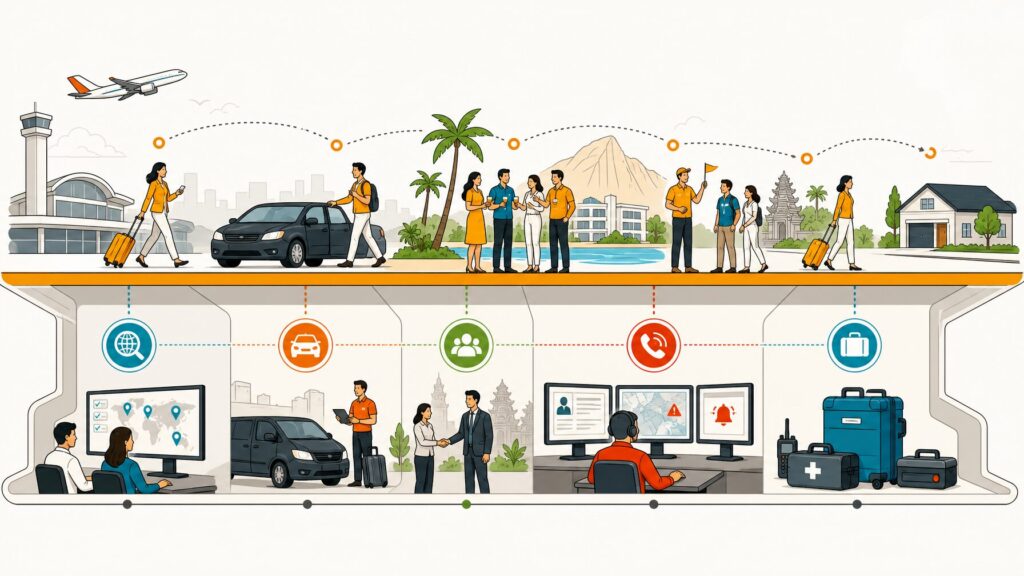
"We spend a lot of time vetting destinations, transportation vendors, local partners, and communication plans, especially abroad," McCollum explains. "We have emails teed up to go if there’s an emergency, and canned on-screen messages… We recently got portable microphone packs because we’ve had a property lose power, and when that happens you can’t put anything on screen or use the house speakers."
Furthermore, McCollum warns against the dangerous trap of "the pursuit of more"—the endless escalation of production value, celebrity entertainment, and Instagram-ready spectacle.

"It’s easy for a program to become about what executives want, or planners want, or what’s trending," McCollum cautions. "The trip isn’t for us, it’s for the top performers, and every decision should come back to what makes the experience more meaningful for those qualifiers and their guests."
Implications for Corporate Planners and Business Leaders
The evolution of incentive travel carries profound implications for corporate balance sheets and human resource strategies. As organizations navigate hybrid work environments and heightened competition for top-tier talent, the role of corporate travel must be handled with strategic precision.

- Redefining Return on Investment (ROI): Executives must shift their mindset from viewing incentive travel as a pure cost center to evaluating it as a high-yield investment in employee retention and sales velocity. Programs that fail to connect back to core business metrics risk becoming expensive vacations devoid of cultural impact.
- The Necessity of Program Audits: Organizations must periodically audit legacy incentive structures. Repeating the same destination, venue, or format year after year breeds complacency. Regular reviews ensure that programs remain dynamic, fresh, and properly aligned with the evolving demographic and psychological profile of winners.
- Elevating Third-Party Partnerships: Because internal corporate teams rarely possess the global network and crisis-management infrastructure required for international incentive trips, partnering with experienced agencies like metroConnections provides an essential safeguard. These partnerships ensure that complex logistics, localized risk mitigation, and bespoke creative production are managed seamlessly behind the scenes.
Ultimately, the enduring success of an incentive program rests upon a singular, unwavering principle: never lose sight of who the trip is for. By replacing superficial excess with genuine thoughtfulness, intentional personalization, and peer-validated recognition, corporate planners can deliver an experience that truly cannot be bought off the shelf.