The Evolution of the C-Store Aisle: Balancing Functional Nutrition with Classic Indulgence

The landscape of the modern convenience store (c-store) is undergoing a seismic shift. Once defined primarily by impulse purchases of sugary sodas, salty chips, and processed candy bars, the c-store snack aisle is rapidly transforming into a destination for health-conscious consumers. Driven by a blend of changing dietary philosophies, the rise of GLP-1 medications, and a sophisticated consumer base, retailers are aggressively retooling their inventory to emphasize high-protein, high-fiber, and functional ingredients.
However, this transition is not a total abandonment of the past. As retailers like FriendShip Stores and Roadtrac demonstrate, the modern consumer is seeking a paradoxical balance: they want the clean, high-performance fuel of a protein bar, but they are not yet ready to abandon the nostalgic comfort of a classic cookie or snack cake.
Main Facts: The New C-Store Paradigm
The central tension in today’s convenience retail space is the "functional-versus-indulgent" dichotomy. Retailers are finding that they can no longer rely on a static inventory of legacy snack brands. Instead, they are curating aisles that cater to specific health outcomes.
Key drivers of this evolution include:
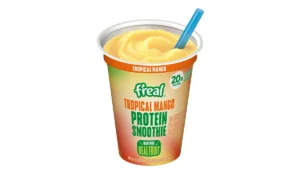
- Protein Supremacy: Products such as beef jerky, protein-fortified chips, and meat sticks are seeing unprecedented movement off shelves.
- Label Literacy: Consumers are increasingly scrutinizing ingredient lists, prioritizing products with fewer, cleaner, and more recognizable ingredients.
- The GLP-1 Effect: The widespread adoption of weight-loss medications like Ozempic and Wegovy has created a cohort of shoppers who prioritize satiety, high protein, and high fiber to manage their caloric intake and blood sugar.
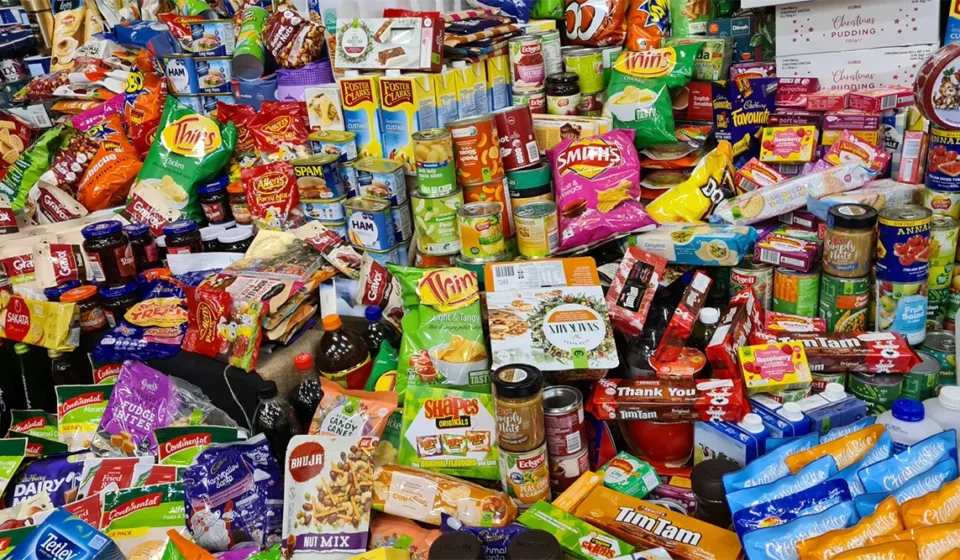
- The Resilience of Nostalgia: Despite the health trend, sales data confirms that traditional indulgences—packaged cookies and cakes—continue to grow at a rate that outpaces the general retail population.
Chronology: A Shift in Consumer Sentiment
The movement toward "better-for-you" (BFY) snacking did not happen overnight, but it has accelerated dramatically between 2025 and 2026.
The Pre-2025 Foundation
For years, the convenience channel was viewed as the "last mile" of food retail, where shoppers stopped for quick, sugary energy boosts. BFY items were niche, often relegated to bottom shelves or small endcaps.
Q1 2025: The Tipping Point
By early 2025, the impact of functional health claims began to show clear patterns in point-of-sale data. Retailers noticed that shoppers weren’t just buying these items by accident; they were actively searching for specific label claims. Fiber and low-sugar counts became the new "must-haves" for premium shelf placement.
Q1 2026: Consolidation of Trends
Data from the Brightfield Group confirms that between Q1 2025 and Q1 2026, the demand for functional claims surged. High-fiber claims rose by 5%, while low-sugar claims saw a 5.8% increase. This period marked the transition of BFY snacks from "alternative options" to "core category staples."
Supporting Data: By the Numbers
The data provided by the Brightfield Group highlights a sophisticated consumer base that is increasingly demanding more from their snacks.
- Functional Gains: Protein-centric snacks saw a 2.7% increase in consumer interest. Energy-focused snacks and caffeinated bars grew by 2% and 1.1%, respectively, over the last year.
- The "Convenience Premium": Interestingly, c-store shoppers are buying more snacking cheese and crackers than the general population. This suggests that convenience stores are becoming the primary source for "mini-meals" that bridge the gap between lunch and dinner.
- Indulgence Isn’t Dead: Despite the health focus, the data reveals a stubborn demand for traditional sweets. Purchases of packaged cookies and snack cakes in the c-store channel actually outperformed the general population’s purchasing habits, indicating that the c-store remains the primary venue for "permissible indulgence."
Official Responses: Retailers on the Frontline
FriendShip Stores: Emphasizing "Clean" and "Nostalgic"
Operating 31 locations across Ohio, FriendShip Stores has been a bellwether for regional shifts in consumer taste. Natalie Goldsmith, category manager for FriendShip, notes that the shift is driven by a desire for simplicity.
"The trends we are seeing are items that have protein and fiber listed on packaging," Goldsmith explained. "Customers are looking for products with less ingredients and cleaner ingredients. Another trend is items bringing a nostalgic feeling back to customers."
Goldsmith emphasized that this is not a temporary fad. "Going forward, I believe protein-heavy items will continue to be added to shelves, as customer demand won’t be slowing any time soon."
Roadtrac: Targeting the Health-Conscious Traveler
Texas-based Roadtrac, which currently operates 25 locations with plans for further expansion, is aggressively pivoting toward the protein segment. Zain Sunesara, a partner at Roadtrac, observes that the market is becoming crowded with new, innovative players.
"There are so many new players to the game now, so that’s a new thing that these consumers are really wanting to target, especially being health conscious nowadays," said Sunesara. In response, Roadtrac has increased its inventory of beef jerky, meat sticks, and protein-fortified bars to ensure they meet the needs of the modern, mobile consumer who is no longer willing to compromise on nutrition just because they are on the road.
Implications for the Future of Convenience Retail
The shift in the snack aisle carries significant implications for the future of the convenience industry, forcing a rethinking of supply chains, shelf space allocation, and marketing strategies.
1. The GLP-1 Medication Impact
The rise of GLP-1 drugs has fundamentally changed how many consumers eat. These users often require high-protein, high-fiber diets to maintain muscle mass and satiety. Retailers who ignore this demographic risk losing a significant portion of their most frequent shoppers. We can expect to see "GLP-1 friendly" sections or shelf talkers becoming common in the next 24 months.
2. Shelf Space Real Estate
With the expansion of protein-heavy and functional snacks, retailers face a "zero-sum game" for shelf space. Something must be displaced. Traditionally, this meant removing slow-moving novelty candy or legacy snack brands that have failed to innovate their packaging or ingredients. The battle for the "eye-level" shelf will likely intensify between legacy chocolate brands and modern, high-performance snack brands.
3. The "Hybrid" Snacker
The most important implication is the emergence of the "hybrid snacker"—a consumer who buys a protein bar for the drive to work but picks up a snack cake for a Friday afternoon treat. Retailers that successfully cater to this dual-psychology will thrive. The goal is no longer to sell "health food" to the exclusion of "treats," but to provide a curated spectrum of options that allow for both functional fueling and emotional indulgence.
4. Supply Chain and Brand Diversity
As Sunesara noted, the "new players" in the game are disrupting the traditional distribution models of the snack aisle. C-stores are increasingly looking toward smaller, more agile manufacturers that can iterate quickly on product formulations. This means that regional c-store chains may soon be the primary incubators for the next generation of snack brands, rather than the mass-market conglomerates that dominated the previous century.
Conclusion
The convenience store aisle is no longer a place for mindless grazing. It has evolved into a strategic environment where nutrition, performance, and nostalgia coexist. For retailers like FriendShip and Roadtrac, the path forward is clear: listen to the data, provide the high-protein and high-fiber products that modern health-conscious consumers demand, but never lose sight of the fact that the human desire for a sweet, nostalgic treat remains a cornerstone of the convenience experience. As we look toward the remainder of 2026 and beyond, the c-store that wins will be the one that successfully balances the science of nutrition with the art of comfort.