Comments Off on The Great Analog Revival: How Consumer Crafting and Physical Hobbies Captured a Digital Generation
NEW YORK — In an era defined by perpetual screen fatigue, infinite scroll loops, and the pervasive anxiety of the attention economy, a counter-movement is quietly sweeping living rooms, dormitories, and communal workspaces across the globe. Consumers are trading their high-definition displays for low-tech tactile pastimes, igniting a massive retail surge in analog crafting supplies, physical books, DIY hobby kits, and hands-on domestic arts.
Retail market data and viral social media trends indicate that this is far more than a fleeting nostalgia cycle. Driven by a desire for genuine offline engagement, mental health benefits, and tangible accomplishment, the "Analog Living" and "Junk Journaling" movements have transformed niche hobbies into a multi-million-dollar retail phenomenon.
Main Facts: The Shift From Digital Consumption to Tactile Creation
The contemporary consumer landscape is witnessing a distinct pivot away from passive digital entertainment toward active, material-based hobbies. Major e-commerce platforms report skyrocketing demand for beginner-friendly creative kits, physical reading accessories, and artisanal home projects.
Rather than succumbing to modern burnout, shoppers are investing in items that demand physical dexterity, patience, and spatial awareness. From scrapbooking and embroidery to miniature diorama building and home pottery, these activities share a common thread: they require two hands, focused attention, and produce a physical artifact that cannot be stored on a cloud drive.
The Core Demographic: Millennials and Gen Z adults are leading the charge, utilizing platforms like TikTok to share unboxings, project reveals, and "What’s in my Analog Bag" routines.
The Economic Impact: Accessible price points—frequently ranging from under $10 to roughly $40—have lowered the barrier to entry, allowing consumers to experiment with unfamiliar disciplines without breaking the bank.
The Psychological Driver: Review data and psychological studies consistently link tactile hobbies to reduced screen time, lowered stress levels, and a renewed sense of personal accomplishment.
Chronology: How the Analog Movement Gained Momentum
The resurgence of physical crafting did not happen overnight; it evolved through distinct phases over the past several years:
Early 2020–2021 (The Pandemic Catalyst): Lockdowns forced populations indoors, sparking an unprecedented demand for home-based hobbies such as baking, indoor gardening, and basic sewing as individuals sought coping mechanisms for isolation.
2022–2023 (The TikTok Craft Wave): Short-form video platforms popularized micro-hobbies. Trends like "BookTok" drove massive physical book sales and reading journals, while needle-felting and miniature building tutorials went viral.
2024–Present (The Institutionalization of Offline Living): "Analog Living" solidified as a lifestyle category. Consumers began intentionally carving out screen-free hours, fueling high-volume sales for specialized starter kits, high-end stationery, and creative workbooks.
Supporting Data: What Shoppers Are Buying
Market trends and customer reviews highlight a diverse array of products capturing the public imagination. Consumers are investing heavily across several key sectors:
1. Papercraft, Journaling, and Reading Accessories
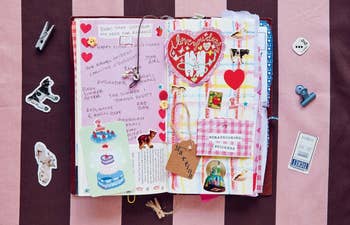
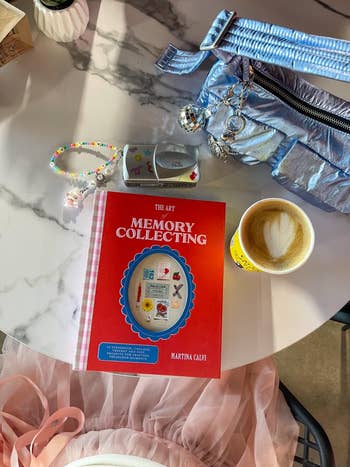
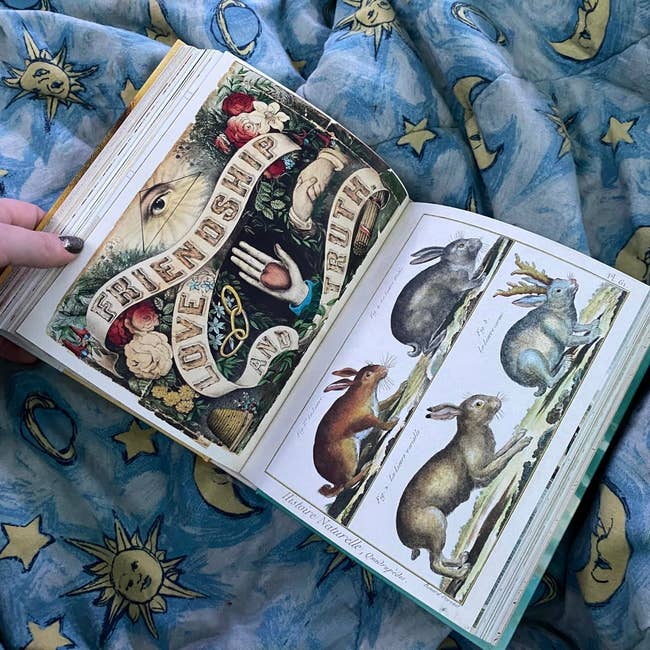
Memory & Junk Journals: Books like The Art of Memory Collecting ($18.47) have become staples of the Analog TikTok community, serving as visual scrapbooks for everyday ephemera.
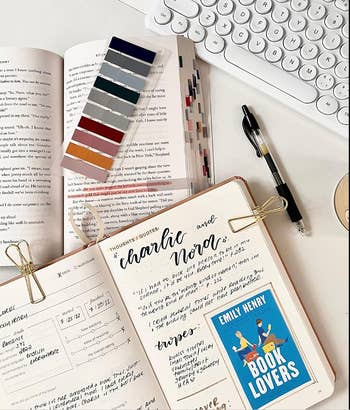
Reading Trackers: Minimalist reading logs, such as those from Kunitsa Co. ($22.95), allow bibliophiles to track up to 52 books annually, complete with sections for "Did Not Finish" (DNF) lists and loaned volumes.
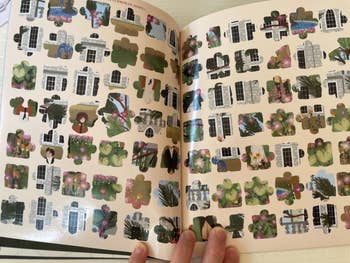
Immersive Paper Goods: Jigsaw sticker books (such as Pride & Prejudice editions at $10.48), high-end stationery like John Derian sticker books, and Van Gogh-inspired washi tape sets ($9.99) bridge the gap between reading and hands-on artistry.
2. Fine Arts and Textile Crafts
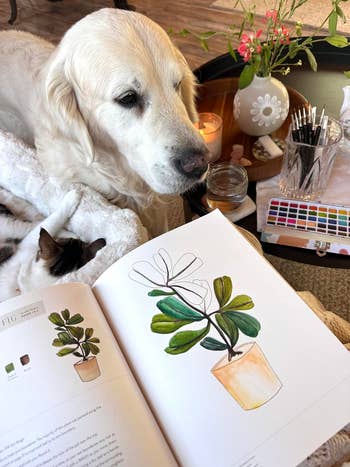
Beginner Workbooks: Simplified guides, including Watercolor Workbook volumes ($15.27) and Hand Lettering 101 ($15.47), provide low-pressure entry points for adults looking to reactivate dormant creative skills.
Needlework and Sewing: Beginner embroidery kits ($19.97) and mini animal sewing kits ($15.39) offer tactile engagement without the intimidation factor of commercial tailoring. For those ready to scale up, lightweight sewing machines ($141.13+) provide long-term utility.
Mosaic Arts: Diamond painting kits ($2.99 to $11.99 for coaster sets) offer a paint-by-numbers-style therapeutic experience using shimmering resin gems.
3. Nature, Gardening, and Domestic Arts
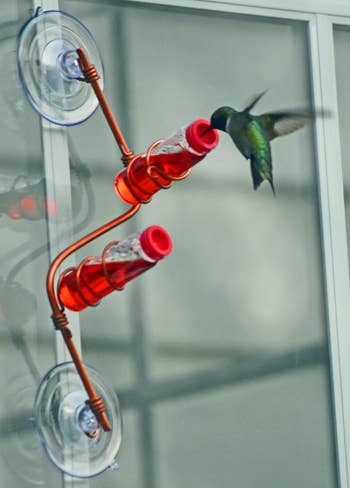
Indoor Horticulture: Countertop mushroom-growing kits ($14.67+), window-mounted hummingbird feeders ($30.99), and bonsai starter kits ($19.99) connect urban and suburban dwellers with living wildlife and flora.
Culinary Arts: Silicone bread-makers ($28.00) and beginner sushi-making kits ($9.99) enable home cooks to master complex culinary tasks without heavy machinery or sourdough maintenance.
Sculpting: Crayola Air Dry Clay ($11.24) and compact mini pottery wheel kits ($47.99) allow users to test their hand at ceramics from their kitchen tables.
Official Perspectives and Industry Insights
Retail analysts and consumer advocates note that this trend reflects a fundamental evolution in how people define leisure.
"This is service journalism first: our writers and editors spend all day shopping so you don’t have to, vetting products, fact-checking brand claims, and surfacing what actually helps in real life," notes the editorial team behind major consumer product roundups. "We center readers over revenue, recommending products with authenticity based on real human experiences rather than glossy marketing fluff."
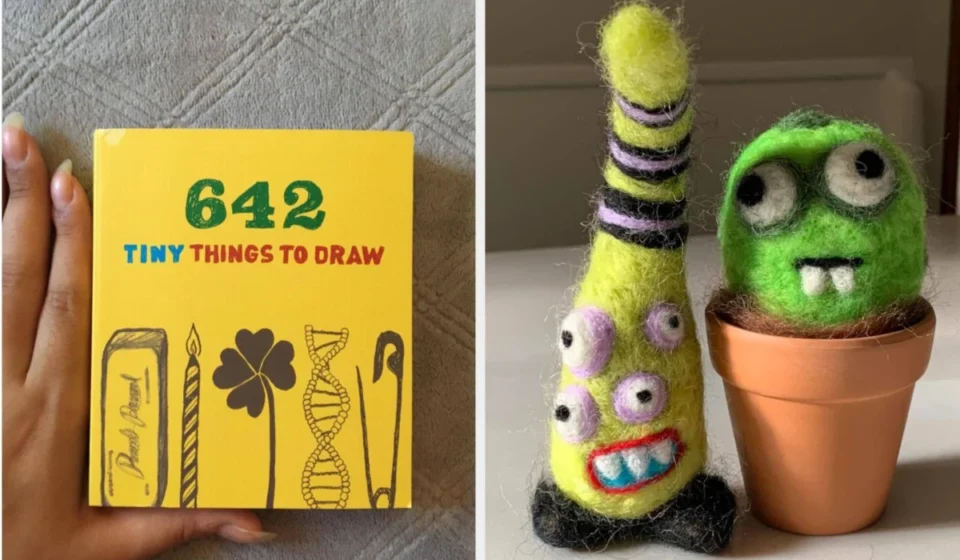
Reviewers echo this sentiment, frequently emphasizing the mental health benefits of stepping away from digital displays. For instance, users of tactile distraction tools—such as the pocket-sized Book of 642 Tiny Things to Draw ($8.89)—report measurable drops in daily screen time.
"Whenever I have my friends over, I hand them this book and let them draw something in it," shares Rachelle Yang, a shopping contributor. "I spend so much time drawing silly little pictures that my screen time has actually gone down. It’s so entertaining, and it truly amazes me how much joy can come from a book that’s the size of my hand."
Similarly, ceramic and sculpting enthusiasts praise beginner kits not for their professional output, but for the meditative process. "It’s very compact and has everything you need to get started and try your hand at pottery!" notes reviewer Synghal regarding mini pottery wheels. "The wheel is very stable, and you can control the speed as you get the hang of it."
Implications: The Long-Term Future of Offline Leisure
The sustained popularity of analog hobbies carries significant implications for various industries:
Retail Adaptation: Big-box retailers and independent boutiques alike are expanding their inventory of experiential kits, recognizing that consumers are willing to pay a premium for all-inclusive project boxes that eliminate the friction of gathering individual supplies.
Mental Health and Wellness: As psychological researchers continue to study the adverse effects of hyper-connectivity, analog crafting is increasingly recognized as a viable form of digital detox and mindfulness therapy.
Community Building: Physical craft workshops, book clubs, and collaborative hobby groups are experiencing a renaissance, providing much-needed spaces for in-person socialization among adults.
Ultimately, the great analog revival demonstrates that technology, for all its convenience, cannot replace the deep-seated human need to touch, shape, build, and create with our own hands. Whether through stitching a tiny felt creature, pressing a wax seal onto a handwritten letter, or watching a homegrown oyster mushroom sprout from a cardboard box, consumers are reclaiming their leisure time—one physical project at a time.