
The Heart of the Crisis: Inside the DRC’s Fight Against a Resurgent Ebola Outbreak

In the remote, gold-rich highlands of the Democratic Republic of Congo (DRC), a silent, invisible adversary is testing the limits of human resilience. As the epicenter of the latest Ebola outbreak, the Ituri Province has become a frontline of medical, cultural, and logistical warfare. CNN’s chief international correspondent, Clarissa Ward, recently concluded an extensive reporting mission in the region, providing an unflinching look at a crisis that has claimed 62 lives and left 363 confirmed victims in its wake, according to data from the Centers for Disease Control and Prevention (CDC).
The Frontline: A Landscape of Grief and Hope
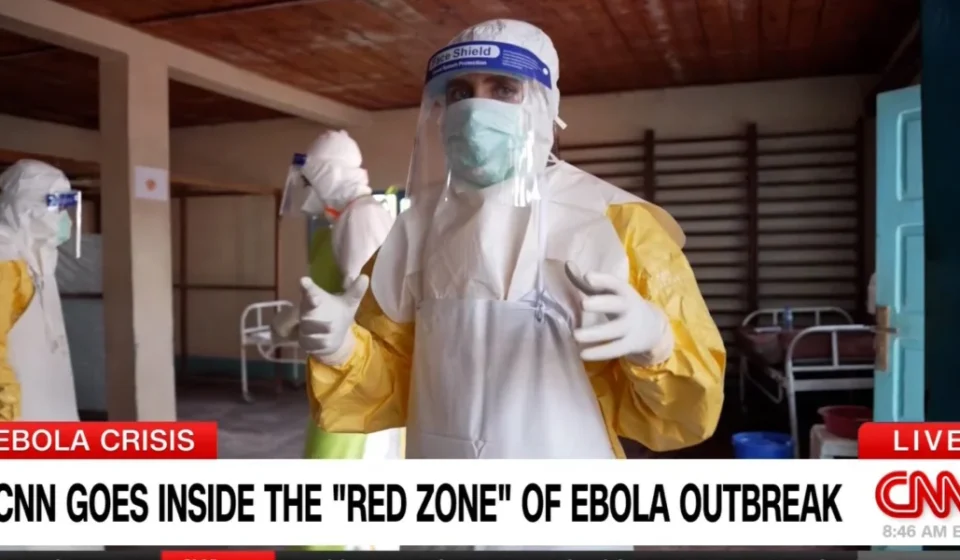
For the past several days, Ward and her CNN crew have operated as the only international television news organization on the ground in the Ituri Province. Their reporting centered on Bunia, the provincial capital, and specifically the Bunia General Hospital—a facility straining under the weight of an escalating health emergency.
Inside the hospital’s designated "red zone," the atmosphere is thick with a palpable tension. This high-risk area is where suspected Ebola patients are isolated, guarded by medical staff clad in cumbersome, multi-layered protective suits. The environment is one defined by the stark juxtaposition of clinical precision and profound human suffering. Doctors and nurses work around the clock, battling not only the rapid progression of the hemorrhagic fever but also the psychological toll of operating in a space where fear is the primary currency.
The Origin Story: Tracking the Spread
Ward’s investigation took her beyond the clinical walls of the capital to the remote gold-mining town of Mongbwalu. It is here that health officials believe the current outbreak originated. The journey to Mongbwalu revealed a complex social landscape; speaking with local journalists and residents, Ward uncovered a deep-seated skepticism toward aid workers and government officials. The mayor of Mongbwalu provided critical, if chilling, testimony regarding the timeline of the initial cases, highlighting the delay in detection that often proves fatal in the containment of a virus as virulent as Ebola.
Chronology of the Emergency
The path to the epicenter is rarely straightforward. For the international media, accessing the region requires a labyrinthine process of bureaucratic hurdles.
- Week 1: Securing Access: The CNN team spent over seven days navigating the complex accreditation process. To gain entry into the Democratic Republic of Congo and subsequent clearance for the Ituri province, journalists must secure approvals from both the Ministry of Communication and the Ministry of Health. This restrictive access is, in part, why the international spotlight has struggled to illuminate the full scope of the tragedy.
- The Transit: The logistics of reaching the heart of the crisis are daunting. Ward’s journey involved a flight from London to Kinshasa with a layover in Paris, followed by a specialized UN-chartered flight from the capital to Bunia.
- Containment Protocols: Upon arrival, the realities of the outbreak take hold immediately. The daily routine for anyone operating in the region is one of constant vigilance. Temperature checks are mandatory at every checkpoint, and rigorous sanitation protocols are enforced. Before entering the red zone, journalists and medical personnel must don multiple layers of protective gear; upon exit, they undergo a strictly monitored decontamination process to ensure no viral particles leave the facility.
Supporting Data and Medical Challenges
The 17th Ebola outbreak in the history of the DRC represents a continuation of a pattern that has plagued the nation for decades. The CDC reports 363 confirmed cases, a number that public health experts fear could climb if containment strategies remain hampered by external factors.
The Cultural Clash: Traditions vs. Science
One of the most significant barriers to curbing the virus lies in the collision between modern medical protocols and deeply rooted local customs. Traditional funeral rites in the Ituri Province are central to community identity, often involving the touching and washing of the deceased’s body. Because the Ebola virus is highly infectious upon death, these practices act as a primary catalyst for transmission.
Authorities have faced immense pushback while attempting to mandate safer burial practices. Explaining the necessity of "mourning at a distance" to a population whose cultural fabric is woven around physical connection is perhaps the most difficult task for health responders.
The Radio Revolution: Information as Medicine
In an environment where television and smartphone access are limited, and literacy rates present a barrier to written health campaigns, communication requires creativity. Ward noted a striking observation during her travels: the ubiquity of radio as a lifeline. While driving through rural areas, the team heard catchy, upbeat radio jingles designed to educate the public. These songs serve a vital purpose, simplifying complex health directives—such as social distancing, handwashing, and the dangers of interacting with dead animals—into digestible, memorable content for the local population.
Official Responses and Humanitarian Implications
The response to the outbreak has been a collaborative, albeit strained, effort between the DRC government, the United Nations, and international non-governmental organizations. However, the efficacy of these efforts is frequently undermined by the region’s history.
The people of the Ituri Province have lived through decades of persistent conflict. When an outbreak of this magnitude strikes, it is not hitting a neutral territory; it is striking a population already burdened by systemic poverty, compromised infrastructure, and the trauma of war. This creates a "fatigue of crisis," where communities are simultaneously dealing with the immediate threat of a virus and the long-term struggle for basic survival.
The Human Element: Resilience Amidst Ruin
As Ward prepares to depart the region, her takeaway is one of profound humility. The narrative of the DRC is too often simplified into a list of calamities, yet the reality observed on the ground tells a different story.
"The people of the DRC have lived through decades of conflict," Ward reflected. "Despite the enormous suffering, the courage and resilience that they have shown in the face of this crisis has humbled me profoundly."
The implications of this outbreak extend far beyond the provincial borders of Ituri. It serves as a reminder of the fragility of global health security and the necessity of international cooperation in the face of zoonotic diseases. As the medical community continues its work, the world remains watching, waiting to see if this latest chapter in the DRC’s long history of resilience will end with the containment of the virus or if more lives will be lost to the persistent cycle of disease and instability.
The lessons learned in Bunia and Mongbwalu are not merely for the Congolese people; they are for the global community. The importance of respecting cultural traditions while fostering trust, the power of localized communication through radio, and the necessity of rapid, bureaucratic-free medical aid are the pillars upon which the future of global outbreak management must be built. For now, the doctors in the red zone remain at their posts, working in the shadow of the virus, hoping that the next day brings fewer patients and more light.