Comments Off on The Modern Bathroom Renaissance: How Smart Design and Viral Cleaning Innovations Are Redefining Home Care
WASHINGTON — In the shifting landscape of modern interior maintenance, the home bathroom has transitioned from a purely utilitarian, often neglected space into a focal point of wellness, aesthetic curation, and high-efficiency sanitation. According to recent home goods market data, consumer spending on targeted bathroom cleaning and organizational solutions has surged by over 25% year-over-year. Driven in part by social media micro-trends and an increased cultural focus on domestic sanctum-building, homeowners and renters alike are investing heavily in products that promise to minimize labor while maximizing aesthetic appeal.
This comprehensive review examines the leading products, methodological shifts, and consumer behaviors reshaping how we maintain and style the most high-traffic room in the house.
Chronology of a Clean: The Shift from Toil to Tech
For generations, the routine deep-cleaning of a bathroom was characterized by arduous physical labor: harsh chemical bleaches, back-breaking scrubbing on hands and knees, and a revolving door of single-use tools that frequently cluttered storage spaces.
The Early 2000s: The market was dominated by heavy chlorine-based formulas, abrasive scouring powders, and basic manual scrub brushes. Maintenance was viewed as an exhausting chore rather than a form of routine self-care.
The Social Media Boom (2018–2022): Platforms like TikTok and Instagram introduced viral cleaning hacks, bringing specialty products—such as multi-purpose paste abrasives and enzymatic drain treatments—to mainstream consciousness. Content creators popularized satisfaction-driven "restock" and "deep clean" videos, turning routine chores into viral entertainment.
The Era of Efficiency and Ergonomics (Present): Today’s market focuses on chemical-free efficacy, vertical storage optimization, and self-cleaning mechanical appliances. The modern consumer expects products to do the heavy lifting, reducing scrubbing time while protecting both home surfaces and environmental ecosystems.
Supporting Data: The Anatomy of Bathroom Maintenance
A review of top-performing home care products reveals distinct consumer priorities: ease of use, multi-surface versatility, and spatial optimization in increasingly compact modern architecture.
1. Surface Care and Advanced Sanitation
Traditional caustic cleaners are increasingly being supplanted by targeted, eco-conscious formulations.
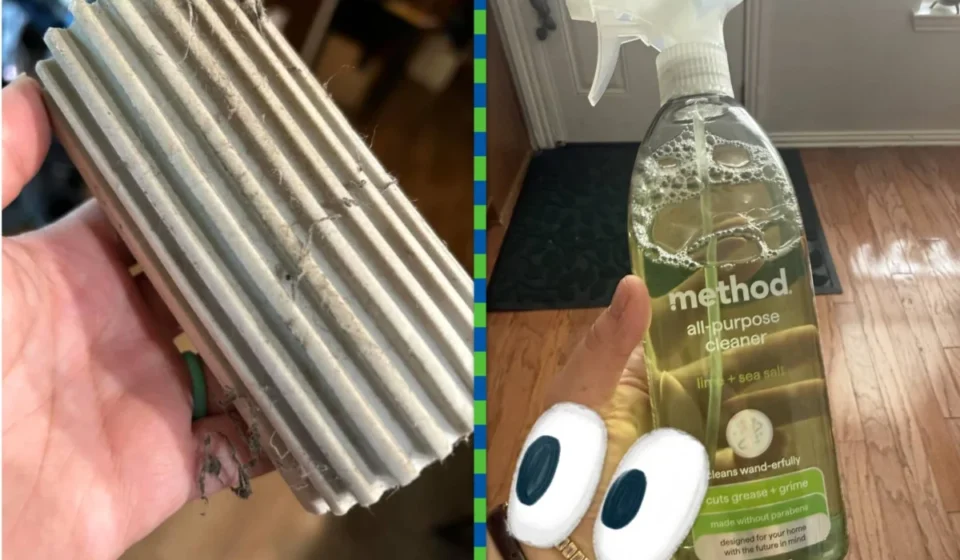
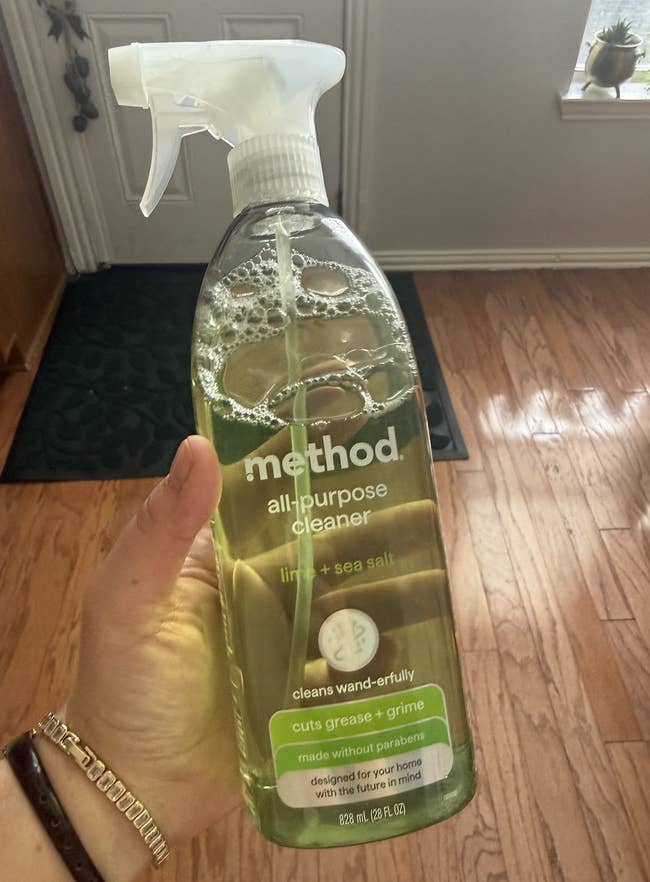
Method All-Purpose Cleaner (Lime + Sea Salt): Retailing at approximately $4.97, this cruelty-free, plant-derived cleaner utilizes 100% recycled packaging to cut through grease and soap scum without leaving harsh chemical residues or strong fumes.
The Pink Stuff (Paste & Squeezable Tube): Priced around $5.97, this micro-abrasive cleaner has achieved cult status for its ability to restore fiberglass, porcelain, and ceramic surfaces to a near-new finish with minimal effort.
Rain-X Shower Door Cleaner ($16): Originally adapted from automotive care via viral cleaning channels, this treatment utilizes compounding technology to strip away stubborn hard water spots and soap scum from glass enclosures.
Wet & Forget Weekly Shower Spray ($19.99+): Operating on a "spray-and-leave" model, this bleach-free formula eliminates mildew accumulation over time without requiring physical scrubbing.
2. Specialized Stain and Grout Removal
Pumice Stone Bars (6-pack for $5.99+): Chemical-free and odorless, these bars quickly erase calcium buildup and hard water rings in toilet bowls without scratching underlying porcelain.
Clean-Eez Grout-EEZ ($41.95): A professional-grade tile and grout restorative system featuring a pole-attachable brush, allowing users to deep-clean flooring from a standing position.
Green Gobbler Enzyme Drain Cleaner ($25.97+): Utilizing natural enzymes instead of corrosive bleach, this treatment breaks down organic sludge, hair, and grease in residential plumbing lines while eliminating persistent gray-water odors.
3. Spatial Optimization and Architectural Upgrades
With urban living spaces shrinking, vertical storage has become a primary design necessity.
Over-the-Toilet Shelving ($69.99+): Available in various colorways, these units provide instantaneous vertical storage for linens and sundries in under a minute of assembly time.
Sink Topper Organization Mats ($25.39+): Designed to bridge small-format vanity sinks, these silicone mats expand usable counter space during grooming routines while featuring specialized textures for cleaning makeup brushes.
Wall-Mounted Honeycomb Toilet Paper Holders ($80.26+): Crafted by independent woodworkers such as Ewart Woods, these geometric organizers turn bulk paper storage into functional wall art.
Slender Storage Cabinets ($22.98): Ultra-narrow floor units designed to fit effortlessly between a bathtub and toilet, complete with integrated tissue dispensing and phone-rest tops.
Official Responses and Industry Insights
Manufacturers and industry experts emphasize that the modern consumer’s relationship with cleaning has fundamentally changed. No longer satisfied with utilitarian tools that create clutter, buyers are demanding cohesive design elements.
"Our research indicates that consumers view home organization and cleanliness as a direct extension of mental wellness," notes a retail analyst specializing in home goods. "When a cleaning tool is aesthetically pleasing, easy to store, and requires less physical exertion, the barrier to entry for routine maintenance drops significantly. People are no longer just cleaning; they are curating an environment."
Furthermore, brands focusing on sustainable practices—such as biodegradable enzymatic formulas, recycled plastics, and non-toxic ingredients—are capturing a significantly larger market share than legacy chemical manufacturers.
Implications for the Future of Home Economics
The rapid evolution of bathroom care and organization carries several broader implications for consumer markets, manufacturing, and interior design:
The Rise of "Prosumer" DIY Tools: Consumers are increasingly adopting commercial-grade solutions (such as professional tile restorers and cordless multi-surface floor washers like the Dreame H12 Pro) for residential use, bypassing costly contractor services.
Aesthetic Integration: Storage and sanitation products are no longer hidden away in utility closets. The market now rewards items that double as decor, from matte-black hardware sets to bamboo-lidded glass canisters.
Ergonomic Inclusivity: Products like spin mops, touchless sweeping vacuums (such as the EyeVac), and pole-mounted scrubbers reflect a growing design emphasis on accessibility, reducing physical strain for aging populations and busy households alike.
As the boundary between wellness routines and domestic chores continues to blur, the modern bathroom is cementing its status as a high-performance, beautifully managed sanctuary.