
In the rapidly evolving landscape of B2B digital strategy, LinkedIn has transcended its origins as a digital rolodex to become the definitive ecosystem for professional engagement. As we navigate 2026, the platform is no longer just a place to post job openings or company milestones; it has matured into a sophisticated, high-stakes arena where brand awareness, lead generation, and thought leadership intersect. With ad revenues projected to hit $9.7 billion, LinkedIn has solidified its position as the undisputed king of B2B social media.
The Evolution of the Professional Feed
LinkedIn marketing is defined by a unique, high-intent environment. Unlike consumer-facing platforms where users seek entertainment, the LinkedIn audience enters the feed with a professional mindset, ready to learn, network, and make critical business decisions. This distinction is paramount for marketers. It provides a rare, direct line to decision-makers—from C-suite executives to department heads—in a setting where professional content is not just tolerated, but expected and rewarded.

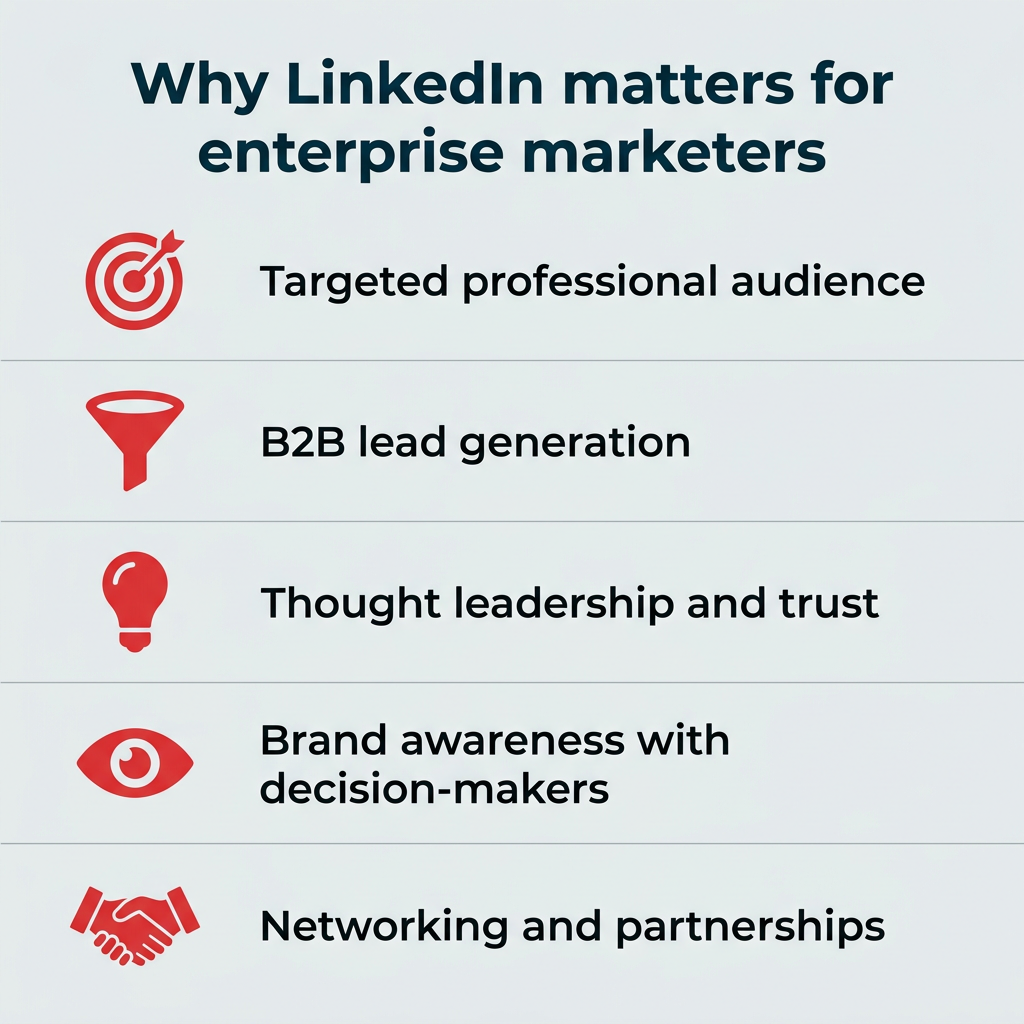
The core value proposition for enterprise marketers in 2026 lies in five key areas:
- Targeted Audience Access: Precise filtering based on job function, seniority, and industry.
- B2B Lead Generation: High-quality, professional data collection.
- Thought Leadership: Establishing institutional trust.
- Brand Authority: Elevating company reputation among industry peers.
- Strategic Partnerships: Networking at scale.
The 2026 Algorithm: A Shift Toward Value
In 2026, the LinkedIn algorithm has undergone a structural transformation. The platform has deployed advanced AI systems that evaluate every post for "meaningful value" before it ever reaches a feed. The goal is clear: to prioritize authentic human expertise over generic corporate broadcasts.

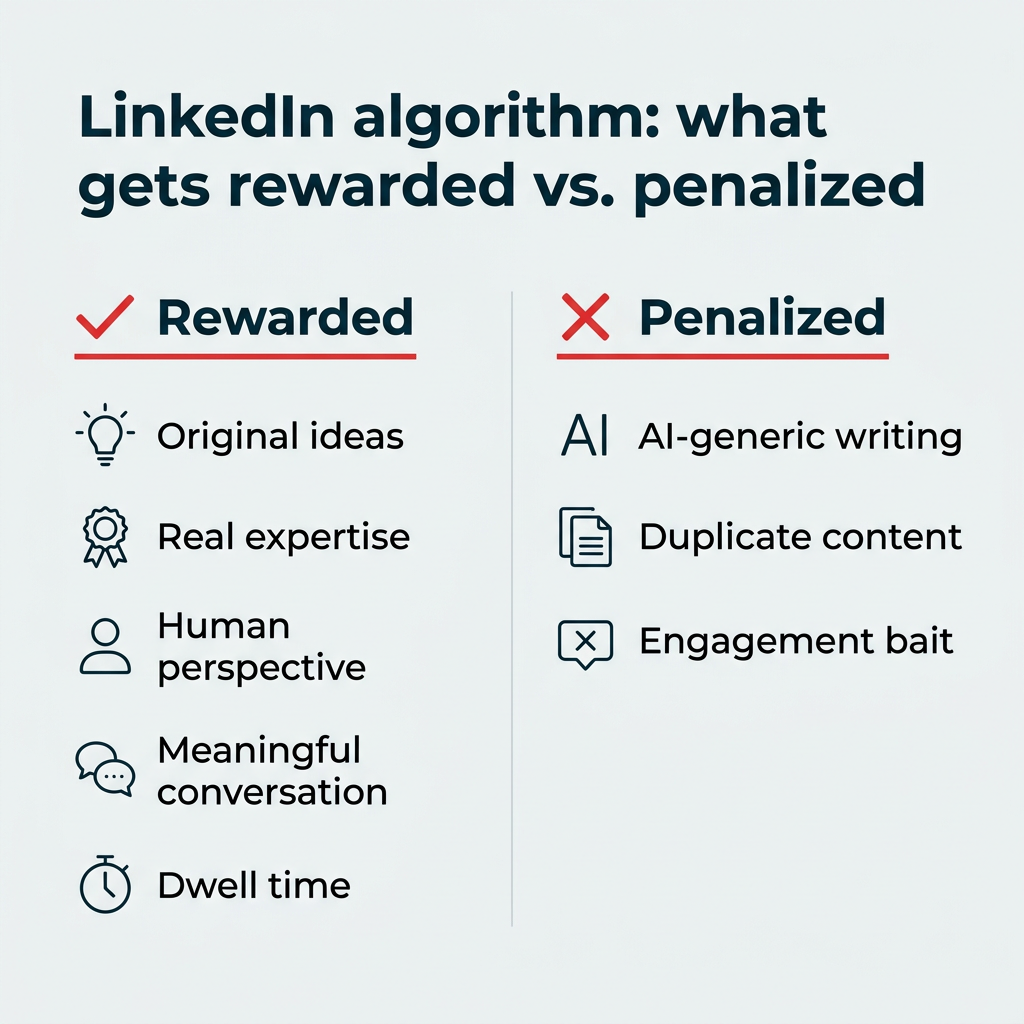
What the Algorithm Rewards
- Originality: Content that offers unique, data-backed insights or proprietary research.
- Human Perspective: Stories that reflect the lived experience of professionals rather than polished, sterile press releases.
- Conversational Depth: Posts that actively invite discussion, debate, or questions.
- Dwell Time: The length of time a user spends consuming a post, including clicking "see more" and engaging with media.
What the Algorithm Penalizes
- AI-Generic Writing: Content that lacks a distinct voice or feels churned out by LLMs without human oversight.
- Engagement Bait: Low-effort prompts like "Comment ‘Yes’ to receive a link," which LinkedIn is actively filtering out.
- Duplicate Content: Re-sharing links or images without adding unique commentary or value.
Chronology of Innovation: Video and Monetization
The most significant shift in the last 18 months has been the aggressive push into video. Following the successful testing of a TikTok-like feed in 2024 and 2025, video content on LinkedIn has seen a 36% year-over-year increase in viewership. Currently, video creation is scaling twice as fast as any other post format on the platform.
The Rise of BrandLink
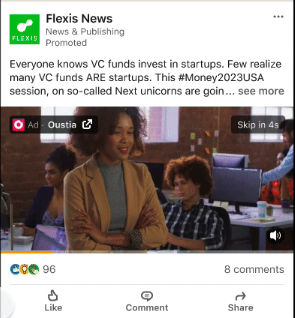
Perhaps the most notable development for creators and advertisers is the rollout of BrandLink. Replacing the former "Wire Program," BrandLink allows marketers to place in-stream video ads directly before premium creator content. This move represents LinkedIn’s first major foray into sustainable creator monetization. Early performance metrics indicate higher-than-average ad recall and significantly lower cost-per-acquisition for B2B brands utilizing this placement, as it integrates seamlessly into the user’s learning flow.
Accelerate and Campaign Manager Upgrades
LinkedIn’s Accelerate AI-powered campaigns, first introduced in 2023, have moved beyond beta. They are now the standard for lead generation and brand awareness objectives. The platform has expanded these tools to include video and document ad support, allowing for a more diverse creative mix that AI then optimizes in real-time.
Supporting Data: Why Strategy Matters
For the modern enterprise, "posting and hoping" is no longer a viable strategy. Data from 2026 confirms that complete Company Pages receive 30% more weekly views. Furthermore, the shift toward active community management is evidenced by a 37% year-over-year increase in comment volume.
To maintain a competitive edge, brands are leveraging a mix of organic and paid tactics. The "4-1-1" rule remains a foundational pillar for many high-performing brands: for every six pieces of content, four should be curated, educational, or relevant industry insights, one should be a soft promotion, and one should be a hard call-to-action (CTA).
Key Performance Indicators (KPIs)
| Metric | Business Goal Supported |
|---|---|
| Engagement Rate | Community building and content resonance |
| Follower Growth | Brand awareness and reach |
| Click-Through Rate | Website traffic and conversion |
| Lead Gen Form Completions | Direct pipeline contribution |
| Share of Voice | Competitive positioning |
Strategic Implementation: A Blueprint for Success
Building a robust LinkedIn marketing strategy requires a methodical approach that aligns with broader corporate objectives.

1. Research and Audience Identification
LinkedIn is not a monolithic demographic. Users skew older and possess higher average incomes than those on other platforms. Use LinkedIn’s native analytics, specifically the "Visitor" and "Follower" dashboards, to map out the industries, job functions, and seniority of your current audience. Pair this with social listening tools to identify the pain points that keep your prospects up at night.
2. Optimizing the "Digital Storefront"
Your Company Page is your digital headquarters. In 2026, an optimized page includes up-to-date cover images (which should be refreshed at least twice a year) and fully utilized "Showcase Pages" for specific initiatives. Executive profiles are equally vital; they act as the "human face" of the organization. Leaders who share personal, professional reflections often outperform the corporate brand account by a significant margin.

3. Content Diversification
The platform rewards variety. While video is the current king of engagement, carousels, document posts, and text-only posts that spark conversation remain essential.
- Polls: Useful for gathering quick market sentiment.
- Newsletters: Ideal for building a loyal, subscribed audience.
- Long-form Articles: Best for establishing deep, authoritative thought leadership.
Implications for the Future
The most critical takeaway for marketers in 2026 is that LinkedIn is shifting from a feed of corporate announcements to a community-driven ecosystem. The "notice-board" era is dead. Today’s LinkedIn functions more like a professional, high-stakes version of a collaborative forum.
For enterprise teams, the implication is clear: you must empower your people. Employee advocacy—encouraging staff to share content, engage in comments, and build their own professional brands—is no longer optional. It is the primary mechanism for scaling reach.
Final Best Practices
- Adopt an "Off-the-Cuff" Tone: As social media strategist Eileen Kwok notes, the most successful content today is reactive, human, and conversational, moving away from overly polished corporate speak.
- Invest in AI, but don’t outsource humanity: Use AI for research, scheduling, and data analysis, but ensure the final creative voice remains distinctly human.
- Prioritize Community: The algorithm rewards those who engage back. If someone leaves a comment, treat it as a conversation starter, not just a metric.
As we look toward the remainder of 2026, the brands that win on LinkedIn will be those that prioritize genuine value and human connection over algorithmic gaming. The platform has provided the tools; the success of your strategy now depends on your willingness to engage in the real, unfiltered conversations happening at the heart of the industry.