The Phenomenon of "Taco Cat Goat Cheese Pizza": Why This High-Octane Card Game is Taking Over Family Game Nights

In an era dominated by screens, virtual reality, and increasingly complex digital interfaces, a refreshingly simple, high-energy card game has managed to capture the hearts of families, educators, and party-goers worldwide. Taco Cat Goat Cheese Pizza, created by the small, independent studio Dolphin Hat Games, has evolved from a niche hobbyist project into a global phenomenon. Combining rapid-fire reflexes, rhythmic verbal repetition, and physical comedy, this game offers a tactile experience that defies the digital trend, proving that the most engaging entertainment often requires nothing more than a deck of cards and a group of willing participants.
Main Facts: The Anatomy of a Modern Classic
At its core, Taco Cat Goat Cheese Pizza is a game of pattern recognition and lightning-fast reaction time. Designed for three to eight players and recommended for ages eight and up, the game’s premise is deceptively simple. Each player receives an equal portion of the deck, which is kept face-down. In a rotating sequence, players place a card in the center pile while reciting the game’s titular mantra: "Taco," "cat," "goat," "cheese," and "pizza."
The objective is to maintain this cadence while simultaneously observing the card being placed. If the image on the card matches the word spoken by the player, a "slap" occurs. Every player must race to place their hand on the center pile; the last person to do so is penalized by having to add the entire stack to their own personal pile. The ultimate goal is to be the first player to empty your hand entirely.
However, the game’s longevity—and its capacity for inducing fits of laughter—stems from its "special" cards. When a "narwhal" is played, players must immediately form a unicorn horn with their hands above their heads. A "gorilla" card mandates that players beat their chests, and a "groundhog" card requires a rapid tapping on the table surface. As with the base game, the slowest participant to perform the motion inherits the center pile. This blend of cognitive load and physical performance creates a frantic, addictive rhythm that appeals to both children and adults.
Chronology: From Small Studio to Household Name
The rise of Dolphin Hat Games is a testament to the power of word-of-mouth marketing in the tabletop industry. Founded as a small enterprise, the company initially focused on creating family-friendly games that were easy to learn but difficult to master. Unlike major conglomerates that rely on aggressive television advertising, Dolphin Hat Games found its audience through the authentic enthusiasm of teachers, parents, and camp counselors who needed games that could transition seamlessly from living rooms to outdoor environments.
The game’s trajectory followed a classic "slow burn" model. Initially gaining traction in local board game cafes and school classrooms, it exploded on social media platforms like TikTok and Instagram, where creators showcased the hilarious, chaotic outcomes of a game in progress.
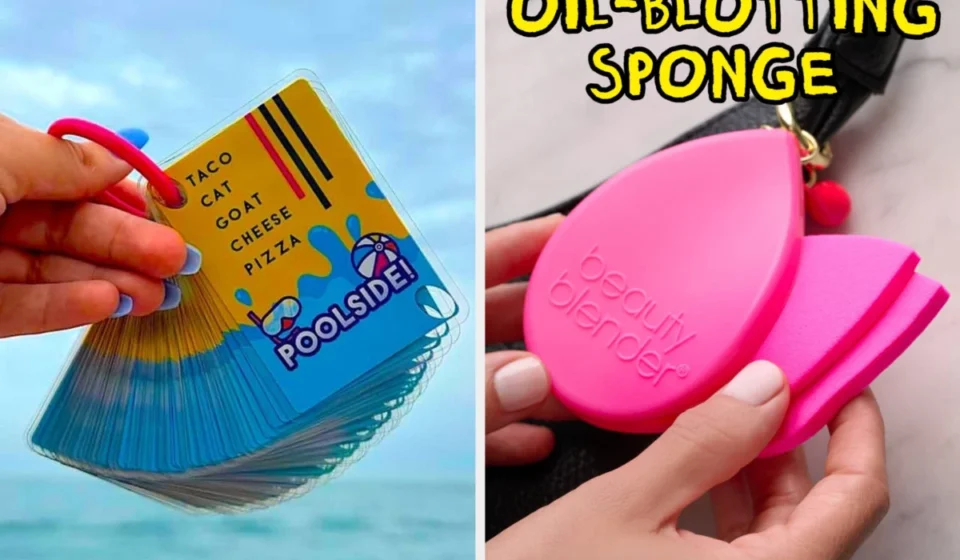
The most recent iteration of the product—the "waterproof" or "durable" version—represents a significant pivot in the company’s manufacturing strategy. Responding to feedback from families who wanted to take the game to pools, beaches, and campsites, Dolphin Hat Games introduced a version with higher-density, more resilient card stock. This design evolution marked the game’s transition from a "living room activity" to a "lifestyle essential," capable of surviving the moisture and physical wear of an active summer.
Supporting Data: Why Players Keep Coming Back
User reviews and market performance provide a clear window into why this specific game has achieved such longevity. On major retail platforms like Amazon, Taco Cat Goat Cheese Pizza consistently maintains high ratings, often cited as a staple for "10-minute breaks" or long-haul travel.
A recurring theme in consumer testimonials is the physical quality of the cards. In a world of flimsy cardstock that creases after a single game night, the deliberate decision to utilize heavier, more durable materials has been a massive competitive advantage. One prominent review noted: "The cards are heavier, so they don’t blow away as easily, too. The card ring makes them really easy to just toss in a bag, and I feel like it’s indestructible."
This "indestructibility" is not merely a marketing point; it is a critical functional feature for the target demographic. When a game involves multiple people slapping a central pile, the cards are subjected to significant structural stress. The fact that the game remains playable after hundreds of hours of intense use speaks to the engineering behind the product. For the price point—typically hovering around $14.99—the perceived value is exceptionally high, making it a "low-barrier-to-entry" purchase that frequently leads to repeat customer loyalty.
Official Responses: The Philosophy of Dolphin Hat Games
Dolphin Hat Games has remained relatively lean and agile, focusing on direct engagement with its player base rather than corporate expansion. By keeping their branding centered on the "family-friendly" ethos, they have successfully positioned themselves as the go-to provider for accessible gaming.
In their communications, the developers emphasize that the goal of their products is to reduce "barrier to entry." Many modern board games suffer from manuals that are dozens of pages long, requiring hours of study before play can begin. Dolphin Hat’s philosophy is the inverse: the rules should be explainable in under a minute, and the gameplay should be intuitive enough for a child to teach a grandparent. This "universal design" approach has allowed them to capture a massive share of the casual gaming market, bridging generational gaps in a way that few other products have managed.
Furthermore, by maintaining a consistent presence as a small business, they have fostered a sense of community. When customers purchase from Dolphin Hat Games, they aren’t just buying a deck of cards; they are supporting a brand that values the "tactile reality" of play in a digital age.
Implications: The Future of "Active" Tabletop Gaming
The success of Taco Cat Goat Cheese Pizza has significant implications for the toy and game industry. It serves as a reminder that the "analog renaissance" is not just a trend—it is a sustained shift in consumer preference. Parents are increasingly seeking out activities that encourage social interaction, physical movement, and face-to-face engagement.
The Rise of "Durable Play"
As noted in the feedback from users, the future of the card game market likely lies in "indestructible" components. The traditional card game market has long been plagued by the "creased card" problem, which effectively ends a game’s lifespan. By treating card games as rugged, portable tools rather than fragile collectibles, Dolphin Hat has opened the door for similar companies to innovate in materials science.
The Social Component of Reflex Gaming
The game also highlights the popularity of "reflex-based" mechanics. Games that require a physical reaction—such as slapping a pile, making a horn, or tapping a table—are inherently more social than strategy-based games. They force players to look at one another, creating shared moments of "cringe," laughter, and excitement. This is a crucial element in an era where social isolation is a growing concern.
Economic Viability for Small Businesses
Finally, the success of this product validates the model of the independent developer. By focusing on a single, high-quality, repeatable product, a small business can compete with the massive marketing budgets of toy industry giants. Taco Cat Goat Cheese Pizza demonstrates that if a game is inherently "fun," the players themselves become the marketing engine.
Conclusion: A Game for All Seasons
Whether it is being played on the deck of a pool during a swim break, at a kitchen table during a holiday gathering, or in the back of a van on a road trip, Taco Cat Goat Cheese Pizza has cemented its place as a modern classic. It is a rare example of a product that delivers on its promises: it is easy to learn, impossible to put down, and durable enough to withstand the chaotic energy of a high-stakes game.
As we look toward the future of tabletop gaming, we can expect to see more titles that borrow from this blueprint—prioritizing portability, physical interaction, and high-quality materials. For now, however, the throne remains occupied by the taco, the cat, the goat, the cheese, and the pizza. For $14.99, it remains one of the most cost-effective ways to inject energy, laughter, and human connection into any social gathering. As long as there are people who need a break from the digital world, there will be a place for this gloriously frantic, endlessly replayable card game.
Related posts: