The Power of Play: How Elite Sports Hospitality Redefines Corporate Networking and Client Retention

Main Facts: The New Frontier of Corporate Engagement
In an era where professionals are increasingly fatigued by standard corporate environments, the meetings and events industry is undergoing a structural shift. Traditional networking formats—such as sterile conference halls, standard cocktail hours, and passive panel discussions—are losing their efficacy. In their place, corporate planners are turning to high-end sports hospitality to foster genuine, lasting business relationships.
The core thesis of this movement is simple: sports possess a unique, emotional power to break down professional barriers and unite people through shared, high-adrenaline experiences. However, simply buying a block of stadium tickets is no longer enough to satisfy modern corporate attendees. Today’s business leaders, clients, and partners demand highly personalized, immersive, and exclusive experiences that cannot be replicated by the general public.
According to Joe Clemente, Chief Commercial Officer at Quint—a leading provider of premium hospitality experiences at major global sports and entertainment events—integrating sports into corporate programs is about leveraging hospitality to drive business outcomes.
"Planners are increasingly using sports experiences because they create more authentic and organic networking opportunities than traditional corporate settings or conferences," Clemente explains. "Sporting events naturally bring people together around a shared experience, helping break down barriers, spark conversation, and create memorable connections."
For corporate brands, the return on investment (ROI) of these experiences is measured not in raw attendance numbers, but in the depth of relationship-building, long-term client retention, and brand advocacy. By embedding corporate messaging and networking within elite sporting environments, companies can transition from simple service providers to creators of unforgettable, once-in-a-lifetime memories.
Chronology: The Evolution of Sports Hospitality
To understand the current state of sports-driven corporate events, it is necessary to examine how the relationship between sports, corporate sponsorship, and hospitality has evolved over the past several decades.
+------------------------------------------------------------------------+
| 1. THE TRANSACTIONAL ERA (1980s - 1990s)                               |
| • Focus: Passive spectating.                                           |
| • Execution: Bulk ticket purchases, traditional skyboxes.              |
| • Outcome: Limited interaction; clients sat apart from hosts.          |
+------------------------------------------------------------------------+
                                   |
                                   v
+------------------------------------------------------------------------+
| 2. THE EXPERIENTIAL ERA (2000s - 2010s)                                |
| • Focus: Premium amenities & lifestyle integration.                    |
| • Execution: High-end catering, celebrity meet-and-greets.             |
| • Outcome: Rise of social media sharing and digital amplification.     |
+------------------------------------------------------------------------+
                                   |
                                   v
+------------------------------------------------------------------------+
| 3. THE IMMERSIVE & SOCIAL-FIRST ERA (Present - Future)                 |
| • Focus: Deep participation, behind-the-scenes access, personalization.|
| • Execution: Pit lane walks, paddock access, customized luxury lounges.|
| • Outcome: Long-term client retention, high brand loyalty.             |
+------------------------------------------------------------------------+
The Transactional Era: Passive Spectating (1980s–1990s)
In the late 20th century, corporate sports entertainment was highly transactional. Companies purchased bulk tickets or leased traditional stadium skyboxes. The primary goal was to "show appreciation" by giving clients access to a game. Interaction was passive; guests sat in seats, watched the game, ate standard stadium fare, and went home. The networking was secondary, often stifled by the physical layout of traditional stadium seating, which kept guests facing forward rather than interacting with one another.
The Experiential Era: The Rise of Premium Amenities (2000s–2010s)
With the turn of the millennium came a realization that corporate guests wanted more than just a seat in the stands. Venues began upgrading their corporate spaces, introducing high-end catering, private entrances, and climate-controlled lounges. This era also saw the integration of lifestyle elements—such as live music, celebrity chef partnerships, and retired athlete appearances—into the game-day experience. Simultaneously, the rise of smartphones and social media platforms like Instagram and LinkedIn transformed how attendees experienced events, making "shareability" a key metric of event success.
The Immersive Era: Behind-the-Scenes Access and Personalization (Present)
Today, the industry has entered the era of hyper-personalization and immersion. Passive viewing has been replaced by active participation. Corporate clients do not just want to watch a race or a game; they want to walk the track, tour the locker rooms, and stand in the pit lanes. The modern sports hospitality model, pioneered by organizations like Quint, focuses on curated micro-environments within major events. These spaces are specifically designed to facilitate organic conversation, offering a balance of high-end luxury, exclusive access, and structured networking.
Supporting Data: The Anatomy of High-Impact Sports Activations
The shift toward experiential sports hospitality is backed by strong demand across various sports sectors. Different sports offer unique environments that planners can leverage depending on their target audience and business objectives.
| Sport / Event | Key Activation Examples | Core Audience | Primary Networking Benefit |
|---|---|---|---|
| Formula 1 | Champions Club, Paddock Club, Pit Lane Walks, Garage Tours | High-Net-Worth Individuals, Tech Executives, Global Partners | High-octane, multi-day engagement with premium luxury amenities. |
| Golf & Tennis | US Open, Australian Open, Major Championships | C-Suite Executives, Institutional Investors | Intimate, low-tempo settings ideal for long, deep business conversations. |
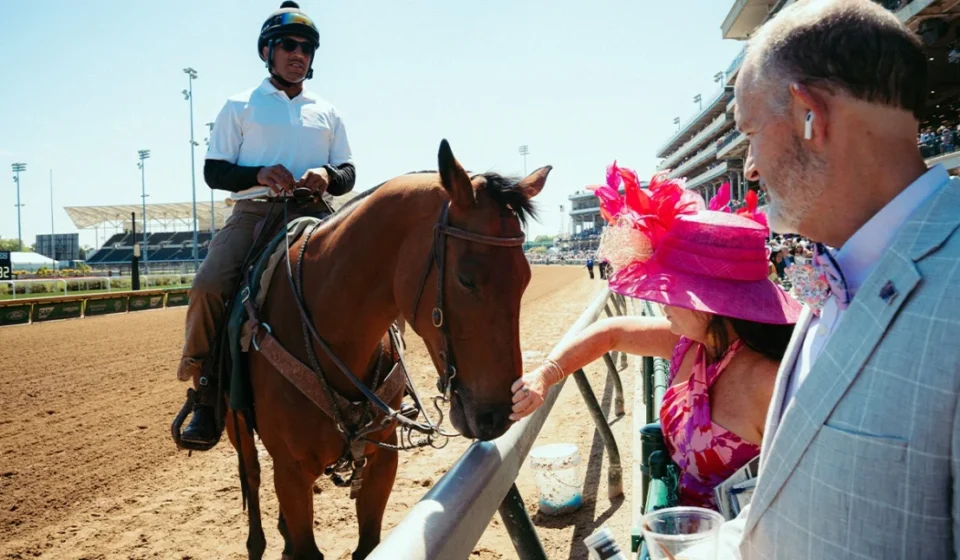
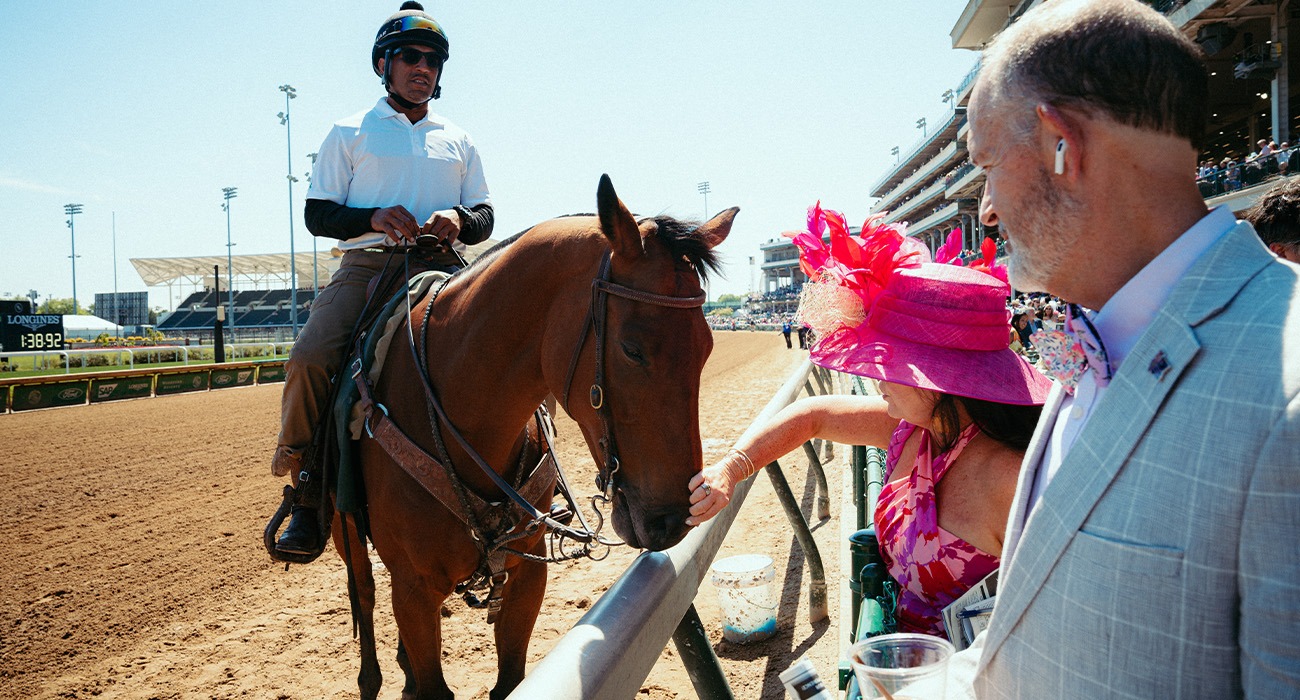
| Horse Racing | Kentucky Derby (Derby Experiences, Club SI) | VIP Clients, Lifestyle Brands | Culturally rich, highly social environment focused on hospitality and fashion. |
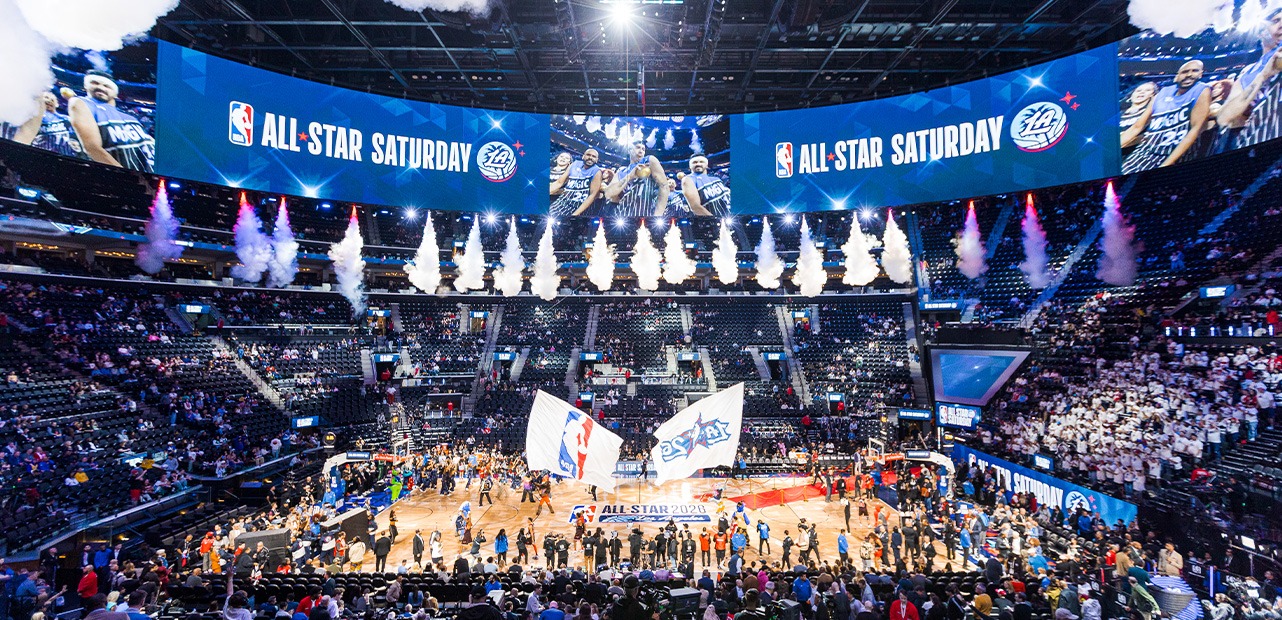
| Basketball | NBA Experiences, VIP Luxury Lounges | Mid-to-High Level Partners, Brand Advocates | Fast-paced, high-energy environment with strong youth and cultural appeal. |
Formula 1: The Gold Standard of Immersive Hospitality
Formula 1 has emerged as the global leader in executing premium, behind-the-scenes corporate hospitality. Through programs like F1 Experiences, the sport has transformed race weekends into multi-day lifestyle festivals.
"Guests are highly engaged by pit lane walks, paddock tours, driver appearances, and luxury hospitality through F1 Experiences," says Clemente.
These activations succeed because they offer something money cannot easily buy on the secondary market: access. Standing on the grid just hours before a race or watching mechanics work inside a garage creates an emotional high that guests associate directly with the hosting brand.
Golf and Tennis: Intimacy and Relationship Management
While motorsports offer high-energy excitement, sports like golf and tennis provide a different, highly effective tempo for corporate hosts. These sports are structurally suited for executive relationship management because of their extended duration and relaxed atmosphere.
"Golf and tennis remain highly effective for corporate audiences because they directly connect sports hospitality with executive relationship management," Clemente notes. "Events like the Australian Open, Rolex Shanghai Masters, U.S. Open, and major golf championships create opportunities for companies to host clients and executives in environments that feel elevated, intimate, and highly engaging. These settings naturally encourage longer conversations, deeper networking, and stronger relationship-building while still delivering the excitement and prestige of world-class competition."
The Power of "Social-First" Moments
A critical driver of modern sports hospitality is the creation of "social-first," shareable moments. When a corporate guest posts a photo of themselves walking the Formula 1 grid or standing trackside at the Kentucky Derby, they are not only validating their own status but also acting as brand ambassadors for the host company.
According to Clemente, these programs are increasingly incorporating:
- Behind-the-scenes access and VIP interactions.
- Branded, high-quality photo opportunities.
- Interactive, high-tech activations (e.g., racing simulators, virtual reality tours).
- Exclusive gift lounges where guests can customize their own event merchandise.
This digital amplification extends the life of the corporate event far beyond the physical venue, driving long-term client retention and deeper brand loyalty.
Official Responses: The Expert Playbook for Event Planners
Designing a successful sports-driven corporate event requires a highly strategic approach. Joe Clemente outlines the critical strategies and common pitfalls that planners must navigate when integrating sports into their corporate programs.
Avoid the "Ticket-Only" Trap
One of the most frequent mistakes corporate planners make is treating the sporting event itself as the entire experience. Simply purchasing tickets and distributing them to clients is a missed opportunity.
"Simply providing tickets often limits networking opportunities and doesn’t fully capitalize on the value sports hospitality can offer," Clemente warns. "Successful corporate sports experiences feel intentional, polished, and relationship-focused rather than overly casual. That starts with premium hospitality environments, curated food and beverage offerings, and thoughtful programming that encourages networking and engagement."
Without a dedicated hospitality space or structured pre- and post-event programming, guests will often disperse, minimizing the time they spend interacting with the corporate hosts.
Tailor the Experience to the Audience
Another critical error is failing to align the event with the demographics and interests of the attendees. A high-energy, loud environment like an NBA game or an F1 race may be perfect for certain clients, while others may prefer the quiet prestige of a major golf championship.
"The most successful events are customized around attendee interests, company goals, and the type of relationships the brand wants to build," says Clemente. "For planners integrating sports experiences for the first time, the most important step is understanding why they want to incorporate sports into their event. Sports hospitality works best when it aligns with the audience and business goals—whether that’s client entertainment, employee engagement, or executive networking."
Clemente’s Checklist for First-Time Planners:
- Define the Business Objective: Is the goal to close new business, reward top-performing employees, or strengthen relationships with existing high-value clients?
- Analyze Attendee Demographics: Consider the age, physical mobility, professional level, and personal interests of your guest list.
- Evaluate Destination and Seasonality: Choose a host city and time of year that offers appealing off-site dining, lodging, and travel logistics.
- Determine the Level of Premium Access: Balance the budget between general admission and VIP spaces like the Barrett-Jackson Luxury Lounge or the Kentucky Derby’s Club SI.
Implications: The Future of Sports Tourism and Corporate Hospitality
The rise of experiential sports hospitality is not a passing trend; it is reshaping the broader sports tourism industry. As corporate demand for premium experiences continues to climb, leagues, teams, and stadium developers are fundamentally changing how they design physical spaces.
+-----------------------------------------------------------------------------+
|                     FUTURE OF SPORTS TOURISM LANDSCAPE                      |
+-----------------------------------------------------------------------------+
|  [CAPITAL REINVESTMENT]                                                     |
|  Venues replace standard seating with luxury suites, open-air lounges, and   |
|  exclusive networking zones to capture high-spending corporate clients.     |
+-----------------------------------------------------------------------------+
|                                      |                                      |
|                                      v                                      |
+-----------------------------------------------------------------------------+
|  [EXPERIENTIAL TRAVEL & BLEISURE]                                           |
|  Corporate attendees demand "once-in-a-lifetime" itineraries combining      |
|  sports, fine dining, regional culture, and high-end wellness.              |
+-----------------------------------------------------------------------------+
|                                      |                                      |
|                                      v                                      |
+-----------------------------------------------------------------------------+
|  [LONG-TERM BUSINESS RETENTION]                                             |
|  Brands move away from transactional sales toward emotional loyalty,        |
|  securing multi-year client partnerships through shared VIP memories.       |
+-----------------------------------------------------------------------------+
Capital Reinvestment in Premium Spaces
Modern sports stadiums and racetracks are no longer built solely to maximize seat capacity. Instead, developers are investing billions of dollars to build flexible, high-end hospitality zones. Traditional luxury suites—which isolated small groups behind glass walls—are being replaced by open-air loge boxes, field-level beach clubs, and trackside viewing decks that facilitate socializing.
"Growth in premium and corporate hospitality continues as leagues, teams, and venues make significant capital investments to attract higher-spending consumers, corporate partners, and experiential event seekers," Clemente notes. "Demand is increasingly centered around luxury suites, premium amenities, and VIP experiences rather than traditional attendance alone."
The Rise of the "Sporting Pilgrimage"
The modern corporate attendee is increasingly willing to travel internationally for the right sporting event. This has fueled the growth of premium experiential travel, where the sporting event serves as the anchor for a broader, culturally rich itinerary.
"F1 race weekends now combine luxury hospitality, nightlife, dining, and entertainment alongside the racing action," Clemente observes. "We’re seeing similar momentum with events such as the Kentucky Derby, MotoGP, and NBA Experiences, where attendees are prioritizing immersive, once-in-a-lifetime experiences that combine sports, travel, and culture. The demand for premium experiential travel tied to major sporting events will continue to grow over the next several years."
For corporate brands, this means that hosting an event at a major international sports fixture is no longer just about the three hours of play. It is about curating a comprehensive, multi-day journey that seamlessly blends business meetings, local culture, fine dining, and elite athletic competition. Those who master this holistic approach to sports hospitality will find themselves scoring major points with their attendees, securing client loyalty for years to come.