The Skincare Revolution: Why Dermatologist-Recommended Staples Are Dominating Beauty Routines

In an era where skincare trends cycle with the speed of a viral TikTok, the industry has seen a massive shift toward "skinimalism" and a return to basics. Consumers are increasingly turning away from complex, multi-step routines laden with harsh actives and moving toward science-backed, dermatologist-recommended products that focus on barrier repair, hydration, and long-term skin health. This pivot is largely driven by a growing awareness of the skin barrier’s integrity and the realization that "less is often more."

At the forefront of this movement are affordable, accessible products available at major retailers like Walmart. By analyzing consumer behavior, expert endorsements, and clinical outcomes, it becomes clear that the secret to healthy skin is no longer hidden in luxury price tags, but in the functional, no-nonsense formulas that prioritize science over aesthetic branding.
The Evolution of the Modern Routine
For years, the beauty industry pushed a "more is better" narrative. However, recent data suggests a significant shift. According to recent market analysis, sales of "clean," simple, and dermatologist-recommended brands—such as CeraVe, Vanicream, and La Roche-Posay—have outpaced luxury counterparts by a significant margin.
The chronology of this shift is tied closely to the post-pandemic realization that many consumers were over-exfoliating and damaging their moisture barriers. As influencers and dermatologists began to emphasize the "skin barrier," search queries for "gentle cleanser" and "ceramides" skyrocketed. This collective pivot back to basics has effectively democratized high-quality skincare.
The Pillars of Effective Skincare: A Breakdown
To understand why these products work, one must look at the formulation science. Modern skincare is moving toward three core functions: cleansing without stripping, active treatment without irritation, and barrier protection.

1. The Gentle Cleansing Foundation
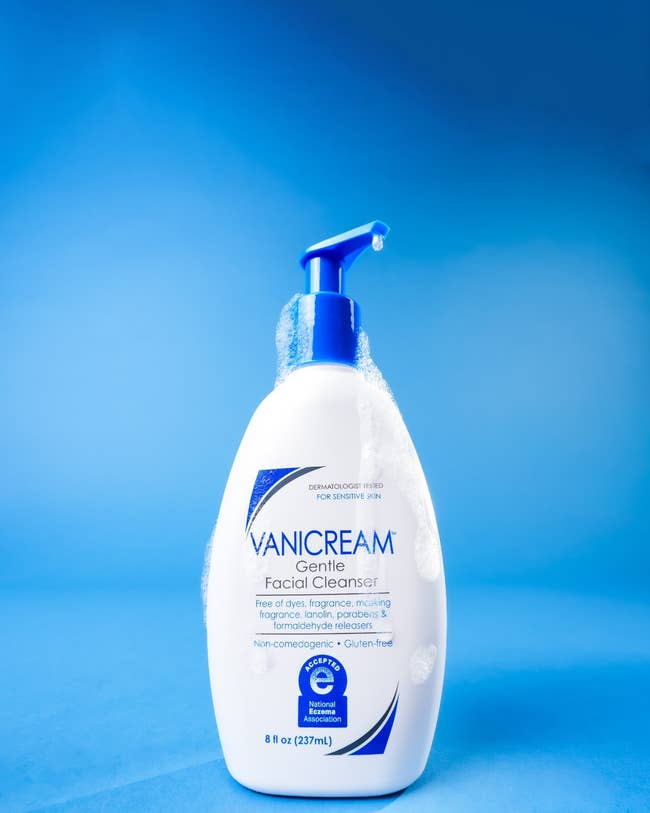
Products like the Vanicream Gentle Facial Cleanser ($9.97) serve as the gold standard for sensitive skin. Dermatologists frequently recommend it because it is free of common irritants such as dyes, fragrances, and parabens. When the skin barrier is compromised, the first step to recovery is eliminating aggressive surfactants that strip away natural oils. Users like "Jeffrey," a consumer with a complex skin profile involving a beard and sensitive, dry-oily combination skin, reported that switching to this gentle formula significantly reduced redness and flakiness.
2. The Multi-Tasking Marvels
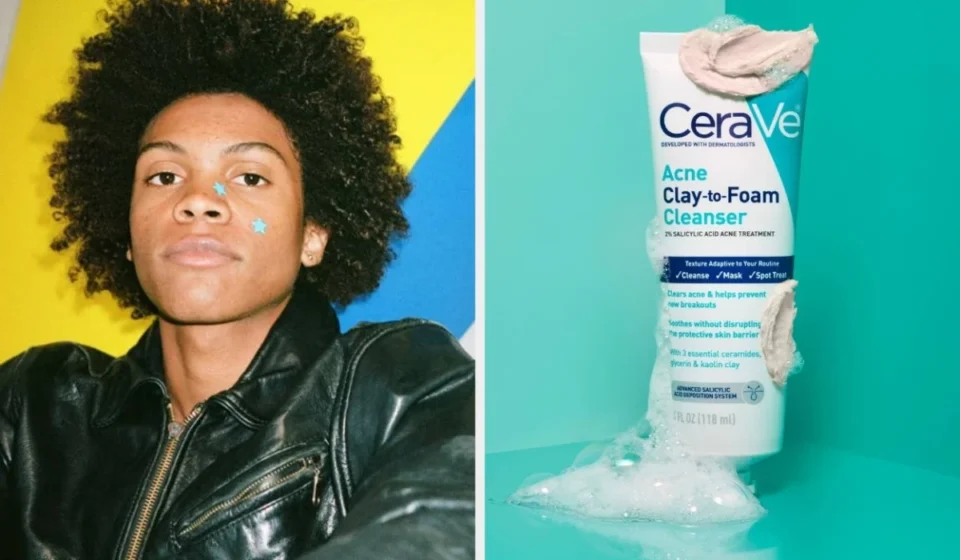
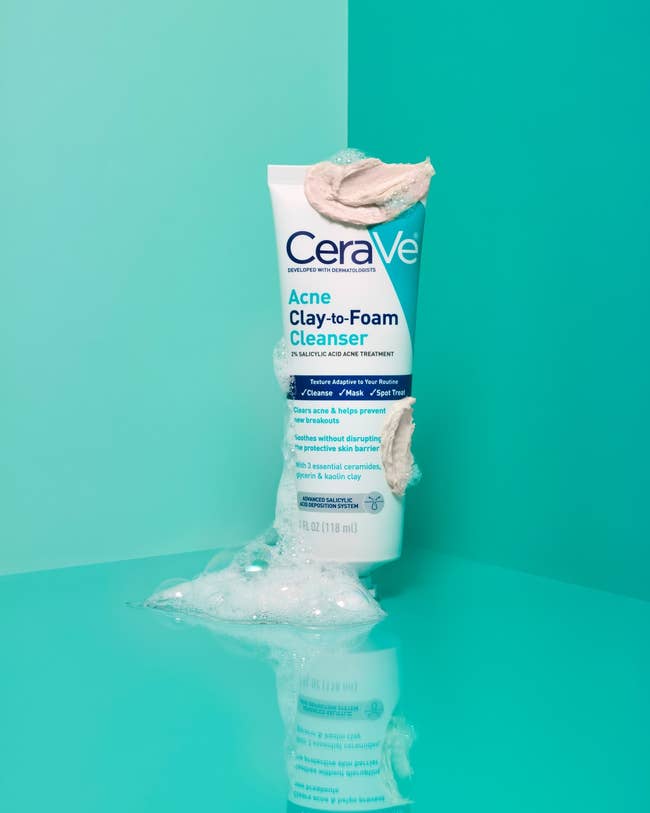
The CeraVe Clay to Foam Cleanser ($14.47) represents the intersection of acne treatment and gentle care. By combining kaolin clay for oil control and salicylic acid for pore clearing with ceramides and glycerin for hydration, it solves the "drying out" problem associated with traditional acne washes. It serves as a prime example of why current consumers favor products that provide "all-in-one" benefits.
3. The Power of Specialized Serums
The rise of niacinamide and Vitamin C as staple ingredients has reshaped the market. The Good Molecules Niacinamide Serum ($5.97+) has gained a cult following because it addresses multiple concerns—pores, texture, and oil—at a price point that makes dermatological-grade care accessible to everyone. Similarly, Olay’s 5-in-1 Super Serum ($29.94) appeals to the time-crunched consumer who wants the benefits of a complex routine without the application fatigue.
Supporting Data and Efficacy
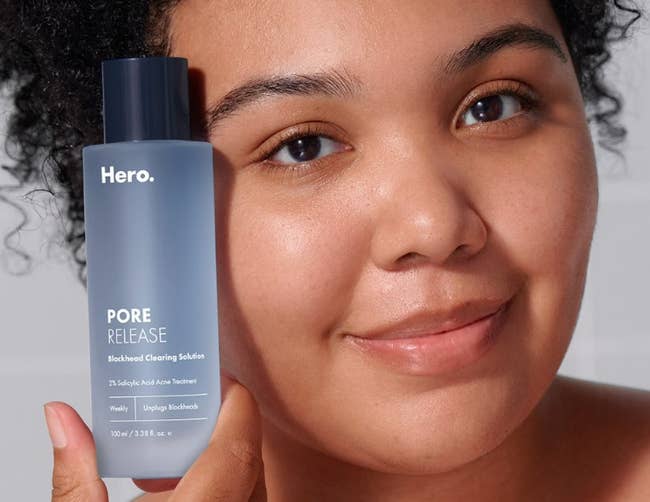
The efficacy of these products is reflected in the high satisfaction rates among verified users. For instance, the Hero Cosmetics Pore Release ($19.97), an exfoliating toner, has garnered praise even from medical professionals. Audrea, a registered nurse and makeup artist, noted that it outperforms traditional adhesive strips by drawing out impurities through chemical exfoliation rather than physical trauma.
This trend toward gentleness is also reflected in the success of the Wet n Wild Cooling Hydra De-Puffer ($4.98). While affordable, it contains potent ingredients like caffeine and green tea oil that provide immediate, visible results, proving that effectiveness is not tethered to a high price point.
The Role of Sun Protection
No skincare routine is complete without a daily SPF, and the market is shifting toward "dry-touch" formulas. The La Roche-Posay Anthelios Clear Skin Sunscreen ($20.97+) and the Hero Cosmetics Force Shield ($15.74) address the two biggest barriers to sunscreen usage: a greasy finish and a white cast. By offering mineral-based options that include tinting or mattifying technology, these brands have effectively solved the aesthetic concerns that previously deterred users from consistent daily protection.
Addressing Inflammation: The New Priority
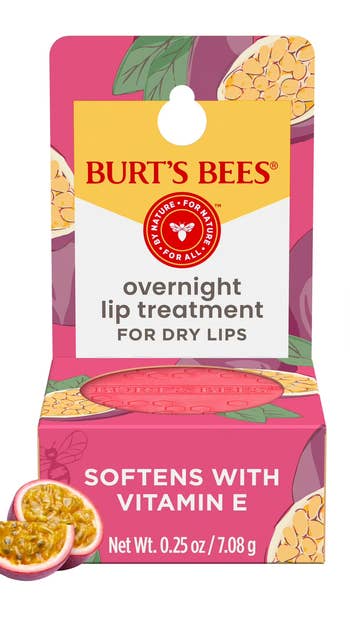
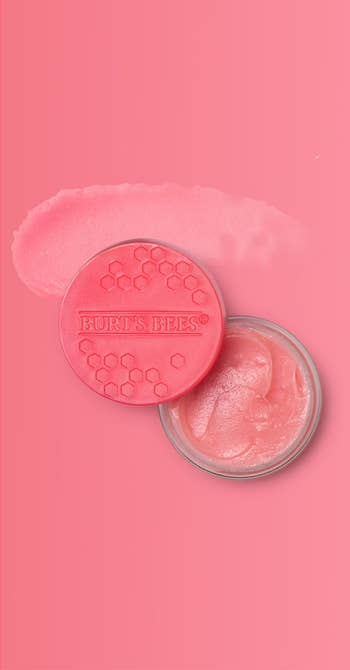
A major theme across all these product lines is the focus on redness and inflammation. Whether it is through the Peach Slices Redness Relief Calming Cream ($19.88) or the Burt’s Bees Overnight Lip Treatment ($10.99), consumers are investing in products that soothe the skin rather than just covering it up. The inclusion of ingredients like panthenol, turmeric, and chamomile indicates a move toward botanical-science hybrids that provide immediate relief.
Official Perspectives and Implications
Dermatologists often emphasize that the "best" routine is the one that an individual will actually follow. The rise of these accessible products at major retailers suggests a maturation of the consumer base. When products are affordable, users are more likely to repurchase, ensuring long-term adherence to a routine.
This trend has major implications for the beauty industry:
- Sustainability of Habits: Lower price points allow for consistent use, which is critical for the efficacy of active ingredients like retinoids or acids.
- Inclusivity: By prioritizing mass-market accessibility, brands are ensuring that high-quality, scientifically sound skincare is available regardless of socioeconomic status.
- Transparency: The move toward "barrier-first" products suggests that brands can no longer rely on buzzwords. Efficacy, backed by simple, effective ingredients, is the new currency.
Conclusion: A Future of Simplified Care
The skincare landscape has been permanently altered by the shift toward science-based, gentle, and accessible products. Whether it is through the use of Aquaphor for "slugging" or incorporating a Foreo Luna Mini 2 ($139) for a deep yet gentle clean, the focus remains on health and longevity.
As we look toward the future of the beauty industry, it is clear that the most "innovative" products are those that solve real problems with elegant, straightforward formulations. By removing the guesswork and focusing on what the skin actually needs to thrive, these products are not just trends—they are the new foundation of a healthy, glowing, and resilient complexion.
Why Trust Our Analysis?
At the core of this report is a commitment to service journalism. Our research team prioritizes real-world performance, vetting ingredient lists against dermatological standards and analyzing user sentiment to ensure that our recommendations reflect products that truly deliver on their promises. We favor accessibility, inclusive pricing, and transparent brand claims. We believe in providing the context necessary for you to build a routine that works for your unique skin, helping you navigate the saturated beauty market with confidence and clarity.
Note: Always consult with a board-certified dermatologist before introducing new potent actives into your routine, especially if you have chronic skin conditions.
Related posts: