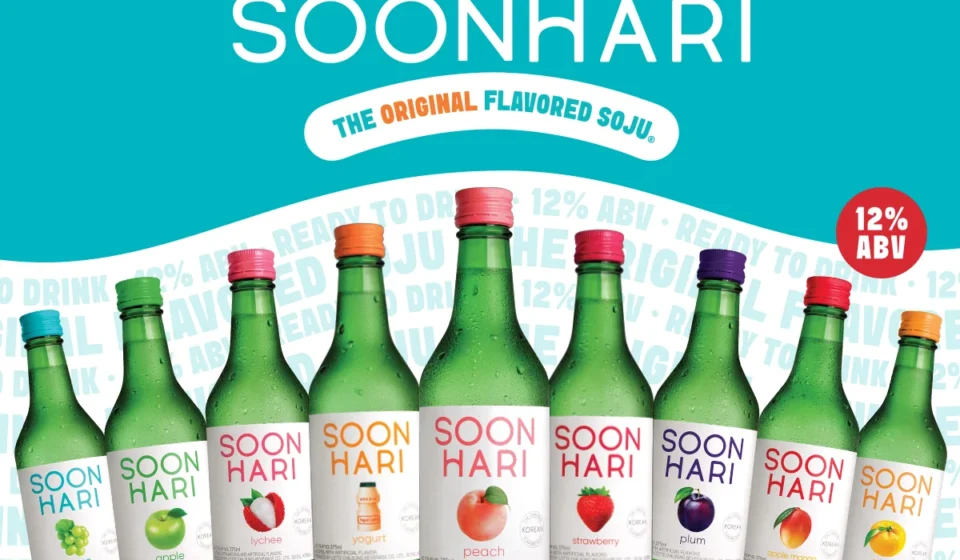

In the rapidly evolving landscape of convenience retail, the quest for the "next big thing" often leads operators to look beyond traditional domestic beer and malt-based seltzers. Today, that search has landed firmly on an unlikely, yet surging, contender: flavored soju. As legal drinking age (LDA) Gen Z shoppers reshape the retail environment with their distinct preferences for international flavors and "K-culture" integration, flavored soju—led by the trailblazing brand Soonhari—has emerged as a lucrative, high-velocity opportunity for operators nationwide.
The Shift in Consumer Demographics: Understanding the Gen Z Powerhouse
To understand why soju is capturing shelf space, one must first understand the demographic driving the trend. According to a recent report by market research firm Circana, LDA Gen Z shoppers are currently the most influential buying group in the convenience store channel. The data is compelling: 76 percent of this cohort visits a c-store at least once a week, a frequency rate that outpaces any other age demographic.
Perhaps more importantly for the bottom line, these shoppers are not just frequent visitors—they are high-volume purchasers. The report indicates that LDA Gen Z consumers are twice as likely to make a "basket-building" purchase of 10 or more items during a single store visit compared to older generations. They are looking for novelty, authenticity, and products that reflect the globalized culture they consume on social media platforms like TikTok and Instagram.
What is Soju, and Why Now?
Soju is a clear, distilled spirit traditionally crafted from grains such as rice, barley, and wheat. Known for its smooth, mildly sweet profile and higher alcohol content than standard beers, it has long been a staple of Korean dining and social life. However, its transition from a niche Asian specialty item to a mainstream American retail phenomenon is largely due to the rise of flavored variants.
Soonhari, the first brand to introduce flavored soju to the global market, has become the face of this movement. By marrying the traditional spirit-based formulation with approachable, fruit-forward profiles, the brand has tapped into a growing fascination with Korean cultural exports—from K-pop and K-dramas to Korean cuisine.
A Two-Track Strategy: Balancing Familiarity and Exploration
The success of the Soonhari portfolio lies in its calculated approach to flavor profiles. Understanding that modern consumers crave both the "safe" and the "exotic," the brand utilizes a two-track strategy.
"We are building a two-track strategy around our flavors: mainstream, mass-appeal favorites such as Peach, Strawberry, and Apple, alongside more exotic differentiators such as Lychee, Yogurt, and Apple Mango," explains Kloud Kim, president of Lotte Beverages America.
This duality allows retailers to capture the impulse buyer who wants a familiar fruit flavor while simultaneously inviting the adventurous shopper to experiment with more unique profiles. With nine distinct flavors, the brand ensures that there is an entry point for every palate, effectively lowering the barrier to trial.
The Operational Advantage: Portability, Price, and Profit
For the c-store operator, the value proposition of soju extends beyond mere trendiness. It offers a tangible competitive edge in the cold vault.
The 375 mL Format
Unlike traditional spirits that occupy shelf space in standard 750 mL bottles, Soonhari’s 375 mL format is purpose-built for the convenience channel. It is small enough to encourage a multi-bottle purchase but large enough to offer a shared experience. Because the price point is lower than a full-sized bottle of spirits, it fits perfectly into the "affordable indulgence" category that defines much of the c-store purchasing behavior today.
Cold-Box Velocity
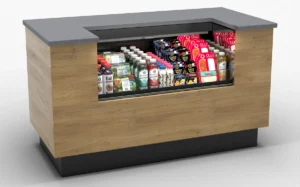
One of the most significant shifts in retail strategy for soju is its placement. While it was once relegated to the "Asian specialty" aisle—a location often ignored by the average grab-and-go shopper—the current strategy is to place it directly in the cold box alongside ready-to-drink (RTD) cocktails and flavored malt beverages.
"I think we are best served in cold boxes alongside canned cocktails and all those RTDs, because it’s best served chilled," says Kim. This placement encourages cross-merchandising. When a customer walks in to grab their usual beverage, the vibrant packaging of Soonhari acts as a high-visibility, impulse-driven add-on.
The Gallo Partnership: Scaling for Nationwide Success
A significant hurdle for any specialty beverage brand entering the U.S. market is distribution. To overcome this, Lotte, the parent company of Soonhari, has partnered with E. & J. Gallo Winery, the largest family-owned winery in the United States and a powerhouse in beverage distribution.
"Thanks to Gallo, it has a great network of distribution," Kim notes. "They’ve been doing a great job placing our products in cold boxes and educating the retailers about how Soonhari, as a ready-to-drink beverage, is different from sake and other Asian specialty drinks."
This partnership provides the infrastructure necessary to ensure that retailers—whether they are single-store operators or part of a national chain—can easily reorder and maintain stock levels. In the convenience world, where out-of-stocks are the enemy of growth, this reliability is a critical selling point.
Implications for the Future of Convenience Retail
The rise of flavored soju is a microcosm of a larger trend in the retail industry: the "premiumization" of convenience. Today’s consumers are not willing to compromise on quality, even when shopping on the go.
Cross-Category Pairing
Retailers are finding success by pairing soju with the growing selection of prepackaged Asian-inspired foods, such as sushi or heat-and-eat Korean bowls. "I’ve been seeing a lot of Asian food in c-stores too, like sushi or Korean-inspired prepackaged food," Kim says. "I’ll say those would be a perfect spot for soju—just a natural pairing that we see right away."
Competitive Price Point vs. Value
At a suggested retail price (SRP) of $5.99 per bottle, soju occupies a "sweet spot" in the consumer’s wallet. It is inexpensive enough to be a low-risk purchase, yet it carries a higher perceived value than a standard beer. By driving the average ticket size higher, it serves as a powerful "basket builder."
A Call to Action for Operators
As Gen Z continues to exert influence over the retail landscape, the operators who thrive will be those who remain agile, adapting their inventory to match the cultural shifts of their audience. The integration of authentic, spirit-based products like Soonhari into the standard beverage rotation is no longer just an experiment—it is a strategic necessity.
For retailers looking to capitalize on this momentum, the formula is clear:
- Prioritize Cold-Vault Placement: Treat soju as a competitor to canned cocktails, not as an ethnic specialty item.
- Leverage the "Basket Builder" Effect: Position the 375 mL bottles near high-traffic food items to encourage pairing.
- Emphasize Authenticity: Highlight the spirit-based, original nature of the product to distinguish it from the flood of "green bottle" copycats.
By combining the cultural relevance of K-pop-era trends with the logistical muscle of a national distribution network, Soonhari provides a low-barrier, high-reward opportunity for operators. In a retail environment that rewards speed, convenience, and trend-consciousness, the "soju surge" appears to be more than a passing fad; it is the new standard for the modern convenience store.
To learn more about how to bring this viral opportunity into your store, visit SoonhariUSA.com.
Disclaimer: This article is sponsored content provided by Soonhari. The information regarding consumer behavior and market trends is based on internal data and broader industry reports. Always ensure compliance with local and state alcohol regulations when stocking and selling alcoholic beverages.