
The Strategic Architect: Building a High-Performance Content Marketing Tech Stack

In the modern digital landscape, content marketing is no longer just about volume; it is about absolute precision. As consumer attention spans dwindle and digital noise reaches an all-time high, marketing teams are finding that "doing it all" is a recipe for operational burnout and diluted messaging. To cut through the clutter, organizations are shifting away from fragmented, manual workflows toward centralized, data-driven technology stacks that transform raw content into measurable business value.

The transition from "content creation" to "content operations" requires a robust infrastructure capable of uncovering actionable audience behaviors, automating repetitive tasks, and providing granular oversight. This guide outlines the essential tools—and the strategic framework—needed to build a resilient, scalable content marketing engine.
The Strategic Foundation: Why Centralization Matters
The primary challenge facing contemporary marketing teams is the "silo effect." When research, creation, and distribution occur in disconnected platforms, data gets lost, and brand consistency suffers. A centralized tech stack acts as the nervous system of your marketing department. By replacing guesswork with integrated analytics and AI-enhanced workflows, teams can ensure that every asset produced serves a specific stage of the buyer’s journey.
1. Sprout Social: The Command Center for Social Intelligence
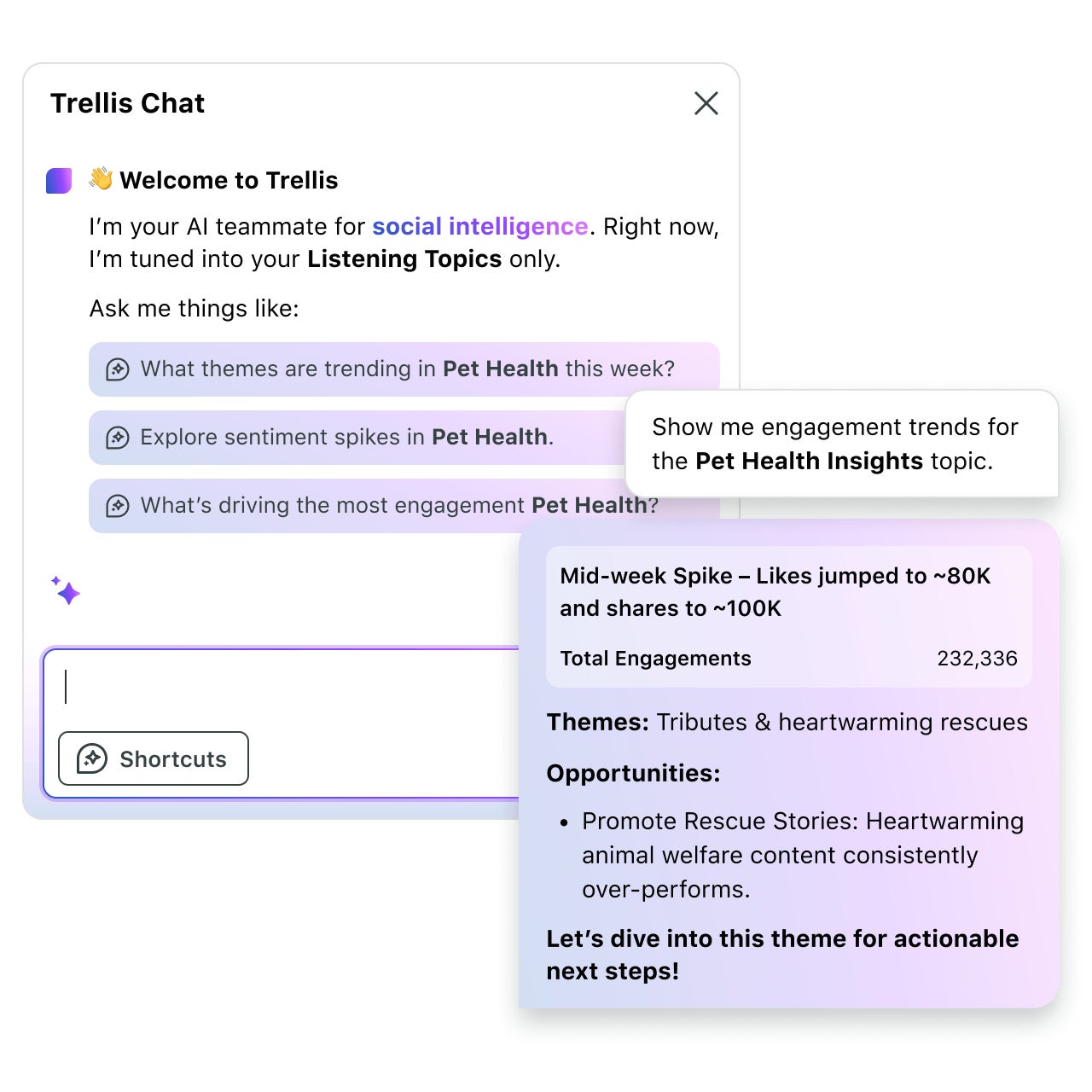
Sprout Social has emerged as the premier choice for organizations looking to bridge the gap between social engagement and business impact. By consolidating publishing, active community management, and AI-driven customer care into a single interface, Sprout eliminates the need for disparate software.
- The Power of AI: Sprout’s human-centric AI processes over a billion messages daily, stripping away digital noise to provide "decision-ready" social intelligence.
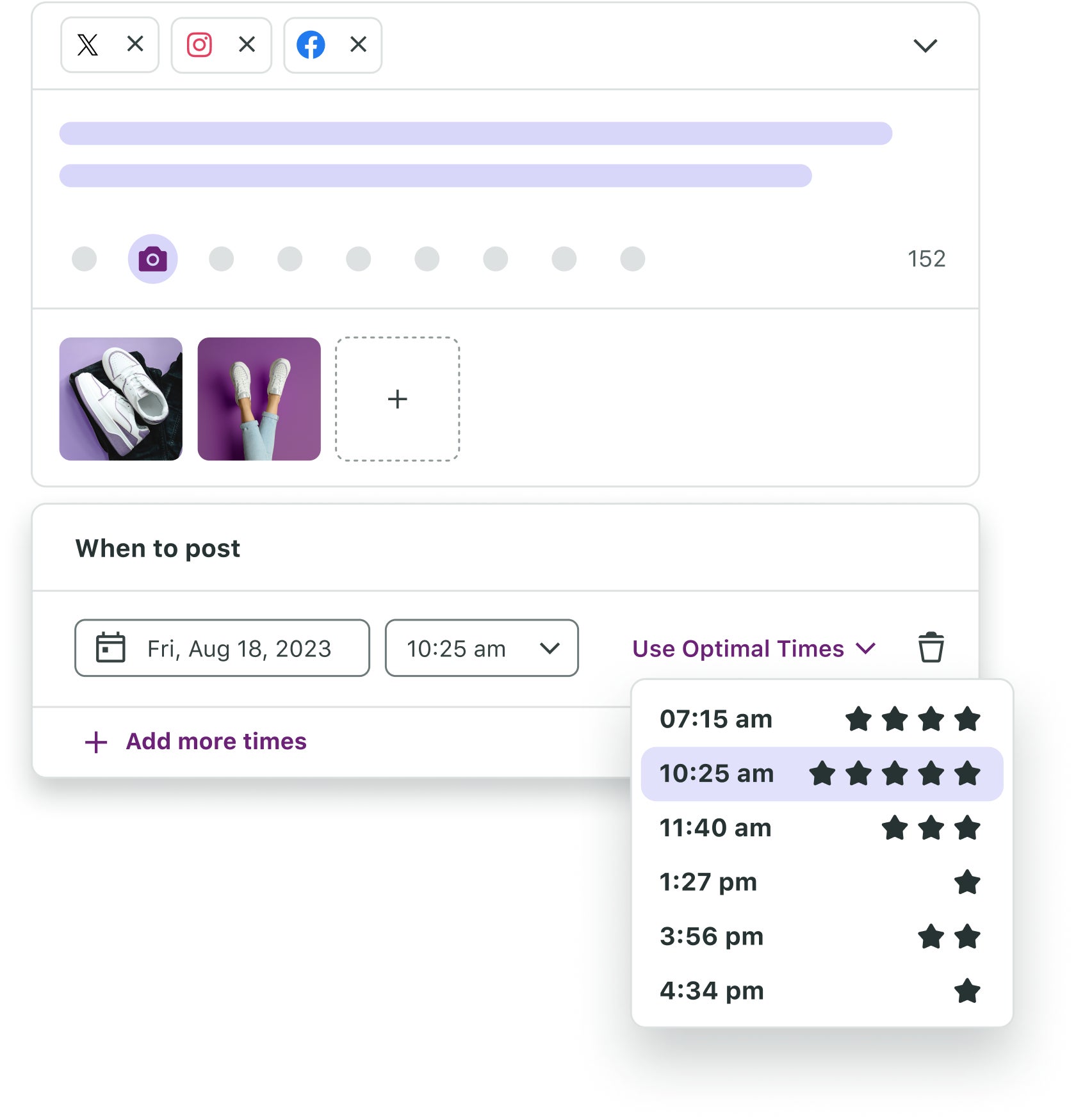
- Optimal Timing: With patented ViralPost® technology, the platform analyzes engagement patterns to automatically schedule content, ensuring maximum reach during peak audience activity.
- Efficiency: With an average onboarding time of just 34 days, teams can rapidly pivot from software management to driving tangible ROI, often seeing up to a 268% return on investment.
2. HubSpot Marketing Hub
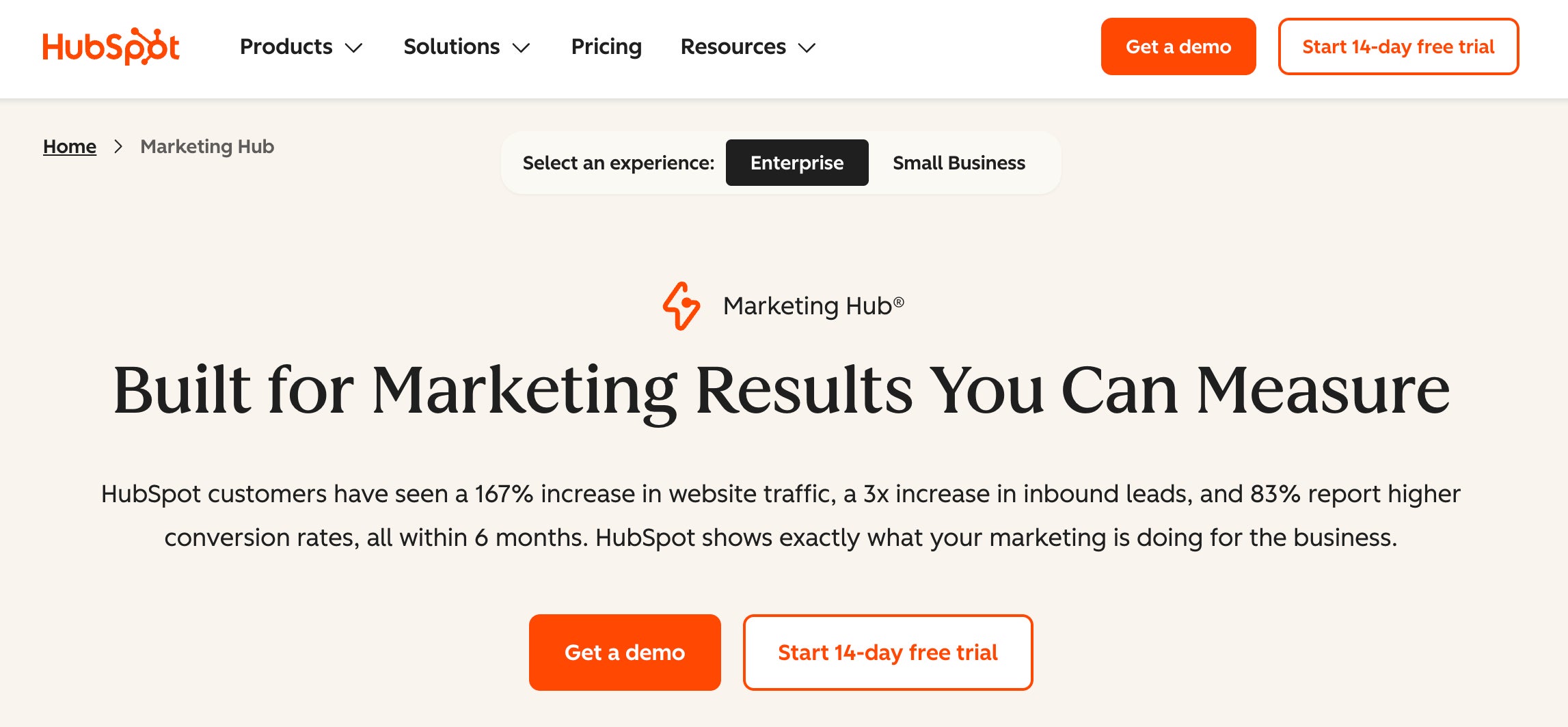
HubSpot remains the gold standard for inbound marketing. By unifying content management systems (CMS), email automation, and social media scheduling, HubSpot allows teams to map the entire marketing lifecycle. It excels at connecting top-of-funnel attraction—like blog traffic—to bottom-of-funnel lead nurturing, providing clear dashboards that prove the ROI of every campaign.
3. Semrush
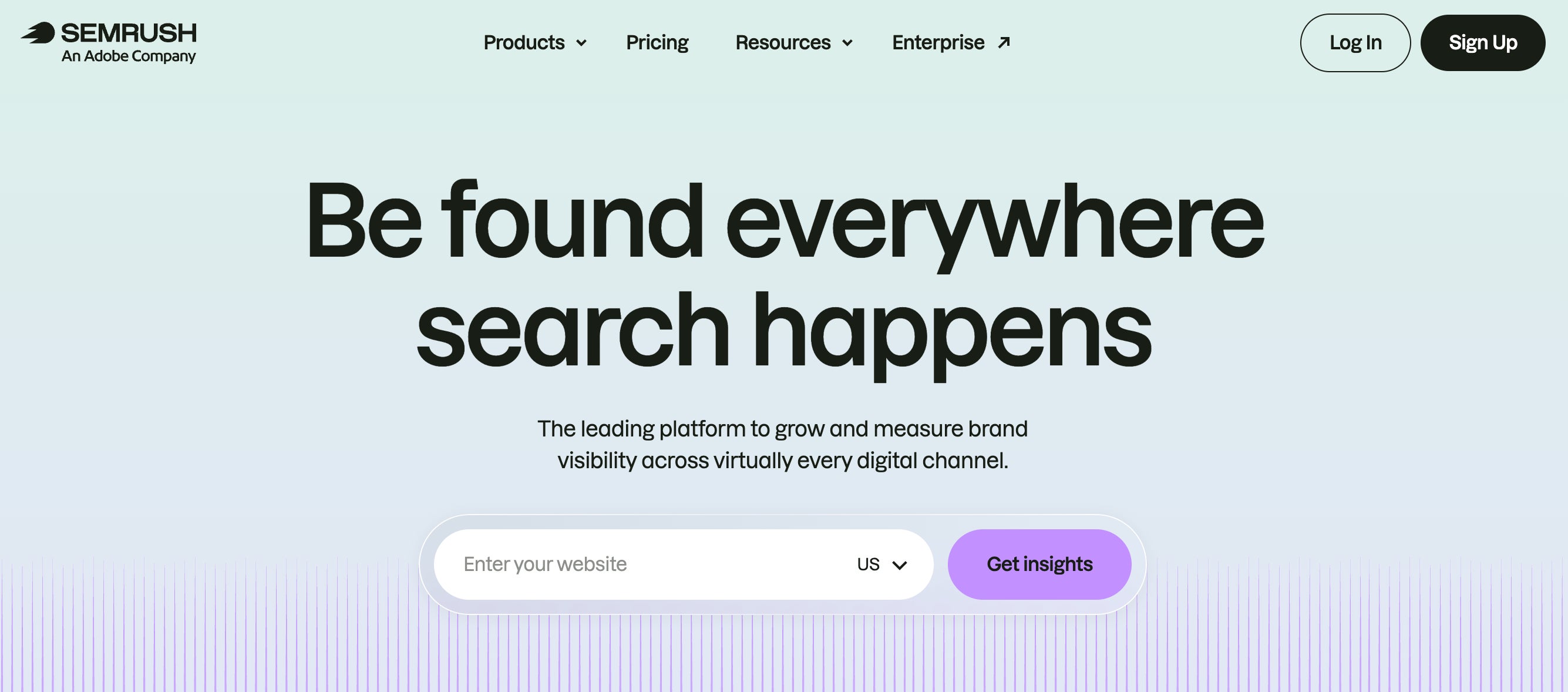
For teams focused on discoverability, Semrush is an indispensable suite. Beyond its roots in SEO, it has evolved into an end-to-end production workflow tool. It allows marketers to conduct technical audits, perform deep-dive competitor analysis, and identify "content gaps"—unserved topics where your brand can establish authority.
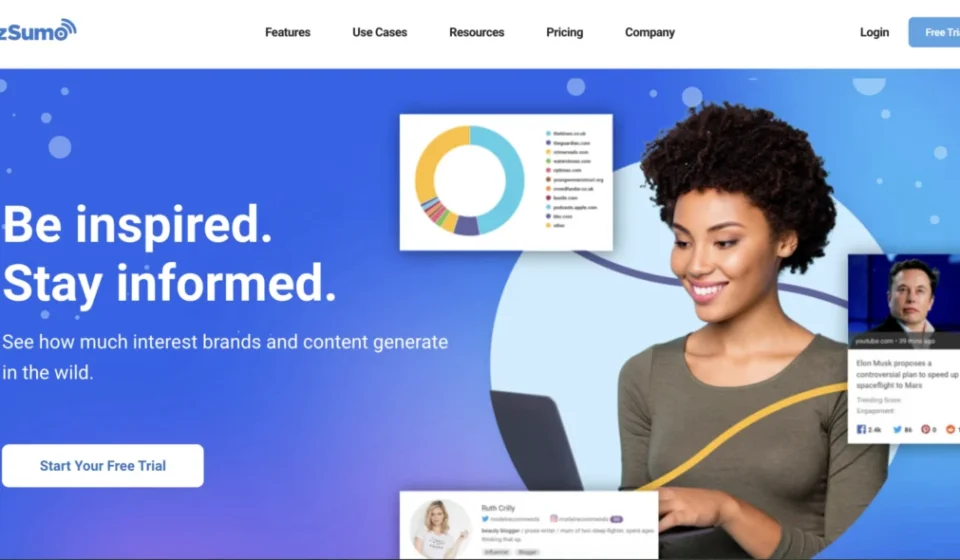
4. BuzzSumo
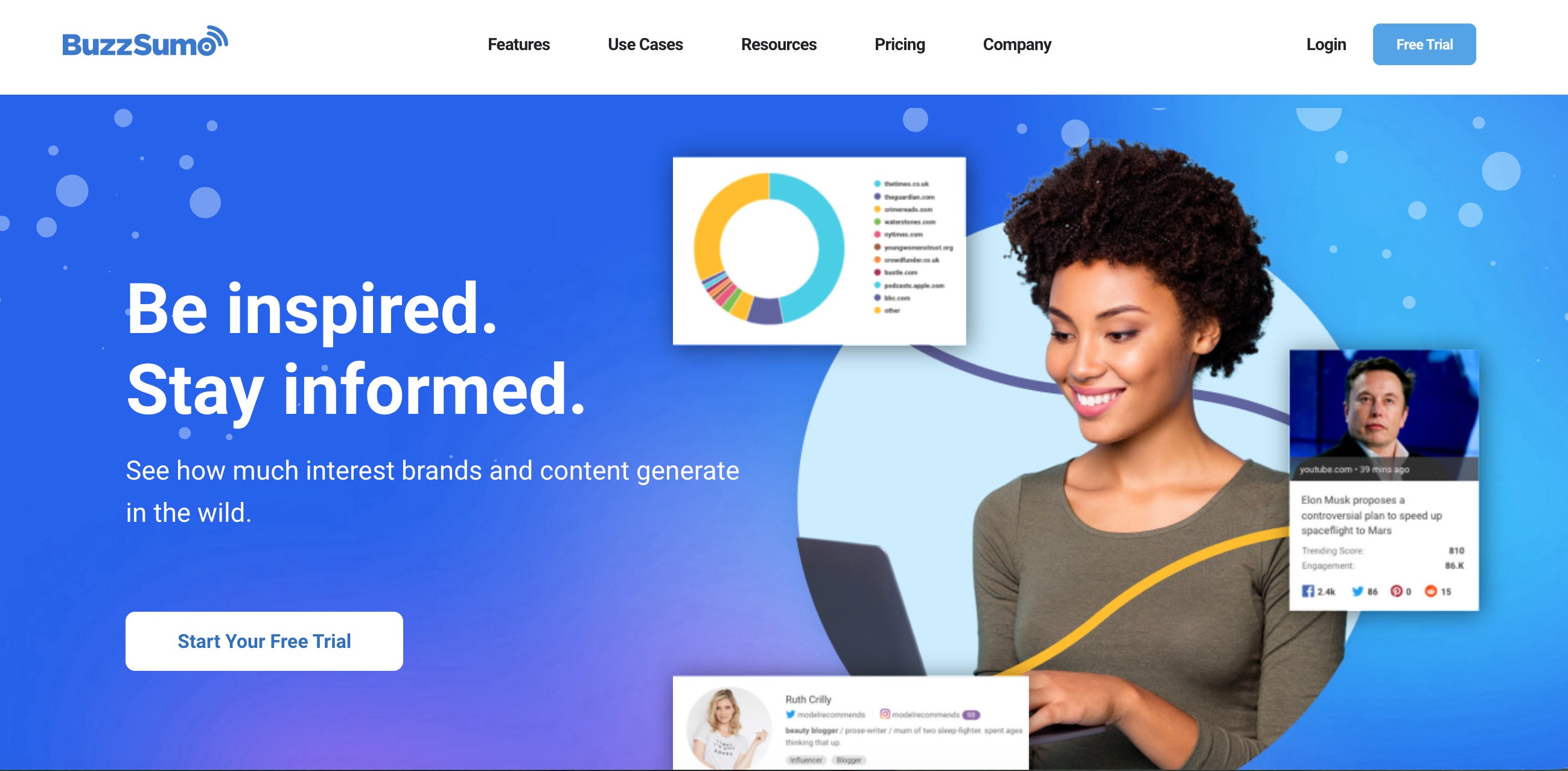
When it comes to trend forecasting, BuzzSumo provides the pulse of the internet. By monitoring global social engagement data, the tool reveals exactly which headlines and formats are capturing public interest, helping teams move from reactive content creation to proactive trend-setting.
5. Canva
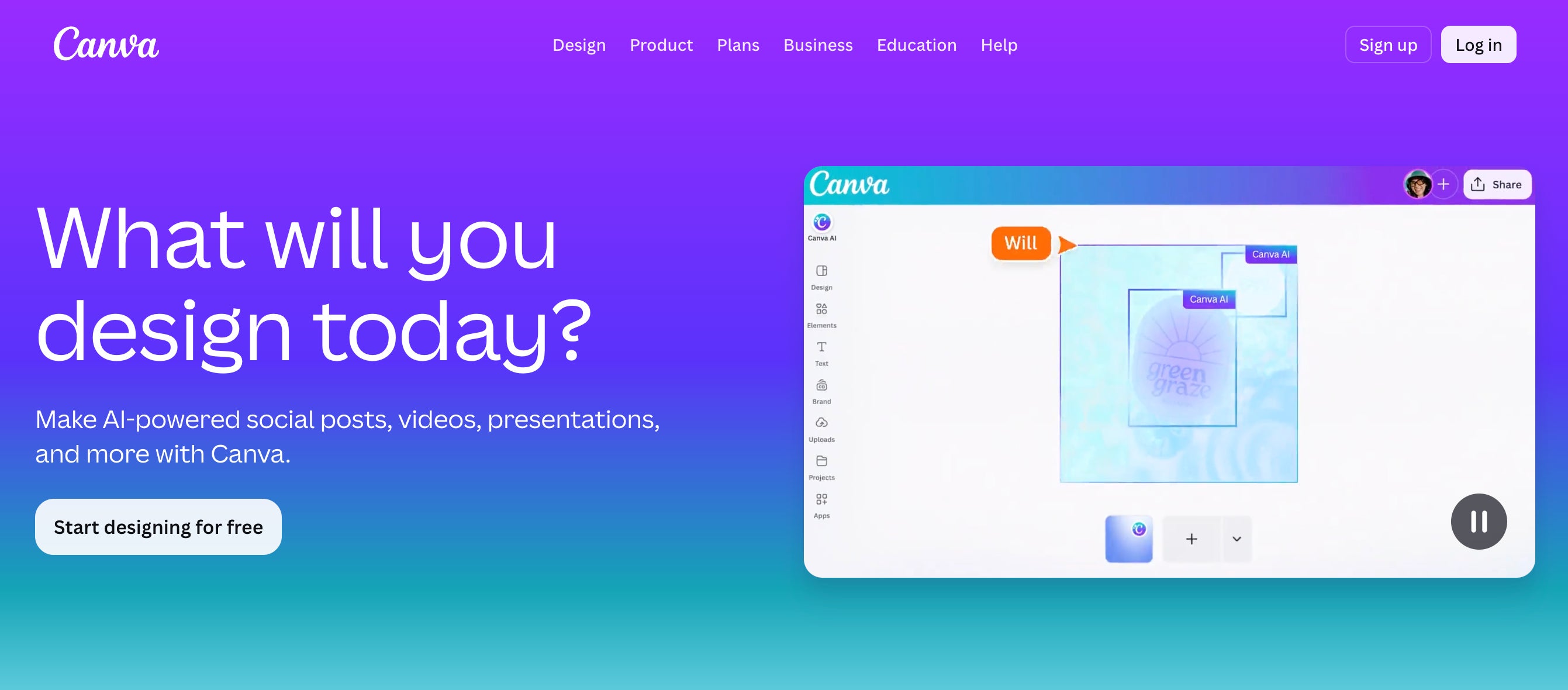
Canva democratizes graphic design. By providing an expansive library of customizable, on-brand templates, it allows non-designers to produce high-quality, professional assets at scale, ensuring visual consistency across all distribution channels.
The AI Revolution: Scaling Production with Precision
Generic AI text generation often results in low-quality content that fails to rank or engage. However, advanced AI tools, when used correctly, serve as force multipliers for human creativity.
- Jasper: Designed for enterprise, Jasper acts as a brand-aligned writing assistant. It is particularly effective at translating complex briefs into structured blog posts and promotional copy that mirror a specific company’s style.
- ChatGPT: An essential tool for ideation. Marketing teams use it as a real-time brainstorming partner, useful for restructuring technical documents, testing messaging angles, and outlining complex editorial projects.
- Claude: Renowned for its massive context window and natural language processing, Claude is the preferred tool for editorial teams managing long-form content, critical tone adjustments, and deep document synthesis.
Data-Driven Diagnostics: Measuring What Matters
To satisfy an audience that demands human-centric experiences, you must understand how they move through your digital ecosystem.
- Google Analytics 4 (GA4): The industry standard for monitoring user pathways. GA4 allows creators to see exactly how individual web assets contribute to lead milestones and purchase conversions.
- Hotjar: This tool provides a visual layer to your data. Through click maps and session recordings, Hotjar shows you exactly where your audience encounters friction, allowing for iterative design improvements.
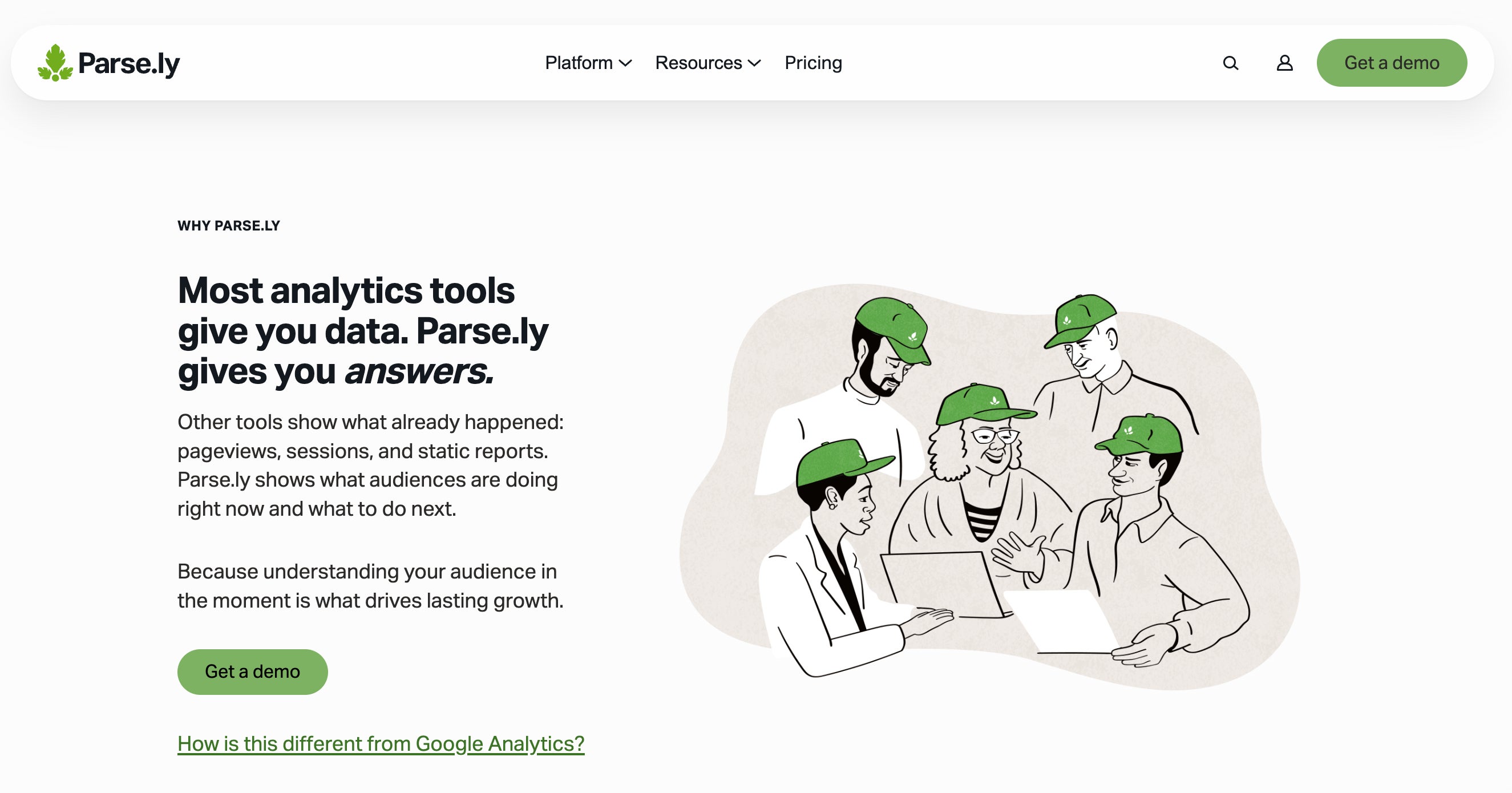
- Parse.ly: Specifically built for media and corporate content hubs, Parse.ly excels at real-time editorial tracking, showing writers which articles are holding reader attention and which are losing it.
The Automation Engine: Eliminating Operational Bottlenecks
Repetitive manual tasks are the death of strategic growth. By implementing automation, teams can ensure that content distribution happens seamlessly.
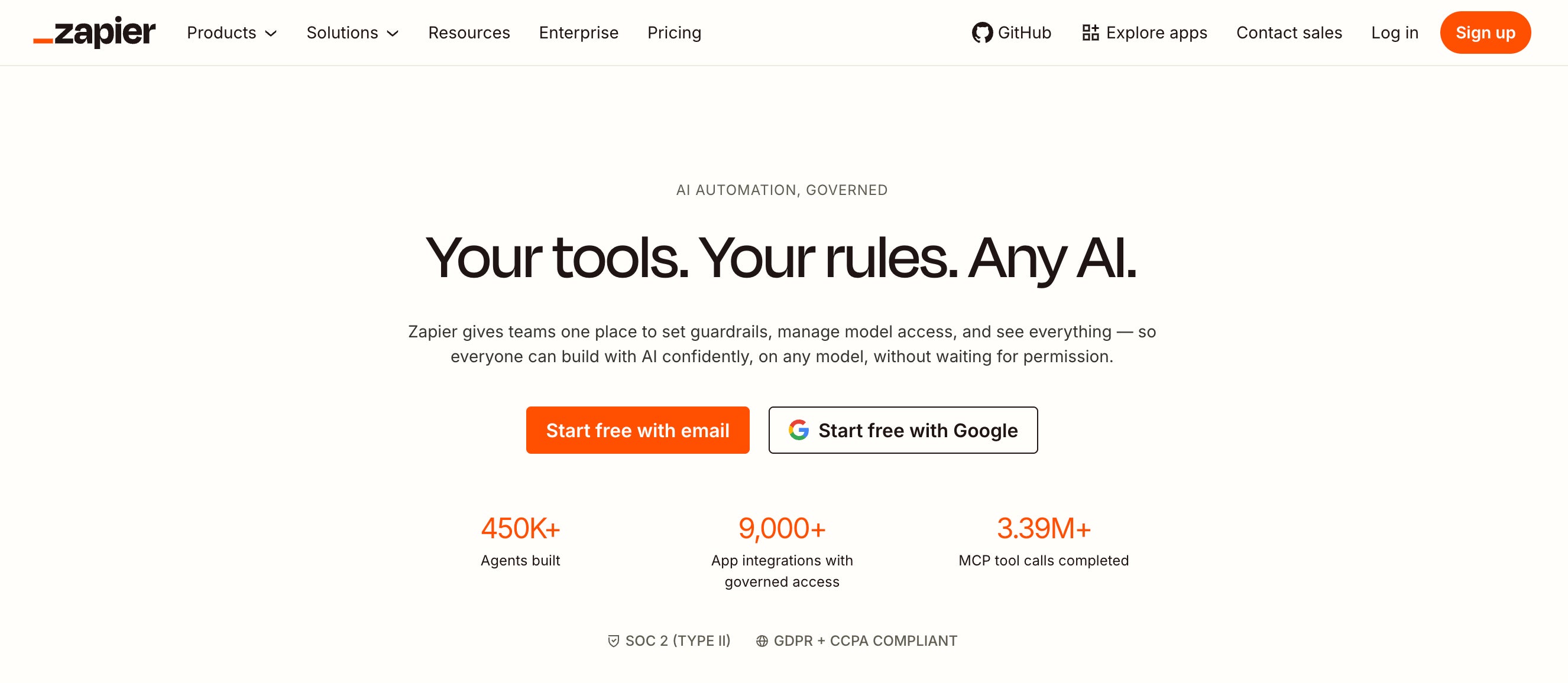
- Zapier: The ultimate "glue" of the tech stack. It connects thousands of apps, allowing you to sync leads from a landing page directly into your CRM or email platform without writing a single line of code.
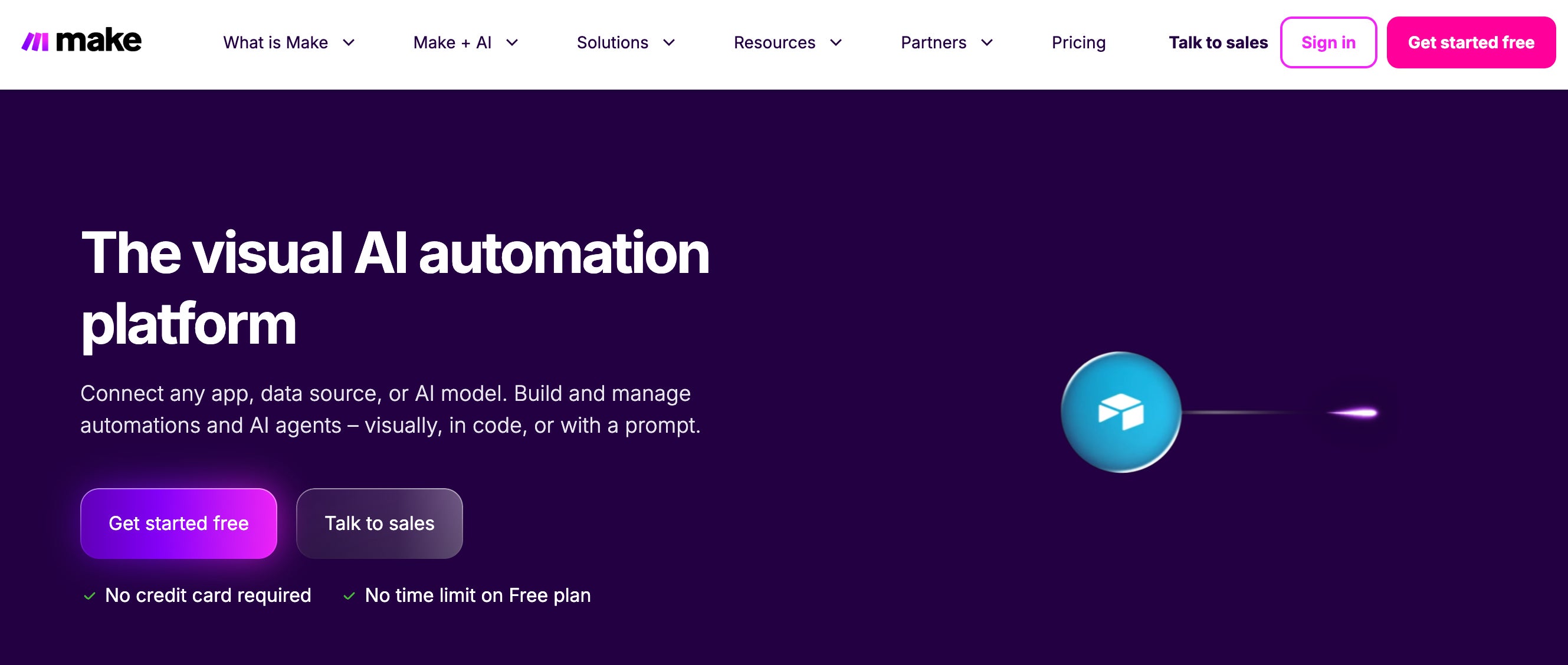
- Make: For teams requiring complex, multi-step logic, Make offers a visual environment to build intricate data pipelines and automated workflows that scale across entire cloud-based infrastructures.
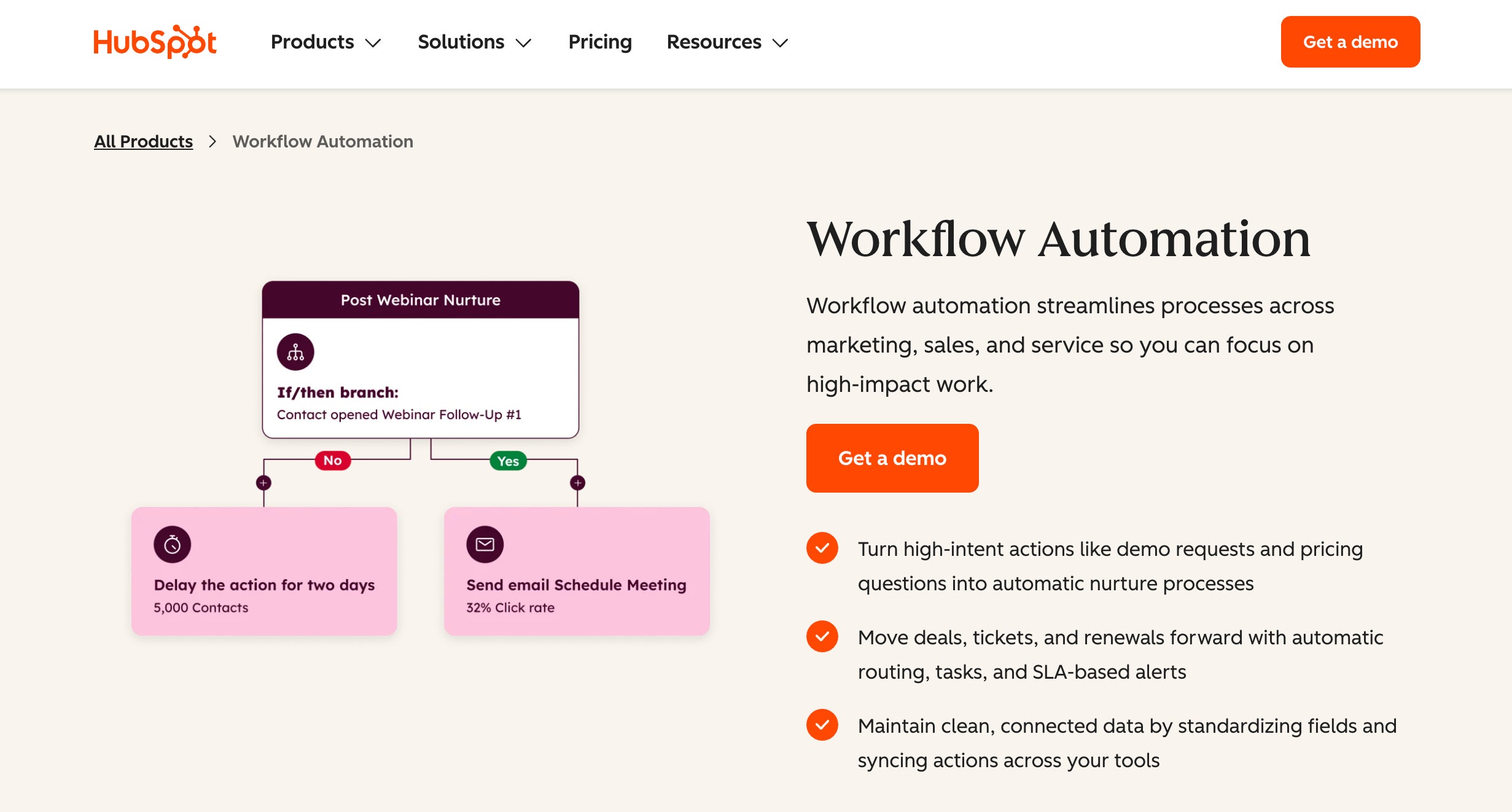
- HubSpot Workflows: By leveraging behavioral triggers, this tool ensures that potential buyers receive the right information at the right time, personalizing the journey based on the pages they visit.
SEO: Aligning Intent with Content
Search engine optimization is no longer just about keywords; it is about topical authority and satisfying user intent.
- Ahrefs: A powerhouse for backlink profiling and competitor analysis. It allows you to see the "organic footprint" of your competitors and identify high-value keywords where your brand can win.
- Surfer SEO: This tool provides a structural scorecard for your content. By analyzing the top-ranking pages for a given term, Surfer tells you the optimal word count, heading structure, and keyword density required to compete.
- Google Search Console: The primary source of truth for organic performance. It provides the most accurate data regarding which search queries are actually driving traffic to your site.
Operational Excellence: Project Management and Enterprise Governance
For global organizations, the challenge is not just creation, but compliance and coordination.
- Monday.com and Asana: Both platforms provide the visual project management needed to track multi-stage approval processes. They ensure that creative teams, writers, and stakeholders stay aligned on deadlines.
- Notion: Serves as the ultimate "source of truth." By housing editorial calendars, brand guidelines, and content briefs in one modular environment, Notion ensures that internal knowledge is universally accessible.
- Enterprise Solutions (Contently, Adobe Experience Manager, Optimizely): These platforms are designed for Fortune 500-level complexity. They provide the governance needed to manage global assets, ensure brand compliance, and coordinate multi-brand campaigns across dozens of countries simultaneously.
Future-Proofing Your Strategy
Success in a saturated digital landscape requires a definitive shift from passive production to strategic execution. The tools highlighted in this guide are not merely administrative aids; they are strategic assets that protect your brand equity and translate content investments into revenue.
Frequently Asked Questions (FAQs)
Q: How many tools should be in a typical stack?
A: Most high-performing teams use between five and eight tools. The goal is to cover research, creation, optimization, management, and analytics without creating "tool bloat."
Q: What is the most critical tool for a small team starting out?
A: Prioritize a strong analytics platform (GA4), a keyword research tool (Semrush or Ahrefs), and a project management tool (Notion or Asana). These three provide the baseline visibility and organization required to scale.
Q: How do I know if I need an enterprise-grade tool?
A: If your team is struggling with brand compliance, multi-region coordination, or the secure storage of thousands of digital assets, you have outgrown standard project management tools. Enterprise solutions like Adobe Experience Manager provide the governance necessary for that level of complexity.

Q: Should I automate everything?
A: Automate the mechanical workflows—data syncing, scheduling, and lead routing. Never automate the creative process itself; keep the "human touch" at the center of your strategy to maintain authentic audience connection.
By integrating these tools into a cohesive strategy, organizations can move past the limitations of manual production, ensuring their content not only reaches the right people but drives lasting, measurable growth.