The Synthetic Dilemma: Viral AI Animation Sparks Debate on the Future of Creativity

The intersection of artificial intelligence and animation has long been a contentious battleground, but a recent viral project has brought these simmering tensions to a boiling point. The animation, created by artist "Antrofrog" and circulated widely on X (formerly Twitter), has ignited a fierce debate regarding artistic integrity, the ethics of generative models, and the existential anxiety currently gripping the creative industries. While the short clip aims to present a whimsical, polished narrative, it has instead become a lightning rod for criticism, exposing the deep-seated skepticism audiences now harbor toward AI-generated content.
The Anatomy of the Viral Clip
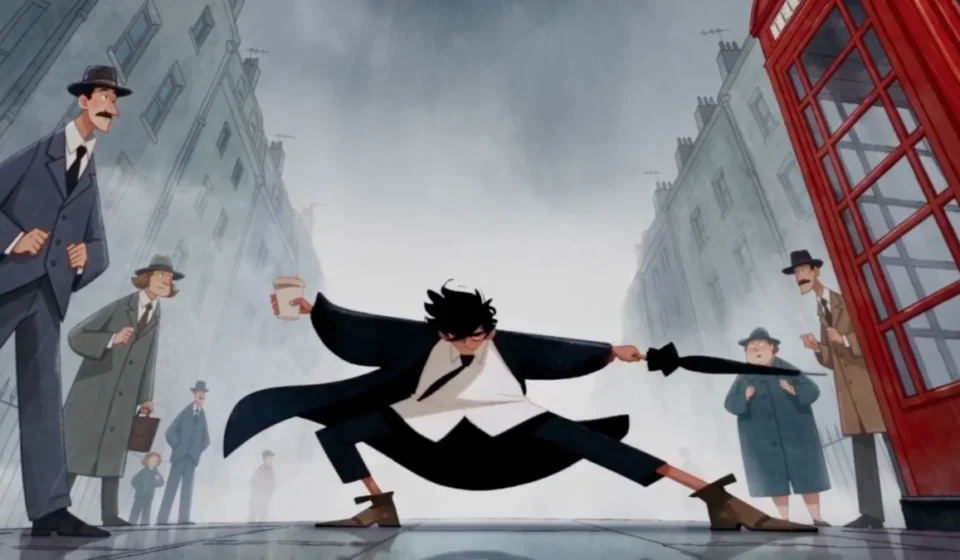
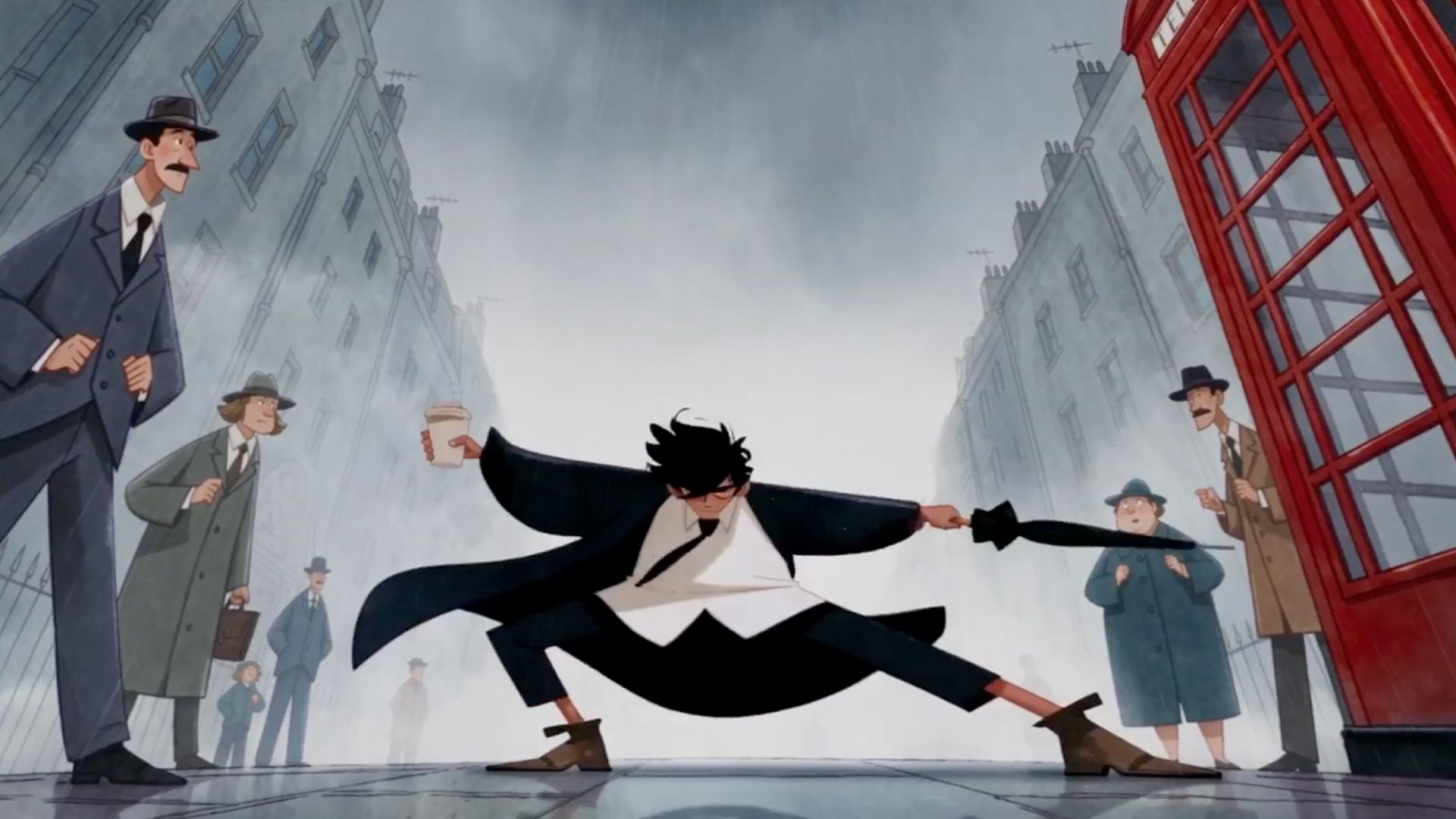
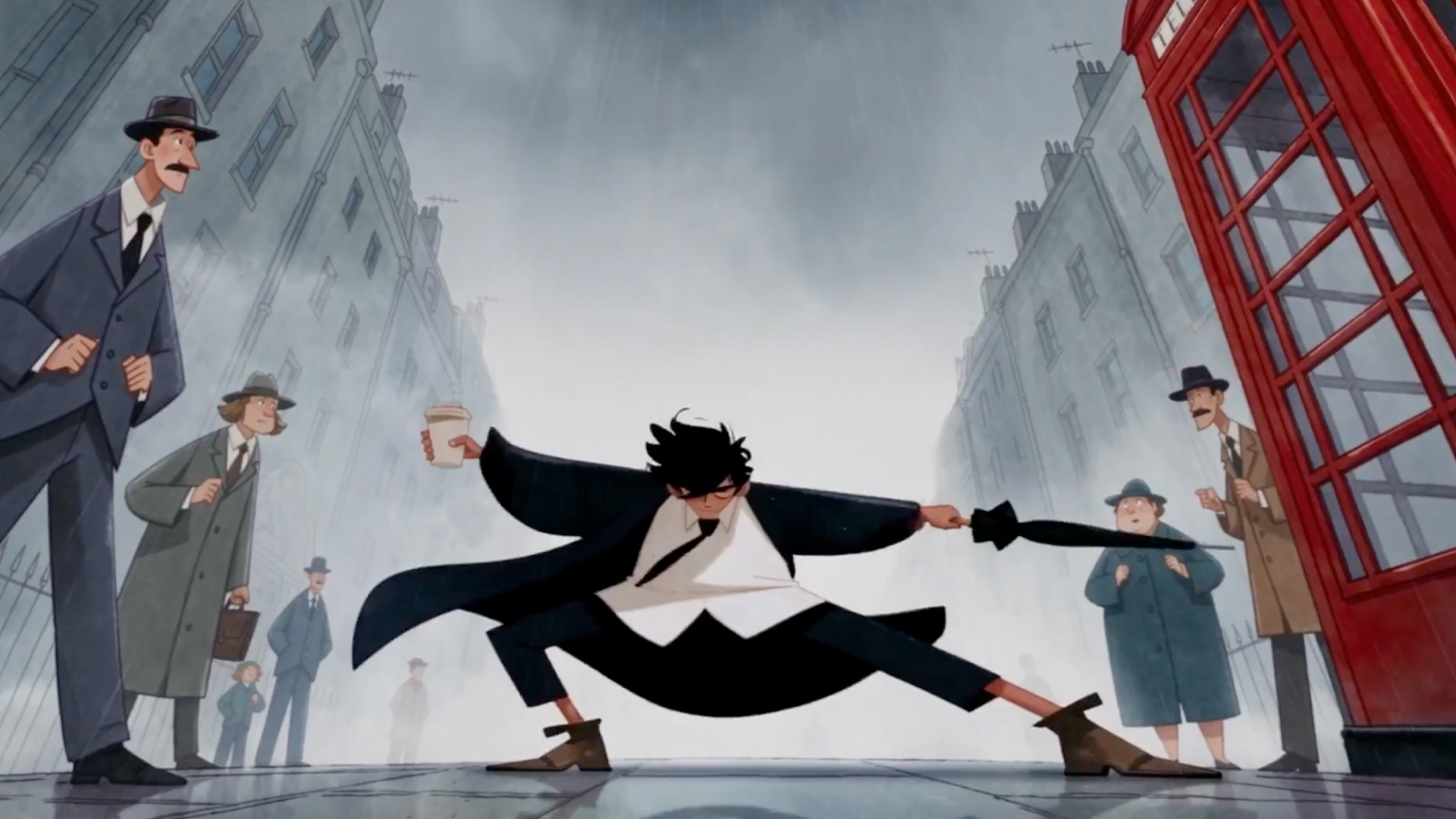
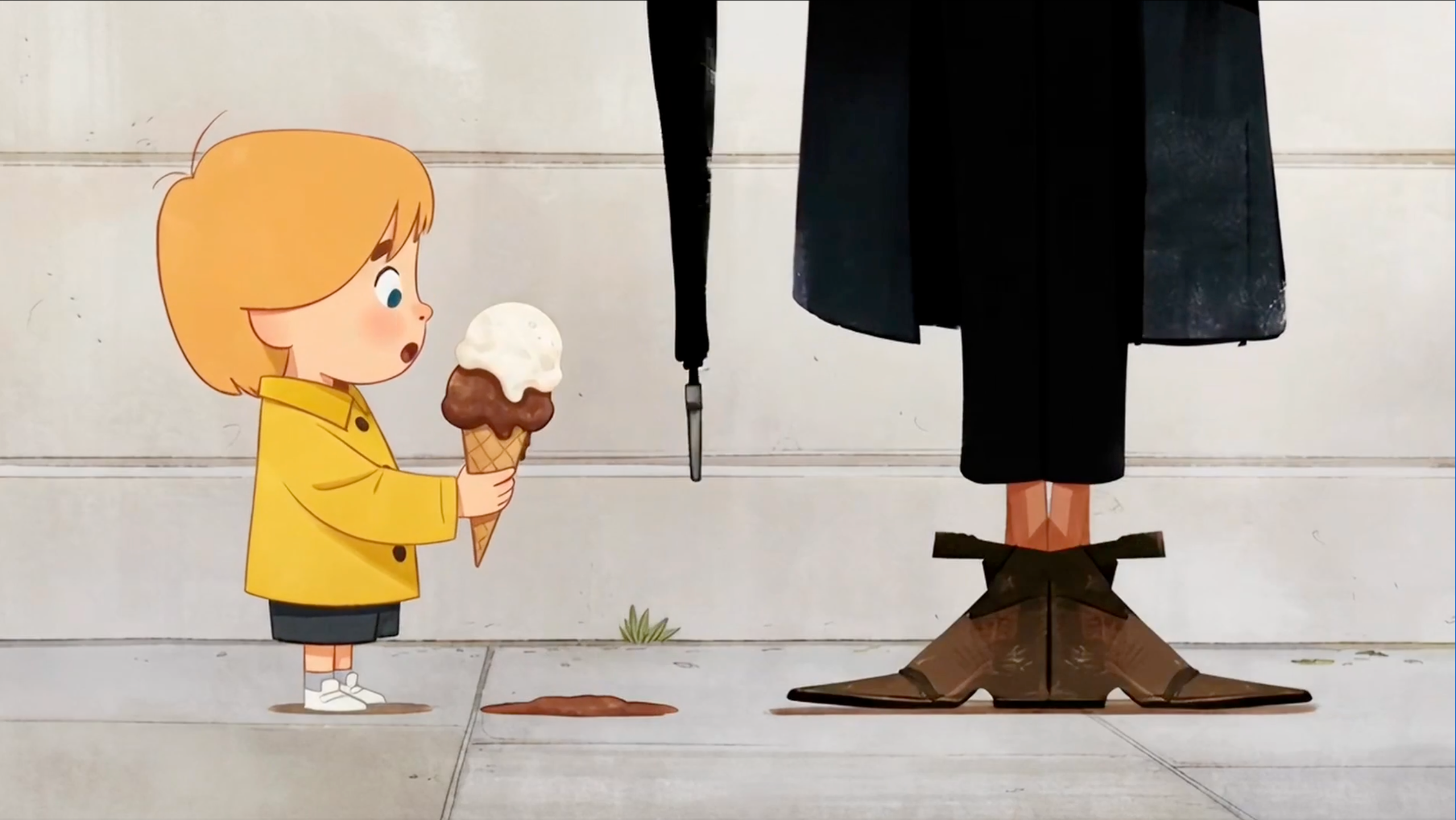
Set to the smooth, sophisticated cadence of Sade’s "Smooth Operator," the animation follows a tall, mysterious protagonist navigating a bustling cityscape with an umbrella. The character moves with a detached, nonchalant confidence, performing acts of "benevolence"—rescuing cats from trees and catching falling plant pots—that feel strangely devoid of human warmth.
At a cursory glance, the video mimics the aesthetic of modern digital animation. However, the veneer of quality quickly dissolves upon closer inspection. The animation is characterized by a jarring inconsistency in art styles, a common hallmark of current AI video generation models. The lead character appears as if ripped from a high-budget anime, while the surrounding environment and background characters fluctuate between the whimsical charm of children’s book illustrations and the distinct, gritty textures of vintage New Yorker cartoons. This visual dissonance, rather than appearing as a stylistic choice, feels like a fragmented collage of stolen data, leading many observers to question the origins of the visual language employed.
Chronology of the Backlash
The backlash was swift and multifaceted, unfolding in distinct phases:
- The Initial Reveal: When the clip first surfaced, it garnered early engagement based on its slick, high-gloss appearance. Users were initially drawn to the fluid motion and the nostalgic soundtrack.
- The "Uncanny Valley" Realization: As the video gained traction, viewers began to notice the logical inconsistencies. The "robber" sequence—where a thief has his bag stolen only for it to be handed to an elderly woman who already possesses one—became a focal point for mockery.
- The Identification of Derivative Elements: Sharp-eyed viewers began identifying specific character designs that bore an uncomfortable resemblance to existing copyrighted works. The most notable comparison was to the character Ben from the critically acclaimed film Song of the Sea.
- The Philosophical Critique: The final phase of the backlash moved beyond technical complaints into the philosophical, with creators and fans alike lamenting the "death of immersion." The discourse shifted from "This looks bad" to "This makes me feel empty," highlighting a profound shift in how audiences consume media in the age of generative AI.
Supporting Data and Technical Limitations
The fundamental issue with the Antrofrog animation lies in the nature of "hallucination" inherent in current diffusion models. Unlike human animators, who operate with intent—deciding exactly why a character moves a certain way or how a scene should resolve—AI models operate on probabilistic prediction.
When a model is asked to generate a scene, it is not "telling a story" in the traditional sense; it is predicting the next frame based on a massive, uncurated dataset of existing images and videos. This explains the narrative incoherence cited by critics. When a user on X noted, "I think the biggest missed opportunity is not ending on the punchline that the umbrella is damaged, thus useless in the rain," they were highlighting a critical flaw: AI lacks the ability to understand cause-and-effect or irony. It can replicate the look of a narrative, but it cannot synthesize the meaning of one.
Furthermore, the "stolen" aesthetic identified by users speaks to the ongoing legal and ethical concerns surrounding training data. Because these models are trained on billions of images—often without the consent or compensation of the original artists—the resulting output frequently reflects a "jumble" of these stolen styles, resulting in a product that lacks a cohesive artistic vision.
The Implications for Human Creativity
The rise of such content poses a significant threat to the perceived value of human labor in the creative arts. The anxiety expressed by critics is not merely about the quality of the animation; it is about the "sceptic’s burden."
As one X user aptly noted, "The moment you start wondering if a gesture, a certain pacing, a duration of pause was intentional or just a program hallucinating, calculating probabilities… the immersion dies." This sentiment suggests that the value of art is intrinsically tied to the assumption of human intent. When we view a piece of art, we are engaging in a silent dialogue with the artist. When that dialogue is replaced by a cold, mathematical calculation, the "magic" of the medium is fundamentally altered.
Economic and Ethical Consequences
The implications are twofold:
- Job Security: For animators, storyboard artists, and character designers, the accessibility of these tools represents a commoditization of their craft. If a studio can generate a "good enough" sequence in seconds, the incentive to hire skilled professionals diminishes, potentially eroding the foundations of the animation industry.
- Copyright and Legal Precedent: The controversy surrounding the "umbrella guy" and other design elements highlights the urgent need for a regulatory framework. Without clear laws regarding the use of copyrighted material in training sets, artists are left vulnerable to having their distinct styles "ingested" and regurgitated by machines.
Official Responses and Industry Sentiment
While Antrofrog has not issued a formal apology or detailed explanation, the industry at large is scrambling to find a path forward. Organizations like the Animation Guild have been vocal about the need for protections against the unregulated use of AI.
Conversely, proponents of AI in filmmaking, such as Justin Hackney of Wonder Studio, argue that these tools can "supercharge" accessibility and experimentation. The argument is that AI can lower the barrier to entry, allowing independent creators to bring complex visions to life without the need for massive budgets. However, the current reception to the Antrofrog clip suggests that until the technology can replicate the nuance of human storytelling, the public remains deeply suspicious of the trade-off.
Conclusion: The Path Forward
The viral Antrofrog animation serves as a cautionary tale for the tech-creative divide. It demonstrates that while the technology to create "visually impressive" content is accelerating, the technology to create meaningful content remains firmly in the domain of the human experience.
As we move toward 2026 and beyond, the creative industry is tasked with a difficult evolution. Professionals are increasingly looking to develop "AI-resistant" skills—focusing on high-level conceptualization, emotional intelligence, and complex narrative structures that machines have yet to master.
The divide between those who embrace AI as a tool and those who view it as an existential threat will likely widen before it narrows. For now, the audience has sent a clear message: visual spectacle without human soul is not just underwhelming—it is actively rejected. The future of animation will depend on whether we can maintain the sanctity of human intent in an increasingly synthetic landscape, or if we are content to watch a world of "umbrella men" performing meaningless acts for a machine that doesn’t know it’s raining.