The Tethered Tech Dilemma: Why Battery Longevity Must Reclaim Its Throne in Laptop Design

In the modern era of mobile computing, we have been conditioned to believe that "power" is synonymous with "performance." We are constantly bombarded with marketing campaigns highlighting the latest NPU (Neural Processing Unit) architectures, the raw teraflops of the newest NVIDIA GPUs, and the clock speeds of cutting-edge CPUs. Yet, amidst this frantic pursuit of silicon supremacy, a fundamental pillar of the laptop experience is being systematically neglected: battery endurance.
As someone who spends their professional life pushing hardware to its creative limits, I have recently been struck by a stark disparity in the market. While some machines are evolving into true, all-day companions, others are tethering us to wall outlets, effectively turning high-end portable devices into glorified, expensive desktops.
The Reality of 90-Minute Autonomy
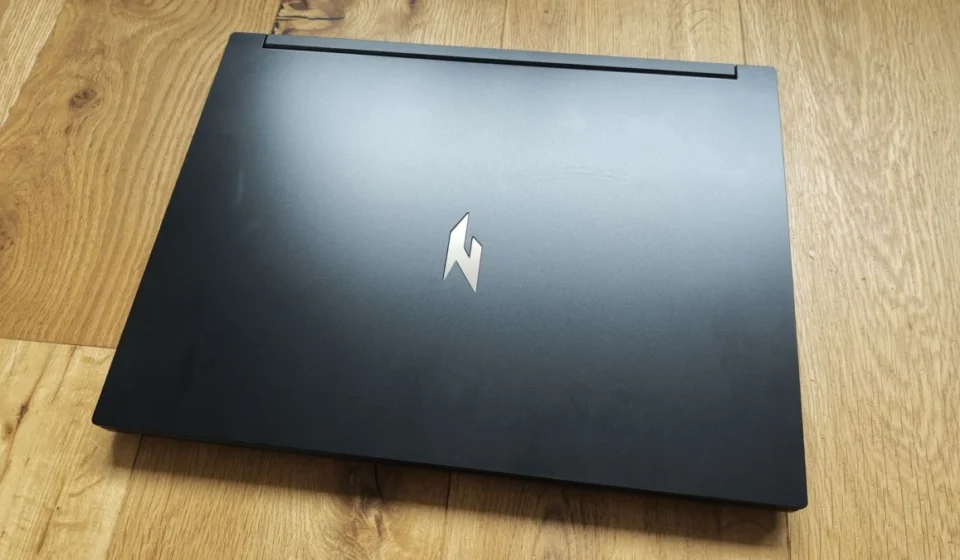
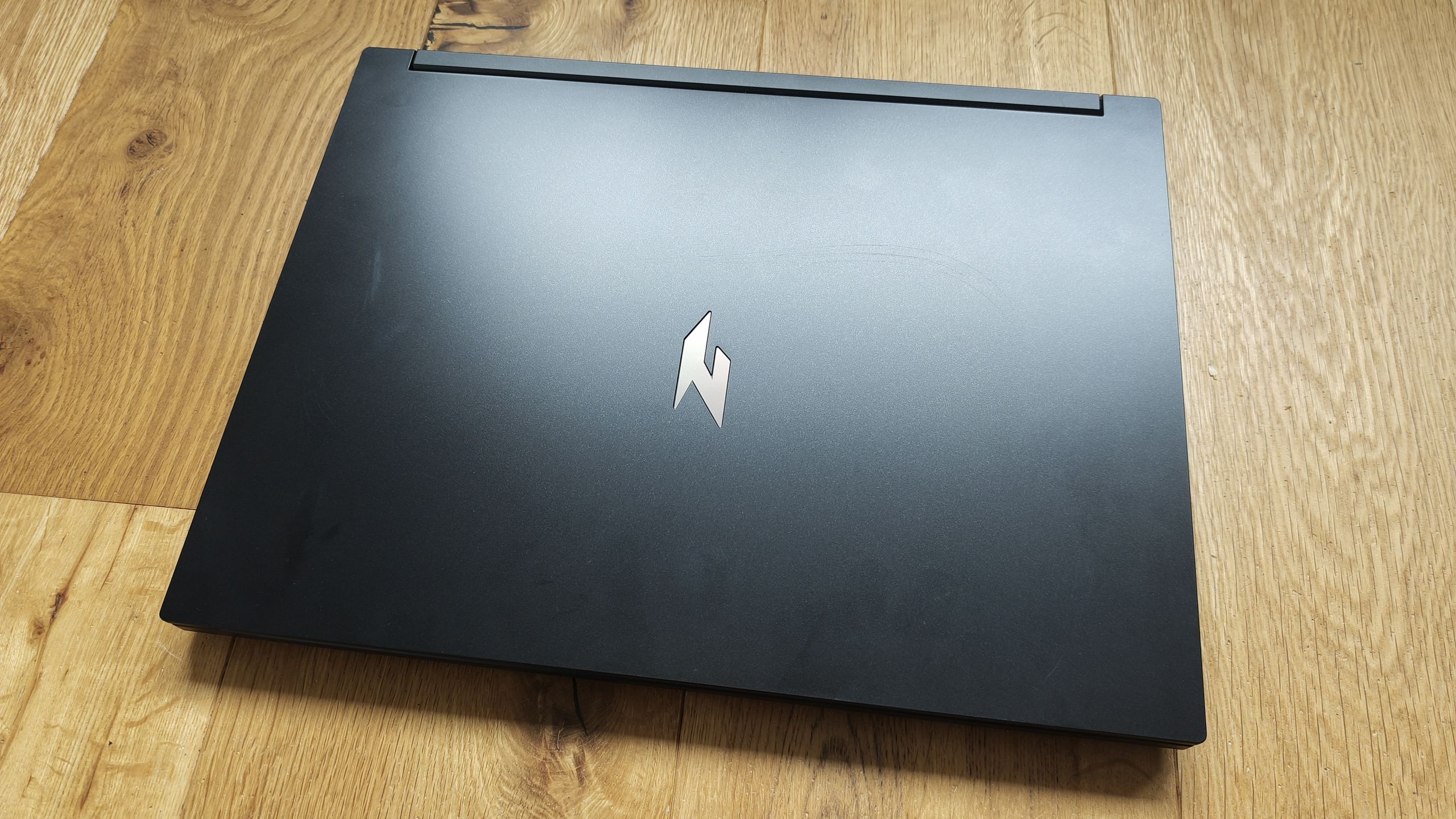
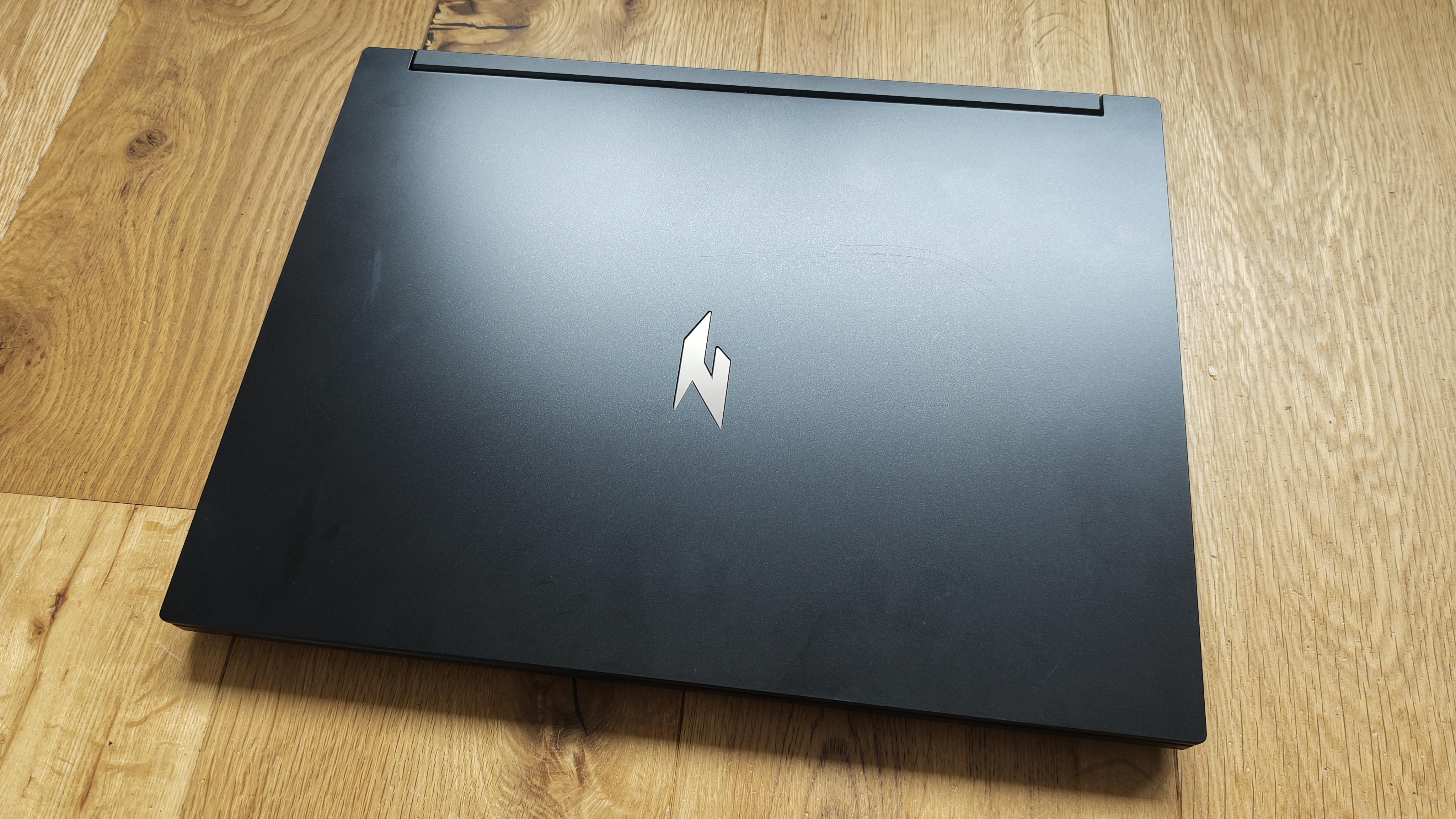
The catalyst for this realization was my recent hands-on testing of the Acer Nitro V 16 AI. On paper, it is a powerhouse, packed with the features that modern enthusiasts demand. However, during my standardized video playback stress test, the device "gave up the ghost" after a mere 90 minutes.
To put that into perspective, 90 minutes is barely enough time to finish a feature-length film or navigate a complex creative project without a low-battery warning looming like a guillotine. In a professional context, this is not just an inconvenience; it is a fundamental design failure. If a laptop requires a tether to a power socket after less than two hours of moderate usage, it ceases to be a "laptop" and instead becomes a portable workstation—one that demands a permanent umbilical cord to the electrical grid.
A Tale of Two Philosophies: Acer vs. Lenovo
To understand why this is a systemic issue rather than a one-off performance hiccup, we must contrast the Nitro V 16 with machines that prioritize efficiency. Consider the Lenovo Yoga Slim 7x. During my time with this device, it achieved an impressive 13 hours of battery life.
The difference here is profound. Thirteen hours is not merely "good"—it is transformative. It allows for a full working day, a commute, and an evening of creative work without a single glance at a power adapter. Even accounting for natural battery degradation over two or three years, a 13-hour baseline leaves a significant safety margin. It allows for a five-hour "degradation buffer" before the machine struggles to survive a standard eight-hour workday. When a device provides this level of longevity, it fosters a sense of trust between the user and the tool.
The Psychological Burden of "Battery Anxiety"
Reliability is the currency of the creative professional. When I am engaged in high-stakes 3D rendering, video editing, or complex coding, my focus must be entirely on the output. If a portion of my cognitive load is being diverted to monitoring a shrinking battery percentage, the quality of my work inevitably suffers.
There is a distinct anxiety associated with low-battery performance. If a laptop reports 30 minutes of charge remaining, but I am forced to run a power-intensive task, I am effectively gambling with my own workflow. Will the system throttle down, slowing my productivity to a crawl? Will it shut down unexpectedly, potentially causing data corruption? These are questions that a professional should never have to ask. True freedom in technology is defined by the ability to work anywhere—whether on a train, in a park, or in an artisan coffee shop—without the constant, nagging dread of a black screen.
The Evolution of Portability: Why Weight and Cables Matter
While modern USB-C charging standards have made it easier to carry a single cable for multiple devices, the principle remains: we shouldn’t need to carry an external power bank or charger if the laptop is marketed as a mobile device. Adding the weight and bulk of power delivery systems to one’s daily carry is a regression in the mobile computing experience.
We have spent decades striving to make laptops thinner, lighter, and more portable, yet by failing to address battery efficiency, we are essentially forcing users to carry "dead weight" in the form of power bricks and cables. It is an ironic outcome for an industry obsessed with sleek, minimalist aesthetics.
The "Friendship" of Hardware: Long-Term Reliability
I am still profoundly fond of my 2023 MacBook Pro, a machine that has become a staple of my professional life. Even after three years of sustained, heavy use, the battery life remains robust enough to navigate a full day. This longevity has turned the device into a reliable partner; I know that when I pull it out of my bag, it will be ready to serve me.
This relationship with hardware is often overlooked in spec sheets. A computer that requires constant maintenance and near-constant charging is not a "friend"—it is a liability. For the modern creator, the best hardware is the hardware that disappears into the background, allowing the creative process to remain uninterrupted.
Industry Priorities: Where the Focus Should Shift
When we look at the current trajectory of laptop design, we see a clear imbalance. Brands are in a "spec war," prioritizing high-wattage GPUs and the latest AI-ready NPUs to capture headlines. While these technologies are impressive, they are often implemented without sufficient regard for the power envelope required to support them away from a wall outlet.
I propose a shift in design philosophy:
- Efficiency-First Architecture: Performance-per-watt should be the primary metric for mobile CPUs and GPUs.
- Transparent Battery Metrics: Manufacturers should be more transparent about "real-world" battery life, rather than relying on manufacturer-optimized video loops that rarely reflect the actual power draw of creative software.
- Intelligent Power Management: The integration of AI should focus on extending battery life by optimizing background processes, rather than just boosting raw processing power for localized AI tasks.
The Cost of the "High-Spec" Trap
There is a dangerous misconception that high specifications automatically equate to a better user experience. If a laptop boasts a top-tier NVIDIA GPU but lacks the battery capacity to utilize it for more than an hour, the value proposition is flawed. At that point, the user would be better served by a desktop machine, which offers superior cooling, more reliable power, and often a better price-to-performance ratio.
The allure of the "high-spec" laptop is powerful, but it is a trap for the mobile professional. True performance is not just about how fast a machine can render a frame; it is about how long it can sustain that level of output without needing to be shackled to a desk.
Conclusion: A Call for Balanced Innovation
As we look toward the future of laptop development, I hope to see manufacturers treat battery life with the same level of reverence as they do processor speed. The "best" laptop is not necessarily the one with the highest benchmark score; it is the one that empowers the user to work with complete freedom and reliability.
Until the industry pivots, users should look beyond the marketing jargon. When shopping for your next machine, do not be swayed by the NPU or the GPU alone. Dig into the battery reviews, check the real-world tests, and prioritize the devices that offer the freedom to work, create, and innovate—wherever the inspiration takes you. After all, the best creative tool is the one that stays on long enough to finish the job.
For those seeking machines that prioritize endurance, check our curated list of the best laptops for battery life to ensure your next investment keeps you mobile.