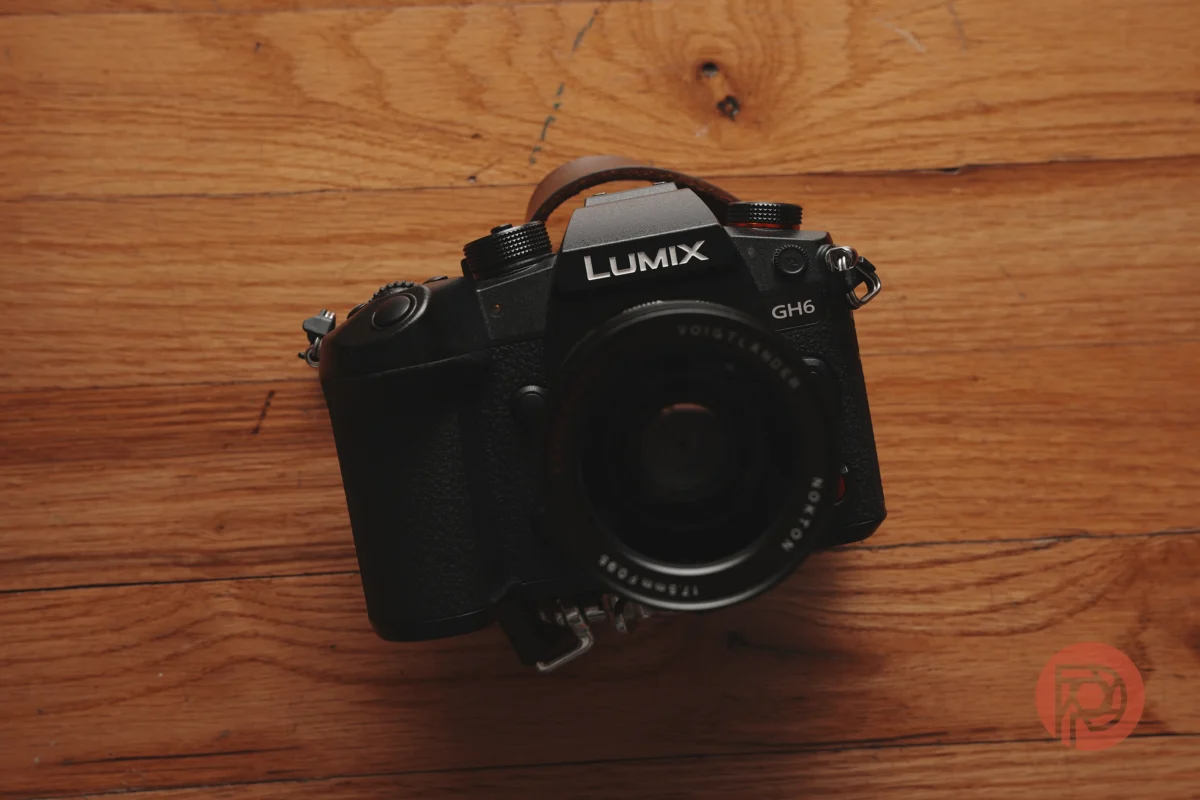
It’s been four years since Panasonic first launched the LUMIX GH6 — a 25-megapixel successor to the wildly popular GH5. Like the GH5 before it, the GH6 is very unapologetically aimed at videographers and “hybrid†photographers with a bevy of features that are intended to make everything from YouTube content to fully color graded, feature film quality videos. In 2026, Micro Four-Thirds as a system is fully matured with hundreds of lenses to choose from and various types of cameras to pair those lenses to. So, how does the GH6 perform four years since its launch?
The following was added to our full Panasonic GH6 review, which you can find here.
The Panasonic GH6: Great Hardware, Lots of Compromises
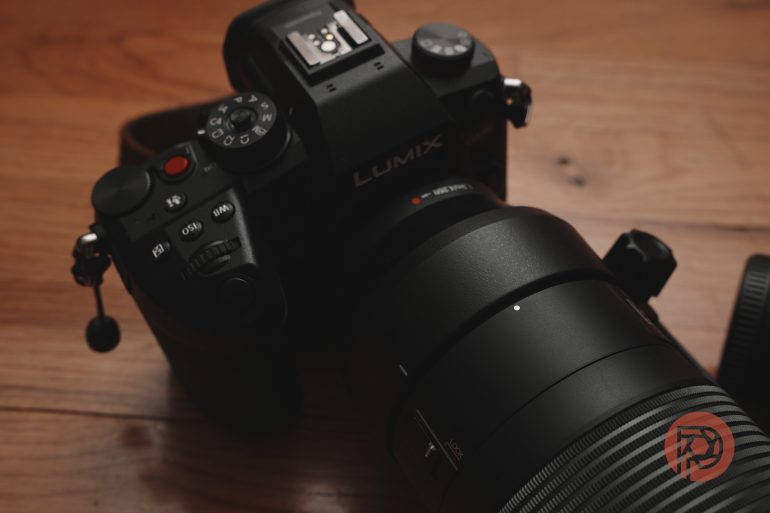
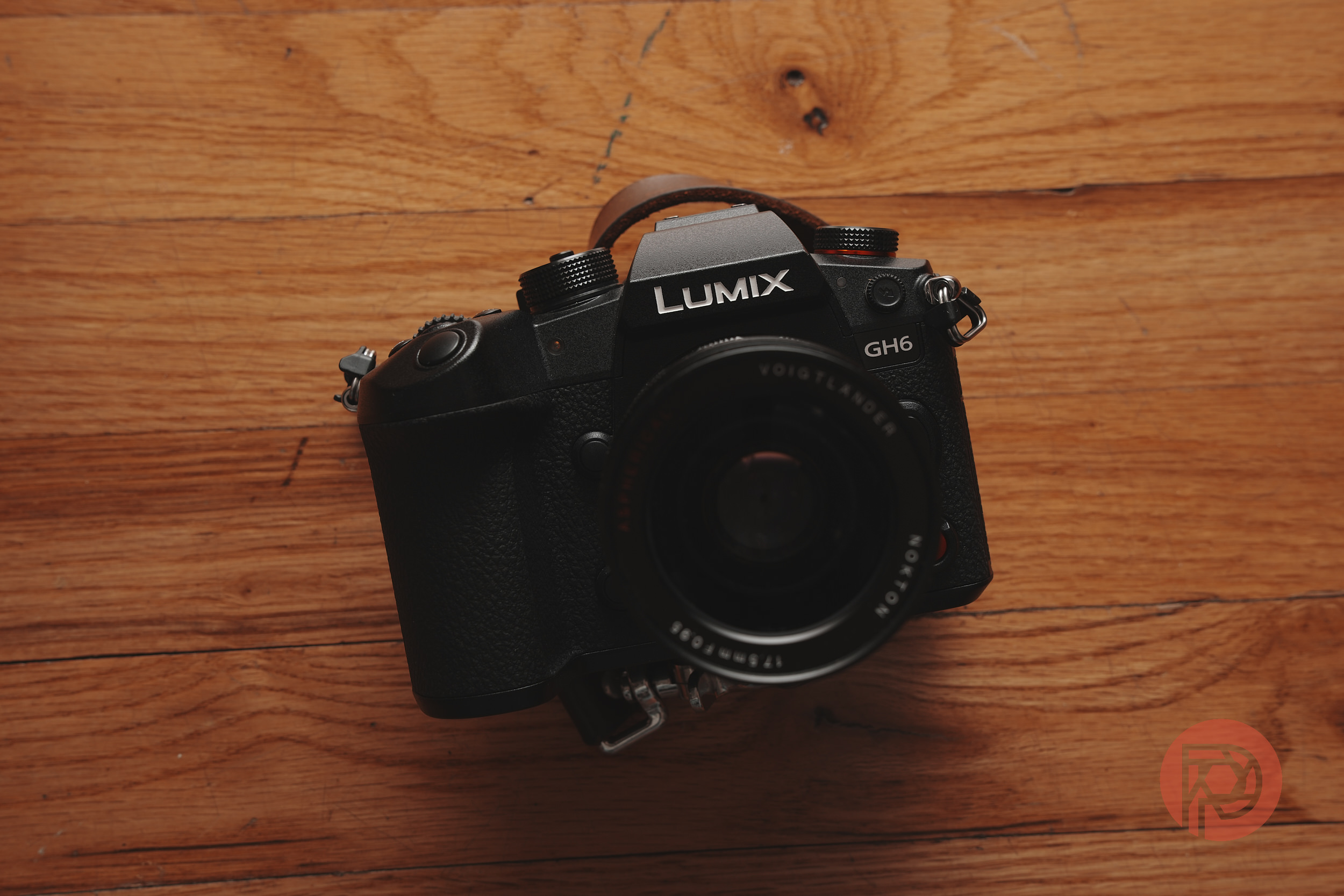
The Panasonic GH6 is one of those cameras where if we were to go back to 2022 when it was first announced, you could understand just how much was riding on the success of the camera – not necessarily for LUMIX, but for the future of Micro Four-Thirds as a system. For their part, Panasonic designed one of the most ergonomically pleasing cameras that I’ve had the opportunity to operate. It’s as close to perfect in terms of size, weight, and even comfort. I genuinely enjoy how this camera sits in my hand and I’ve forgotten just how much I love the compactness of most Micro Four-Thirds cameras (not this one though). It’s hard not gush about the ability to carry my GH6, a 100-400mm, a 12-60mm F2.8, and 17.5mm F0.95, with a couple of spare batteries all in a 6L sling bag. In my opinion, this remains the greatest superpower that Micro Four-Thirds in general, and the LUMIX GH6 in specific, possess. And if the ability to comfortably carry your entire home and the kitchen sink was the only thing that makes a camera worth owning, then this review would be over.
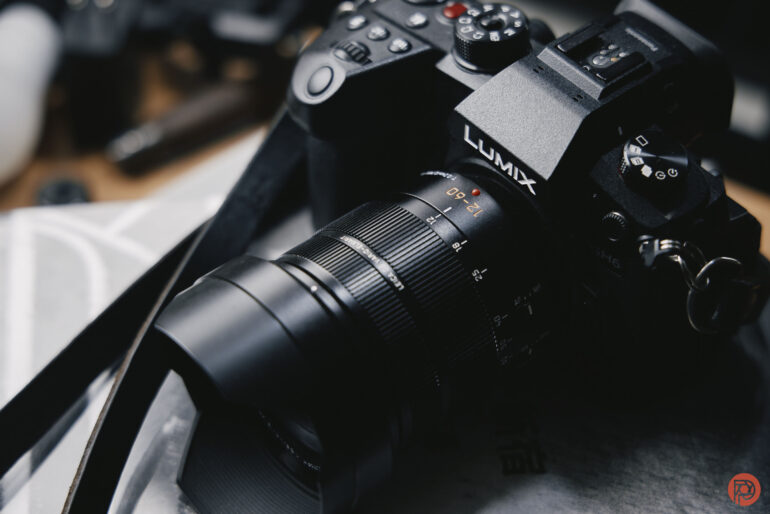
In the real world however, carrying gear isn’t what photography is about. Instead, it’s about how a camera can help you capture the images that move you (or at minimum help you earn a living). The GH6, while a joy to hold, is anything but when used as a stills camera. One of the most frustrating things about the GH6 is its power autofocusing abilities. The camera has many of the subject detection features of modern cameras: Human Face and Eye Detection, Animal Detection including cats, dogs, and birds, but it lacks Phase-Detect AF leaving it completely reliant on Contrast Detect AF which if you’ve ever shot with older MFT cameras you’ll remember as severely lacking. When trying to photograph a praise team at my local church, the Autofocus struggled with subjects who were people of color in not great but far from terrible lighting. I would shudder to think how this camera would’ve performed in more challenging conditions.

When shooting birds, I found that the autofocus struggled whenever the subject was not out in the open – you know, like in trees. I’m not saying it’s impossible to get good birding images – I’m not a birder – but the GH6’s Contrast Detect AF system wasn’t helping me keep birds in flight sharp. If there are any positive takeaways, the AF system was able to differentiate between humans, pets, birds, and planes. Again, when your subjects have enough separation from the background, the AF works well enough.
Another huge issue I had with the GH6 was the convoluted menu system. A lot of the marketing at the time of the camera’s release revolved around just how customizable the camera’s hardware buttons are. This is not a lie, but it can quickly become an exercise in decision fatigue. This camera has pages and pages of menus and options, and nearly all of them can be mapped to a custom button on the camera. Many of them really don’t pertain to still photography but photographers will absolutely need to take the time to set things up just right – in my case that meant disabling the red video record button which I kept accidently hitting.
Micro Four-Thirds in 2026: Images Can Get Muddy

The biggest draws to the GH6 for me is the number of great lenses that are available for Micro Four-Thirds – specifically the Voigtlander Nokton 17.5mm F0.95 which Chris loaned me for this long-term review. This lens makes owning a MFT camera one of the most visually pleasing experiences you can find. For the brief time I had this lens in my possession, it quickly became permanently affixed to the GH6.
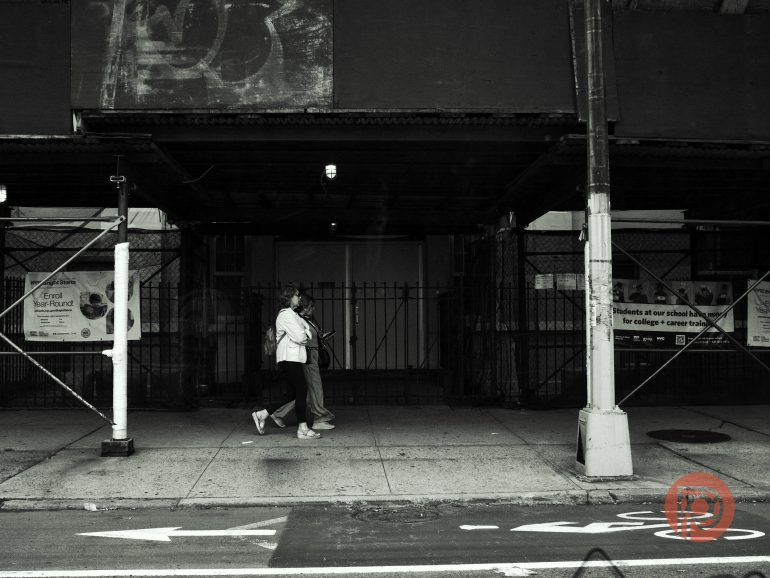
If you’re confident enough to make images only using manual focus, you may find that using the GH6 becomes a better, if a bit slower experience. Here’s where you won’t find yourself having to cull through shots that the camera’s subject detection just got completely wrong and instead have no one to hold responsible but yourself. As an everyday carry camera, the GH6 works well because of its size and when capturing images in favorable lighting, it works well enough for most people, but it’s price might not.
One final critique about the GH6 in 2026 is simply that the MFT sensor feels ancient by today’s standards. My first mirrorless system was a Micro Four-Thirds system and in 2012, I was willing to look the other way when it came to things like noise. Unfortunately, the GH6’s images at anything about ISO 2000 feels muddy in ways that you can’t overlook – especially when you can find a solid full-frame camera for under $1000 USD that could eliminate the issues that high ISOs bring.
Here are some of straight-out-of-camera images I took while using the GH6:
Here are a few edited samples:
Should You Buy a LUMIX GH6 in 2026?
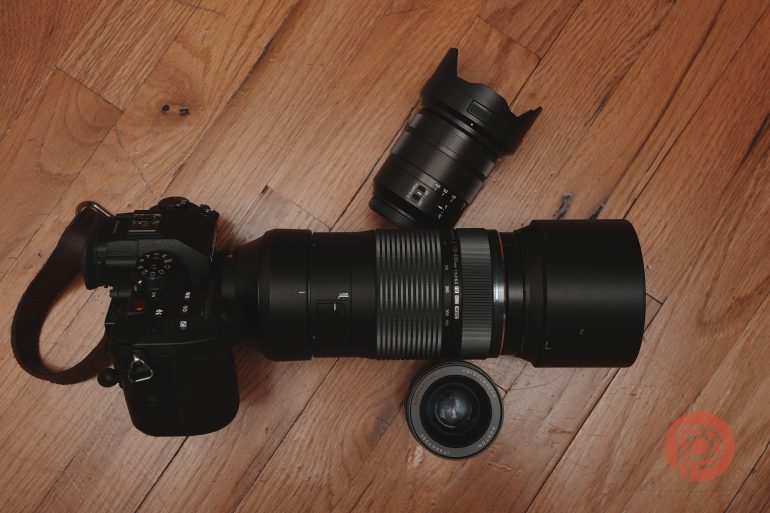
There’s no denying that there is still a market for MFT as a system in 2026. If you’re prioritizing a compact system that’s easy to pack with an exceptional lineup of lenses to choose from, Micro Four-Thirds seems like a no-brainer. But for photographers that are considering a Micro Four-Thirds camera in 2026, there are far better options than the LUMIX GH6. The GH5 is still the standard bearer for Panasonic’s “hybrid photography†model and the LUMIX G9 II is all around a better option for photographers. If you’re not hung up on brand loyalty, things get even more competitive when you consider what we believe to be the peak of MFT cameras – the original Olympus (now OM Systems) OM-D E-M1. The one thing I will say that came from my time with the GH6 was a desire to revisit the MFT system as a compact, travel system with a handful of lenses – that is unless Panasonic ever decides to introduce a LUMIX S9 II with a working hot shoe.