
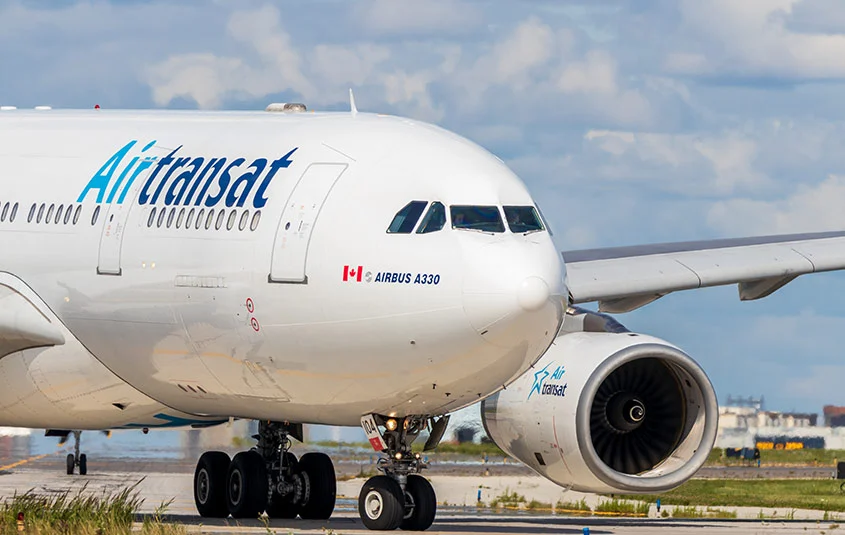
Travel Industry Exodus: Transat Joins Major Operators in Indefinite Suspension of Cuba Programs

MONTREAL — The Canadian travel landscape has undergone a seismic shift this week as Transat, one of the nation’s premier tour operators, officially announced an indefinite suspension of its Cuba program. This move effectively aligns the company with other industry titans, including Sunwing Vacations Group and Air Canada Vacations, signaling a coordinated retreat from what has historically been one of Canada’s most popular winter sun destinations.
The decision, which the company describes as one "not taken lightly," follows a cascading series of departures from the island by major international hotel chains and tour operators alike. As geopolitical tensions mount and logistical hurdles become increasingly difficult to navigate, the future of Canadian tourism in Cuba appears more uncertain than at any point in the last several decades.
The Current Situation: A Coordinated Industry Retreat
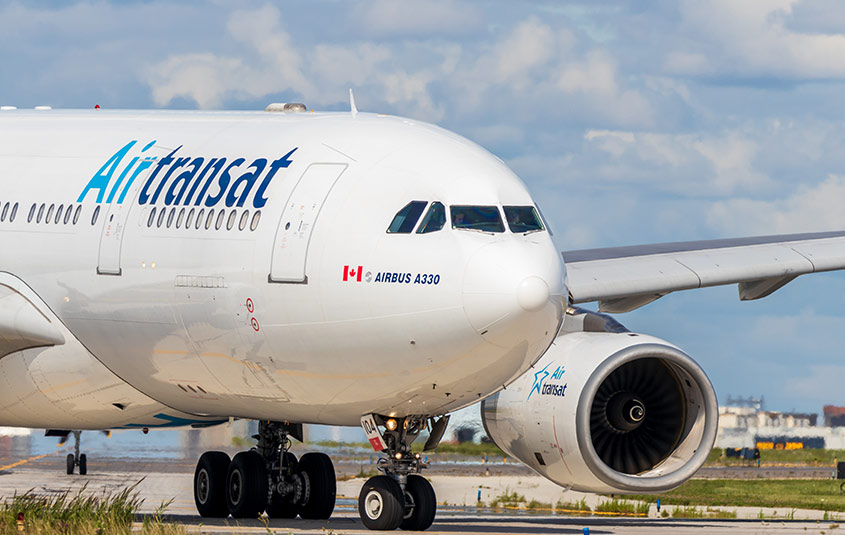
In a formal statement provided to Travelweek, Transat confirmed that it is proactively adjusting its winter flight schedule to compensate for the removal of its Cuban routes. "In light of the current geopolitical situation in Cuba and the ongoing uncertainty surrounding the resumption of tourism activities, Transat has made the decision to suspend its operations to Cuba for an indefinite period," the company stated.
This suspension is not a sudden pivot but rather the culmination of months of volatility. Air Transat had already shuttered its Cuba-bound booking window from February through November, hoping for a stabilization that ultimately did not materialize. By making the suspension indefinite, the company is effectively conceding that the operational environment in Cuba—hampered by fuel shortages, supply chain disruptions, and international sanctions—has reached a threshold that prevents the delivery of the service standards expected by Canadian travelers.
The company is now engaged in the complex task of redeploying its fleet capacity to other markets. Customers who had secured winter vacation packages to the island will be contacted in the coming days to discuss alternative travel options, ranging from rebooking to different destinations to full refunds.
Chronology of a Crisis: From Stability to Suspension
To understand the current impasse, one must look at the timeline of events that led to the collapse of the Canadian-Cuban tourism pipeline.
- Early 2026: Initial signs of instability emerged as logistical challenges, specifically regarding fuel availability and essential supply chains, began to affect hotel operations.
- February 2026: Air Transat and other major carriers announced temporary booking freezes for Cuban destinations, citing a need to reassess the viability of their winter programs.
- Mid-2026: The situation intensified as U.S. administration sanctions and an effective oil blockade created a "perfect storm" for the Cuban tourism sector. The difficulty in securing fuel for transport and electricity for hospitality infrastructure became untenable.
- Late June 2026: A wave of exits began. Major hospitality players, including Blue Diamond Resorts, Iberostar, Archipelago International, and Melia, announced either a total cessation of operations or a significant restructuring of their Cuban portfolios.
- Present Day: Following the exit of the hotel chains, the three major Canadian tour operators—Sunwing, Air Canada Vacations, and Transat—have all confirmed the indefinite suspension of their programs.
Supporting Data: The Ripple Effect of Sanctions and Blockades
The primary catalyst for this mass departure is the tightening of economic pressures exerted by the United States. For years, the Cuban tourism industry relied on a steady flow of Canadian visitors, who accounted for a significant plurality of the island’s annual tourist arrivals. However, the current "oil blockade" and broader sanctions have crippled the island’s ability to maintain the high-quality hospitality infrastructure that Canadians are accustomed to.
When hotel chains like Melia and Blue Diamond struggle to maintain basic amenities—such as consistent air conditioning, water pressure, and food variety—due to supply chain failures, the entire tourism ecosystem suffers. The data indicates that the decline in visitor satisfaction, combined with the rising cost of operating flights to destinations where fuel is scarce or prohibitively expensive, forced the tour operators’ hands.
Furthermore, the exit of these hotel management groups is a "canary in the coal mine." These companies have a deep, localized knowledge of the market; when they choose to abandon their investments, it serves as a powerful indicator to the broader industry that the risks of doing business in Cuba have begun to outweigh the potential rewards.
Official Responses: Conflicting Narratives
The reaction from the Cuban government has been one of steadfast denial regarding the severity of the crisis. In a statement released shortly after the announcements by the Canadian tour operators, the Cuba Tourist Board maintained an optimistic tone.
"Despite intensified economic pressures from the United States, Cuba remains firmly open for global tourism, with its attractions, hospitality infrastructure, and logistics fully operational," the Board stated. The government maintains that the difficulties are artificial, manufactured by external political forces rather than inherent structural failures within the island’s tourism sector.
However, the industry sentiment in Canada stands in stark contrast. Canadian tour operators, who have spent decades cultivating Cuba as a primary destination, are clearly signaling that they do not share the Cuban government’s assessment of the situation. Their concern is not merely political; it is operational. The inability to guarantee the safety, comfort, and service levels promised to customers is the driving force behind these cancellations.
Implications for the Future of Travel
The implications of this industry-wide retreat are profound, affecting every level of the travel sector.
1. Impact on Canadian Travelers
For the Canadian consumer, the loss of Cuba as a winter option is significant. Cuba offered a unique price-point and cultural experience that is difficult to replicate in other Caribbean destinations. Families and budget-conscious travelers will now be forced to look toward other markets, such as the Dominican Republic, Mexico, or Jamaica, which are expected to see a surge in demand and, consequently, higher prices due to the shift in capacity.
2. The Economic Blow to Cuba
For the Cuban economy, the loss of the Canadian market is devastating. Canada has been the leading source of tourism for the island for many years. With the hotel chains and tour operators departing, the country faces a massive deficit in foreign currency earnings, which will likely exacerbate the very economic conditions that led to the current crisis in the first place.
3. Structural Shifts in the Aviation Industry
The redeployment of aircraft is a logistical challenge for airlines. Transat and other carriers must now re-optimize their networks. While this may lead to increased frequency in other destinations, it also means a reduction in the diversity of available travel options. The airline industry is notoriously slow to adjust to such dramatic shifts, and travelers should expect some level of confusion and price volatility as the market stabilizes.
4. A Precarious Geopolitical Future
The "indefinite" nature of these suspensions suggests that the industry does not expect a quick resolution to the U.S.-Cuba standoff. Unlike a temporary suspension due to a hurricane or a public health crisis, this is a systemic withdrawal. It suggests that until there is a fundamental change in the geopolitical relationship between the U.S. and Cuba—or a significant improvement in the island’s domestic supply chain resilience—it is unlikely that the major Canadian tour operators will return to the market in their previous capacity.
Conclusion: A New Reality
The suspension of Cuba programs by Transat, Sunwing, and Air Canada Vacations marks the end of an era. For over a generation, the "Sunwing-Cuba-Canada" corridor was the bedrock of the Canadian winter vacation market. Its collapse represents a stark reminder of how vulnerable the tourism industry is to the geopolitical tides of the modern world.
As these companies pivot their strategies to focus on more stable destinations, the focus of the Canadian traveler will inevitably shift as well. Whether the Cuban tourism sector can weather this storm and eventually attract these operators back remains a question for the long term. For now, the sun has set on the Canadian-Cuban travel connection, leaving a void in the industry that will be felt for seasons to come.
Travelers are urged to keep a close watch on official communications from their respective tour operators and to monitor their booking status closely as the industry navigates this period of unprecedented transition.