
The breeze drifting off the Tyrrhenian Sea toward the villas of Mondello carries a ghost. It is a fragrance that is simultaneously sweet, floral, woodsy, and warm—a scent so intoxicating it compels travelers to stop in their tracks. This is the zagara, the legendary citrus blossom of Sicily. For centuries, this aromatic white flower has been the olfactory signature of the island, a botanical emblem that defined the Sicilian spring and enchanted poets, painters, and tourists alike. Yet, for those who know the history of the land, that breeze carries a sense of melancholy. What remains today is merely a whisper of a once-omnipresent perfume that once blanketed the island’s plains.
Main Facts: The Botanical and Cultural Significance of Zagara
The zagara—a term derived from the Arabic zahr, meaning "flower"—is the blossom of citrus trees, including orange, lemon, mandarin, tangerine, and kumquat. Botanically, it is a delicate, radiant white flower with vibrant yellow pistils. In the Sicilian cycle of life, it is the herald of the harvest, appearing in spring and sometimes again in autumn, depending on the cultivar.
Beyond its physical beauty, the zagara is deeply embedded in the Sicilian psyche. It is the quintessential wedding flower, symbolizing fertility, abundance, and the sanctity of a lasting union. According to Rosario Schicchi, director of the Palermo Botanical Garden, the zagara possesses an "extraordinary sensory and evocative power." Its reach extends far beyond the citrus groves, acting as a bridge between the island’s agricultural reality and its emotional landscape. Historically, the scent was so pervasive that when the trees bloomed, the entire population seemed to participate in a collective, sensory journey into their shared history.
A Chronological History of the Groves
The presence of citrus in Sicily is a tapestry woven by centuries of shifting empires. While many plants are native to the region, the citrus tree was a transformative import.
- 850 AD: The Arab conquest of Sicily introduces the bitter orange, marking the beginning of the island’s transformation into a citrus powerhouse.
- 18th and 19th Centuries: Citrus cultivation becomes the backbone of the Sicilian economy. The Conca d’Oro (The Golden Basin), a fertile plain surrounding Palermo, becomes world-renowned for its vast, fragrant orange and lemon groves.
- 1885: French novelist Guy de Maupassant captures the era in his travel writings, noting that as one approaches Palermo, a "strange and delicious perfume" meets the traveler from the shore, blanketing the gulf.
- Post-WWII (The 1950s–1970s): The era of the "Sack of Palermo" begins. Following the industrialization of the city, the Mafia leverages the need for urban expansion to pave over the Conca d’Oro.
- 1980s–1990s: The introduction of EU agricultural subsidies leads to a perverse outcome: farmers are paid not to produce, leading to the systematic abandonment of historic groves.
- 21st Century: The landscape shifts toward monoculture or the total abandonment of traditional citrus in favor of more lucrative crops like avocados and mangoes, driven by climate change and global competition.
Supporting Data: The Anatomy of a Collapse
The decline of the zagara is not merely a romantic loss; it is a calculated economic and criminal outcome. The "Sack of Palermo" remains one of the most stark examples of urban destruction in modern European history. During this period, Mafia-backed contractors and corrupt politicians colluded to replace productive agricultural land with high-density, low-quality concrete housing.

Data regarding the industry’s decline reflects a shift in agricultural viability. Sicilian citrus farmers today face "heroic agriculture"—a term used by Professor Gianniantonio Domina of the University of Palermo to describe the grueling, often unprofitable nature of manual harvesting in a globalized market.
- Global Competition: Sicily, with its higher labor costs, struggles to compete with the price points of citrus exports from Egypt, Spain, and North Africa.
- Climate Stress: Rising temperatures and chronic water scarcity have made traditional citrus cultivation increasingly difficult.
- Biodiversity Loss: Modern cultivars are now selected primarily for yield and disease resistance rather than the traditional, aromatic varieties that once filled the air with the scent of zagara.
Official Responses and Expert Perspectives
The academic community in Sicily views the loss of the groves through a lens of both agricultural crisis and cultural mourning. Professor Gianniantonio Domina provides a sobering reality check for those who romanticize the groves: "Traditionally, Sicily is a poor country, and the people lived among their groves. Often, the people who cultivated oranges were paid in oranges, so it was more a story of work exploitation than something romantic."
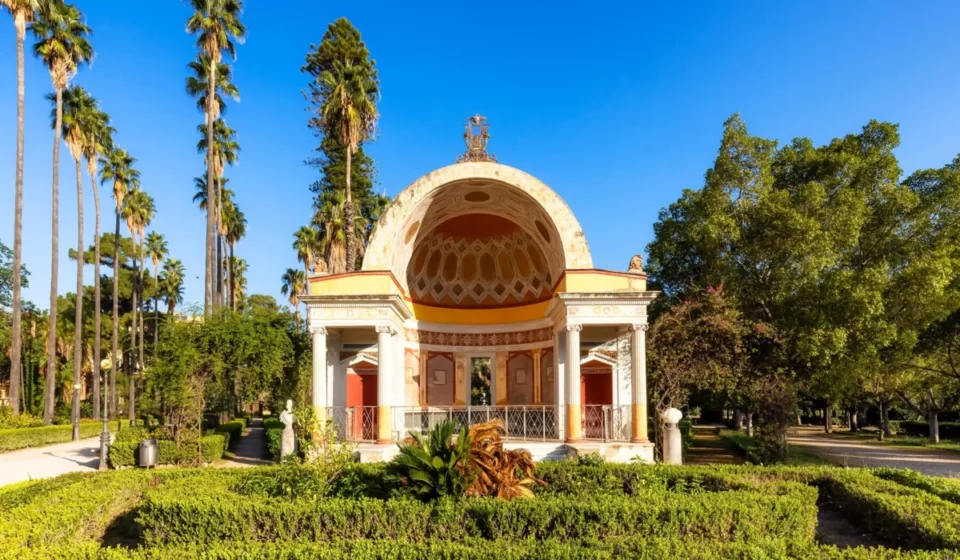
However, experts agree that the loss of the zagara is a loss of heritage. Rosario Schicchi emphasizes that the blossom belongs "simultaneously to the agricultural landscape, the language, and the emotional imagination." When asked if the tradition can be saved, the consensus is cautious. Preservation efforts are largely confined to institutional settings, such as the Palermo Botanical Garden, which maintains over 250 historic specimens to prevent the total erasure of these varieties. The local government has also designated areas like the Parco della Favorita as protected zones for "landscape interest," though these are often described as museum-like relics rather than living, breathing agricultural hubs.
The Broader Implications: Tradition vs. Modernity
The disappearance of the zagara raises a profound question: Can a culture survive the loss of its sensory identity?
The current reality is that the "Golden Basin" has largely turned gray. The smell of zagara is now a rare, fleeting encounter rather than a pervasive atmosphere. Tourists often encounter the scent in synthetic forms—soaps, perfumes, and creams sold at airports—which, as any local will tell you, lack the complexity and depth of the living flower.

The Economic Shift
The rise of climate-resilient crops is perhaps the most significant indicator of the changing times. Farmers in the shadow of Mount Etna are increasingly pivoting to sub-tropical fruits that offer better financial returns and require less intensive labor than the traditional citrus trees. While this keeps the land productive, it severs the link between the landscape and the zagara tradition.
The Preservation of Memory
There is a growing movement, however, among small-scale artisans and historical societies to protect the remaining heritage groves. By branding "traditional citrus" as a luxury, high-end product, some producers hope to make the labor of growing these trees economically viable once more.
Final Reflection
For the visitor today, finding the zagara requires intent. It requires moving away from the concrete sprawl of the modern city and toward the private, walled gardens of Mondello or the carefully curated paths of the botanical gardens. As we stand among the villas and inhale the fragrance carried by the Tyrrhenian breeze, we are participating in an act of preservation. The scent is a bridge to a past where the island was a garden, and the economy was inextricably linked to the seasons.
As Professor Domina notes, "It’s probably more important as tradition than in reality." Yet, as the world moves toward an increasingly homogenized future, perhaps that tradition is the most vital asset Sicily has left. We must breathe it in while we can—not just as a fragrance, but as a reminder of a landscape that once, quite literally, smelled like paradise.