
In the hyper-competitive digital landscape of 2026, the myth of "real-time spontaneity" has largely been debunked. While social media is designed to feel fluid and organic, the reality behind the most successful brand channels is a foundation of rigorous, data-driven planning. At the heart of this success lies the social media calendar—a strategic roadmap that transforms fragmented ideas into a cohesive narrative.
For marketing teams, a social media calendar is more than just a list of dates; it is a vital infrastructure. It is the backbone of consistent messaging, the shield against last-minute creative scrambles, and the primary vehicle for achieving long-term growth. This guide explores how to build, maintain, and optimize a social media calendar that serves as your most effective competitive advantage.
The Anatomy of a Modern Social Media Calendar
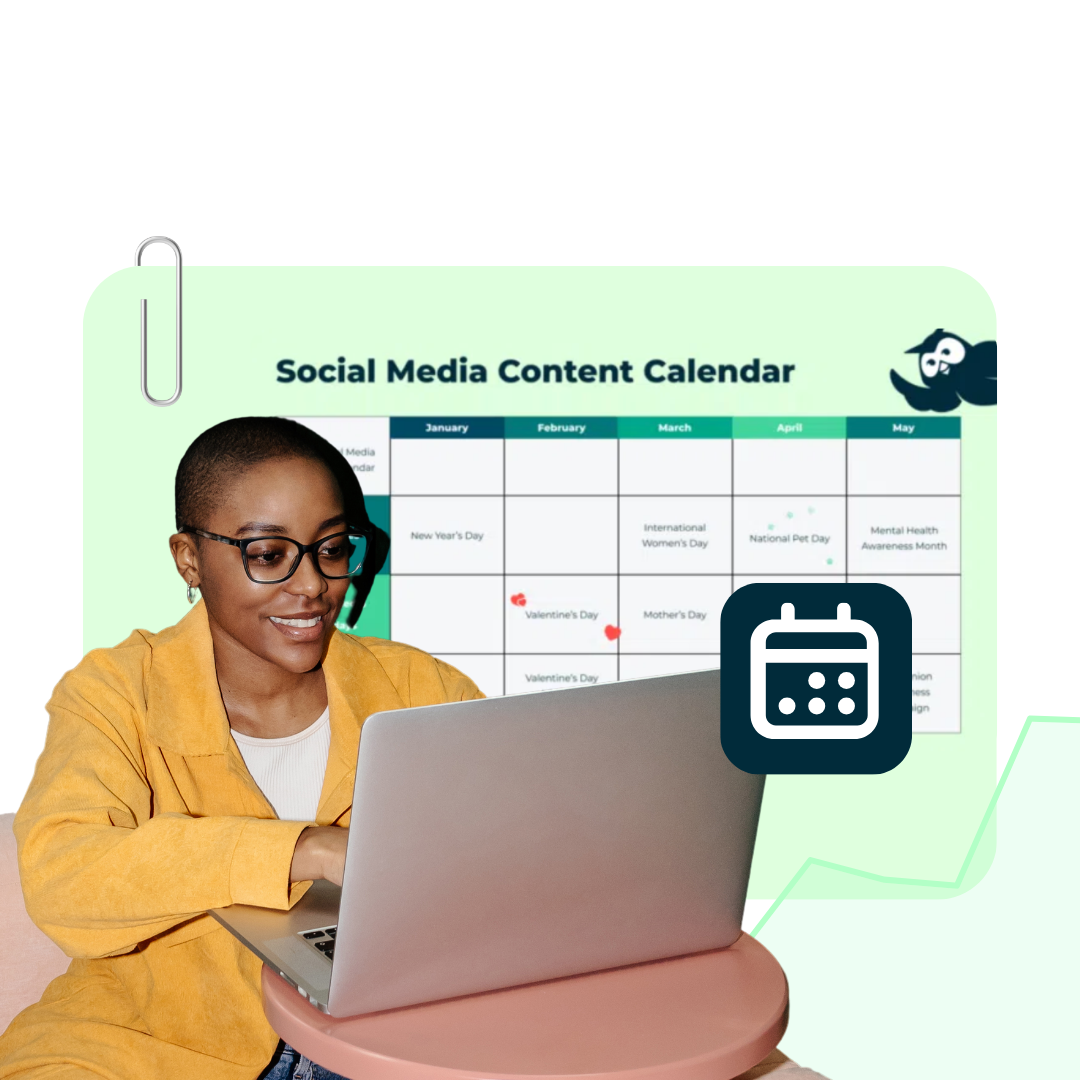
A social media calendar is a comprehensive, forward-looking plan of all upcoming content, organized by publication date and platform. It serves as a central repository for every detail of a post, including copy, hashtags, high-fidelity visual assets, and platform-specific metadata.
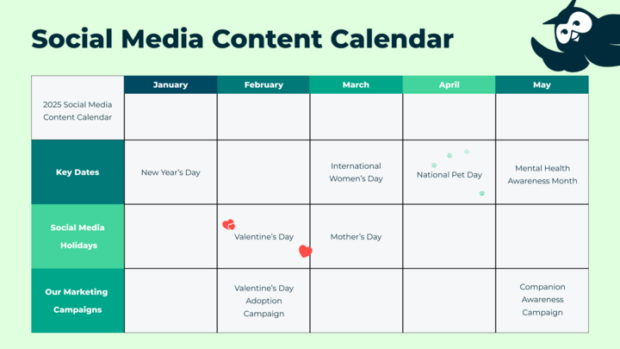
For enterprises and small businesses alike, the calendar acts as a single source of truth. It prevents the chaos of jumping between disconnected spreadsheets and ensures that every member of the team—from the copywriter to the videographer—is aligned on the brand’s mission. Whether your team utilizes a sophisticated project management tool or a shared document, the objective remains the same: to transition from reactive posting to proactive strategic communication.
The Strategic Imperative: Why You Need a Calendar
If your team manages multiple platforms, oversees complex campaigns, or involves more than one person in the content creation cycle, a calendar is no longer optional. It is the primary mechanism for preventing burnout and ensuring ROI.
Seven Pillars of Benefit
- Organizational Clarity: By providing a bird’s-eye view of your entire content ecosystem, a calendar eliminates the cognitive load of juggling multiple deadlines.
- Strategic Alignment: Every post should serve a purpose. A calendar allows you to audit your content mix to ensure it aligns with overarching business goals—whether that is brand awareness, lead generation, or community engagement.
- Gap Analysis: It is remarkably easy to overlook imbalances, such as an over-reliance on static images or a complete absence of video. A calendar makes these blind spots immediately visible.
- Enhanced Collaboration: By standardizing approval workflows, teams can avoid the dreaded "who is posting this?" bottleneck, ensuring that content is vetted and polished before it goes live.
- Operational Efficiency: Planning in advance creates space for high-impact creative work. When you aren’t scrambling to meet a daily quota, you have the bandwidth to refine your strategy.
- Agile Flexibility: Paradoxically, having a plan makes it easier to pivot. When a major cultural trend or algorithm shift occurs, a calendar provides the structure to rearrange your queue without sacrificing your broader strategy.
- Data-Backed Reporting: A well-maintained calendar doubles as an archive. By labeling posts with specific campaigns or pillars, you create a clear data trail that simplifies end-of-month reporting.
The Seven-Step Process for Building Your Calendar
At Hootsuite, the social media team follows a rigid yet adaptable seven-step framework to ensure our content remains relevant and effective.
1. Establish Your Strategic Foundation
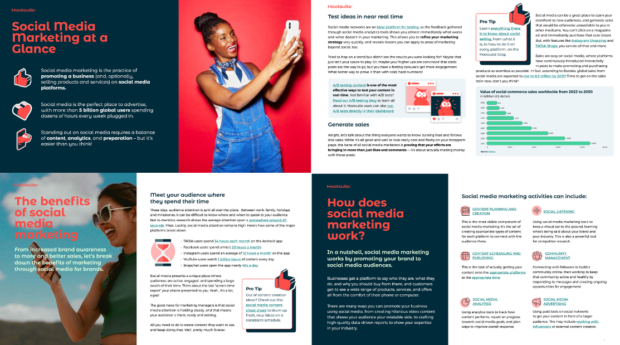
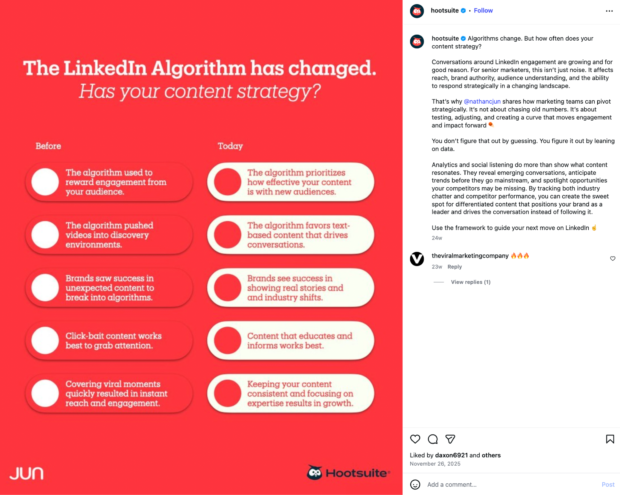
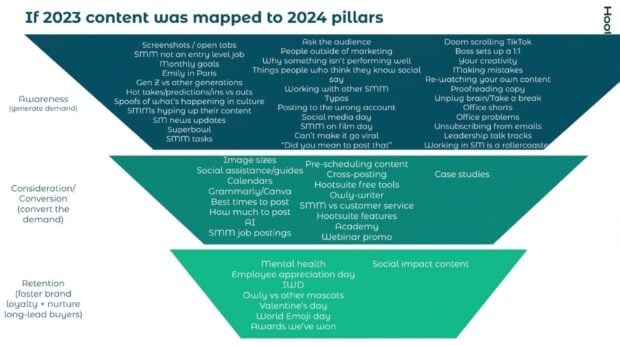
Before creating a single post, you must define your strategy. This involves deep-diving into your analytics to identify your "content pillars"—the core topics your brand owns. Your strategy should delineate exactly what you hope to achieve on each platform, recognizing that the audience on LinkedIn expects a vastly different tone and format than the audience on TikTok.
2. Design the Content Schedule
Consistency is the engine of social growth. Whether you plan on a weekly or bi-weekly cadence, you must stick to it. Weekly planning is often the "sweet spot," providing enough structure to organize campaigns while remaining flexible enough to adapt to new trends.
3. Brainstorming and Social Listening
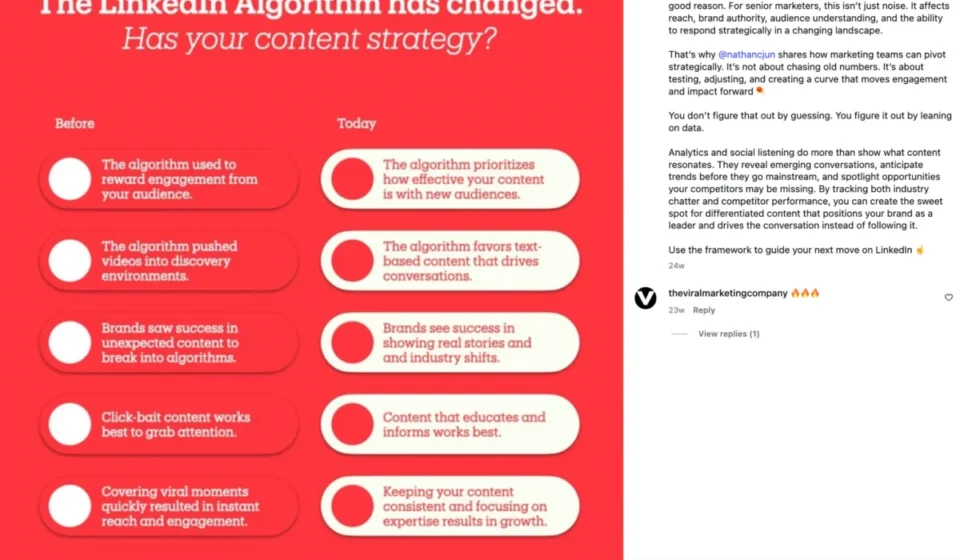
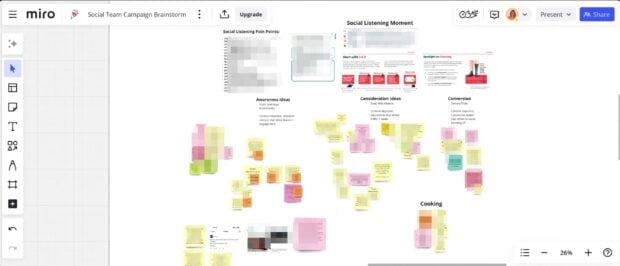
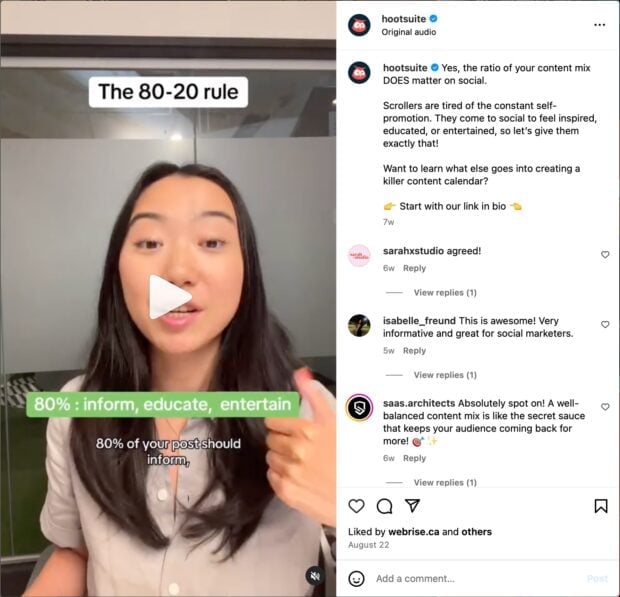
Ideation should never happen in a vacuum. Use social listening tools to identify what your audience is talking about, which pain points they are discussing, and what content they are sharing. For instance, creating educational content that addresses common misconceptions—like the 80/20 rule of marketing—is often more successful than pure promotional content because it stems directly from user demand.
4. Content Creation
Once you have your ideas, focus on production. Ensure your assets are optimized for the specific technical requirements of each channel. As experimental testing has shown, don’t be afraid to use third-party tools for editing—the quality of your content far outweighs the specific tool used to create it.
5. Scheduling and Workflow Management
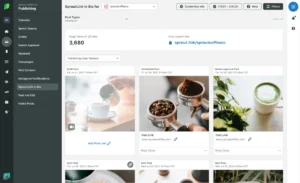
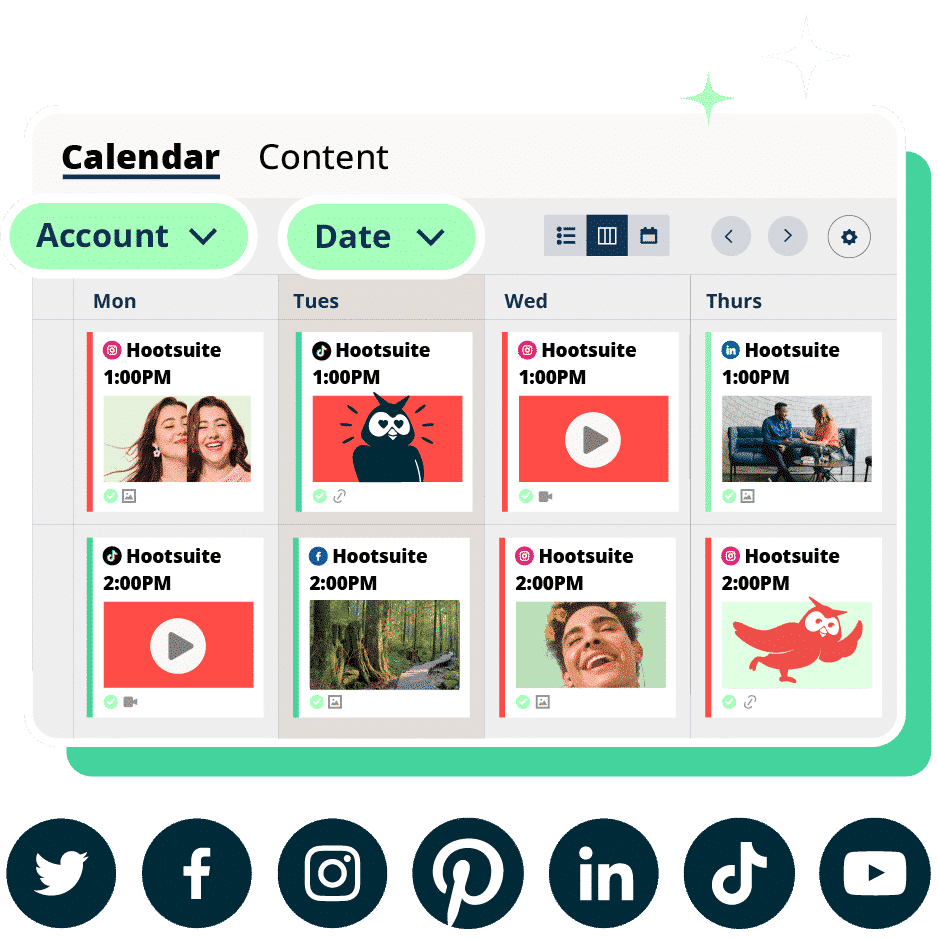
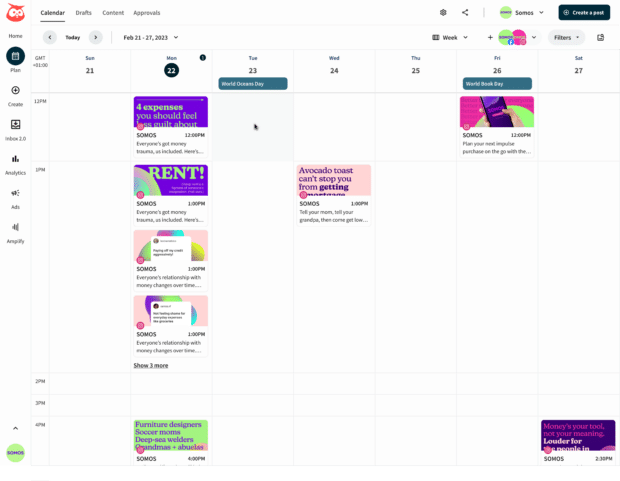
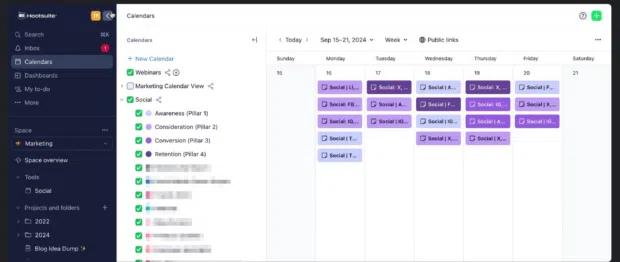
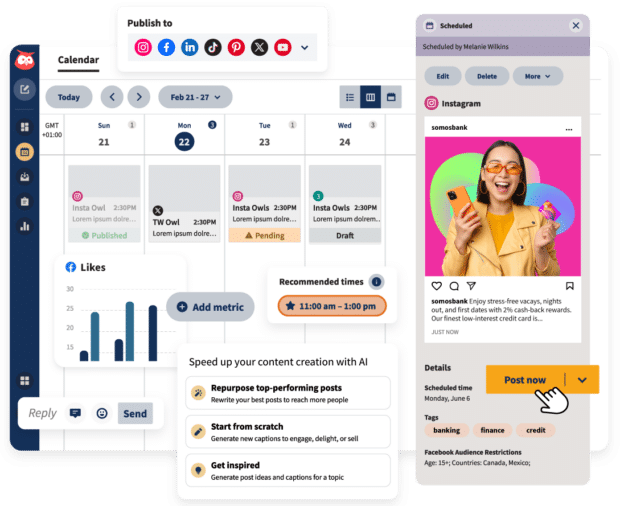
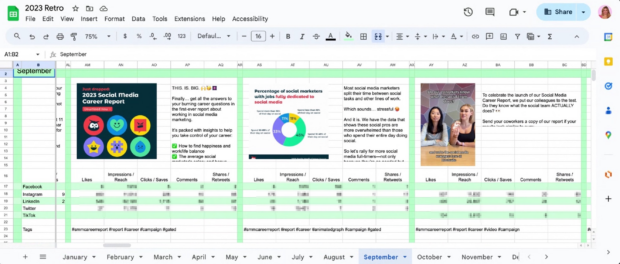
Finalizing your schedule in a dedicated management tool is crucial. Use features like color-coding by content pillar to ensure you aren’t over-indexing on one type of content. This stage is also when you implement your approval workflows, ensuring that all stakeholders have signed off on the final output.
6. Analytical Feedback Loops
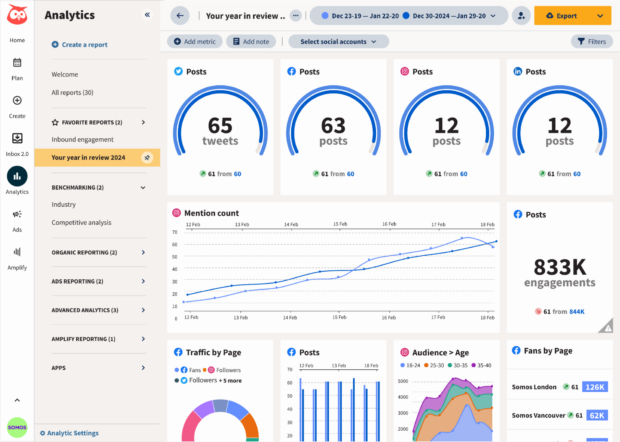
Performance metrics such as engagement rate, reach, and click-through rate (CTR) are the lifeblood of your strategy. By tagging posts with metadata in your analytics dashboard, you can track which formats (video vs. carousel) and topics perform best. This allows for constant, iterative improvement.
7. Regular Auditing
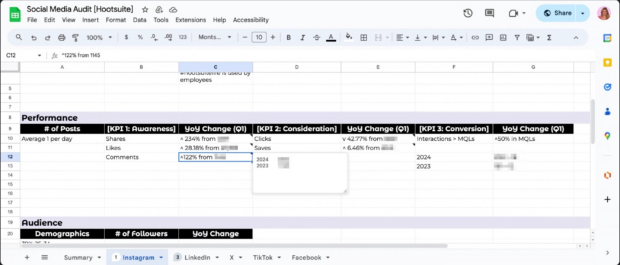
Treat your strategy as a living document. Conduct regular audits—at least once a quarter—to assess what is working and what is stagnant. Use this time to re-classify your content into high, mid, and low-performing categories, and adjust your future calendar accordingly.
Supporting Data: The Science of Frequency and Timing
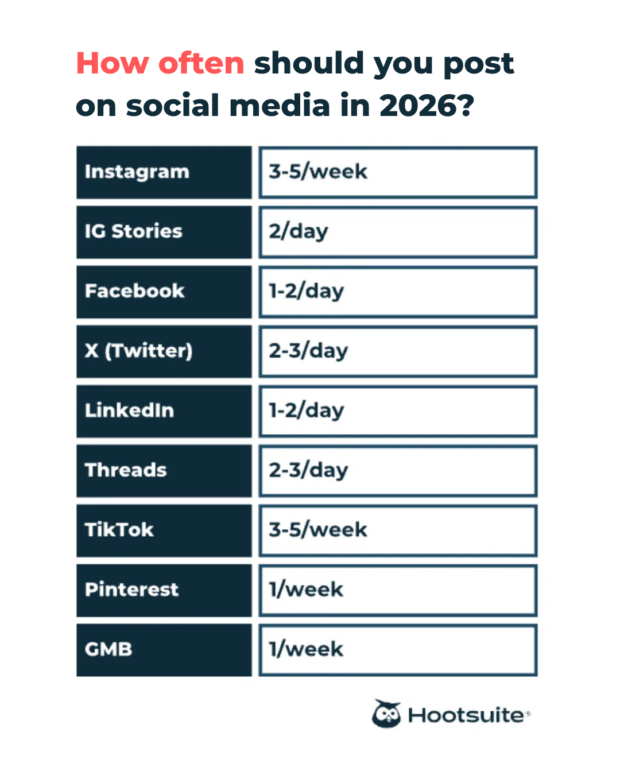
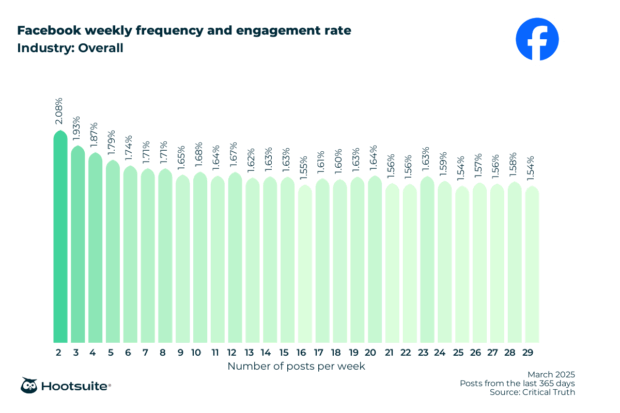
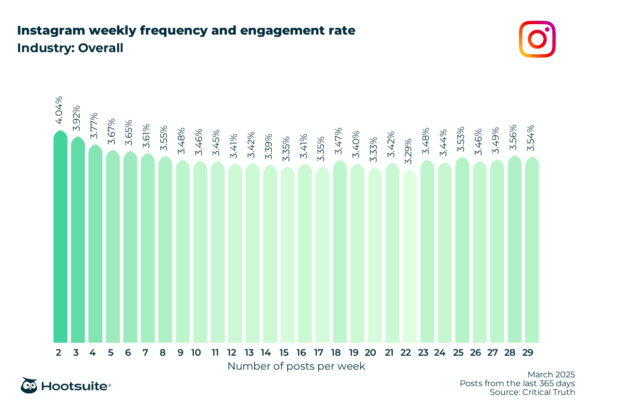
Research from 2025 and 2026 indicates that while "more" is not always "better," there is a clear correlation between frequency and engagement.
- Facebook, Instagram, LinkedIn, and X: Data consistently shows that posting twice per week yields the highest engagement rates for most organizations.
- TikTok: The outlier is TikTok, where the algorithm rewards volume. A cadence of 14 posts per week is currently the benchmark for sustained growth.
Timing also remains a critical factor:
- Facebook: Tuesday mornings at 9 AM remain the peak for engagement.
- Instagram: Mid-afternoon windows, specifically between 3 PM and 9 PM on Mondays, offer the most traction.
- LinkedIn: Early morning is king; 4 AM to 6 AM on Tuesdays and Fridays are the most effective windows for professional engagement.
- TikTok: Early mornings (7 AM to 11 AM) on Thursdays see the highest levels of interaction.
The Implications of Professionalized Social Management
The move toward a calendar-first approach has profound implications for businesses. It signals a shift from treating social media as a "hobby" department to viewing it as a critical business function.
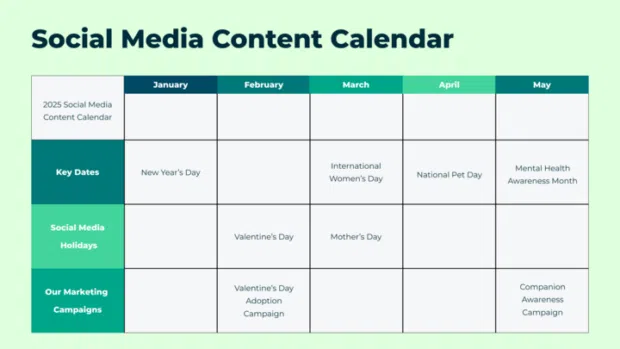
For enterprises, this means scaling becomes possible. When you manage a calendar, you can coordinate cross-departmental efforts—aligning social posts with product launches, webinar dates, and company milestones. This prevents silos and ensures the brand voice remains consistent across every touchpoint.
Furthermore, it protects the brand. In an era where a single misstep can lead to viral public relations challenges, the "approval" step inherent in a structured calendar serves as a necessary safety net. It allows for legal, compliance, and leadership review, ensuring that every post aligns with the company’s core values.
Conclusion: The Path Forward
Building a social media calendar is a journey of constant refinement. It requires the humility to look at the data, the creativity to brainstorm new solutions, and the discipline to stick to a schedule. By implementing the strategies outlined above, you are not just organizing your posts; you are building a resilient, data-informed machine that can grow your audience and demonstrate tangible ROI.
Start today. Download a template, audit your last three months of content, and begin mapping out your next four weeks. Your future self—and your engagement metrics—will thank you for the foresight.