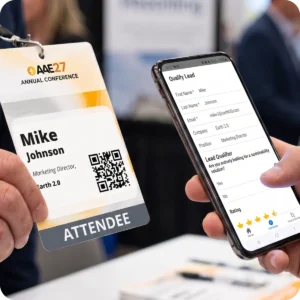

The Registration Funnel: Transforming Event Administration into a High-Conversion Engine

Getting people to your event is not merely a logistical necessity—it is the ultimate marketing challenge. Too many event teams view the registration process as a mundane administrative task, a box to be checked once the marketing campaign concludes. However, the most successful event organizers treat registration as a sophisticated conversion funnel. The journey from a casual website visitor to a confirmed attendee is fraught with potential friction points, and every abandoned form represents a missed connection, lost revenue, and a lower ROI.
To truly maximize event attendance, you must optimize the experience that begins the moment a potential attendee lands on your site. By shifting your perspective from "admin" to "conversion," you can apply data-driven strategies to your registration flow, website content, and email marketing to ensure that your event is not just promoted, but effectively sold.

The Chronology of Conversion: When and How to Engage
The event registration lifecycle is a critical timeline that requires proactive management. The common mistake of waiting to push registrations until a few weeks before the event leaves too much to chance.
1. Opening Early: Capturing Intent
Opening registration as soon as core event details are locked—date, venue, and a preliminary agenda—is a non-negotiable strategy. For large-scale conferences, this often occurs three to six months in advance; for smaller, specialized gatherings, four to eight weeks is the standard.
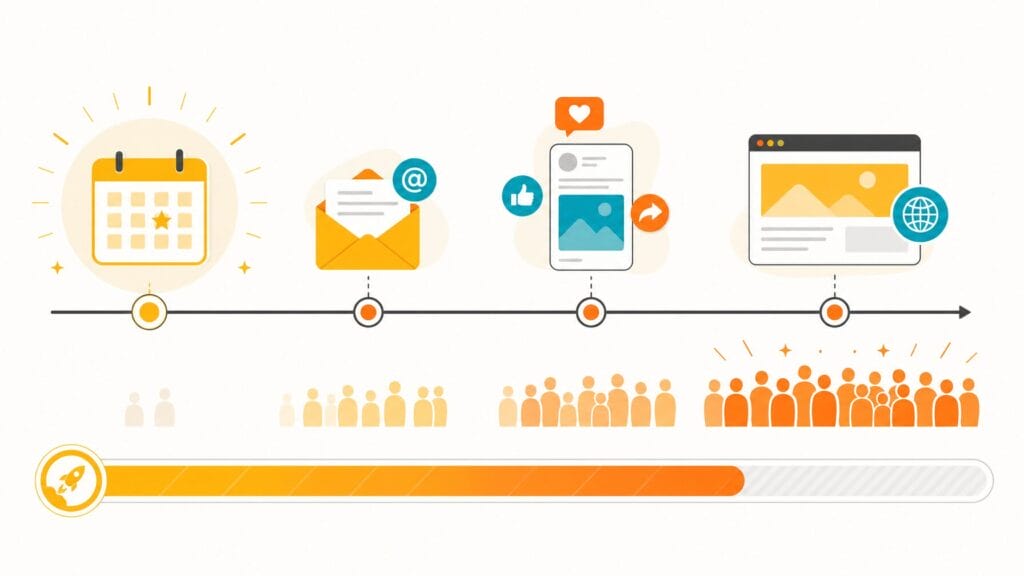
Early registrants are your most loyal audience members. They are the repeat attendees, industry advocates, and planners who prioritize your content. By capturing them early, you build essential momentum, generate social proof for your future marketing efforts, and provide stakeholders with early, positive data points on event health. Aim to secure at least 10 to 20 percent of your total expected registrations within the first 30 days of launch.
2. The Early-Bird Incentive
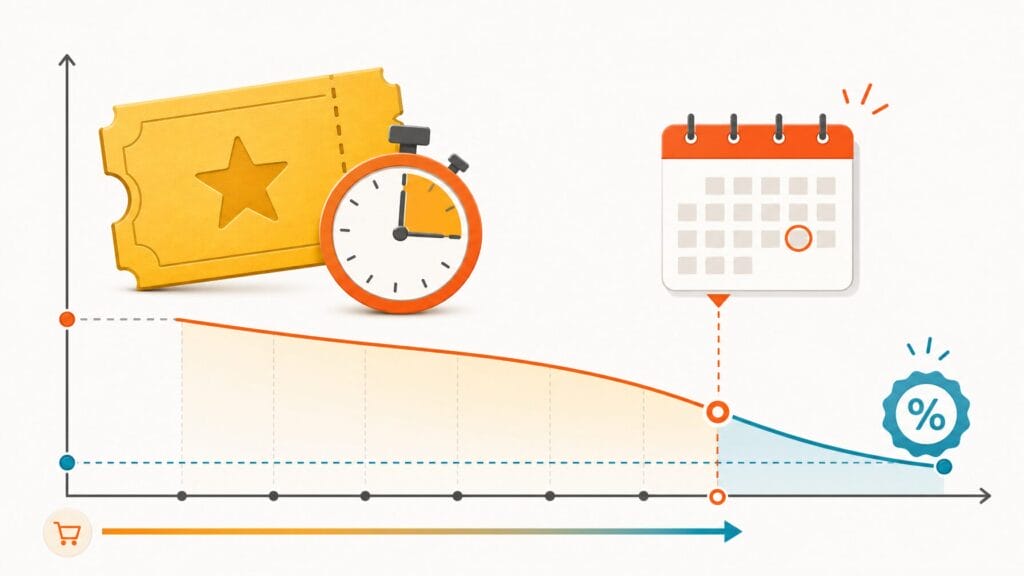
Early-bird pricing is a psychological anchor that reduces procrastination. By offering a 10 to 25 percent discount for a firm, calendar-defined period, you create a legitimate sense of urgency. The key here is clarity: display the deadline on every landing page, in every email, and within your social media posts. When that date passes, retire the tier publicly to ensure latecomers understand the cost of their hesitation.
Simplifying the Friction Points
Every additional field in your registration form is a potential barrier. When you ask for information that isn’t immediately necessary, you increase the likelihood of form abandonment.
The Art of the Minimalist Form
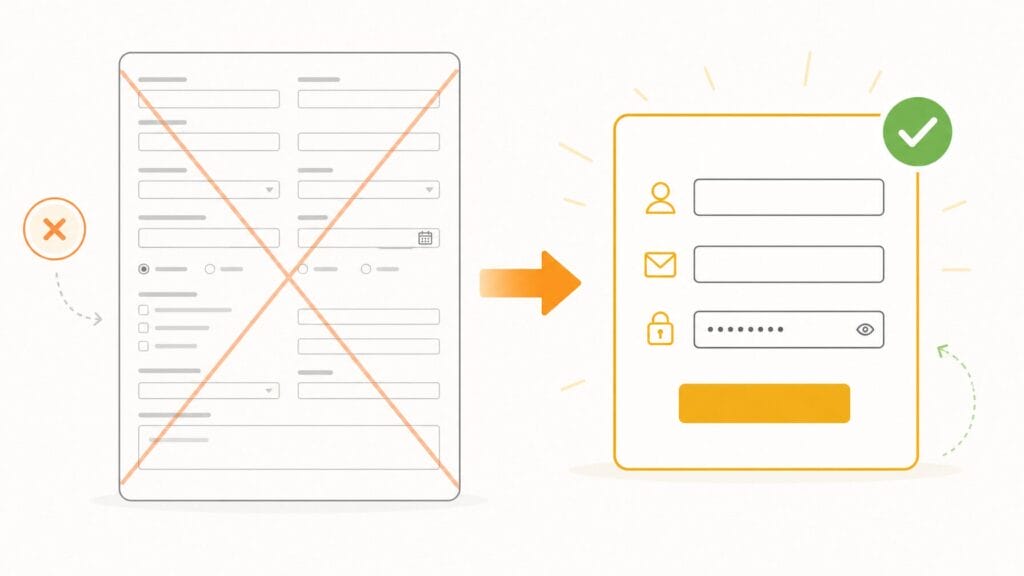
Audit your registration process field-by-field. Ask yourself: "Will I actually use this data before the event?" If the answer is no, move the question to a post-registration survey or collect it at the check-in desk. A form with three to five essential fields—name, email, ticket type, and company—will consistently outperform longer, more intrusive forms.
Implementing Conditional Logic
Modern registration platforms allow for "smart" forms. By using conditional logic, you can ensure that attendees only see questions relevant to them. A speaker, for instance, should see fields for bio and presentation title, while a general attendee should not. This creates a personalized, efficient experience that respects the user’s time.
Strategic Placement and Content-Rich Assets
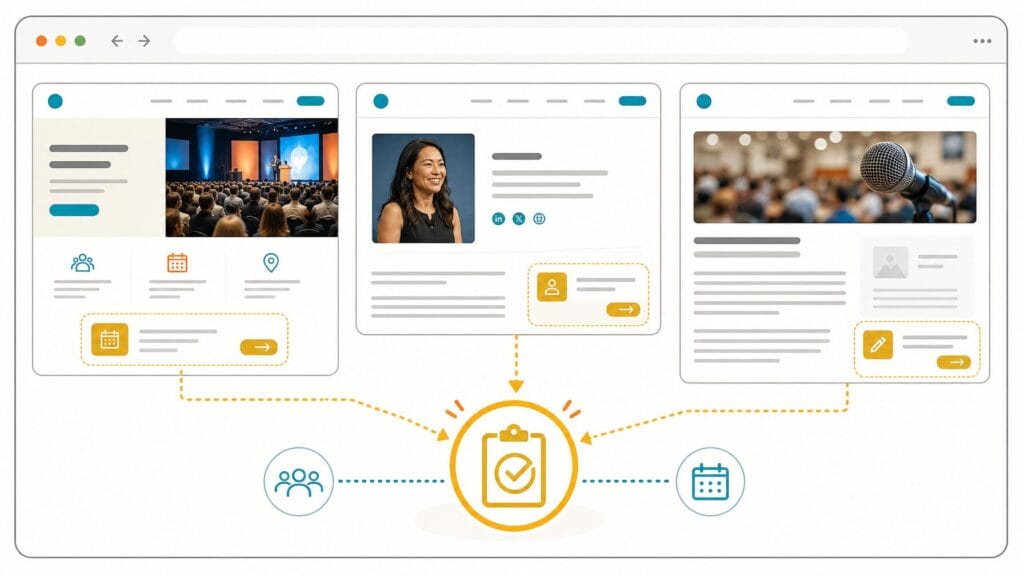
Registration should never be buried on a "Contact Us" or "Registration" page. It must be omnipresent across your highest-traffic digital real estate.
Embedding the Funnel
Place clear, compelling calls to action (CTAs) in your website header, on speaker pages, and within blog sidebars. When a visitor is reading about a speaker they admire, they are at the peak of their interest; that is the precise moment they should be able to "Claim Their Seat."
The Value-Driven Website
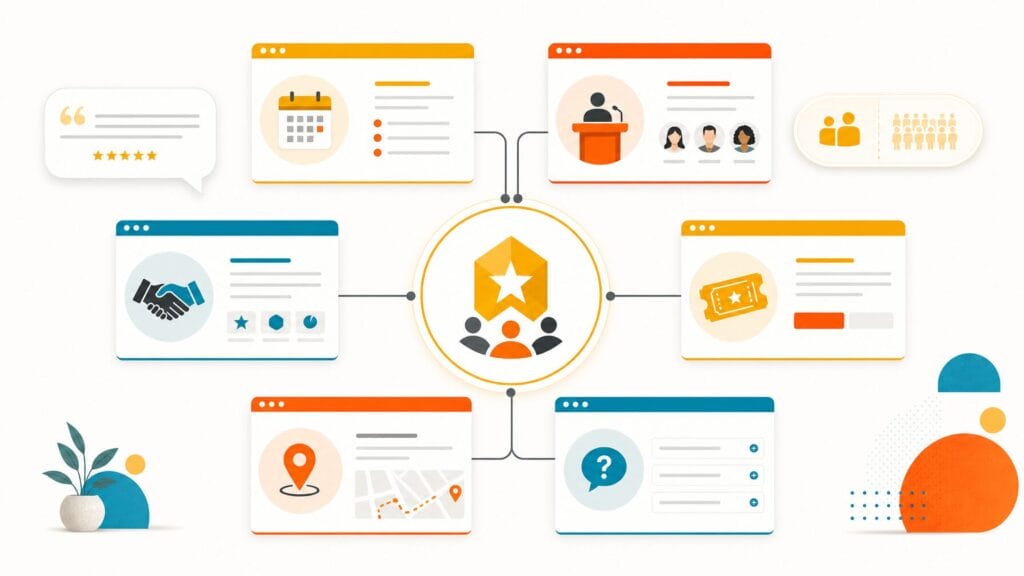
A dedicated event website acts as a sales tool, not just a brochure. It must provide the answers that precede the decision to register. By including detailed speaker bios, video highlights from previous years, clear agenda paths, and transparent FAQ sections, you reduce the anxiety associated with spending money or time on an event. Your website must be a content-rich environment that builds confidence in the value proposition of the experience.
Data-Driven Communication: Segmenting for Success
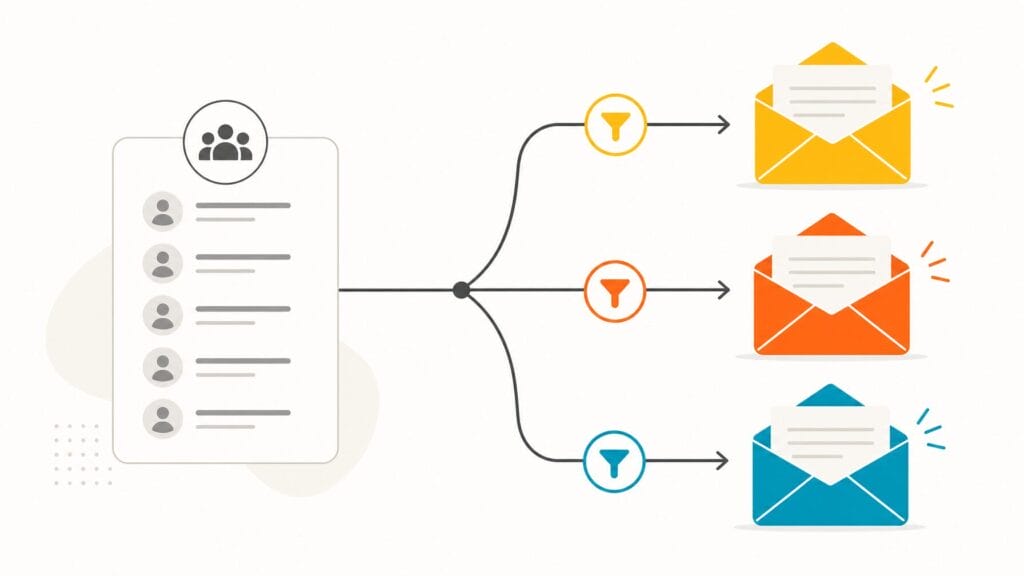
The "spray and pray" method of email marketing—sending the same generic invitation to your entire database—is a relic of the past. To drive conversions, you must segment your audience based on their relationship with the registration process.
Three Pillars of Email Segmentation
- The Non-Starters: These individuals haven’t engaged with the registration page. Focus your messaging here on the "What’s in it for me?" (WIIFM) aspect. Use testimonials, session highlights, and value-adds to move them from awareness to action.
- The Abandoners: This is your highest-intent audience. They started the form but were distracted or deterred. A 24-hour follow-up email—potentially including a deep link that saves their progress—can recover a significant percentage of these "lost" sign-ups.
- The Confirmed Attendees: Stop asking them to register. Instead, use this segment to foster community, share logistics, and build anticipation for the event experience itself.
Advanced Tactics: AI and Exclusivity
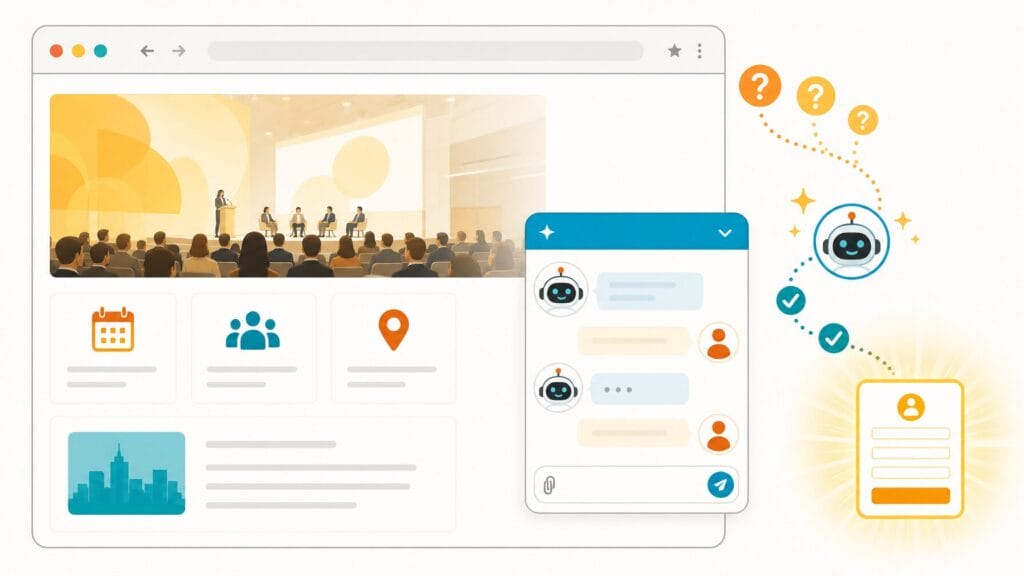
As technology evolves, the tools at your disposal become more sophisticated. Implementing an AI concierge, for example, provides 24/7 support for prospective attendees. If a visitor is hesitant about a refund policy or the relevance of a specific track, the AI can provide an instant answer, keeping the momentum of their decision-making process alive.
For high-value, executive-level events, shift from open registration to an RSVP flow. This creates an atmosphere of exclusivity and allows you to curate your audience, ensuring that the right mix of stakeholders is present.
Implications for Event ROI
The ultimate success of your event is tied to your ability to manage the registration lifecycle as a high-functioning revenue stream. When you treat registration as an extension of the attendee experience, you see results in:

- Higher Conversion Rates: By reducing friction and answering questions in real-time, you capture more of the traffic you’ve already paid to attract.
- Better Resource Allocation: Earlier registrations allow for more accurate planning of catering, venue space, and speaker requirements, reducing waste and over-budgeting.
- Improved Attendee Satisfaction: A seamless, professional registration process sets the tone for the quality of the event itself.
A Continuous Improvement Plan
No single tactic is a silver bullet. The most successful teams treat their registration data as a diagnostic tool. Use UTM parameters to track exactly which channels—social media, email, or your blog—are driving the most sign-ups. Monitor your form abandonment rates and, if you see a drop-off, test a shorter form or a different call to action.
The Measurement Checklist
To ensure long-term success, implement a rigorous measurement plan:
- Conversion Rate: Percentage of unique visitors who complete the registration.
- Form Abandonment Rate: Identifying exactly which step causes the most users to leave.
- Channel Attribution: Using UTMs to see which content pieces actually result in a sale.
- Email CTR-to-Registration: Tracking how many email clicks actually result in a completed transaction.
By applying these ten strategies, you move beyond mere administration. You create a robust, responsive, and high-converting funnel that respects your attendees’ time while ensuring your event achieves the attendance numbers it deserves. Registration is the first real interaction a potential attendee has with your brand—make it count, make it easy, and make it part of a strategy that drives growth year over year.