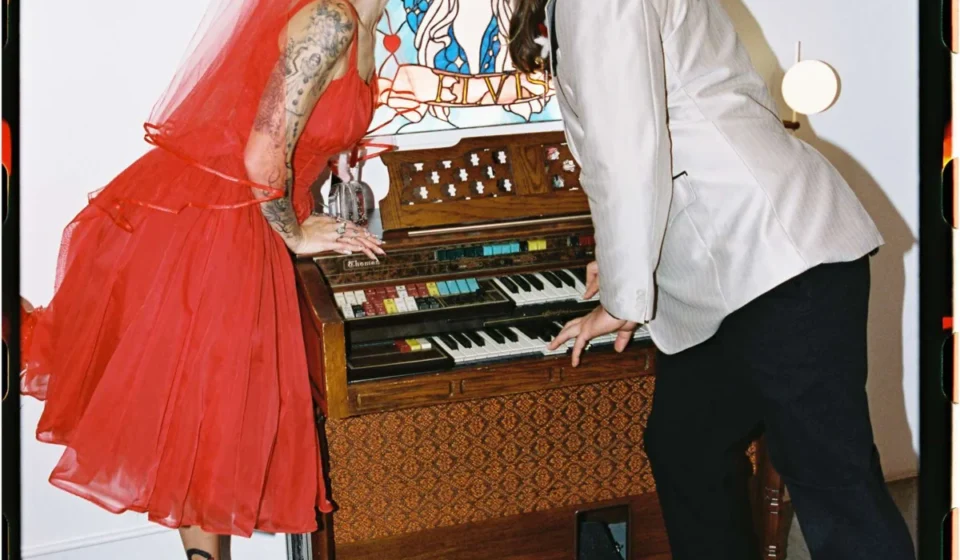
Beyond the Canon: Why the Piano is the Ultimate Tool for the Modern, Alternative Wedding

For decades, the cultural shorthand for "wedding music" has been a rigid, predictable script. If you’ve attended a traditional ceremony, you’ve likely been ushered into your seat by the polite, staccato notes of Pachelbel’s Canon in D or the swelling, predictable crescendos of a string quartet. For the modern, alternative couple, however, these tropes often feel less like a celebration of personality and more like a costume party.
The tide is shifting. Couples are increasingly looking for ways to infuse their wedding days with the specific, gritty, and deeply personal soundtracks of their lives. Enter the piano—not as a relic of the ballroom, but as the most versatile, rebellious, and emotionally resonant instrument available to the modern wedding planner.
The Evolution of the Wedding Soundtrack
The shift toward non-traditional wedding music is a direct reflection of a broader cultural trend: the "personalization of the milestone." Today’s couples are not interested in performing a script written for their grandparents. They want their entrance, their first dance, and their cocktail hour to mirror the songs they actually blast in the car during road trips.
Social media platforms like TikTok have accelerated this movement. A quick scroll through the #WeddingPiano hashtag reveals a goldmine of creative reinterpretations: stripped-back, melancholic versions of pop-punk anthems by Blink-182, cinematic instrumental takes on emo classics, and delicate piano renditions of heavy metal ballads. The piano, by nature, is a chameleon. It can command the room with the thunderous intensity of a rock concert or whisper into the ears of guests with the intimacy of a late-night lounge session.
Chronology of a Musical Choice: From Planning to Performance
Integrating a piano into your wedding is not a decision made in a vacuum; it requires a strategic approach to logistics and artistic intent.
Phase 1: The Curatorial Phase (6–12 months out)
This is where the couple decides on the "vibe." Do you want the piano to be the centerpiece of the ceremony, or a subtle backdrop during the drinks reception? This is the time to identify the songs that define your relationship. Whether it’s a track from the album you both listened to on your first date or a song that saw you through a long-distance phase, the piano can adapt to any genre.
Phase 2: The Technical Audit (3–6 months out)
Once you have your setlist, you must assess your environment. Are you in a cathedral with natural acoustics, or a converted warehouse with concrete floors? This phase involves consulting with your venue to see if an acoustic piano is already available—a logistical win that saves money and stress.
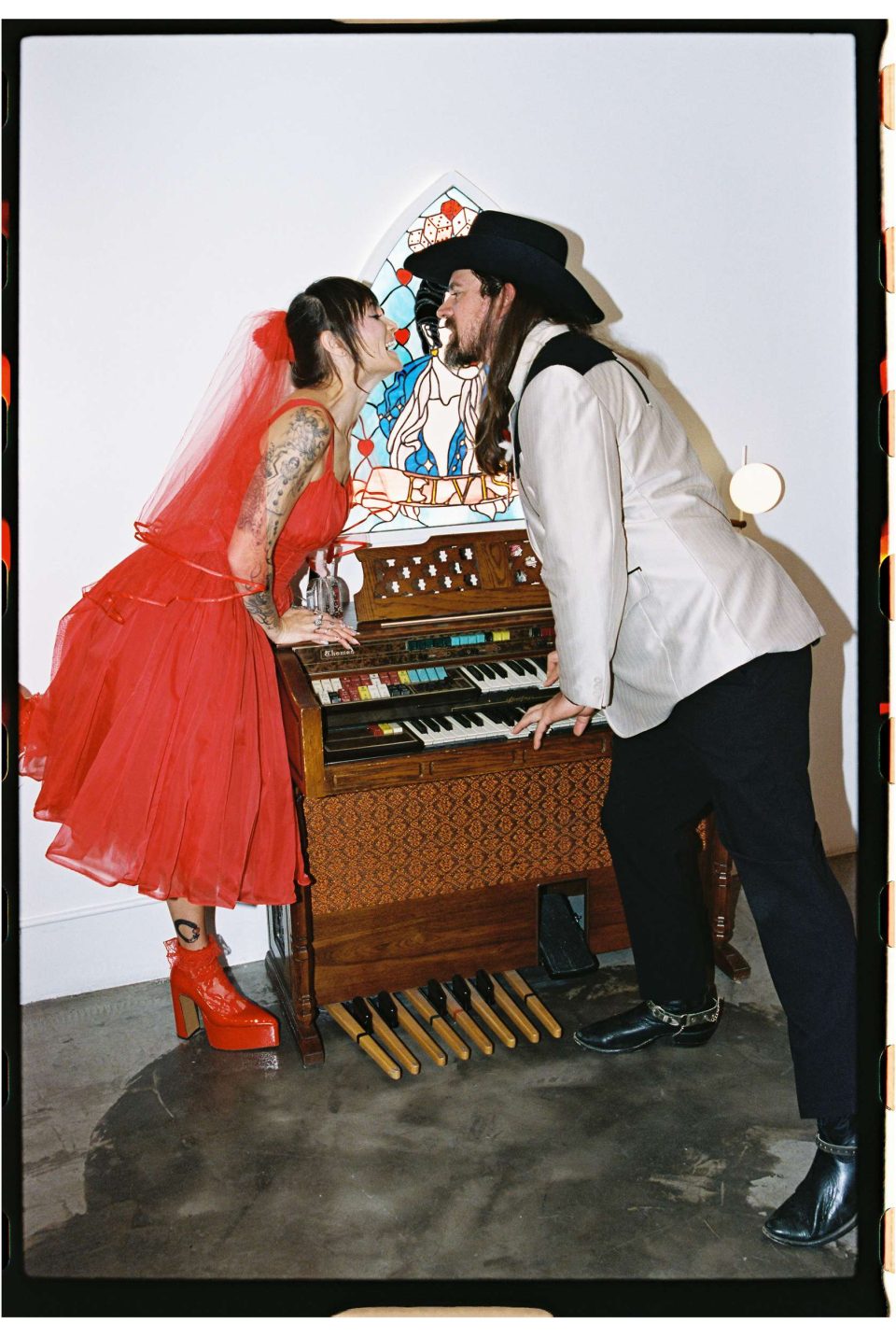
Phase 3: The Rehearsal (1–3 months out)
If the couple decides to perform themselves, this is when the "wonky but wonderful" phase begins. Whether you are seasoned players or picking up the keys for the first time, the process of learning a song together creates a shared memory that far outlasts the wedding day itself.
Phase 4: The Performance (Wedding Day)
The payoff. As the doors open and the first notes of your chosen anthem ring out, the room shifts. The music is no longer just "background noise"; it is a narrative thread connecting the guests to the couple’s specific journey.
The Case for the Modern Digital Piano
While the aesthetic of a grand piano is undeniably romantic, it is not always the most practical choice for the alternative venue. Modern weddings are increasingly hosted in tipis, forest clearings, or urban industrial spaces. In these environments, the traditional acoustic piano can be a liability—vulnerable to humidity, difficult to tune, and nearly impossible to move.
Digital pianos, such as the Yamaha Arius series, have reached a level of sophistication where the tactile response and tonal depth are virtually indistinguishable from their acoustic counterparts to the average ear. They offer:
- Portability: These instruments can be transported to the most rugged of locations.
- Reliability: No need for a piano tuner on site; the digital piano stays perfectly in tune regardless of the weather.
- Versatility: With simple amplification, these instruments can hold their own against the ambient noise of a large, outdoor crowd.
- Rehearsal Capabilities: The ability to use headphones allows a couple to practice their first dance song without the rest of the house—or the neighborhood—hearing the inevitable "clunkers" during the learning process.
Supporting Data: The Rise of the "Personalized Wedding"
According to recent wedding industry reports, the "alternative wedding" market has seen a 40% growth in the last five years. Couples are increasingly abandoning pre-packaged wedding packages in favor of "bespoke experiences."
Music, as an emotional anchor, is the primary driver of this shift. When a guest hears a song they know is a "couple-specific" favorite, the emotional engagement with the ceremony increases significantly. Studies in music psychology suggest that live performance, even when slightly imperfect, creates a stronger sense of communal intimacy than recorded music. The "human element"—the slight variations in tempo, the breathing, the occasional mistake—reminds guests that they are witnessing a real, unscripted moment.
Official Perspectives: The Value of the DIY Approach
We spoke with several wedding coordinators who emphasize that "perfection is the enemy of intimacy." The current sentiment among industry professionals is that guests are less concerned with a flawless performance and more moved by the vulnerability of the effort.
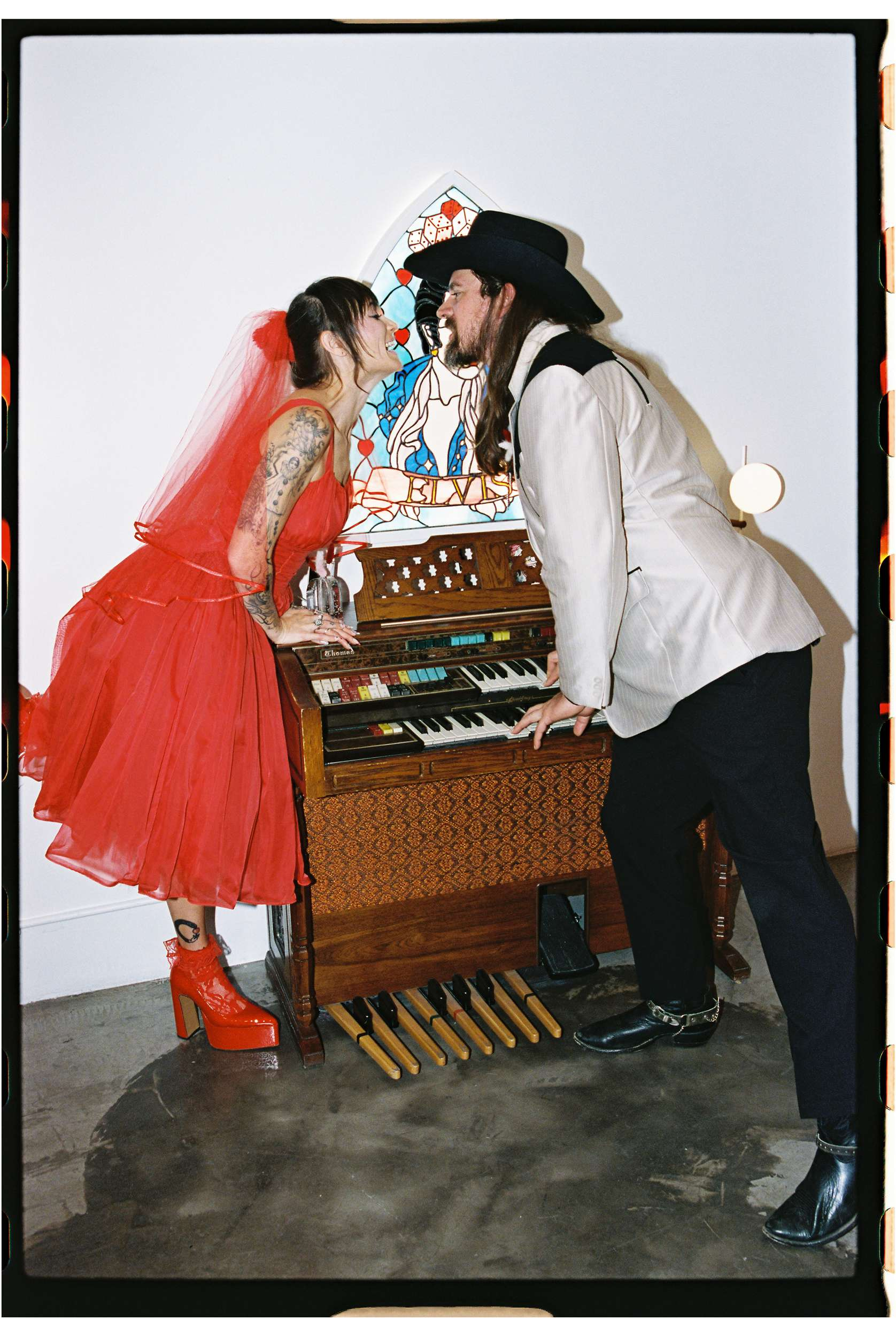
"When a bride or groom sits down at the piano, even if they aren’t professionals, the energy in the room changes," says one industry expert. "It becomes a moment of raw humanity. That is what people remember. They don’t remember if the notes were perfect; they remember the way the couple looked at each other while they were playing."
Furthermore, the "circular economy" of music is thriving. For those who purchase a piano specifically to learn a wedding song, the post-wedding landscape is forgiving. Markets for high-quality used instruments are robust, meaning that a piano purchase can be seen as an investment in a temporary hobby rather than a permanent commitment to a piece of furniture that doesn’t fit your lifestyle.
Implications for the Future of Ceremonies
The movement toward piano-driven, non-traditional music signals a broader departure from the "cookie-cutter" wedding industry. It implies that couples are moving toward a future where:
- Identity overrides tradition: The "correct" way to do a wedding is now simply "your way."
- Sustainability is prioritized: By choosing instruments that are versatile and digital, couples are opting for practical, waste-reducing logistics over the high-carbon footprint of moving massive, vintage equipment.
- Active participation is encouraged: The line between the "performer" and the "attendee" is blurring. More couples are choosing to be active participants in their own soundtrack, rather than passive observers of a hired band.
Conclusion: The Assignment Understood
At the heart of the "rock ‘n’ roll" wedding philosophy is a simple, defiant rule: there are no rules. If you want to walk down the aisle to a solo piano arrangement of a track that defines your specific taste—no matter how loud, how obscure, or how unconventional—you have fully understood the assignment.
The piano is merely the vehicle. The destination is a wedding day that feels entirely, unapologetically, and authentically yours. Whether that means a grand piano in a stately home or a digital keyboard in a city pub, the music should be as unique as the love story it accompanies. So, find the song, find the keys, and don’t worry about being perfect. In the world of alternative weddings, being "you" is the only thing that matters.