Beyond the Like: Transforming Facebook Analytics into a Growth Engine for Small Businesses

For the modern small-to-medium business (SMB), Facebook is far more than a digital bulletin board. With over two billion daily active users, it functions as a primary storefront, a customer service portal, and a critical discovery engine. Yet, many business owners remain trapped in a cycle of "vanity metrics," obsessing over likes and follower counts while missing the data that actually dictates survival and growth.
To succeed in an increasingly competitive digital landscape, SMBs must shift their focus from superficial interactions to high-intent data. By leveraging sophisticated analytics, businesses can move beyond guesswork and implement a strategy that directly correlates social media activity to tangible revenue.
The Evolution of Social Strategy: Why Data Matters
In the early days of social media, "engagement" was an amorphous concept. Today, that definition has matured. For an SMB, engagement is only valuable if it leads to a concrete outcome—a sale, a demo booking, or a newsletter sign-up.
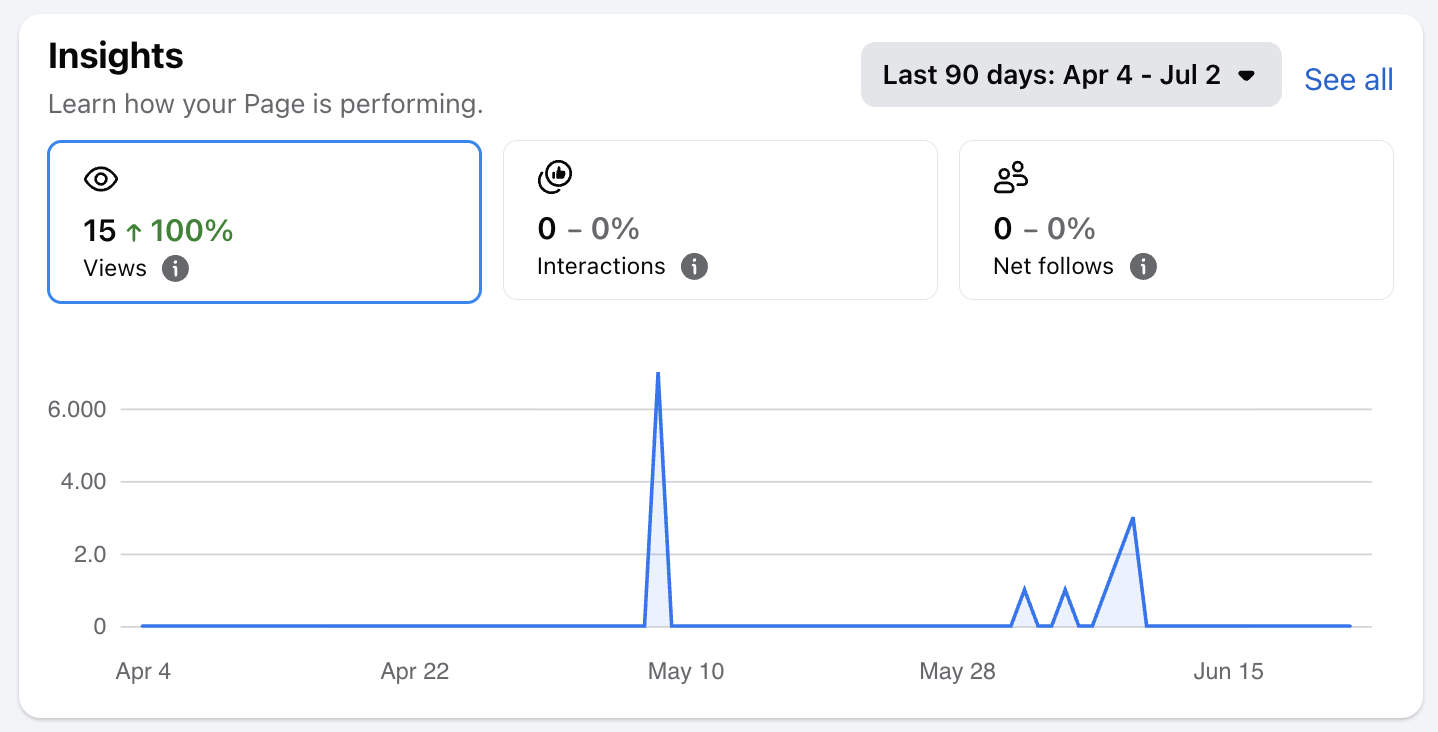
The core problem for many entrepreneurs is that they are "drowning in dashboards." While platforms like Meta Business Suite offer a wealth of information, the data is often fragmented. The transition from passive social media usage to data-backed marketing is not just a technical upgrade; it is a fundamental shift in business philosophy. When a brand understands exactly which posts drive traffic to their website, they stop treating Facebook as a cost center and start treating it as a revenue-generating asset.
Chronology of an Analytics-Driven Campaign
To illustrate the power of data, consider the lifecycle of a successful SMB campaign. The process begins with Performance Benchmarking, where a business audits the last 90 days of activity to identify "content clusters"—specific formats or topics that have historically performed well.
Following the audit comes the Hypothesis Phase. A local boutique, for instance, might notice that their audience engages 30% more on Tuesday mornings with video content compared to static images. They then build a content calendar specifically to test this theory.
The third stage is Implementation and Link Tracking. By utilizing trackable URLs, the business moves away from general "awareness" and into "conversion tracking." Every click is accounted for, allowing the team to attribute specific sales to specific pieces of creative content.
Finally, the Optimization Phase occurs. If the data shows that 70% of the audience is outside the target geographic service area, the business pivots its ad spend to local, geo-fenced targeting, ensuring that every dollar spent is directed toward a potential customer.
Supporting Data: The Metrics That Move the Needle
Not all metrics are created equal. To move the needle, SMBs must prioritize metrics that signal high-intent behavior:
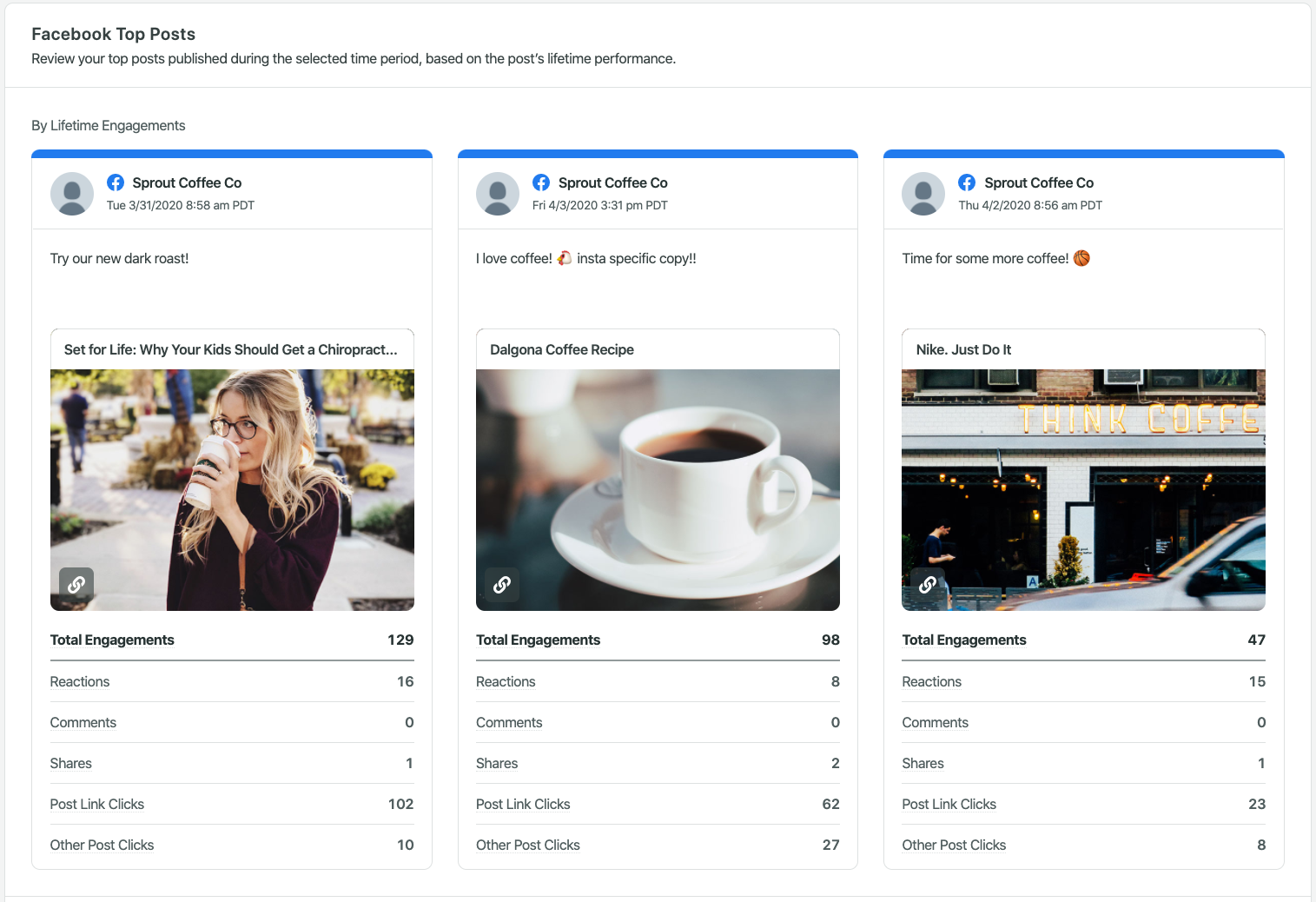
- Link Clicks and Referral Traffic: These are the gold standard for ROI. A link click signifies a user who is willing to leave the comfort of their social feed to interact with your brand’s own digital ecosystem.
- Video Retention and Watch Time: With the rise of short-form video, simply knowing that a video was "seen" is insufficient. Average watch time tells a business if their "hook" is effective or if the audience is dropping off within the first three seconds.
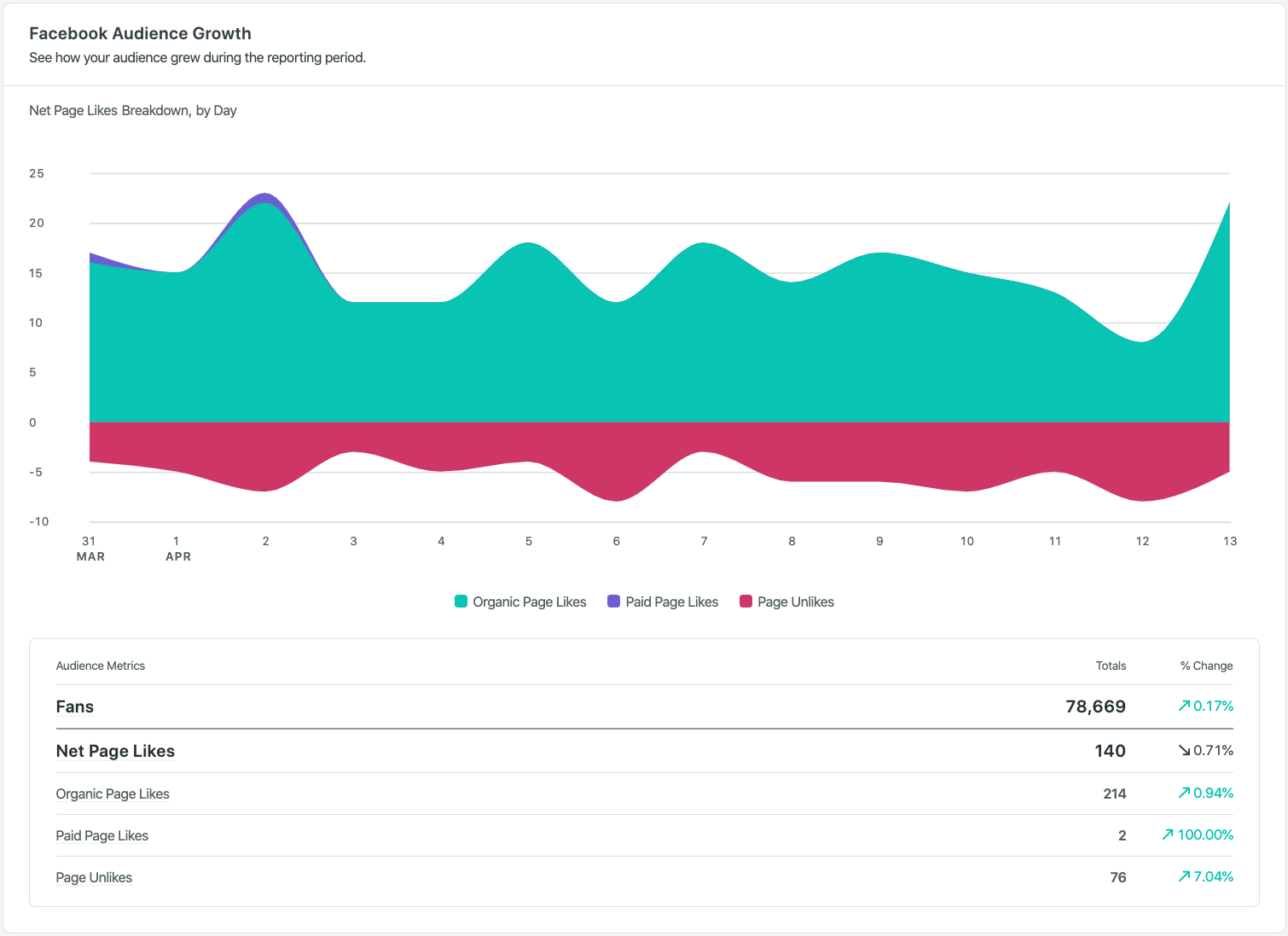
- Audience Demographics: Engagement from a user in a different country might look good on a report, but for a local coffee shop, it is noise. Aligning audience demographics with the actual service area is critical to avoiding wasted ad spend.
- Review Sentiment and Social Proof: In the age of the digital recommendation, your Facebook Page is a reputation management tool. Tracking the volume and sentiment of reviews provides a direct pulse on customer satisfaction.
Official Perspectives: The Shift Toward Unified Reporting
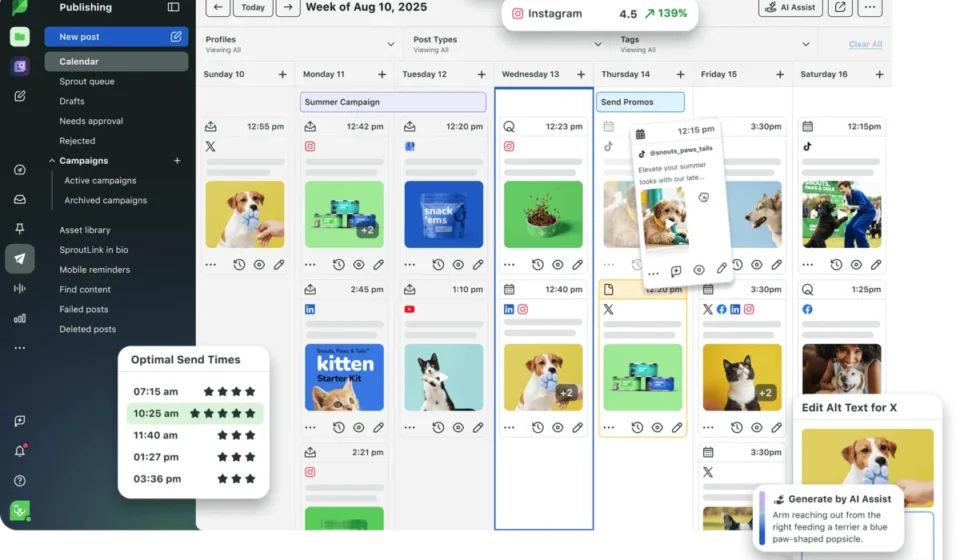
Industry leaders, including the team at Sprout Social, have noted a significant trend: the movement away from native, platform-specific tools toward unified management platforms.
The "native dashboard fatigue" is real. Small business owners often spend hours toggling between Ads Manager, Page Insights, and Messenger, only to find themselves manually copying data into spreadsheets to perform basic comparative analysis.
"The goal for a small business shouldn’t be to become a data scientist," says a spokesperson from Sprout Social. "The goal is to reclaim the time lost to administrative tasks so they can focus on the human side of the business—engaging with their community and creating compelling content. When you automate the reporting process, you stop guessing what works and start replicating your successes."
Implications for Small Business Growth
The implications of embracing a data-first approach are profound. When a small business integrates its analytics into its daily workflow, three major changes occur:
1. The Death of Guesswork
Instead of asking "What should we post today?", the data provides the answer. By reviewing historical performance, businesses can identify the "golden hours" of engagement and the specific content pillars that drive the highest conversion rates.
2. Fiscal Efficiency
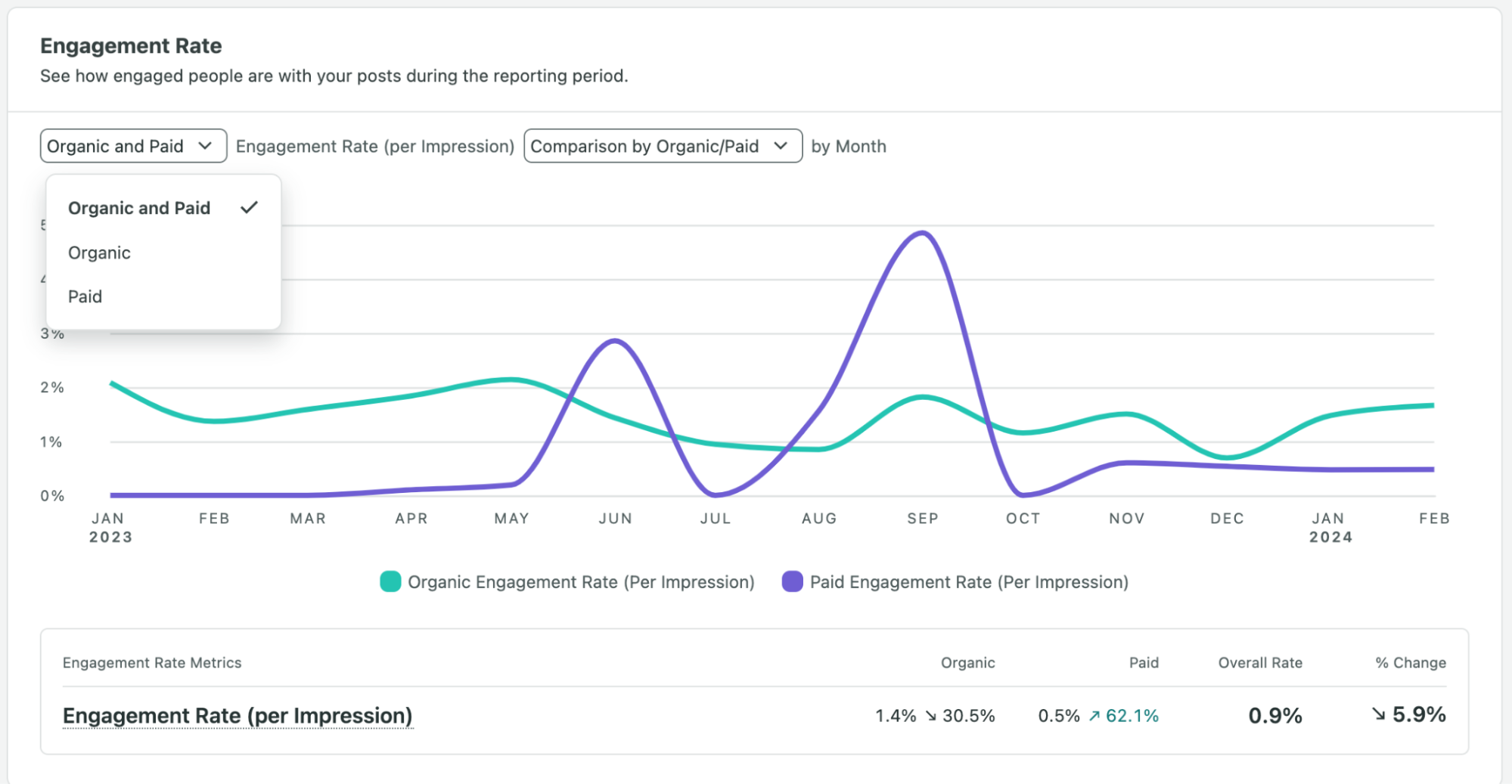
By separating organic reach from paid performance, businesses can stop "boosting" low-performing posts. Data-backed spending means that only proven content receives a budget, significantly lowering the Customer Acquisition Cost (CAC) and increasing the overall return on ad spend (ROAS).
3. Scalable Success
Consistency is the hardest part of social media marketing. However, when a business has a clear, data-backed template for what works, they can scale their production. If a specific series of educational videos consistently generates leads, the business can operationalize the production of those videos, turning a lucky guess into a repeatable, scalable lead-generation machine.
Overcoming the "Native Tool" Limitation
While Meta’s native tools are excellent for starters, they are designed to keep users within the Facebook ecosystem. They do not easily integrate with website analytics, email marketing data, or competitor benchmarks.
As a business grows, the "spreadsheet-and-screenshot" method becomes a bottleneck. Transitioning to third-party software becomes necessary when:
- You are managing multiple social channels and need a cross-platform view.
- You are spending more time reporting on data than actually interacting with customers.
- You need to provide stakeholders or partners with professional, automated performance reports.
Conclusion: Turning Insights into Action
In the modern economy, data is the great equalizer. It allows the small corner bakery to compete with national chains by understanding their specific customer base better than the competition.
By focusing on link clicks, video watch time, demographic alignment, and sentiment analysis, SMBs can transform their Facebook presence from a passive marketing expense into a proactive growth engine. The tools to do this—whether they are native dashboards or professional-grade management platforms like Sprout Social—are more accessible than ever. The only barrier left is the decision to move past the vanity metrics and start paying attention to what truly matters: the bottom line.
Whether you choose to refine your manual tracking or upgrade to a unified management dashboard, the path forward is clear. Stop guessing. Start measuring. And most importantly, use the stories hidden in your data to tell a better, more profitable story to your customers.