
In the world of craft beverages, whether you are shaking up a classic cocktail in a high-end lounge or perfecting a morning iced latte in your own kitchen, one ingredient serves as the backbone of flavor balance: simple syrup. While often overlooked as a mere utility, simple syrup—a precise infusion of sugar and water—is the secret weapon for achieving professional-grade consistency. By mastering this fundamental component, home bartenders and baristas alike can transcend the limitations of raw sugar, ensuring their creations are smooth, well-balanced, and devoid of the gritty, undissolved textures that plague amateur drinks.
Main Facts: The Anatomy of a Perfect Syrup
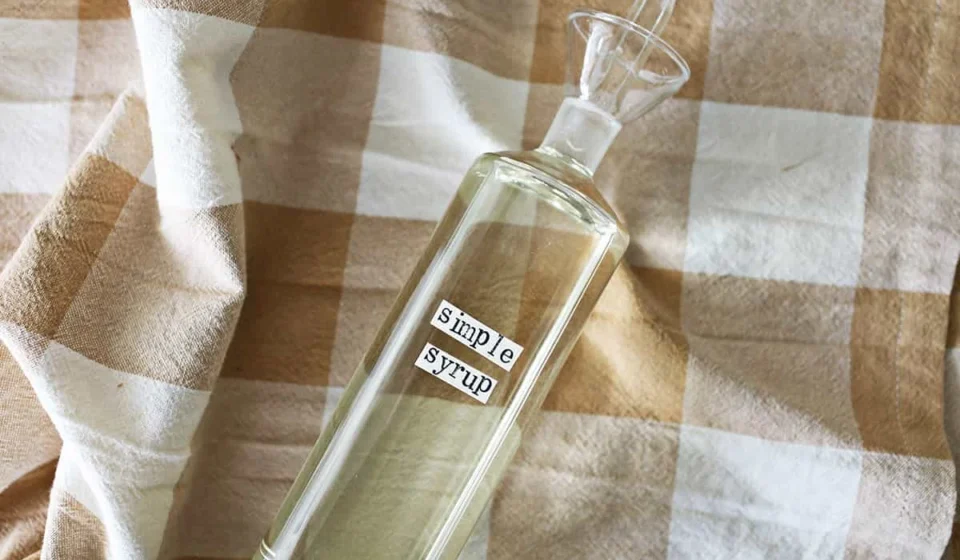
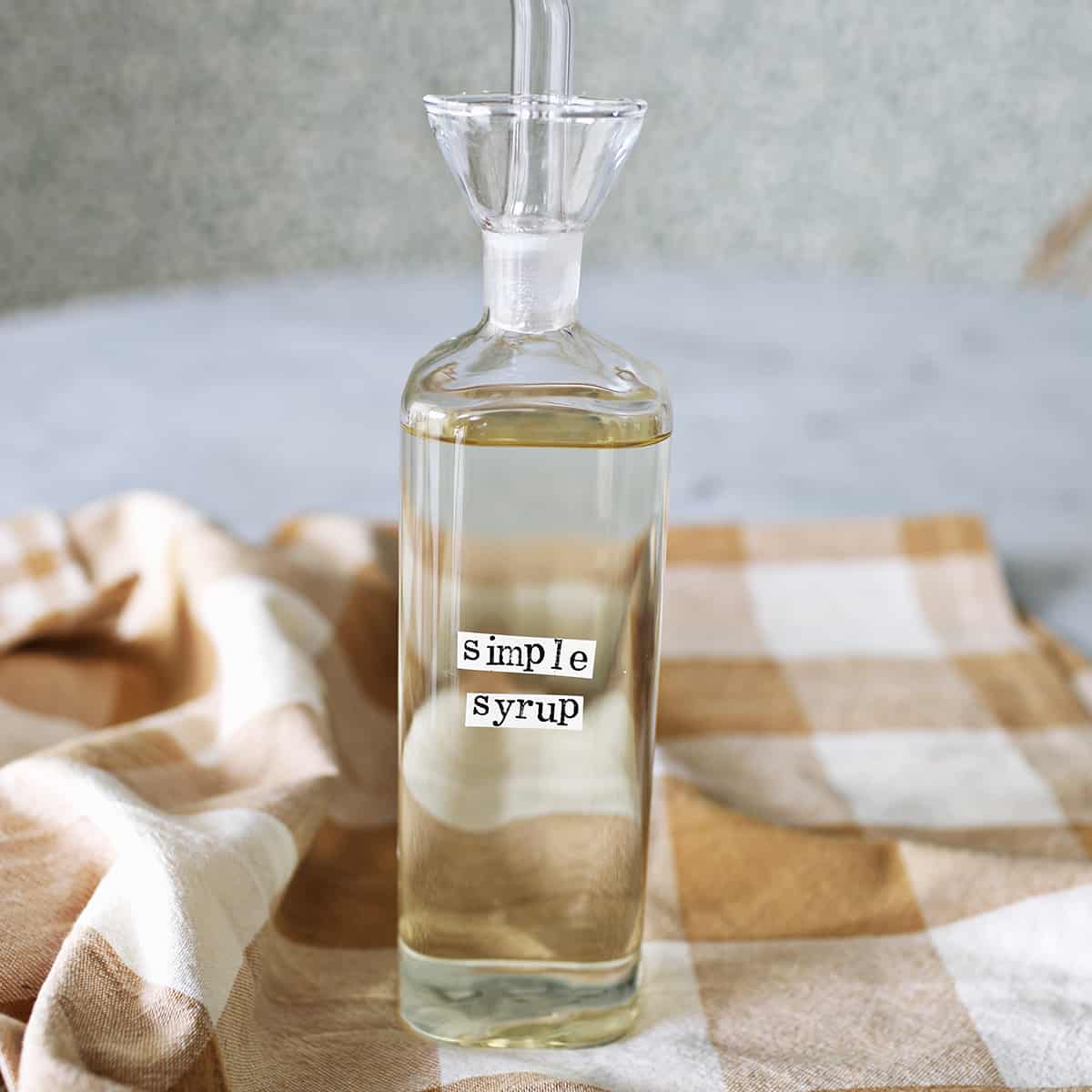
At its core, simple syrup is a culinary solution—a homogeneous mixture where sugar is fully dissolved in water. The standard ratio, which has become the gold-standard in professional mixology, is 1:1. This means equal parts by volume of granulated white sugar and water.
The primary purpose of simple syrup is solubility. When you attempt to sweeten a cold beverage, such as a chilled lemonade or an iced coffee, granulated sugar struggles to dissolve. Instead, it sinks to the bottom of the glass, creating a cloying concentration of sugar at the end of the drink while leaving the initial sips under-sweetened. Simple syrup, having already been dissolved via heat, remains perfectly integrated into liquids regardless of temperature. It provides a velvety mouthfeel and ensures that every sip contains the exact level of sweetness the creator intended.
Chronology: The Evolution of Sweetening
The history of sugar as a sweetener dates back centuries, but the specific application of "simple syrup" emerged as the cocktail culture began to formalize in the late 19th and early 20th centuries. As bartenders sought to balance the harshness of high-proof spirits with citrus and sweetness, they required a medium that would not alter the temperature or dilution profile of the drink.
- Pre-1900s: Bartenders primarily used lump sugar or granulated sugar, often muddling it directly into the glass with bitters and spirits, as seen in the original "Old Fashioned" methodology.
- 1920s–1950s: With the rise of the Golden Age of Cocktails, the demand for speed and consistency behind the bar grew. "Bar syrup" or "simple syrup" became a standard prep item, allowing for rapid assembly of complex drinks like the Tom Collins or the Gimlet.
- Modern Era: Today, the home-bartending movement has turned simple syrup into a canvas for culinary innovation. The current trend focuses on "compound syrups"—infusing the 1:1 base with botanical, spice, or fruit elements to create signature flavors that cannot be found on store shelves.
Supporting Data: Why "Homemade" Beats Store-Bought
While commercial producers market pre-made simple syrups, the data suggests that these products are often unnecessary, overpriced, and laden with preservatives.
- Cost Efficiency: A bag of granulated sugar and tap water costs pennies per liter. A commercial bottle of "premium" simple syrup can cost upwards of $10 to $15.
- Purity: Store-bought syrups often include potassium sorbate or sodium benzoate to extend shelf life for months or years. A homemade batch, stored in a sterile, airtight glass bottle in the refrigerator, maintains its integrity for at least one month—more than enough time for the average household to consume it.
- Customization: By making it yourself, you control the viscosity. While 1:1 is standard, "Rich Simple Syrup" (a 2:1 ratio of sugar to water) is often preferred in professional settings for its ability to add body to cocktails without diluting the spirit as much as a 1:1 ratio.
Official Guidelines: The Preparation Process
Achieving the perfect syrup requires more than just mixing ingredients; it requires thermal control.
The Standard Procedure
- Measure: Use equal volumes of water and sugar.
- Combine: Place both in a saucepan over medium heat.
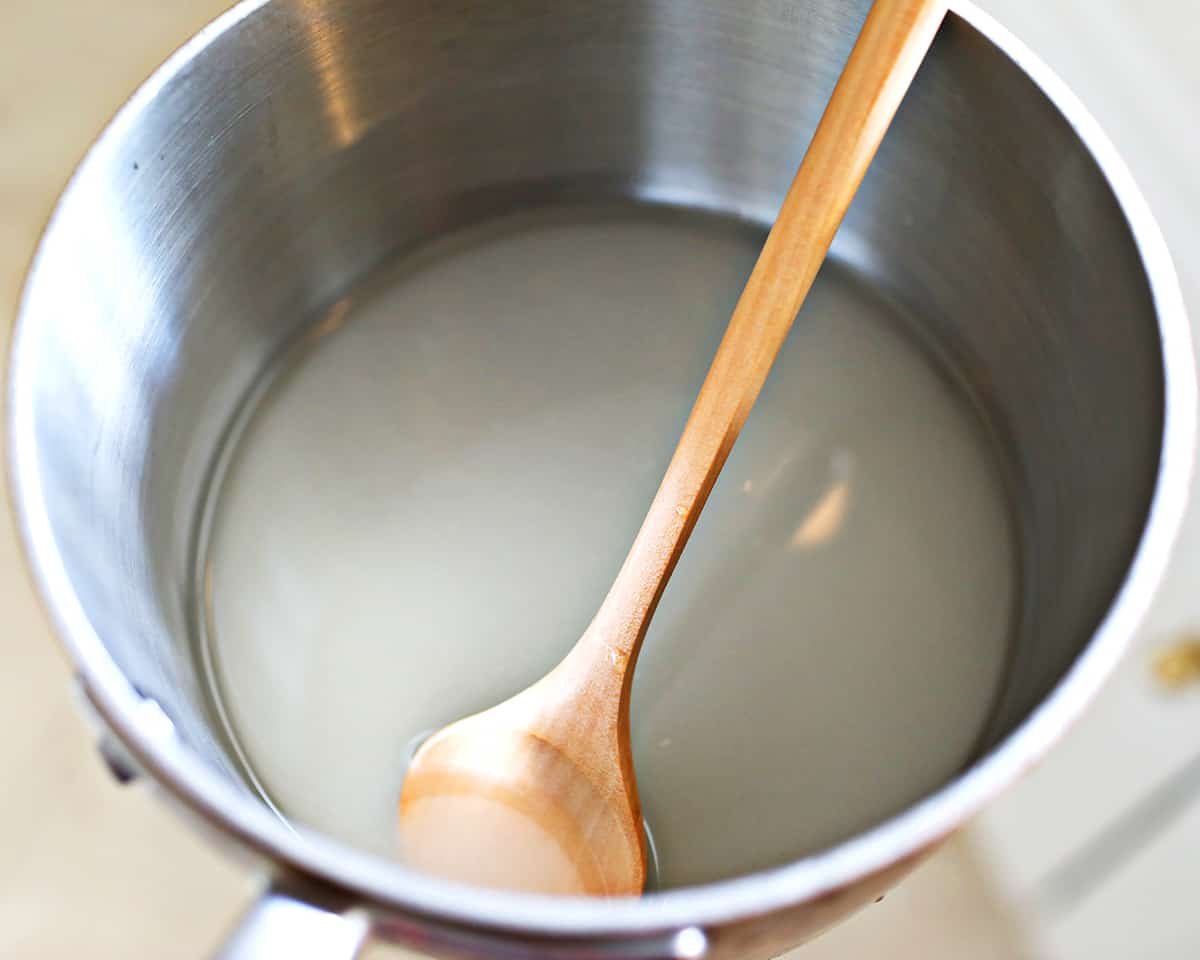
- Dissolve: Stir continuously. You are not looking to boil the mixture aggressively; rather, you are aiming for the "clear stage." Once the liquid turns transparent and no grains remain on the bottom of the pan, remove it from the heat.
- Cool and Store: Allow the syrup to cool completely before transferring it to a clean glass bottle.
The "No-Heat" Method
For those who prioritize flavor preservation, especially when using delicate herbs, a no-heat method is possible. By using superfine sugar and vigorous shaking or blending, you can dissolve the sugar in room-temperature water. This method prevents the "cooked" sugar flavor that can sometimes occur when the mixture is boiled for too long.
Crucial Warnings
Do not overcook the syrup. If left on the heat for too long, the water evaporates, and the sugar begins to caramelize. While caramel syrup is a delicious product in its own right, it is not "simple syrup." It will possess a toasted, nutty flavor profile that will drastically alter the chemistry of your cocktail.
Implications: Expanding the Palate
Mastering the base allows for an infinite variety of flavor profiles. The "infusion" phase occurs after the sugar has dissolved. By adding aromatics while the syrup is still warm, you can extract essential oils and flavors.
- Herbal Infusions: Fresh mint, rosemary, or basil can be steeped in the cooling syrup for 10–15 minutes before being strained out.
- Spice Infusions: Cinnamon sticks, cardamom pods, or whole cloves should be added during the initial simmering stage to fully release their robust profiles.
- Fruit Infusions: For vibrant colors and flavors, adding fresh raspberries, blackberries, or ginger slices creates a syrup that can turn a basic sparkling water into a craft soda or a standard gin and tonic into a seasonal masterpiece.
Professional Perspectives: The "Why" Behind the Balance
Mixologists emphasize that the role of simple syrup is not just to make a drink sweet, but to make it coherent. In a classic Gimlet—a mixture of gin, lime juice, and simple syrup—the syrup acts as a bridge. The acidity of the lime is aggressive, and the gin is pungent. Without the sugar, the drink is disjointed. With the correct amount of simple syrup, the ingredients coalesce, smoothing the edges of the alcohol and highlighting the bright, floral notes of the citrus.
Furthermore, in the world of coffee, simple syrup is superior to flavored syrups found in chain cafes. Because you are controlling the concentration, you can adjust the sweetness of your cold brew or latte to your exact preference, avoiding the overly synthetic, cloying aftertaste of mass-produced options.
Conclusion: Elevating Your Daily Ritual
The journey to becoming a proficient home bartender starts not with expensive equipment or rare spirits, but with the humble bottle of simple syrup in your refrigerator. It is the bridge between a haphazardly mixed drink and a balanced cocktail. By adopting the practice of making your own, you are not only saving money but also taking the first step toward understanding the fundamental principles of flavor balance.
Whether you are crafting a refreshing Mojito on a summer afternoon, a sophisticated Lemon Drop Martini for a dinner party, or simply sweetening your morning iced coffee, the quality of your simple syrup will define the quality of your experience. Embrace the simplicity of the 1:1 ratio, experiment with your favorite aromatics, and enjoy the satisfaction of knowing that the best drink in the house was made by your own hand. Cheers to the art of the pour!