
The Rise of Guasacaca: How Venezuelan Avocado Sauce is Capturing Global Culinary Attention

CULINARY TRENDS — In the ever-evolving landscape of global gastronomy, certain condiments quietly cross international borders, transforming from regional staples into worldwide sensations. Among the most recent beneficiaries of this culinary globalization is guasacaca, a vibrant, herb-packed Venezuelan avocado sauce that is rapidly securing a permanent place in home kitchens and restaurant menus alike. Often described by food enthusiasts as the delicious cross-pollination of Mexican guacamole and Argentine chimichurri, guasacaca offers a refreshing, tangy, and herbaceous profile that elevates everything from simple appetizers to gourmet grilled meats.
For home cooks searching for versatile, fresh additions to their repertoire, guasacaca represents an ideal balance of creaminess and bright acidity. As interest in authentic Latin American flavors continues to surge across North America and Europe, understanding the origins, preparation, and culinary applications of this unique sauce provides a rewarding window into Venezuelan food culture.
Main Facts: What is Guasacaca?
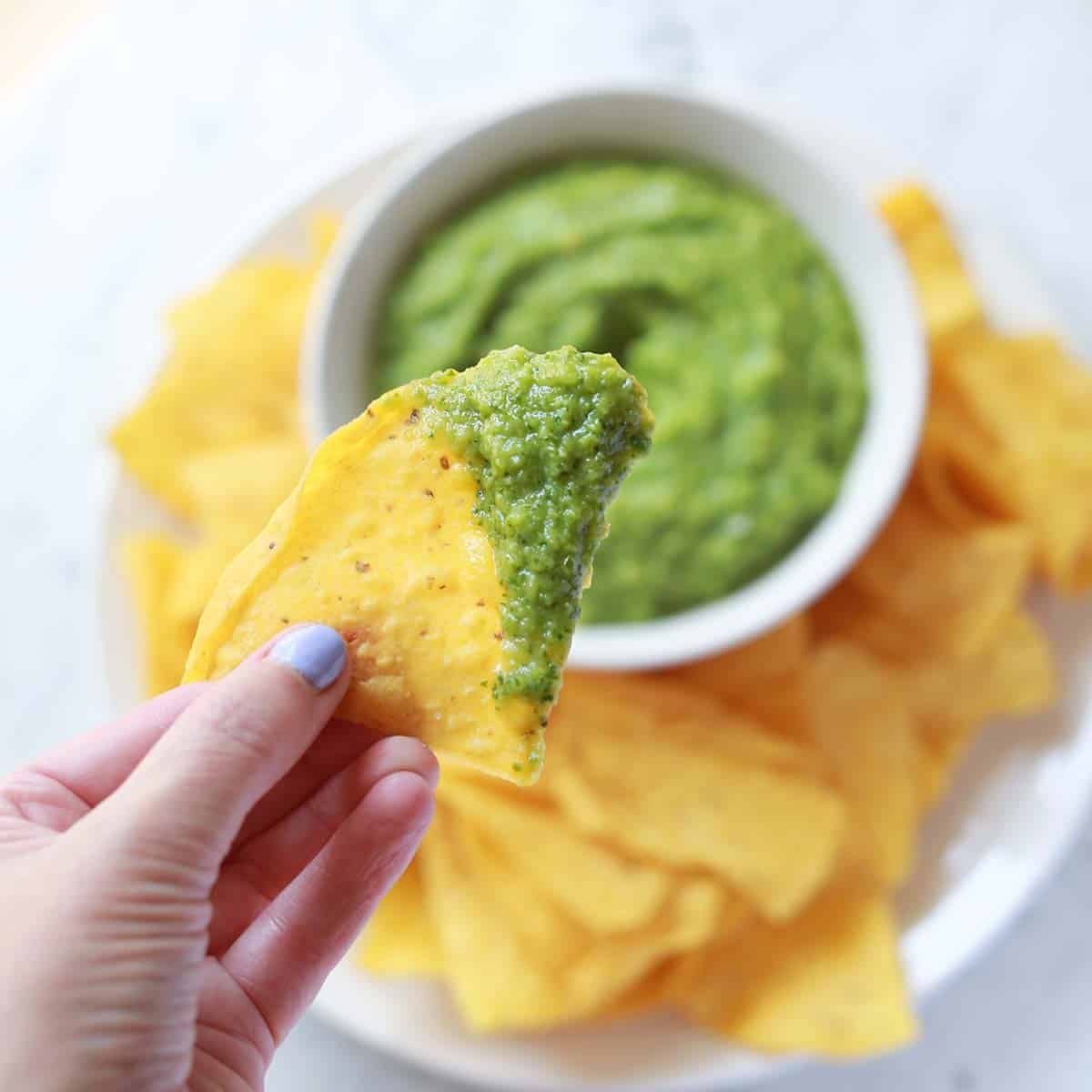
At its core, guasacaca is a traditional Venezuelan condiment made primarily from ripe avocados, fresh herbs, bell peppers, onions, garlic, vinegar, and oil. Unlike its chunkier cousin, guacamole—which typically relies on lime juice and chunky tomatoes or onions for texture—guasacaca is traditionally blended or finely minced into a smooth, pourable sauce or thick dip.
- The Flavor Profile: It strikes a harmonious balance between the buttery richness of Hass avocados and the sharp, zesty punch of white vinegar, lime juice, garlic, and fresh green herbs like cilantro and parsley.
- Versatility: While it serves as an exceptional dip for tortilla chips, arepas, tequeños, and cachapas, it functions equally well as a finishing sauce for grilled steak (carne asada), chicken, fish, tacos, and roasted vegetables.
- Texture: Ranging from a spoonable emulsion to a finely textured salsa verde, the consistency of guasacaca can be customized depending on whether a food processor, blender, or hand-chopping method is used.
Despite sharing avocado as its star ingredient, guasacaca stands apart due to its heavy emphasis on vinegar and fresh green aromatics, giving it a bright tang that cuts through rich, fatty proteins.
Chronology: The Journey from Venezuelan Kitchens to the Global Stage
The history of guasacaca is deeply embedded in Venezuelan domestic culinary traditions, though its exact timeline mirrors the broader migration of Latin American comfort foods into mainstream international consciousness.
Pre-Columbian Roots and Colonial Influences
The foundational ingredients of guasacaca represent a historical convergence of indigenous and European elements. Avocados (Persea americana) are native to Mesoamerica and South America, utilized by indigenous populations for millennia. Following Spanish colonization, European ingredients such as garlic, onions, and various vinegars were introduced to the region. Local cooks in Venezuela combined these elements, leveraging the abundance of native avocados to create fresh, uncooked condiments designed to accompany heavy meals.
Mid-to-Late 20th Century: A Household Staple in Venezuela
By the mid-1900s, guasacaca had solidified its place as a mandatory accompaniment at Venezuelan parrillas (barbecues) and family gatherings. Every household developed its own variation—some adding bell peppers for sweetness, others increasing the chili pepper heat with ají dulce (sweet chili pepper) or jalapeños. It was served alongside traditional staples like hallacas during the Christmas season and daily with arepas and grilled meats.
The 21st Century: Digital Culinary Expansion
The twenty-first century accelerated the global migration of regional recipes. Through food blogs, social media platforms like Instagram and TikTok, and the increasing availability of ethnic ingredients in mainstream supermarkets, home cooks outside of South America began experimenting with Latin American condiments. Culinary content creators began championing guasacaca as a superior alternative or complement to standard guacamole, leading to a surge in English-language recipe publications and culinary interest beginning in the mid-2010s and expanding rapidly into the 2020s.
Supporting Data: Ingredients and Nutritional Profile
Understanding how to craft an authentic guasacaca requires a close look at its foundational components and nutritional composition. While home cooks often adapt measurements to personal taste, traditional recipes adhere to a specific structural blueprint.
Standard Ingredient Breakdown
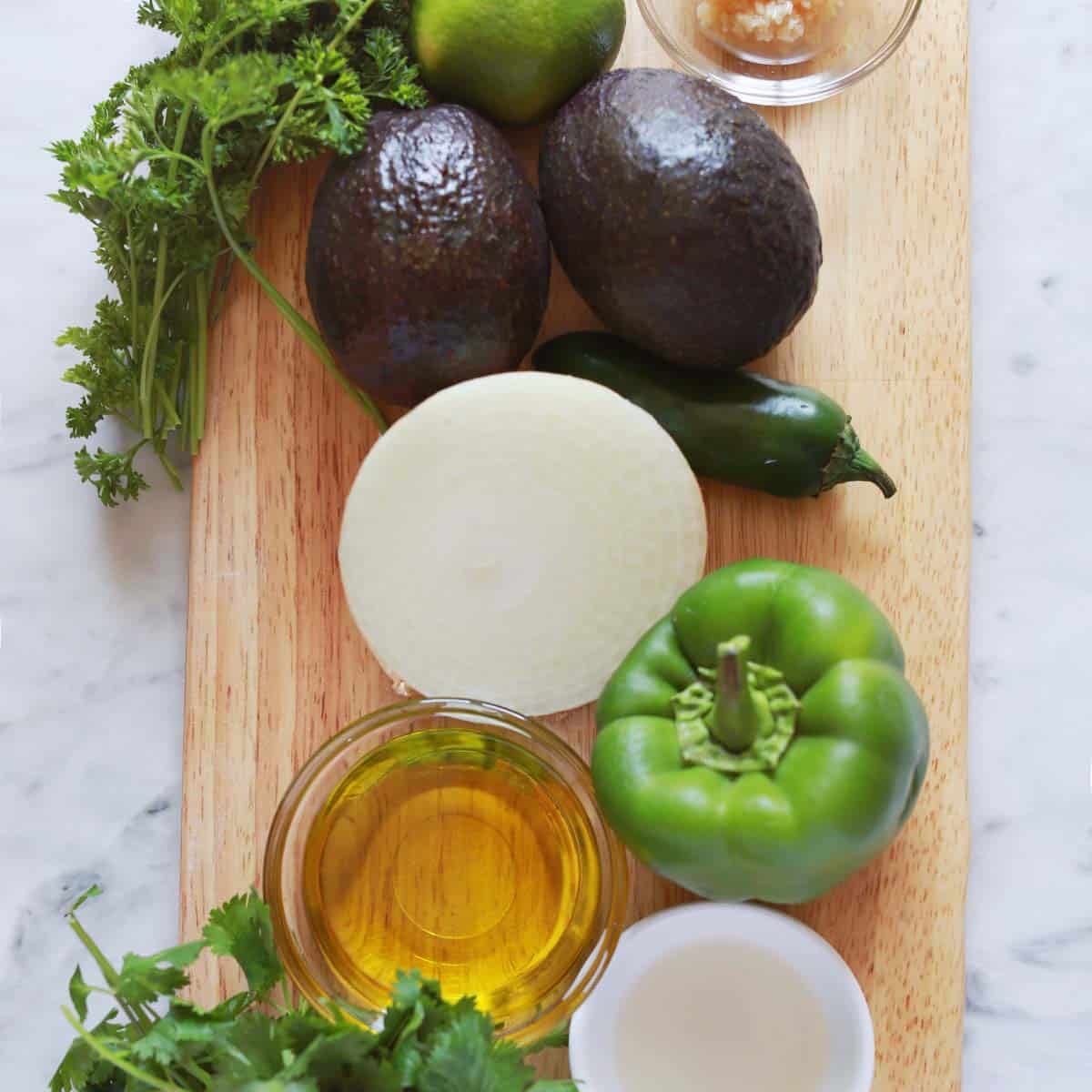
- Avocados: 3 ripe Hass avocados, providing the creamy base and healthy monounsaturated fats.
- Aromatics & Vegetables: 1/2 green bell pepper (for crisp, clean flavor), 1 jalapeño or serrano pepper (seeds removed for controlled heat), and 2 cloves of garlic.
- Fresh Herbs: 1/2 cup packed fresh cilantro and 1/2 cup packed fresh parsley, responsible for the vibrant green color and herbaceous depth.
- Acid & Fat: 2 to 3 tablespoons of white wine vinegar or apple cider vinegar, fresh lime juice (about 1 lime), and 1/4 cup neutral vegetable oil or olive oil to create an emulsion.
- Seasoning: Kosher salt to taste.
Nutritional Insights (Per Serving)
Estimated values based on standard batch divisions (approx. 6 servings):
- Calories: ~180–220 kcal per serving
- Total Fat: 18g–22g (predominantly healthy monounsaturated fats from avocados and olive oil)
- Sodium: Varies by salt addition, typically 150mg–300mg
- Carbohydrates: 6g–8g (largely dietary fiber)
- Protein: 1g–2g
Because avocados are rich in potassium, vitamin E, and heart-healthy fats, guasacaca serves as a nutrient-dense alternative to commercial, mayonnaise-based dressings and high-sodium sauces.
Official Responses and Culinary Expert Perspectives
Professional chefs, food historians, and culinary publications have increasingly weighed in on the rise of avocado-based sauces, noting a distinct consumer shift toward fresh, acid-balanced condiments.
Renowned Latin American food historians note that while Mexican guacamole dominates global recognition, South American variants like guasacaca highlight the diverse culinary expressions enabled by the avocado. Culinary instructors frequently emphasize the chemical role of vinegar in guasacaca: unlike lemon or lime juice alone, vinegar provides a sharper, more stable preservative quality that helps maintain the bright green color of the sauce for slightly longer periods, though oxidation remains a natural challenge for any fresh avocado preparation.
Food journalists writing for prominent lifestyle and cooking publications have praised the condiment for its adaptability. "If guacamole is a celebratory dip reserved for chips and game days, guasacaca is a hardworking table sauce meant to be drizzled over everything from morning eggs to late-night steak," notes one recent culinary review.
Step-by-Step Preparation Guide
For home cooks eager to bring this Venezuelan classic into their kitchens, the process is straightforward and requires minimal equipment—typically just a food processor and a mixing bowl.
Step 1: Prepare the Avocados
Cut open three ripe Hass avocados, remove the pits, and scoop the flesh into a medium-sized mixing bowl. Using a sturdy fork, mash the avocado well until it reaches a chunky-smooth consistency. Set aside. (Note: Some traditional methods blend everything completely in a food processor, but hand-mashing the avocado first preserves a better mouthfeel).
Step 2: Process the Aromatics and Herbs
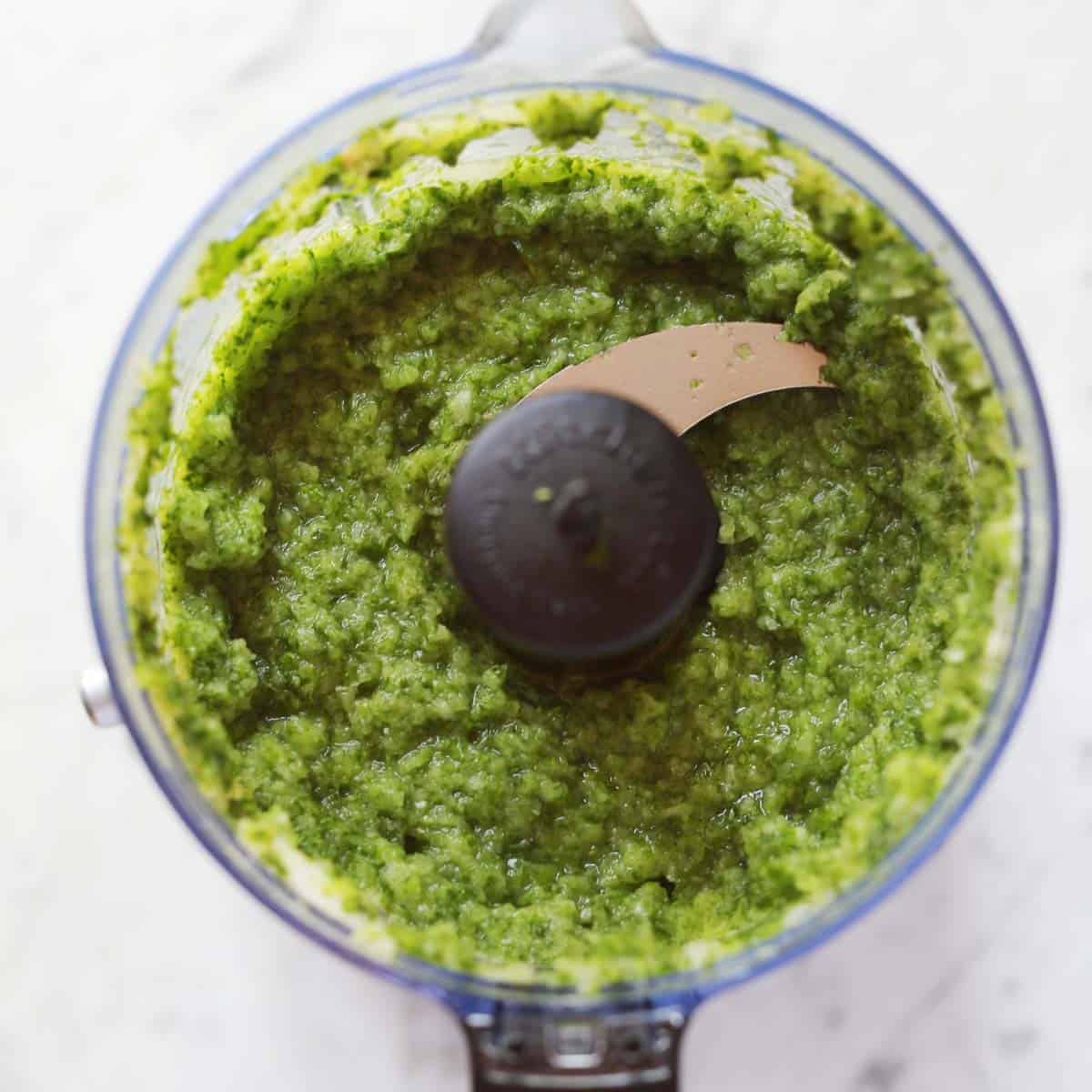
In a food processor, combine the green bell pepper, jalapeño (with seeds removed for milder heat), garlic cloves, fresh cilantro, and fresh parsley. Pulse the machine until the vegetables and herbs are minced into a very fine, uniform texture.
Step 3: Combine and Emulsify
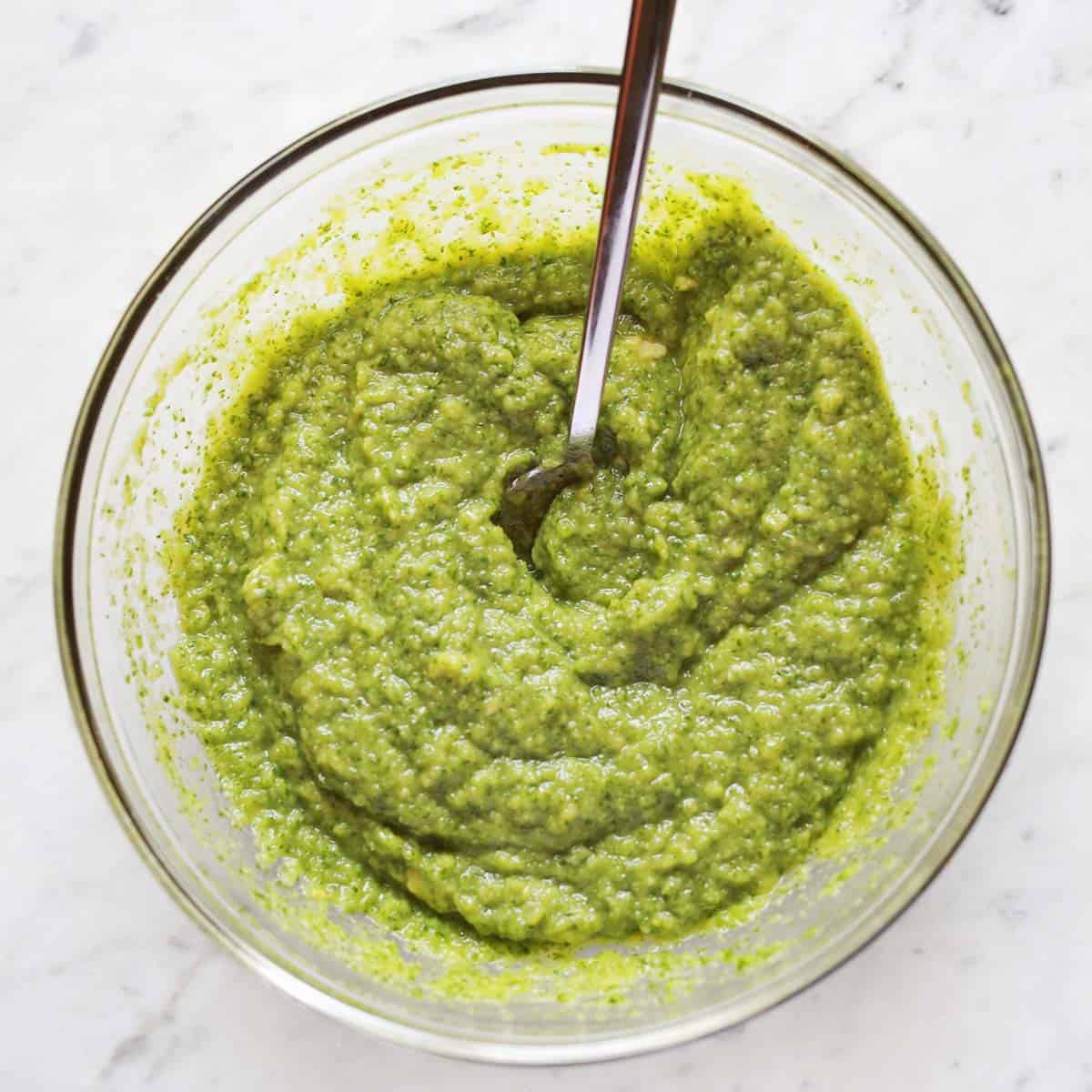
Add the finely processed vegetable and herb mixture directly into the bowl with the mashed avocado. Pour in the vinegar, fresh lime juice, and oil. Stir thoroughly until all ingredients are well combined and a cohesive sauce forms.
Step 4: Season and Serve
Taste the guasacaca and season with kosher salt until you achieve your preferred flavor balance. Serve immediately alongside your favorite dishes, or store in an airtight container with plastic wrap pressed directly onto the surface to minimize browning.
Implications: The Future of Global Condiments
The growing popularity of guasacaca carries several broader implications for the global food industry and home cooking trends:
- Expansion of Regional Latin American Cuisine: Beyond tacos and burritos, American and European consumers are increasingly seeking out regional specialties from South America, Central America, and the Caribbean. Venezuelan staples like arepas, tequeños, and guasacaca are benefiting from this broader culinary curiosity.
- Health-Conscious Condiment Choices: As consumers pivot away from heavy, ultra-processed, high-sugar sauces and dressings, fresh, plant-based, fat-healthy condiments like guasacaca offer a flavorful, nutrient-rich alternative that fits into modern dietary frameworks such as keto, paleo, and Mediterranean diets.
- The Democratization of Global Flavors: The ease of replicating authentic international recipes at home—facilitated by digital media and globally accessible supermarket inventories—empowers home cooks to experiment beyond their cultural comfort zones, enriching domestic cooking culture worldwide.
Ultimately, guasacaca is much more than a simple substitute for guacamole. It is a testament to the ingenuity of Venezuelan cuisine: bright, bold, herbaceous, and profoundly satisfying. Whether spooned over grilled meats, used as a dip for warm tequeños, or smeared across a morning breakfast taco, this vibrant green sauce is a welcome addition to any culinary repertoire.