
In an era where living spaces are becoming increasingly compact and the volume of consumer goods continues to rise, the struggle to maintain an orderly home has become a universal challenge. Whether you are navigating the complexities of a cramped urban apartment or simply attempting to optimize a cluttered home office, the solution often lies not in discarding your possessions, but in smarter, more efficient storage.

Recent trends in home organization have shifted from simple aesthetic tidiness to highly functional, modular systems that maximize every square inch of available space. This report explores a selection of high-utility organization products that are currently revolutionizing home management, from kitchen efficiency to closet maximization.
The Philosophy of Efficient Storage
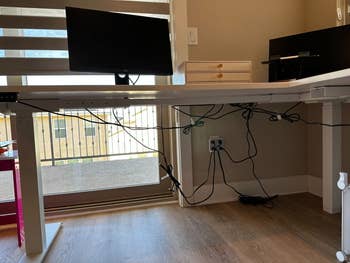
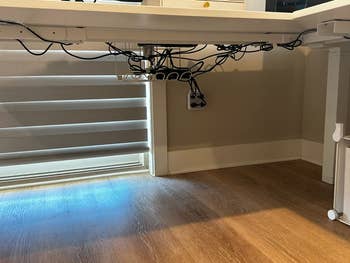
Effective organization is rooted in the concept of "vertical utilization" and "accessible storage." By converting dead space—such as the area under a desk, the inside of a cabinet door, or the space beneath a bed—into active storage zones, homeowners can effectively double their usable square footage.
The following items have been identified by consumers and organization experts alike as essential tools for those looking to regain control of their living environments.

1. Travel and Personal Care Solutions
For the frequent traveler or those with limited bathroom vanity space, modularity is key.
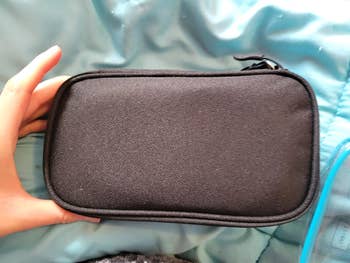
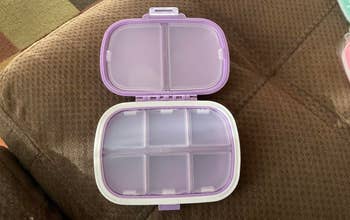
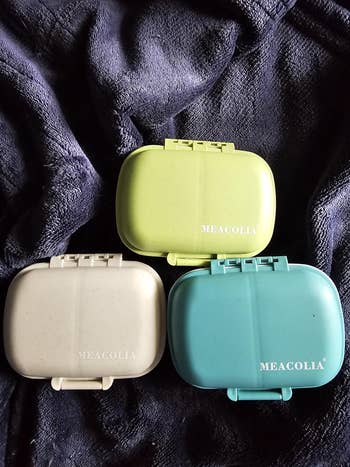
- Pill Organizers: Beyond standard weekly containers, modern, durable pill cases allow for flexible storage. As one user noted, the ability to store various medications in distinct, labeled compartments—with the added convenience of guitar-pick style openers—transforms a messy medicine cabinet into a streamlined system.
- Tech Organizers: With the proliferation of personal devices, the "tangled mess" of cables is a common pain point. Travel organizers featuring elastic loops and waterproof, soft-shell materials provide a structured, portable solution for power banks, USB drives, and earbuds.
2. The Art of Closet Optimization
Closets are notoriously difficult to manage, often becoming a "catch-all" for seasonal items and overflow clothing.
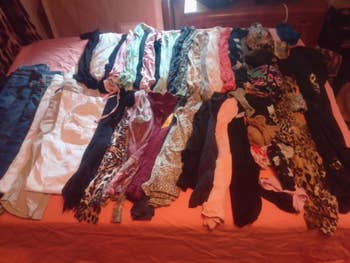
- Compression Packing Cubes: These are arguably the most effective tool for travel, allowing users to compress bulky clothing items to fit into a carry-on, while leaving significant room for souvenirs.
- Specialized Hangers: From bra and tank top hangers that utilize vertical space to "space-saving" hangers that create ten times the storage capacity, these tools are essential for small wardrobes.
- Shelf Dividers: These prevent the "mega-pile" effect, ensuring that sweaters and linens stay neatly stacked by color or category.
- Shoe Stackers: These devices allow for the doubling of footwear storage on existing shelves without causing damage to the shoes themselves.
3. Kitchen and Pantry Efficiency
The kitchen is often the heart of the home, but also the primary site of clutter.
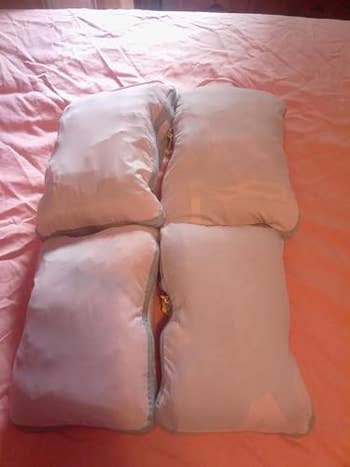
- Magnetic Storage: Utilizing the sides of a refrigerator is a prime example of vertical space utilization. Magnetic shelves and racks can turn a refrigerator into an open pantry for spices, produce, or even tea boxes, freeing up valuable counter space.
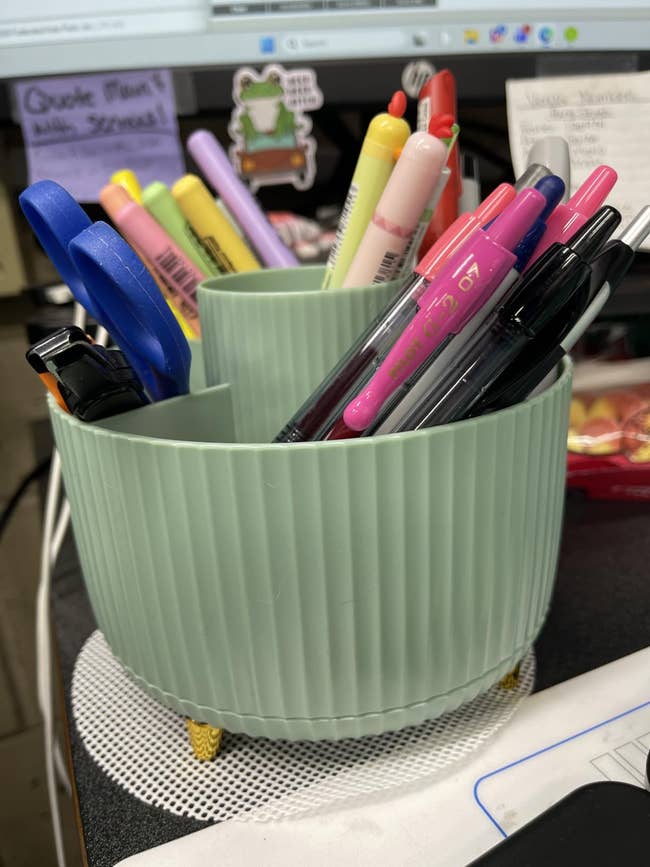
- Rotating Organizers: Whether it is an oblong unit for condiments in the fridge or a rotating desk organizer for office supplies, these tools ensure that items at the back of a shelf are as accessible as those at the front.
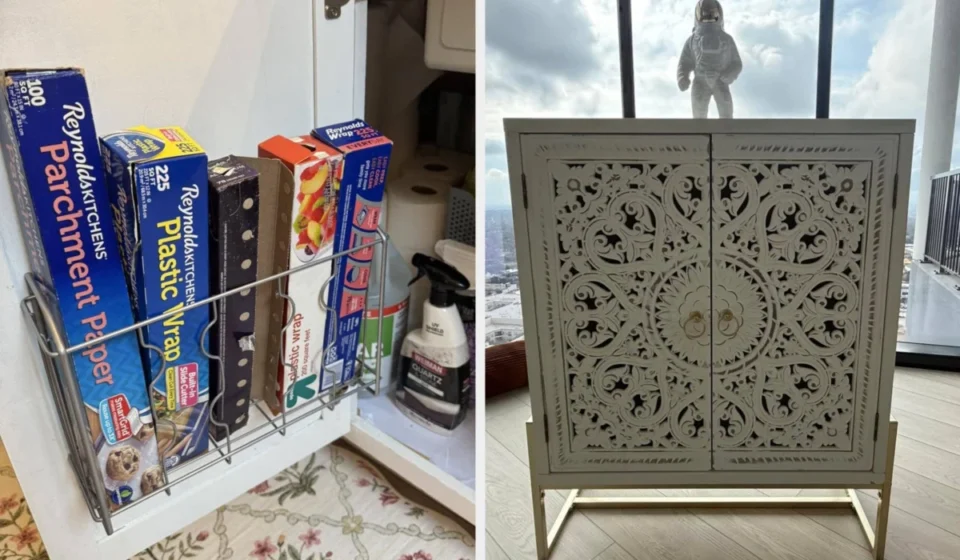
- Cabinet Door Organizers: By mounting racks to the inside of cabinet doors, homeowners can store plastic wrap, foil, and cutting boards, effectively clearing out jammed drawers.
- Stove Top Shelves: A particularly clever solution for small kitchens, these magnetic shelves sit atop the stove, preventing small items from falling into the often-inaccessible gap between the appliance and the wall.
Chronology of Home Organization Trends
The evolution of home organization has progressed from basic plastic bins to sophisticated, design-conscious systems.
- Early 2000s: The rise of "clear plastic storage," popularized by big-box retailers, focused on visibility and stackability.
- 2010s: The "minimalism" movement, heavily influenced by figures like Marie Kondo, emphasized decluttering—discarding items that do not "spark joy."
- 2020s to Present: The current era focuses on functional optimization. As housing costs have risen, the focus has moved away from merely discarding items toward "maximizing the footprint." Products are now designed to be modular, aesthetically pleasing, and highly durable, with a significant emphasis on custom-fit solutions like under-sink drawers and tension-based dividers.
Supporting Data: Why Organization Matters
The psychological impact of a cluttered home is well-documented. A 2010 study published in the Personality and Social Psychology Bulletin found that individuals with cluttered homes were more likely to report higher levels of cortisol (the stress hormone) and feelings of fatigue. Conversely, orderly environments are linked to improved cognitive performance and better sleep quality.
Furthermore, economic data suggests that effective organization saves money. By clearly labeling and storing items like bedsheets or kitchen supplies, consumers reduce the frequency of "duplicate purchases"—buying items they already own but could not find.
Official Perspectives and Industry Standards
In the professional organizing industry, the "three-step rule" is widely touted: Sort, Contain, Maintain.
- Sort: Remove everything from the space and categorize items.
- Contain: Use the appropriate tools—bins, dividers, or hanging racks—to assign every item a "home."
- Maintain: Create a habit of returning items to their designated spots.
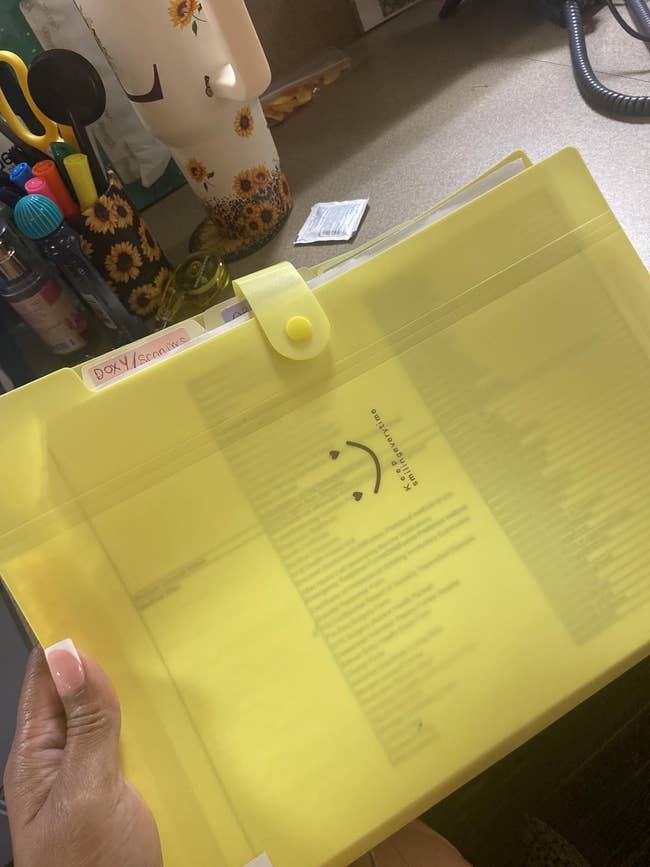
Professional organizers emphasize that "a product is only as good as the habit that supports it." For instance, a shoe storage cabinet is useless if the family does not commit to placing their shoes inside it. Therefore, successful organization systems are those that make the act of cleaning up easier than the act of leaving a mess.
Implications for Modern Living
The shift toward these storage solutions represents a broader societal trend: we are adapting our homes to fit our lifestyles, rather than limiting our lifestyles to fit our homes.
Future Outlook
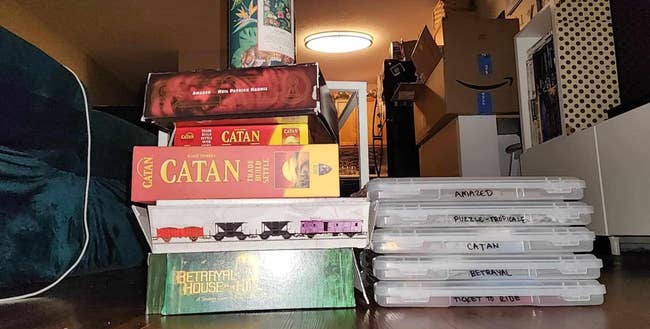
As remote work becomes a permanent fixture for millions, the demand for office organization (such as under-desk cable trays and rotating organizers) will continue to grow. We expect to see an increase in "smart" storage, where integrated sensors might help track inventory in a pantry or alert homeowners when supplies are running low.
The Value of Quality
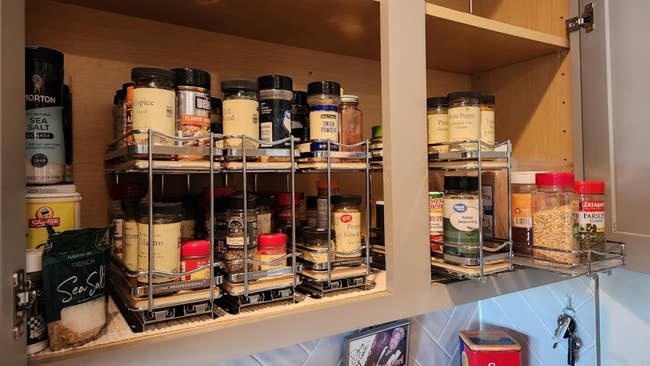
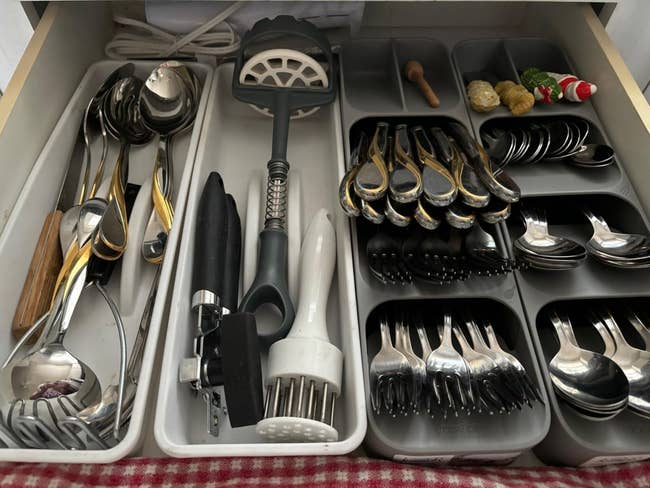
While budget-friendly options exist, the long-term value of choosing high-quality, durable materials—such as stainless steel racks or reinforced fabric bins—cannot be overstated. Reviews consistently show that consumers prioritize stability and longevity, particularly for items that are used daily, such as spice racks or kitchen drawer organizers.
Conclusion
Ultimately, the goal of these tools is to provide peace of mind. By reducing the visual and physical friction of a cluttered home, individuals can reclaim their time and mental energy. Whether it is through a $6.99 hat rack or a $170 sideboard, the path to a more organized life is paved with intentional, functional design choices. As we move forward, the integration of these systems into our daily lives will continue to be a fundamental component of residential wellness.
Note: This article features products that have been highly rated by consumers for their utility, durability, and ease of assembly. All product recommendations are based on real-world application and user feedback.
Related posts: