A Legacy Reimagined: The Second Release of Old Grand-Dad 7-Year Bottled-in-Bond Bourbon

Published: July 16, 2026
For decades, the American whiskey landscape was defined by a clear divide: the premium "prestige" labels, which commanded high prices and cult-like followings, and the "bottom-shelf" stalwarts, reliable but often overlooked. However, in recent years, a quiet revolution has been taking place within the walls of the James B. Beam Distilling Co. The industry giant, custodian of the Jim Beam legacy, has embarked on a strategic mission to elevate its historically under-appreciated labels. Following successful revitalization efforts for Old Overholt rye, the distillery has turned its attention back to one of the most storied names in Kentucky bourbon: Old Grand-Dad.
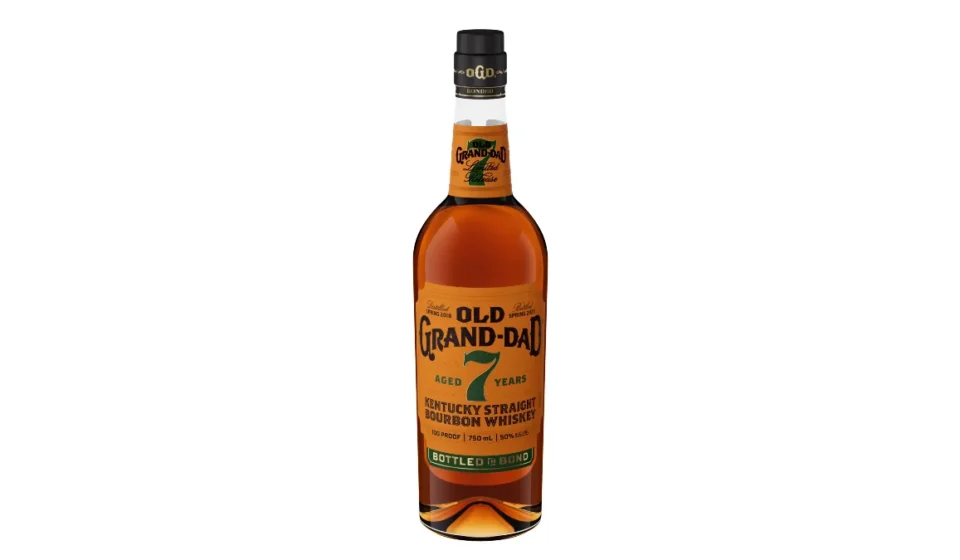
This July, the distillery announced the second release of its Old Grand-Dad 7-Year Bottled-in-Bond expression. This release marks a significant milestone in the brand’s modern trajectory, confirming that Beam is committed to providing enthusiasts with high-quality, aged, and affordable liquid that honors the heritage of a brand dating back to the late 19th century.
Main Facts: The Return of a Classic
The Old Grand-Dad 7-Year Bottled-in-Bond bourbon is a testament to the versatility of Beam’s high-rye mashbill—the same grain recipe that powers the ultra-premium Basil Hayden line. While the standard Old Grand-Dad lineup—comprised of the 80-proof, the 114-proof, and the traditional 100-proof Bottled-in-Bond—has long been a staple of dive bars and home cabinets alike, the 7-year expression introduces a higher level of complexity and maturity.
Priced at a suggested retail price (SRP) of $40, this release occupies a rare "sweet spot" in the current bourbon market. In an era where age-stated bourbons frequently carry triple-digit price tags, the Old Grand-Dad 7-Year offers a high-proof, well-aged experience that remains accessible to the average collector. The whiskey is distilled from the same high-rye mashbill that gives the brand its signature spicy, robust character, balanced by the time spent in charred oak barrels.
A Chronology of the "Three Olds"
To understand the significance of this release, one must look at the history of the brand. Old Grand-Dad traces its origins to 1882, named in honor of Basil Hayden Sr., a legendary distiller who brought his high-rye recipe to Kentucky in the late 1700s.
The Evolution of Ownership
The brand’s history became inextricably linked with the Beam family through a series of corporate acquisitions. In the 20th century, the company known as Beam Inc. (now the powerhouse Suntory Global Spirits) solidified its dominance by acquiring what became known as the "Three Olds": Old Grand-Dad, Old Crow, and Old Overholt.
Modern Expansion
For much of the early 2000s, these brands remained stagnant, serving as entry-level products. However, the 2020s marked a pivot toward premiumization.
- 2024: The brand saw a major expansion with the release of a limited 16-year-old bourbon, proving that the high-rye mashbill could stand up to decades of aging.
- 2025: The introduction of the 114-proof single-barrel expression demonstrated that Beam was willing to experiment with modern bottling trends while maintaining traditional production values.
- 2026: The second release of the 7-Year Bottled-in-Bond reinforces the brand’s identity, bridging the gap between the budget-friendly core lineup and the limited-edition rarities.
Supporting Data: The Bottled-in-Bond Standard
The "Bottled-in-Bond" (BiB) designation is far more than a marketing term; it is a legal framework established by the Bottled-in-Bond Act of 1897 to ensure purity and quality. For this release, the strict requirements provide the consumer with a transparent look at the product’s origins:

- Aged for at least 4 years: The 7-year age statement exceeds this requirement by three full years.
- Exactly 100 Proof: By bottling at 50% ABV, the distillery ensures a consistent punch that stands up well in cocktails or served neat.
- Federally Bonded Warehouses: The liquid has matured in a controlled, taxed environment monitored by the government.
- Single Season, Single Distillery: This is the most crucial detail. The whiskey in this bottle was distilled in the fall of 2018.
The "Vintage" Factor
While most mass-market whiskeys are blends of barrels from different years—where the age statement only reflects the youngest drop in the bottle—a Bottled-in-Bond release acts as a "vintage" product. By limiting the blend to a single distillation season, the consumer receives a snapshot of a specific time in the distillery’s history. The climate, the grain quality, and the warehouse conditions of the fall of 2018 are all captured in this specific bottling, creating a unique profile that cannot be perfectly replicated by future batches.
Official Responses and Tasting Profiles
While the brand has not provided a new tasting profile for this specific 2026 batch, representatives from the James B. Beam Distilling Co. have emphasized that the goal of this release is consistency. "The intent is to maintain a reliable, high-quality bonded profile that fans of the brand can look forward to annually," a spokesperson noted.
The official tasting notes provided for the expression highlight a harmonious balance between the high-rye spice and the oak-driven sweetness developed during seven years in the warehouse:
- The Nose: Dominated by rich caramel and bright vanilla, with the subtle, herbaceous spice typical of a high-rye mashbill.
- The Palate: A viscous mouthfeel, featuring layers of sweet caramel, toasted charred oak, and a lingering backbone of vanilla bean.
- The Finish: A long, velvety transition that emphasizes the caramel notes, leaving a warm, clean sensation.
Implications for the Bourbon Market
The decision to release a 7-year, 100-proof whiskey at $40 carries significant implications for the wider spirits industry.
Combating "Bourbon Fatigue"
As consumers face rising prices and diminishing returns on "allocated" whiskeys, there is a growing desire for transparency and value. By elevating a brand like Old Grand-Dad—which has historically been seen as a "value" brand—Beam is signaling that age and quality do not necessarily need to come with a luxury price tag.
The Rise of High-Rye Profiles
The success of the Old Grand-Dad line highlights a broader trend: a consumer shift toward high-rye bourbons. As drinkers grow tired of the overly sweet, corn-heavy profiles that defined the early 2010s, the spicy, complex, and "bolder" flavor of the Old Grand-Dad mashbill provides a refreshing, sophisticated alternative.
The Future of "Bottom-Shelf" Upgrades
If the success of this 7-year expression is any indication, we can expect other historic distilleries to follow suit. The industry is moving away from the idea that a "heritage" brand must remain static. Instead, these labels are being treated as blank canvases for innovation. By utilizing the vast reserves of the James B. Beam warehouses, the company is demonstrating that the most exciting whiskeys of the future might not be new brands, but rather the revitalized legends of the past.
For the enthusiast, this release represents a rare win: a product that respects the history of American whiskey while delivering a mature, nuanced drinking experience at a price that doesn’t require a secondary market premium. As the bottles hit shelves this month, it serves as a reminder that sometimes, the best way to move forward is to look back at the grand tradition of the "Old" brands.
Related posts: