The Art of the Open Air: A Journey Through Europe’s Most Iconic Outdoor Dining Destinations

As the vernal equinox passes and the first rays of spring sun begin to warm the cobblestones of Europe, a subtle but profound transformation takes hold of the continent. From the mist-covered peaks of Slovenia to the sun-drenched cliffs of the Amalfi Coast, the lifestyle of Europe shifts definitively outward. For the European local, dining is not merely a caloric necessity; it is a theatrical event, a social anchor, and a profound appreciation for the terroir of their surroundings.
As travel trends for the coming season indicate a surging demand for "experiential dining," the allure of the terrace, the patio, and the cliffside bistro has never been stronger. Whether it is the storied history of a Parisian boulevard or the pristine tranquility of Lake Bled, outdoor dining is the heartbeat of European culture between April and October.
The Cultural Phenomenon of European Al Fresco Dining
The European propensity for outdoor living is deeply rooted in the continent’s urban planning and social psychology. Unlike many regions where dining is often confined to climate-controlled interiors, the European model prioritizes the public square, the sidewalk, and the waterfront as extensions of the home.
Sociologists often point to the "terrace culture"—a phenomenon where the barrier between the private sphere of the restaurant and the public sphere of the street is intentionally blurred. This openness fosters a sense of communal belonging. When one sits at a terrace in Paris or a beach club in Italy, they are not just consuming food; they are participating in the urban fabric. This seasonal migration to the outdoors, generally peaking from April through October, represents a collective exhale after the confinement of the winter months.
Chronology: From Intellectual Hubs to Modern Coastal Retreats
To understand the evolution of outdoor dining, one must look at the historical trajectory of the European café.
The Early 20th Century: The Birth of the Intellectual Terrace
In the 1920s and 30s, the terrace was the laboratory of modern thought. Establishments like Café de Flore in Paris became synonymous with the existentialist movement. Jean-Paul Sartre and Simone de Beauvoir famously treated the café as their office, debating philosophy while watching the city move past them. The terrace provided the stimulation of the public gaze, which served as a creative catalyst for writers, painters, and political agitators alike.
The Mid-Century Expansion: The Rise of Leisure Tourism
Post-World War II, the democratization of travel saw the expansion of outdoor dining beyond the urban intellectual centers. As the Amalfi Coast and the French Riviera developed into global tourism magnets, outdoor dining shifted from a social utility to a luxury aesthetic. The "beach club" model emerged, characterized by structured terraces carved into rocky cliffs, offering an unobstructed view of the Mediterranean.
The Contemporary Era: Sustainability and Seasonal Integration
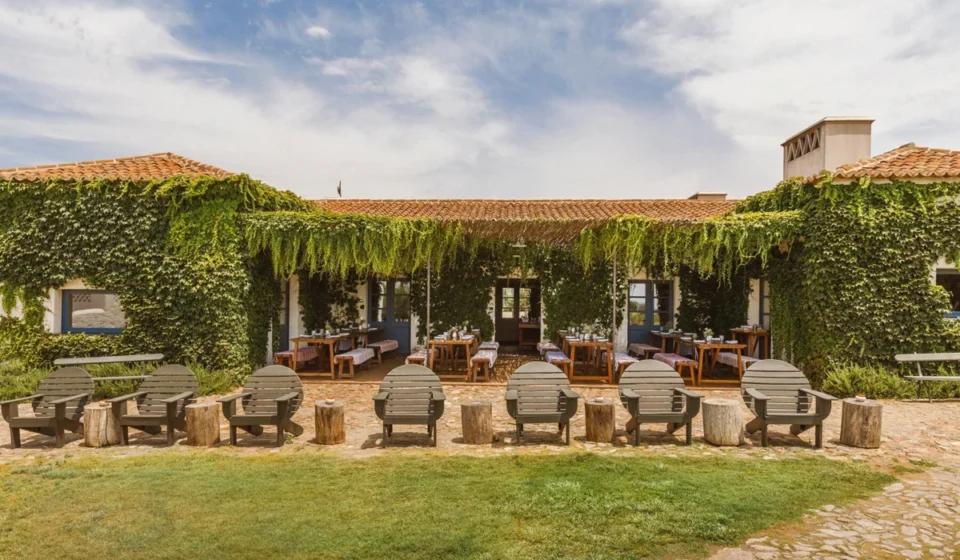
Today, the trend has evolved toward a focus on "farm-to-terrace" sourcing. Modern dining spots, particularly in regions like Slovenia, are now integrating the landscape itself into the menu. The focus has moved from merely being "outside" to being "in nature."
The Case Studies: Where History Meets the Horizon
1. The Intellectual Legacy: Café de Flore, Paris
Located on the Boulevard St. Germain, Café de Flore remains the definitive benchmark for the Parisian terrace experience. While the demographic has shifted from the bohemian intellectuals of the 1940s to a global cohort of travelers, the experience remains remarkably consistent. The verdant, plant-fringed terrace offers a sensory-rich environment. A croque monsieur or a niçoise salad served here is elevated by the act of "people watching," a pastime that Parisians have refined to an art form.
2. The Alpine Tranquility: Lake Bled, Slovenia
Contrasting the urban bustle of Paris, the outdoor dining scene at Lake Bled, Slovenia, represents a shift toward serene, immersive experiences. Here, the terrace is often positioned overlooking the emerald waters of the lake, with the Julian Alps serving as a dramatic backdrop. Dining in this region is characterized by silence, fresh air, and a slower cadence of service, allowing guests to reconnect with the landscape.

3. The Mediterranean Glamour: The Amalfi Coast
The new wave of beach clubs on the Amalfi Coast represents the pinnacle of modern luxury outdoor dining. These venues utilize architectural ingenuity to perch dining decks precariously and beautifully over the Tyrrhenian Sea. These spots prioritize the "sunset experience," where the shift in light across the water becomes the primary attraction, accompanied by regional seafood and local wines.
Supporting Data: Why Outdoor Dining Drives Tourism
Data from tourism boards across the EU suggests that dining preferences are a primary driver for destination selection. According to recent travel industry surveys:
- 72% of travelers report that the availability of outdoor dining influences their choice of restaurant.
- 60% of international tourists visiting France, Italy, and Spain during the summer months specifically seek out "terrace-only" dining experiences.
- Economic Impact: Cities that prioritize pedestrian-friendly dining zones (such as Madrid and Rome) report a 25% higher average spend per visitor compared to cities with limited outdoor seating infrastructure.
The data suggests that the "terrace economy" is a vital component of the European tourism model. Governments are increasingly investing in municipal grants to help restaurants upgrade their outdoor facilities, recognizing that the "vibe" of a street filled with patrons is the most effective marketing tool a city can possess.
Official Responses and Regulatory Shifts
The surge in outdoor dining has not been without its logistical challenges. In the wake of the global pandemic, many European cities temporarily suspended regulations regarding sidewalk space to allow restaurants to expand their terraces. This "emergency" measure proved so successful that many cities, including Paris and Barcelona, have moved to make these expansions permanent.
"The sidewalk is no longer just for transit; it is for living," says a spokesperson for the Parisian Urban Planning Bureau. "We are seeing a permanent shift in how we view the public right-of-way. By prioritizing the pedestrian and the diner, we are creating safer, more vibrant neighborhoods."
However, this transition has faced criticism from some local residents concerned about noise pollution and the privatization of public space. In response, cities are implementing strict "quiet hours" and aesthetic guidelines, ensuring that the proliferation of outdoor dining does not degrade the quality of life for those living in historic city centers.
Implications: The Future of the European Experience
As we look toward the future, the outdoor dining experience in Europe is set to become more sustainable and technologically integrated. We are seeing a rise in "biophilic design," where restaurants are incorporating native flora, vertical gardens, and natural shading systems to combat the effects of rising summer temperatures.
Furthermore, the rise of digital reservation platforms has allowed even the most tucked-away, authentic terrace to gain global visibility. While some fear this might lead to the "Disney-fication" of local haunts, it also provides a necessary lifeline to family-run establishments that rely on the seasonal influx of international visitors.
Conclusion: Why You Should Book Now
The appeal of the European terrace is not just about the food—it is about the cessation of time. In a world defined by digital speed and constant connectivity, the act of sitting on a patio, waiting for a server, and watching the world unfold is a radical act of slowing down. Whether you choose the storied history of the Left Bank in Paris or the breathtaking heights of a Slovenian patio, you are participating in a tradition that celebrates the marriage of architecture, climate, and cuisine.
For those planning their next escape, the window between April and October is not merely a suggestion; it is a vital recommendation. The tables are set, the sun is rising, and the culture of the open air is waiting. It is time to step outside and experience Europe as it was meant to be seen: from the front row of a sidewalk terrace.