The Evolution of Elegance: How Silverado Resort is Redefining the Napa Valley Experience

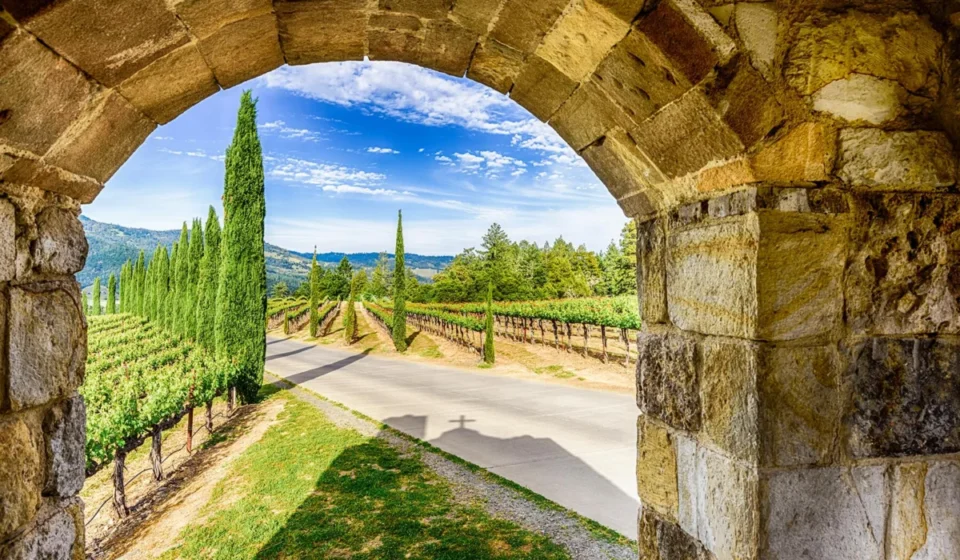
In the heart of Napa Valley, where the rolling hills are etched with rows of world-class vines and the air carries the faint, sweet scent of ripening grapes, Silverado Resort stands as a testament to California’s enduring hospitality. Established in 1870, this storied destination has long been a pillar of the region’s tourism infrastructure. However, a recent wave of revitalization—centered on a sophisticated culinary shift and a diversification of leisure activities—suggests that this historic icon is not merely resting on its laurels. Instead, it is actively redefining what it means to experience Wine Country in the modern era.
Main Facts: A New Chapter for a Historic Landmark
The transformation at Silverado Resort is characterized by a deliberate balancing act: honoring its heritage while aggressively modernizing its offerings to suit contemporary travelers. The centerpiece of this pivot is the newly inaugurated Matchplay Kitchen + Bar, a dining venue designed to move away from the sterile "hotel restaurant" archetype.
Key pillars of this evolution include:
- The Culinary Pivot: Shifting toward hyper-local sourcing, with many ingredients now harvested directly from the resort’s onsite Chef’s Garden.
- Integrated Wellness: A comprehensive refresh of the resort’s spa facilities, aligning with the growing traveler demand for holistic, restorative escapes.
- Activity Diversification: While golf remains a core draw, the resort has expanded its programming to include professional-led instruction in pickleball, yoga, and bocce, catering to a wider demographic of guests.
- The "High-Low" Philosophy: The resort maintains a unique cultural duality, pairing upscale, garden-to-glass mixology with the preservation of institutional icons like the "Burgerdog"—a culinary staple of the golf course since 1973.
A Chronology of Change: From 1870 to the Present
Silverado’s history is inextricably linked to the development of Napa Valley as a global luxury destination. To understand the significance of the current updates, one must look at the timeline of its development:
- 1870s: The original Silverado estate is established, setting the stage for what would become a cornerstone of Napa’s social and agricultural history.
- 1973: The introduction of the "Burgerdog" at the golf course concession stands. This humble, cylindrical-shaped hot dog/burger hybrid becomes a cult classic, representing the "golf-course ritual" that defines the resort’s approachable side.
- 2020–2024: Faced with a post-pandemic travel landscape, management identifies a need for a more cohesive, immersive resort experience that goes beyond the traditional "tasting room" itinerary.
- 2025–2026: The official launch of the refreshed wellness wing and the opening of Matchplay Kitchen + Bar, signaling the resort’s transition into a self-contained, multi-day lifestyle destination.
Supporting Data: The Shift in Consumer Behavior
The strategic moves made by Silverado Resort reflect broader trends in the hospitality sector. According to recent travel industry reports, the "Wine Country" visitor has evolved. While wine remains the primary motivator, guests are increasingly seeking "experiential lodging"—destinations where the resort itself provides the entertainment, wellness, and culinary depth required for a full vacation, rather than serving merely as a base camp for winery tours.
Data from the resort’s internal guest surveys highlights a 30% increase in interest for "non-traditional" wellness activities—such as pickleball and structured group sports—over the past 24 months. Furthermore, the success of the garden-sourced menu at Matchplay underscores the consumer’s growing preference for farm-to-table transparency, even within large-scale resort operations.
Official Perspectives: Cultivating Community
The philosophy behind the new direction is clear: create a "gathering place" rather than a transient stopover. Resort management emphasizes that the goal is to bridge the gap between the local Napa community and the international traveler.
"Matchplay was envisioned as the heartbeat of the resort," says a resort spokesperson. "Whether you are a golfer looking for a quick post-round meal, a family celebrating a milestone, or a conference guest looking to wind down, the space is designed to be inclusive, vibrant, and deeply rooted in the seasonal bounty of the valley."
The integration of the Chef’s Garden is perhaps the most tangible expression of this philosophy. By bringing the supply chain onto the property, the kitchen not only ensures freshness but also educates the guest on the agricultural reality of the Napa Valley beyond the vineyard.
The "Burgerdog" Factor: Why History Matters
It may seem counterintuitive for a luxury resort to lean into a decades-old concession stand staple, but the Burgerdog serves as a crucial bridge to the resort’s past. In an era of high-end tasting menus and Michelin-starred dining, the Burgerdog provides a sense of authenticity. It is a reminder that Silverado has always been a place where people come to relax, play, and enjoy simple, high-quality pleasures. By elevating the surrounding dining scene without discarding these "low-brow" icons, Silverado maintains its accessibility—a critical trait for a resort that aims to be a home away from home.
Implications: Setting the Standard for Wine Country Hospitality
The broader implications of Silverado’s strategy are significant for the Napa Valley hospitality sector. As land becomes more precious and competition for the discerning traveler intensifies, resorts that can offer a "one-stop-shop" experience will likely outperform those that rely solely on external partnerships.
The Rise of the "Total Resort" Concept
The success of the new programming—specifically the professional-led sports clinics and the modernized spa—suggests that the modern traveler views their time in Napa as a holistic retreat. They are no longer satisfied with just wine; they want movement, nutrition, and connection. By providing expert instruction in pickleball and bocce, Silverado is fostering a social atmosphere that encourages guests to interact with one another, effectively building a community that lasts beyond the length of a weekend stay.
Balancing Luxury and Approachability
Perhaps the most difficult hurdle for a resort of this size is to avoid the feeling of corporate sterility. Silverado appears to be navigating this by curating distinct "zones" of experience. One can spend the morning in a high-end spa, the afternoon on a competitive pickleball court, and the evening enjoying a sophisticated cocktail crafted with herbs picked that morning, all while knowing that a classic Burgerdog is waiting at the turn on the golf course.
Future Outlook
Looking ahead, the model established at Silverado—blending historic gravitas with modern, garden-to-glass, and activity-driven hospitality—is likely to be emulated. As the Napa Valley tourism market matures, the resorts that thrive will be those that can successfully weave together the diverse threads of the region’s identity: the agricultural, the athletic, the culinary, and the leisurely.
Conclusion
Silverado Resort’s current iteration is a masterclass in evolution. By embracing its history—from the 1870 roots to the 1973 Burgerdog—while simultaneously embracing the cutting-edge of wellness and culinary innovation, the resort has effectively future-proofed its appeal. It stands as a vibrant, breathing testament to the fact that while the wine will always be the reason people travel to Napa, the experience is what keeps them coming back. In this new chapter, Silverado is not just hosting travelers; it is shaping the very culture of what a Napa Valley stay can and should be.