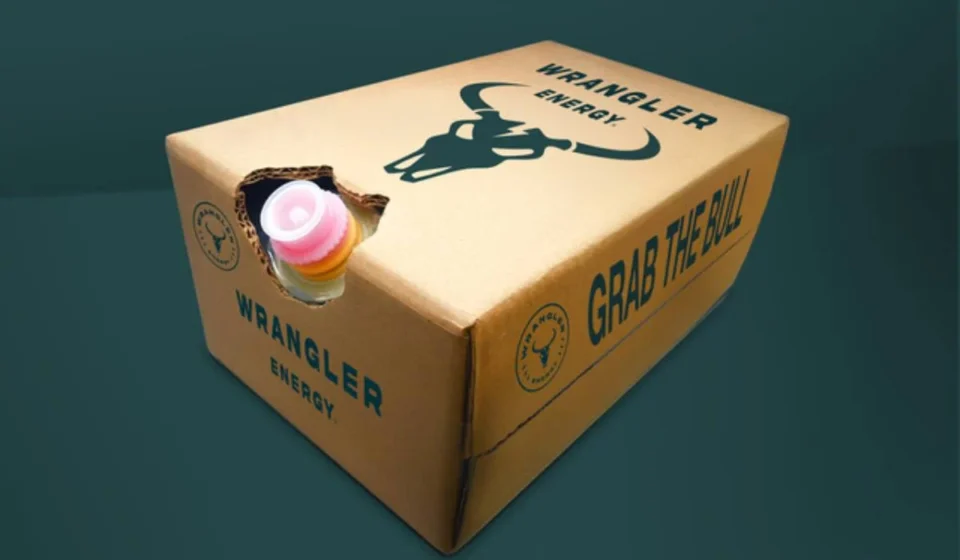
The Fountain Revolution: Wrangler Energy Disrupts the Quick-Service Beverage Landscape

The landscape of the quick-service restaurant (QSR) and food-away-from-home industry is undergoing a seismic shift. As consumer demands for convenience, functional ingredients, and high-performance beverages converge, operators are looking beyond the traditional carbonated soft drink (CSD) lineup. Entering this high-growth arena is Wrangler Energy, which has officially announced the launch of its fountain-dispensed energy drink solution. By bringing the "Bag-In-Box" (BIB) convenience model—a staple of the soda fountain—to the energy drink category, Wrangler is positioning itself as a disruptor in a market projected to swell by 33 percent over the next four years.
Main Facts: A New Era for Energy on Tap
For years, energy drinks have been relegated to the reach-in coolers of convenience stores and front-of-house refrigerators in restaurants. This model, while effective, creates significant logistical hurdles: inventory management, constant refrigeration, and the inherent waste of individual aluminum cans.
Wrangler Energy’s new fountain-dispensed format aims to solve these pain points by integrating directly into existing bar and beverage station infrastructure. Each serving is formulated with 80 mg of caffeine and a robust profile of B vitamins, mirroring the functional benefits of premium canned competitors.
The core value proposition for operators is twofold: operational efficiency and profit margin maximization. By utilizing the Bag-In-Box delivery system, operators can significantly reduce their physical storage footprint, eliminate the need for recycling programs for thousands of cans, and tap into a high-margin revenue stream that was previously difficult to scale within a fast-paced kitchen environment.
The Chronology of the Energy Surge
To understand why this launch is significant, one must look at the trajectory of the functional beverage market over the last decade.
- 2015–2019: The Rise of Functional Wellness. Energy drinks began transitioning from a niche product for extreme sports enthusiasts to a daily utility for the general workforce. As the "caffeine economy" matured, consumers began demanding cleaner labels and more varied consumption occasions.
- 2020–2022: Pandemic-Induced Shifts. During the global pandemic, the consumption of energy drinks in the home and via delivery services skyrocketed. Consumers sought out "pick-me-up" beverages that offered both flavor and a cognitive edge.
- 2023: The Supply Chain Bottleneck. As aluminum shortages and rising logistics costs impacted the canned beverage industry, food-away-from-home operators began searching for sustainable, bulk-format alternatives that could offer similar consumer satisfaction without the supply chain risk.
- 2024–2025: The Infrastructure Pivot. With the development of fountain-compatible syrup technologies, manufacturers like Wrangler began testing the feasibility of dispensing high-caffeine beverages through standard soda nozzles.
- 2026: The Formal Launch. Wrangler Energy officially enters the market, leveraging industry data suggesting that the energy drink sector will see a 33 percent growth rate through 2030 (Datassential, July 2026). This launch marks the first widespread attempt to make fountain-dispensed energy a standard feature in the QSR landscape.
Supporting Data: Why Energy Drinks are Booming
The shift toward energy drinks is not merely anecdotal; it is backed by compelling data. The 33 percent projected growth in the energy sector over the next four years highlights a fundamental change in consumer behavior.
Modern diners, particularly those in the Gen Z and Millennial cohorts, are increasingly replacing traditional morning coffee or mid-afternoon soda with functional beverages. Unlike coffee, which often requires complex brewing and milk-based additions, energy drinks are ready-to-consume, shelf-stable, and consistent in flavor.
Furthermore, the "cocktail and mocktail" movement has provided a new avenue for growth. Foodservice operators are under pressure to provide sophisticated, non-alcoholic options that feel like a "treat" rather than a compromise. Wrangler Energy’s formulation is designed to be versatile enough to serve as a standalone beverage or as a high-octane base for signature house drinks, allowing bars and restaurants to increase their average ticket size through creative mixology.
Official Responses and Industry Sentiment
While the launch is still in its infancy, early feedback from industry analysts suggests that the move to fountain-dispensed energy is a logical, if long-overdue, evolution.
"The QSR space has been looking for the next ‘big thing’ to replace the declining volume of traditional sodas," says one industry consultant familiar with the rollout. "By offering an 80 mg caffeine profile in a fountain format, Wrangler is effectively allowing operators to compete with the high-margin beverage programs typically seen in specialty coffee shops or high-end bars, but with the speed of a drive-thru."
Wrangler’s outreach strategy has been aggressive, focusing on the immediate operational benefits for owners. By offering free samples via their Heartland Away From Home platform, they are inviting operators to experience the product firsthand. This "try before you buy" strategy is designed to mitigate the risks for franchise owners who may be hesitant to dedicate a fountain nozzle to a new, unproven beverage category.
Implications: The Future of the Beverage Station
The introduction of Wrangler Energy into the fountain ecosystem has profound implications for the future of restaurant operations.
1. Operational Efficiency and Sustainability
The transition from cans to Bag-In-Box is a massive win for sustainability goals. Thousands of tons of aluminum waste are generated annually by the restaurant industry. By shifting to a syrup-based delivery system, operators can reduce their carbon footprint and waste disposal costs, aligning their businesses with the growing consumer demand for environmentally conscious practices.
2. Diversifying the Menu
The flexibility of a fountain-dispensed product allows for "flavor-hacking." Restaurants can experiment with syrups, fruit purees, and garnishes to create unique, branded energy drinks that cannot be replicated at home or found in a standard convenience store. This creates a "destination" factor, where customers visit a specific establishment for their signature energy beverage.
3. The "Mocktail" Revolution
As the "sober curious" movement gains momentum, the ability to offer a sophisticated, energy-infused mocktail is a significant competitive advantage. Wrangler Energy provides the bite and the function required to satisfy a consumer looking for an alternative to alcohol without sacrificing the social experience of holding a cocktail.
4. Competitive Pressure on Canned Brands
If Wrangler Energy succeeds in gaining widespread adoption in fountain-based establishments, it will put immense pressure on traditional canned energy drink manufacturers. If a consumer can get a fresh, custom-blended energy drink at their favorite fast-casual restaurant for a competitive price, the incentive to purchase a canned alternative at a gas station diminishes.
Conclusion: A Strategic Pivot for the Modern Operator
As we look toward the remainder of the decade, the integration of functional beverages into the standard fountain lineup is not just a trend—it is a necessary evolution. Wrangler Energy is positioning itself at the vanguard of this movement, offering a solution that addresses the needs of the operator for efficiency and the desires of the consumer for function and flavor.
For the QSR operator, the question is no longer whether to offer an energy drink, but how to integrate it into their existing workflow. With the ease of the Bag-In-Box system and the growing consumer demand for high-caffeine, B-vitamin-rich beverages, the "fountain of energy" may soon become as essential as the soda nozzle itself. As the market prepares for a 33 percent expansion, those who move early to adopt this technology stand to capture a significant share of the next generation of beverage drinkers.
Operators interested in participating in this shift are encouraged to secure their samples and evaluate the potential for integrating Wrangler Energy into their beverage programs, marking the beginning of a more energized, efficient, and profitable future for the foodservice industry.