
In the rapidly shifting tectonic plates of the social media landscape, a quiet revolution has taken hold. What began as an experimental research project under the umbrella of Twitter has blossomed into a formidable, independent, and increasingly influential platform: Bluesky. Having surged from 10 million to over 30 million users in less than six months, the platform has evolved from a niche digital hangout into a mainstream contender, attracting everyone from high-profile public figures like Barack Obama to a diverse coalition of artists, journalists, and technologists.
But what is driving this meteoric rise, and more importantly, is it a space where brands and creators should plant their flags? The answer lies in the platform’s fundamental departure from the “walled garden” model that has defined the last decade of social networking.
The Genesis: A Chronology of a Decentralized Dream
To understand Bluesky, one must understand the AT Protocol (Authenticated Transfer Protocol). Unlike the proprietary algorithms of Facebook or X, Bluesky is built on an open-source framework.

- 2019: The project was initiated by Jack Dorsey during his tenure at Twitter. The original intent was to explore the development of an open and decentralized standard for social media.
- 2021: Bluesky was incorporated as an independent public benefit company, ensuring it would not be beholden to the traditional profit-at-all-costs motivations of venture-backed platforms.
- 2023: The platform moved into a beta phase, slowly inviting users to populate its decentralized servers.
- 2024: Following a series of global political and technological events that alienated segments of the user base on other platforms, Bluesky saw its first major wave of public adoption.
- 2025: The platform officially crossed the 30-million-user milestone, cementing its position as a primary destination for those seeking a more user-controlled digital experience.
The Architecture of Control: How It Works
At a functional level, Bluesky mimics the microblogging experience users have come to expect: a feed, likes, replies, and the ability to share multimedia content. However, the user experience is drastically different due to the platform’s architecture.
When a user joins, they are not just signing up for an app; they are participating in a network that allows them to take their identity and content with them. If a user decides to leave, they can theoretically port their data to another application built on the same protocol. This portability is the antithesis of the “locked-in” model used by Instagram or TikTok, where followers and historical content are effectively held hostage by the platform’s proprietary code.
The "Choose Your Own Adventure" Feed
Perhaps the most disruptive feature is the ability for users to curate their own feeds. Instead of being at the mercy of a central, opaque algorithm designed solely for engagement, Bluesky users can subscribe to custom feeds. Whether it is the "Quiet Posters" feed for those who dislike noise or "BookSky" for literary discussions, the power to define the content ecosystem has been returned to the user.

Data-Driven Insights: Why Users Are Migrating
According to the Q3 2025 Sprout Pulse Survey, 51% of users cite the ability to control their feed as the primary motivator for their migration to Bluesky. This is not merely a preference for aesthetics; it is a fundamental rejection of the current social media status quo.
- Ad-Free Experience: 44% of users explicitly pointed to the absence of advertisements as a key draw. By operating on a subscription model for premium features—rather than an ad-supported model—Bluesky has avoided the “clutter” that often degrades user experience.
- Community-First Culture: 31% of users highlighted the platform’s focus on niche, authentic communities. In an era where mainstream social platforms have become increasingly commercialized, Bluesky’s “early-internet” vibe offers a refuge for genuine human connection.
Implications for Brands: A New Strategy Required
For marketing professionals and brands, the pivot to Bluesky requires a fundamental recalibration of strategy. The platform is not a place for aggressive, top-down corporate messaging. Because there is no “pay-to-play” ad system, reach cannot be purchased; it must be earned.
The Death of "Copy-Paste" Marketing
Corporate speak and sanitized, over-produced content generally fail to resonate on Bluesky. Brands that thrive here are those that adopt a "lo-fi" approach—engaging in direct, honest, and often vulnerable conversations. Success is predicated on showing up as a member of the community rather than a broadcaster.

Verification and Brand Safety
The decentralized nature of the platform does introduce complexities. The lack of a single, universal moderator means that brands must be vigilant. However, the platform has matured significantly, introducing domain-based verification and collaborating with trusted entities like The New York Times to provide credible identity markers. For brands, claiming a domain handle (e.g., @yourbrand.com) is no longer optional—it is a critical step in establishing trust and authority.
The Role of Professional Tooling
As Bluesky moves from an experimental platform to a professional channel, the need for robust management tools has become paramount. Through integrations with platforms like Sprout Social, brands can now treat Bluesky with the same level of strategic rigor as they do LinkedIn or X.
Advanced Publishing and Listening
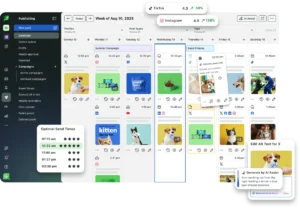
Brands can now schedule posts, optimize for engagement, and utilize AI-assisted tools to ensure their tone matches the nuanced culture of the platform. Furthermore, the ability to add alt-text directly within these tools demonstrates a commitment to the platform’s inherent focus on accessibility—a cultural touchstone for the Bluesky user base.

Predictive Engagement
Using tools like NewsWhip, brands can monitor the “velocity” of conversations before they reach mainstream media. This is particularly vital for crisis management. Because Bluesky is often the birthplace of early narratives among journalists and academics, catching a trend here allows companies to address potential reputational risks before they escalate.
Challenges on the Horizon
Despite its growth, Bluesky is not without its hurdles.
- Moderation at Scale: The “stackable” moderation system—which allows users to subscribe to different moderation filters—is innovative but complex. It places a higher burden on the user to curate their own safety.
- Misinformation: Like any open system, the risk of impersonation and spam remains. While verification features are improving, the platform is currently in a “growing pains” phase where it must balance its commitment to decentralization with the practical necessity of platform security.
- The Scale Gap: With 30 million users, Bluesky remains a small fish in a massive pond when compared to the hundreds of millions on platforms like Threads or X. However, many argue this is a feature, not a bug; the lower noise level provides a higher quality of engagement.
Looking Ahead: The Future of the Open Web
The rise of Bluesky serves as a barometer for a larger cultural shift. Users are increasingly wary of the “black box” algorithms that have dominated their digital lives for a decade. They are looking for autonomy, ownership, and, above all, authenticity.

For the modern organization, the takeaway is clear: the era of simply broadcasting to a captive, algorithmically-controlled audience is waning. The future belongs to brands that can navigate the nuances of decentralized spaces, prioritize meaningful engagement, and value the long-term benefit of community over the short-term benefit of mass-market reach.
As we look toward 2026, the question is no longer whether a brand should have a presence on Bluesky, but how that presence will define their brand identity in the next iteration of the internet. By experimenting now, investing in creative content, and embracing the "choose your own adventure" philosophy of the platform, brands have a rare, fleeting opportunity to help define the culture of the next great social frontier.
Frequently Asked Questions
What is the core purpose of Bluesky?
Bluesky is a social network designed for microblogging and community building. Its primary purpose is to provide a decentralized alternative to traditional, ad-supported platforms, giving users more control over their data, identity, and the content that appears in their feeds.

Why is Bluesky gaining traction over more established networks?
The appeal is largely driven by user fatigue. Many are frustrated by algorithmic manipulation, heavy advertisement loads, and the lack of control over their own digital footprint. Bluesky offers an ad-free, chronological, and customizable environment that feels more aligned with the user-centric ethos of the early internet.
Who is in charge of Bluesky?
Bluesky is an independent, public-benefit corporation. While it was originally incubated by Twitter, it has since spun off into a completely separate entity with its own board and independent funding. Its mission is to advance the development and adoption of the AT Protocol.
How does Sprout Social facilitate Bluesky management?
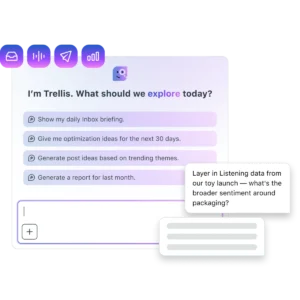
Sprout Social allows brands to integrate Bluesky into their wider social media strategy by offering tools for publishing, scheduling, AI-assisted content creation, and robust listening. It provides performance reporting and monitoring capabilities, enabling brands to track community sentiment and engagement in real-time, all within a centralized dashboard.