
The Anatomy of a Modern Halloween Campaign: How Brands Can Master Social Media Discoverability and Spooky Season Strategy

As the crisp autumn air settles in, pumpkin-spice treats return to supermarket shelves, and classic horror marathons reclaim their spots on television guides, a familiar cultural shift takes place. Autumn remains a universally beloved season, but its star holiday—Halloween—has transcended childhood traditions to become a massive cultural and commercial phenomenon across all age demographics.
In the United States alone, an impressive 73% of the population participates in Halloween in some capacity, according to data from Statista. For brands, this multi-billion-dollar season presents an unparalleled opportunity to engage audiences through creative, themed content. However, simply posting a festive image with a clever caption is no longer enough to guarantee visibility. In the hyper-competitive landscape of modern social media, Halloween content lives or dies by discoverability.
Main Facts: The Strategic Power of Hashtags and Culture
To capture audience attention during the spooky season, social media managers must look beyond surface-level aesthetics. Hashtags are no longer mere content-reach shortcuts; rather, they function as vital content signals. Modern social media algorithms rely on these tags to categorize and distribute content precisely to the audiences most likely to engage with it.
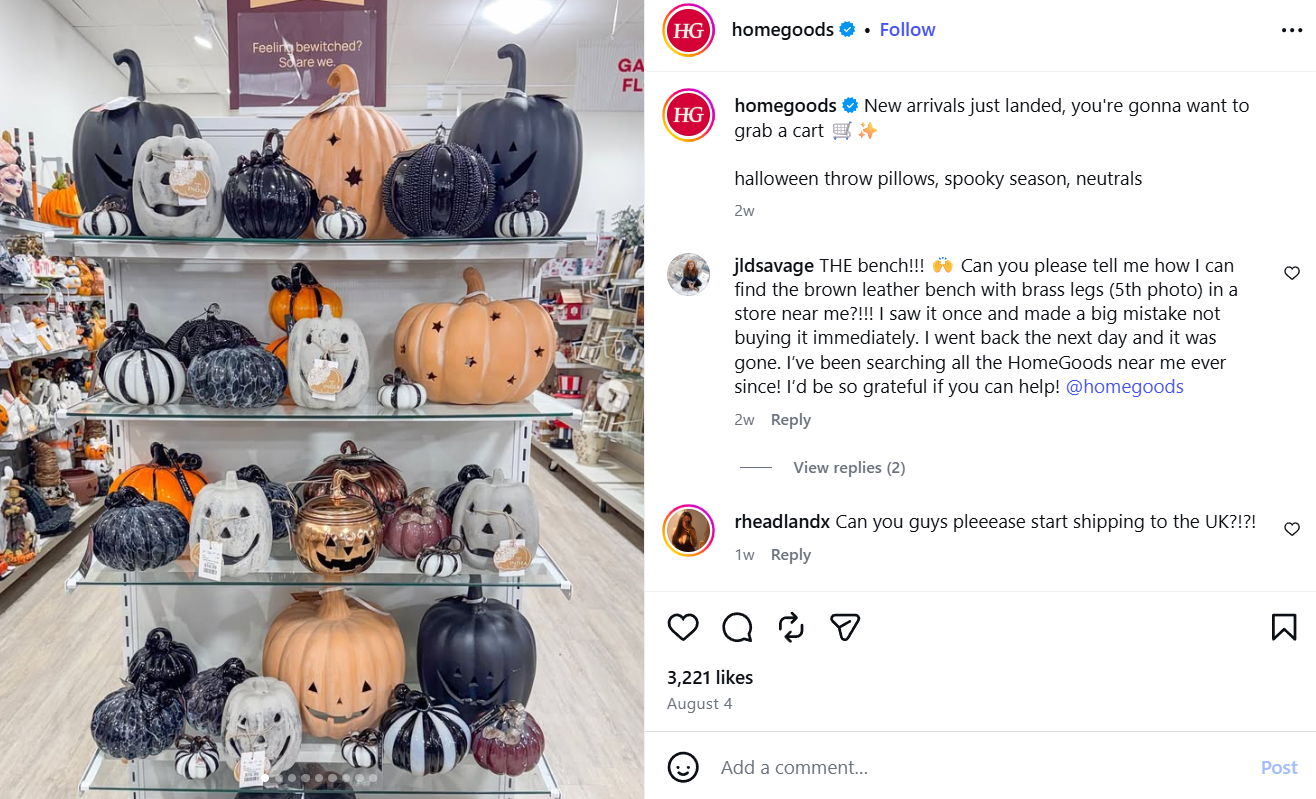
Achieving success during "CodeOrange"—the unofficial moniker for the early rollout of Halloween retail goods and digital content—requires a nuanced approach. According to Sprout Social’s Q4 Pulse Survey, 44% of social media users indicate they are significantly more likely to purchase from brands that launch their fall and winter marketing campaigns early. Because audiences crave seasonal content well before the calendar officially flips to October, brands that successfully weave culture, trends, and targeted discoverability into their strategies stand to reap major rewards.
Chronology: The Evolution of "CodeOrange" and Seasonal Marketing
The lifecycle of a modern Halloween marketing campaign follows a distinct, accelerated timeline that begins months before the October 31 festivities:
- Late Summer (July – August): Retailers and lifestyle brands initiate the conversation, often dubbed #CodeOrange, as physical and digital shelves introduce autumn decor and pumpkin-flavored items. Early adopters begin searching for home inspiration and DIY projects.
- Early to Mid-October: The core engagement window opens. Horror movie releases, pop culture milestones—such as National Horror Movie Day on October 23—and peak costume preparation drive massive spikes in platform search volumes. Brands leverage trending audio, meme formats, and niche hashtags.
- Late October: The frantic final week leading up to Halloween sees real-time marketing moments, pet costume showcases, and last-minute party planning content dominate feeds.
- Post-Halloween: Brands pivot immediately to transition content into early winter and holiday campaigns, capitalizing on the momentum built during the fall season.
Supporting Data: Understanding Consumer Behavior and Platform Dynamics
Data underscores the necessity of keeping a pulse on digital culture. A staggering 93% of consumers believe it is important for brands to actively keep up with online culture. Whether tapping into classic characters like Michael Myers and Freddy Krueger, referencing trending horror films, or participating in viral platform aesthetics, brands must align their messaging with what their audience is already consuming.
Platform-specific best practices also dictate how data is processed by algorithms:
- Instagram & Meta Networks: Algorithms favor 3 to 5 strategic hashtags placed directly within the caption rather than the first comment, particularly for Reels.
- TikTok: Hashtags function as contextual keywords. TikTok "listens" to video audio, requiring text tags that match spoken words to successfully serve content to high-intent, niche communities.
- X (formerly Twitter): Best practices recommend keeping hashtags minimal (1 to 2) and avoiding them entirely within organic post copy to prevent appearing spammy.
- Pinterest: Title and description keywords take precedence over traditional hashtags, though 3 to 5 specific tags in the Pin description help categorize niche visual searches.
Official Responses and Industry Insights: Expert Approaches to Spooky Content
Industry leaders and brands have perfected the art of seasonal agility. Major companies consistently demonstrate how to integrate product offerings into pop culture horror tropes without losing their core identity.
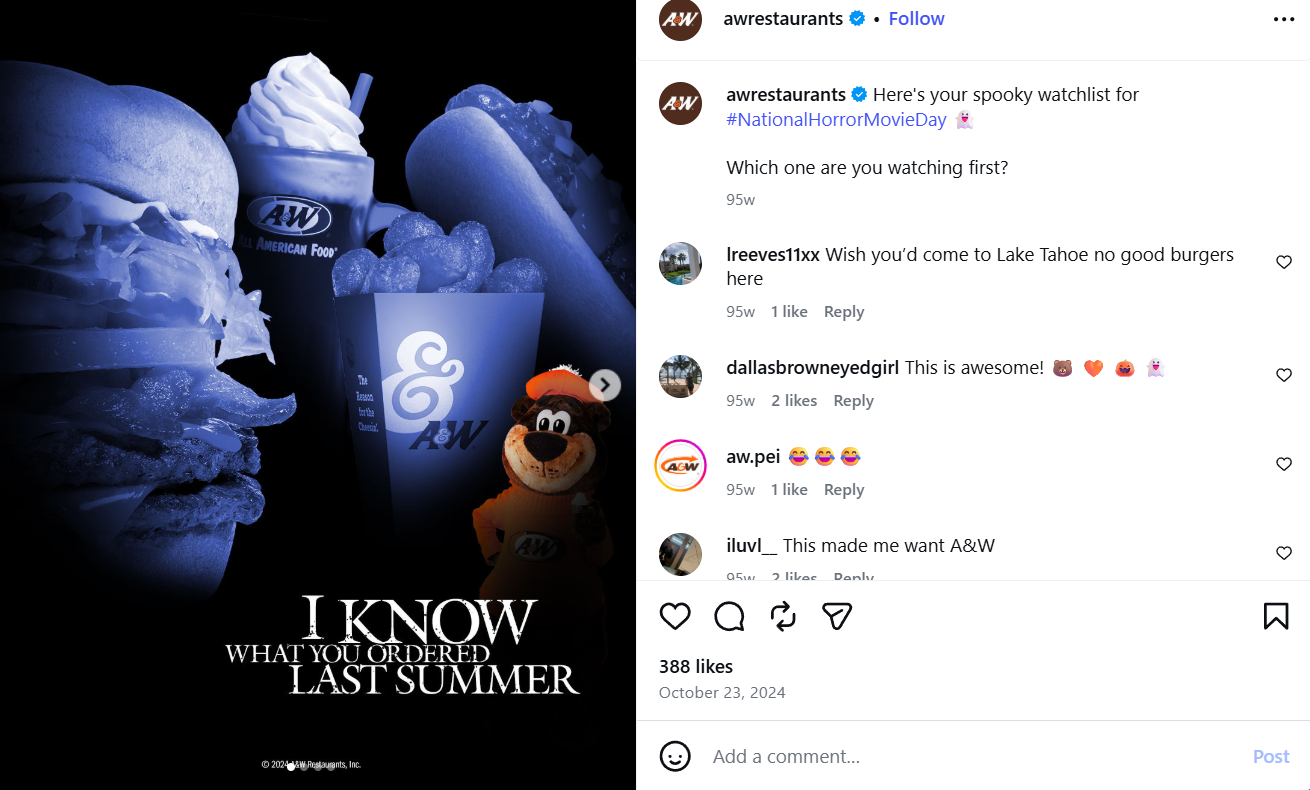
For instance, streaming platform Shudder successfully utilizes branded tags like #ShudderSundays to build community around horror entertainment. Similarly, burger chain A&W leaned into the cultural zeitgeist on National Horror Movie Day by releasing spoof horror movie posters featuring their signature menu items and mascots, cleverly playing on titles like I Know What You Did Last Summer.
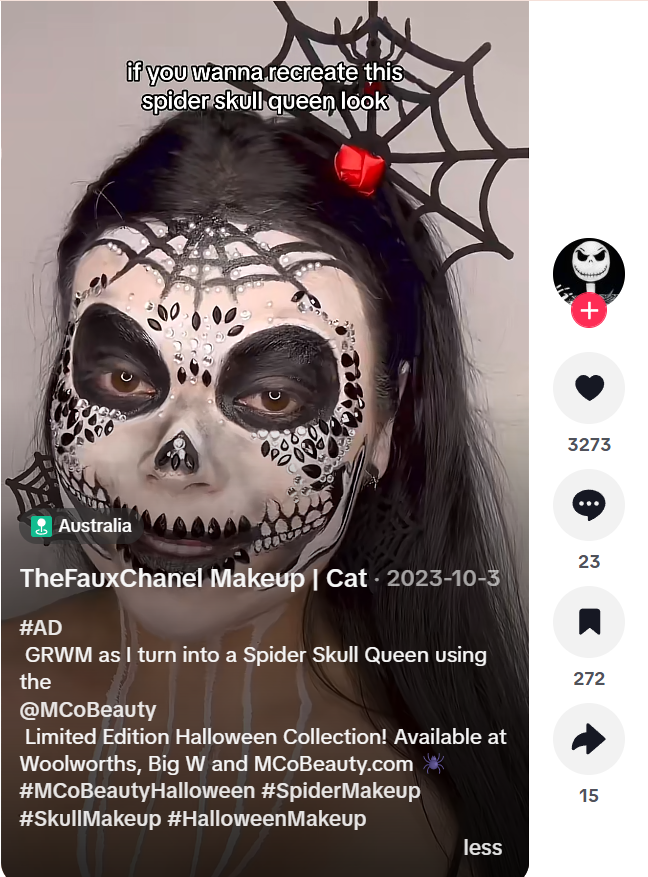
In the beauty and retail sectors, brands like MCoBeauty partner with influencers to showcase transformation tutorials using niche tags such as #SkullMakeup and #SpiderMakeup. Meanwhile, UK home decor brand Rockett St George utilizes platform bios and shoppable links to connect users browsing eerie tablescapes directly with seasonal merchandise.
According to platform insights data, emerging linguistic trends such as #[word]maxxing have captured digital attention. Platforms are seeing the early rise of terms like #Fallmaxxing and #Autumnmaxxing, proving that brands willing to invent or lean into nascent micro-trends—such as pioneering #Halloweenmaxxing—can capture outsized organic reach.
Implications: Maximizing Reach and Avoiding Pitfalls
As brands race to capture the Halloween market, improper execution can severely stunt digital reach. Common pitfalls that kill discoverability include:
- Over-tagging: Stuffing posts with dozens of generic, unrelated tags (e.g., using #Halloween on a post that has nothing to do with the holiday) flags content as spam to modern algorithms.
- Ignoring Niche Communities: Relying solely on hyper-saturated mega-tags like
#Halloweencauses smaller and mid-sized businesses to get lost in the noise, missing out on localized or highly specific consumer intent. - Failing to Monitor Real-Time Trends: Neglecting social listening tools means missing out on viral audio tracks, memes, or shifting consumer sentiments before competitors capitalize on them.
Leveraging Advanced Social Listening
To navigate these challenges, modern marketers utilize advanced tools like Sprout Listening. By establishing automated queries, brands can sift through hundreds of thousands of organic conversations instantly. This technology allows marketing teams to identify emerging Halloween hashtags, monitor audience sentiment, and pinpoint precise community interests before traditional search volume peaks.
Ultimately, executing a successful Halloween social media strategy requires more than mere superstition—it demands data-backed planning, cultural awareness, and precise platform optimization. By treating hashtags as strategic content signals and launching campaigns early, brands can ensure their seasonal marketing efforts yield all treats and no tricks.