
I thought I was prepared for the thin air of the Andes. I was wrong.
There is a particular kind of arrogance that comes with being a seasoned traveler. You believe that because you have conquered the bustling streets of Tokyo or survived the humidity of the Amazon, your body is a well-oiled machine capable of adapting to any environment. When I booked my trip to Cusco, Peru—a city perched a staggering 11,152 feet above sea level—I brushed off the warnings about altitude sickness with the dismissive confidence of someone who had once spent a weekend in Denver.
"I’ll be fine," I told myself, clutching my passport. "It’s just a bit of elevation."
Spoiler alert: It was not just a bit of elevation. It was a physical reckoning.
The Geography of Thin Air: Understanding the Challenge
Cusco does not just sit high; it dominates the landscape of the southern Peruvian Andes. For the uninitiated, the physics of altitude are simple but brutal: as you ascend, the barometric pressure drops. While the percentage of oxygen in the air remains the same (roughly 21%), the molecules are spread further apart. At 11,000 feet, you are breathing in approximately 30% less oxygen with every inhalation than you would at sea level.
For those flying directly into Cusco from low-altitude hubs, the physiological shock is profound. The body’s response—increased heart rate, hyperventilation, and, in many cases, acute mountain sickness (AMS)—is not a sign of weakness, but a biological scramble to compensate for the sudden lack of oxygen saturation.
Chronology of a High-Altitude Misadventure
My journey began at the Alejandro Velasco Astete International Airport. As I stepped onto the tarmac, I took a deep, experimental breath. It felt crisp and cool. "See?" I reasoned, feeling a surge of misplaced triumph. "I’m perfectly fine."
Day One: The Illusion of Immunity
Upon checking into the JW Marriott El Convento, a stunning property built into the bones of a 16th-century convent, the front desk clerk greeted me with a knowing smile.
"Are you feeling the altitude yet?" she asked.

"Not at all," I replied, perhaps a bit too loudly.
She didn’t argue. She simply pointed toward a quiet alcove in the lobby where an array of natural remedies awaited. There was mate de coca, a traditional herbal infusion made from the leaves of the coca plant—a mild stimulant long used by Andean cultures to combat fatigue and hypoxia. Alongside it was muña, an Andean mint tea favored for evening consumption due to its caffeine-free properties. I drank the coca tea with the swagger of a man who thought he had outsmarted geography.
Day Two: The Slow Decline
By the following morning, the illusion had evaporated. I woke with a thumping headache that felt like a localized thunderstorm behind my eyes. My lips were so chapped they felt like weathered parchment. Despite hydrating aggressively, the fatigue was heavy, sinking into my limbs like lead.
Driven by a stubborn desire to see the remnants of the Inca Empire, I spent the day climbing the steep, uneven cobblestone streets toward Sacsayhuamán. Every flight of stairs felt like a marathon. My lungs were screaming, my heart was hammering against my ribs, and my body was clearly asking, Why are you doing this to us? I was in a state of denial, treating my physical distress as a minor inconvenience rather than a medical warning sign.
Day Three: The Great Descent and the Sacred Valley
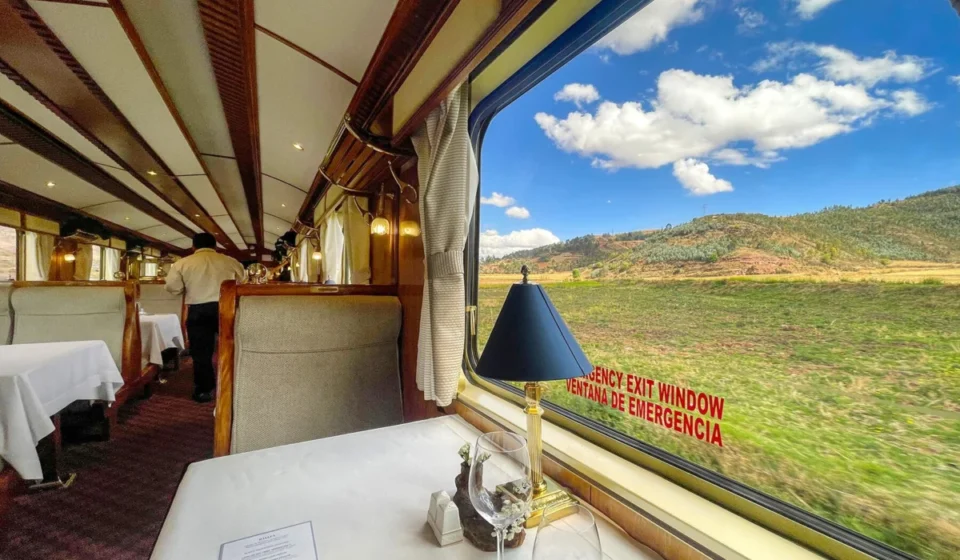
The third day was the "big one": the pilgrimage to Machu Picchu. I boarded the Hiram Bingham, a luxury train that serves as a moving masterpiece of the Belle Époque. As the train wound its way through the Sacred Valley, descending toward the Urubamba River, a strange, wonderful thing happened: my symptoms began to dissipate.
As we lost 3,000 feet of elevation, the oxygen levels in my blood normalized. The headache vanished, replaced by the sheer, overwhelming majesty of the landscape. Machu Picchu is, by all accounts, one of the few places on Earth that manages to exceed its own hype. The precision of the Inca stonework, the sheer audacity of building a citadel on such a precipitous ridge, and the way the morning mist clings to the surrounding peaks create an experience that feels almost transcendent.
Supporting Data and Medical Realities
While my experience was punctuated by romantic train rides and ancient ruins, the clinical reality of high-altitude travel is well-documented. According to the Wilderness Medical Society, AMS typically presents within 6 to 12 hours of arrival at altitude. Symptoms range from headaches and nausea to, in severe cases, High-Altitude Pulmonary Edema (HAPE) or Cerebral Edema (HACE), both of which are life-threatening.
My own wake-up call came upon returning to Cusco. As the train climbed back up the Andes, my symptoms returned with a vengeance. By the time I reached my hotel, I was suffering from severe fatigue and a sense of malaise.
I finally requested the hotel’s "emergency" amenity: supplemental oxygen. I expected a portable canister; I received a medical professional. A hotel paramedic arrived at my door with a full-sized industrial oxygen tank. As he placed a pulse oximeter on my finger, the screen flashed a grim number: 85%.

"Is that bad?" I asked, feeling a flicker of genuine fear.
"It’s low," the paramedic replied, his tone professional and clipped.
He didn’t need to elaborate. A quick search later confirmed that 85% is a threshold that signals the beginning of clinical concern. After ten minutes of assisted oxygen therapy, my levels climbed back to a safe 99%. The crisis was averted, but the lesson was learned: the Andes do not negotiate with tourists.
Official Responses and Traveler Safety
Hotels in Cusco, particularly high-end establishments like the Marriott, are well-versed in the risks posed to international travelers. They maintain strict protocols, including on-call medical staff and oxygen-enriched rooms, to ensure guest safety.
"The most important thing for travelers to understand is that altitude sickness is not a reflection of fitness," says Dr. Elena Rodriguez, a local specialist in travel medicine. "We see elite athletes struggle just as much as casual vacationers. The key is acclimatization—spending time at lower elevations, staying hydrated, and avoiding alcohol during the first 48 hours."
Implications for Future Travel
My trip to Cusco was not a relaxing vacation. It was an exercise in humility. It forced me to acknowledge that the world does not always cater to our comfort, and that nature, when faced with the sheer scale of the Andes, demands respect.
Travel, at its best, is rarely "clean" or "controlled." It is supposed to be uneven and uncomfortable; it is supposed to challenge your perceptions of your own limits. The moments I cherish most—sipping a pisco sour as the mountains rolled past my window, witnessing the sun hit the Intihuatana stone, or laughing with strangers in a bar car as the train snaked through the clouds—were only made possible by enduring the physical struggle.
I left Cusco with a newfound appreciation for the fragility of the human body and the resilience of the ancient people who built an empire in the clouds. I learned that sometimes, the price of admission to the most beautiful places on Earth is a little bit of oxygen deprivation—and that’s a price I would pay all over again.