
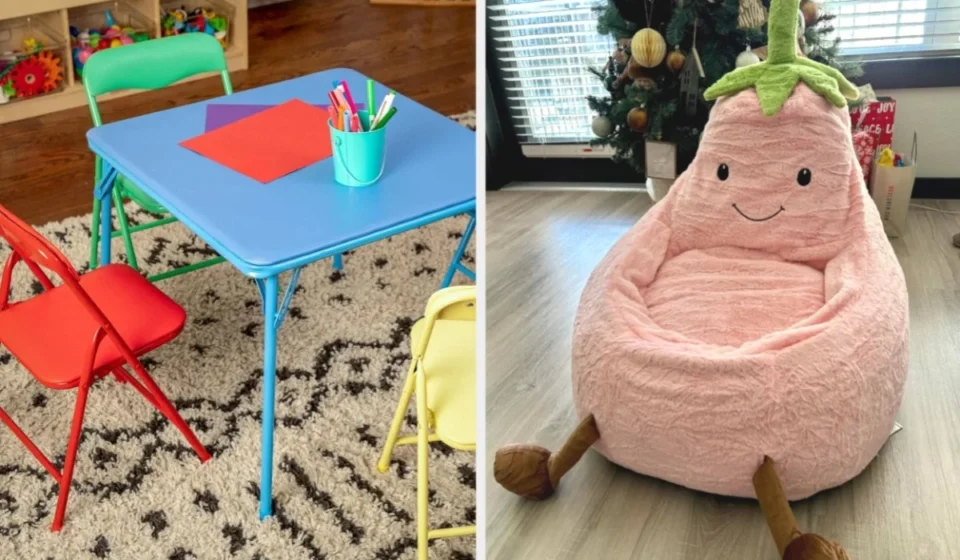

As children transition from infancy into the vibrant, high-energy years of toddlerhood and early childhood, the necessity for a dedicated "third space"—beyond the high chair and the family sofa—becomes increasingly apparent. Whether they are engaging in complex imaginative play, refining their fine motor skills through crafts, or seeking a quiet refuge to decompress with a favorite story, a child-sized seating area is more than just furniture; it is a developmental tool that fosters independence and agency.

As a parent navigating the whirlwind of raising a 4-year-old and a 2-year-old, I have learned that the right furniture does not just fill a room—it transforms it. From durable outdoor picnic setups to versatile foam loungers that double as nap stations, the market is currently saturated with options. However, separating fleeting trends from genuinely functional, long-lasting investments requires a keen eye. Below is a curated analysis of essential seating solutions designed to grow with your child, curated through both professional editorial vetting and the rigorous "wear-and-tear" testing of my own home.
The Evolution of Kids’ Seating: Why Ergonomics and Versatility Matter
The modern child’s room serves as a laboratory for development. When selecting furniture, parents must weigh aesthetics against three primary factors: durability, adaptability, and developmental appropriateness.
1. The Classic Wooden Rocking Chair
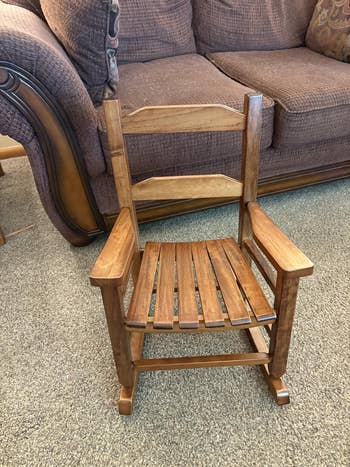
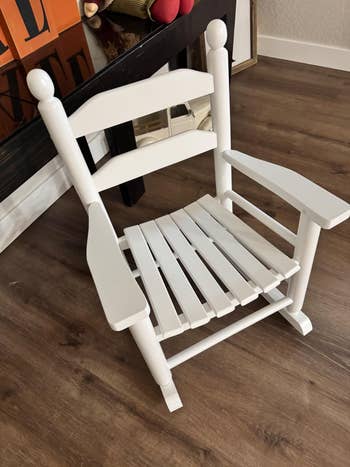
For those seeking a timeless addition to a nursery or playroom, the traditional wooden rocking chair remains a staple. Modern iterations, such as those featuring anti-tip designs, offer safety alongside nostalgia. These pieces are ideal for quiet reading time and are often lightweight enough for a toddler to reposition, yet sturdy enough to withstand years of use. Their clean, neutral finishes often blend seamlessly into existing decor, making them a low-risk, high-reward investment.
2. Multi-Functional Modular Furniture
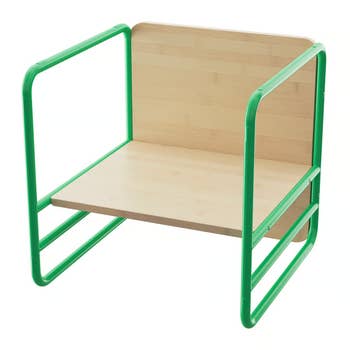
In smaller living spaces, versatility is the ultimate luxury. The market has seen a rise in multi-functional chairs—pieces that can be flipped to serve as a stool, a side table, or a raised seat as a child grows. This "grow-with-me" approach not only maximizes the lifespan of the product but also teaches children to interact with their environment in creative ways.
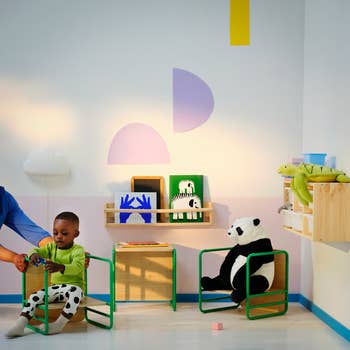
3. The Rise of Convertible Foam Loungers
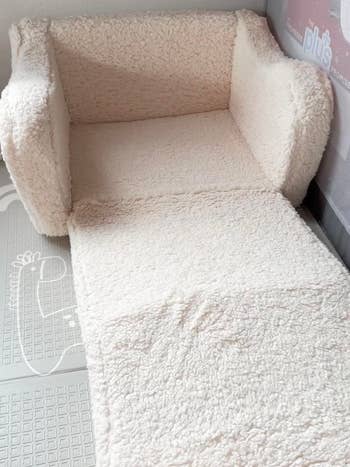
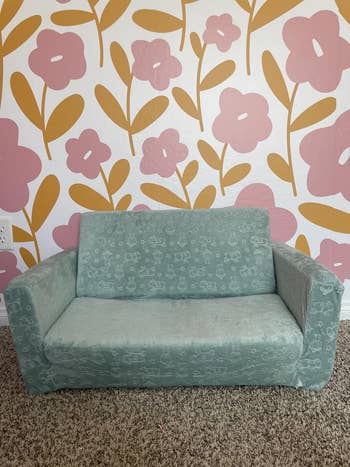
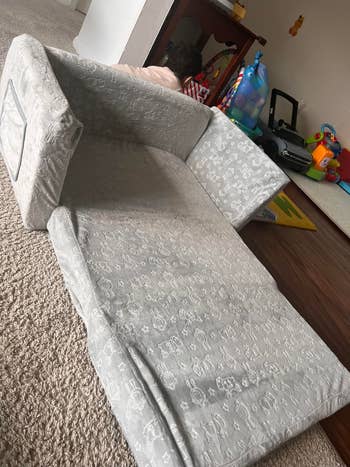
Perhaps the most significant shift in the children’s furniture market is the move toward soft-surface, convertible seating. Foam lounge chairs that transform into floor beds provide a crucial "soft landing" for active children. These items are often prized for their ability to be folded, unfolded, and moved by the child, which promotes autonomy. Furthermore, the inclusion of side storage pockets—perfect for books or small treasures—adds a layer of functional organization that parents deeply appreciate.
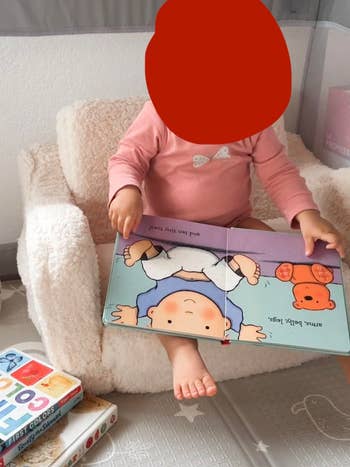
Chronology of Needs: From Toddlerhood to School Age
The seating needs of a child shift dramatically as they develop. Understanding this timeline can prevent unnecessary purchases.
- Ages 1–3 (The Exploration Phase): At this stage, stability is paramount. Chairs should be low to the ground with broad bases. Furniture that can withstand spills—such as waterproof plastic or treated wood—is essential.
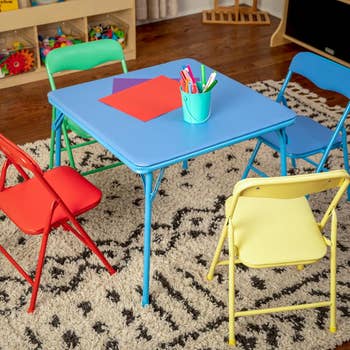
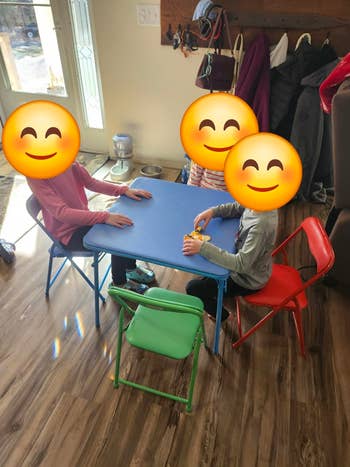
- Ages 4–6 (The Creative Phase): As children begin to focus on puzzles, coloring, and independent play, a dedicated table and chair set becomes vital. The emphasis shifts toward surface area and ergonomic support to encourage proper posture during long periods of activity.
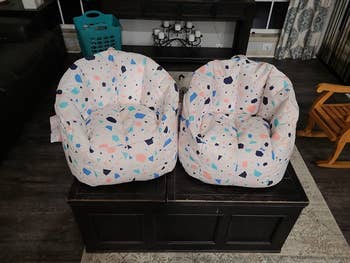
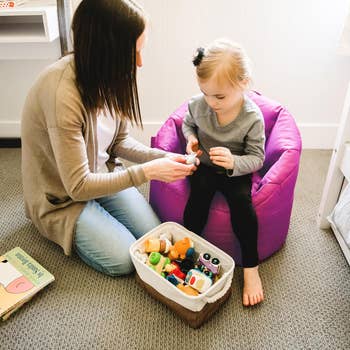
- Ages 7+ (The Independent Phase): By this age, seating is often integrated into the child’s personal study habits. Modular, flexible seating like beanbags or comfortable lounge chairs becomes the preferred choice for relaxation and reading nooks.
Data-Driven Comfort: Top-Rated Seating Solutions
Based on consumer feedback and product longevity, several categories of seating have emerged as frontrunners.
The "Nugget" Phenomenon
The modular play couch—most famously represented by the "Nugget"—has revolutionized the playroom. Composed of four adjustable, high-density foam pieces, these sets can be configured into forts, ramps, rockets, or extra sleeping surfaces. The data suggests that these are among the most used items in a child’s collection, as they facilitate open-ended play. Because the covers are machine-washable, they effectively solve the "stain anxiety" common with plush furniture.
Sensory-Friendly Rocking Chairs
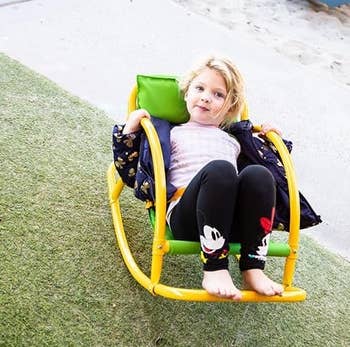
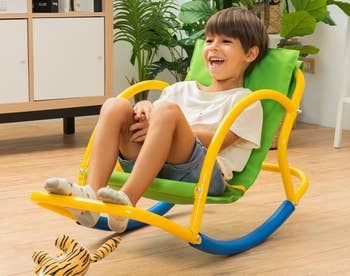
For children who require sensory input to regulate, specialized sensory rockers are gaining traction. Unlike standard chairs, these pieces combine the motion of a seesaw with the comfort of a rocker. Educators and occupational therapists frequently note that these chairs allow children to remain engaged during circle time or quiet study, providing the necessary vestibular stimulation to keep them focused.
The "Anywhere" Aesthetic
The "Anywhere Chair," a staple of modern nursery design, remains popular for its ability to be personalized. These chairs are not just furniture; they are often used as milestones in photography. While they represent a higher price point, their durability and the option for monogramming make them heirlooms that can be passed down or kept as sentimental decor.
Official Perspectives and Safety Considerations
When analyzing furniture for children, safety is the primary constraint. According to industry guidelines, all children’s furniture should be free of sharp edges, utilize non-toxic finishes, and meet current fire-retardant standards.
"The best piece of furniture is one that allows a child to feel secure in their own space," says industry design expert Maria Vance. "When a chair is sized correctly, it encourages the child to sit for longer periods, which is essential for developing focus and fine motor control. Parents should prioritize materials that can be easily sanitized without losing their structural integrity."
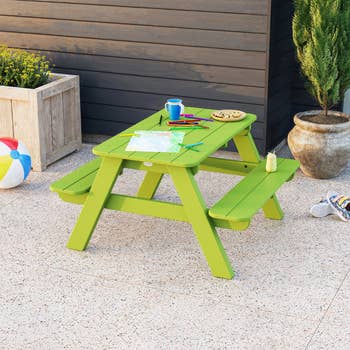
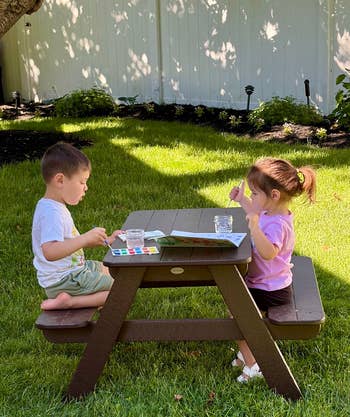
Furthermore, brands that offer long-term warranties—such as the 20-year coverage offered by outdoor furniture leader Polywood—demonstrate a commitment to sustainability. Investing in high-quality materials, even at a higher initial price point, often results in a lower cost-per-use over the life of the child.
Implications for the Modern Home
The inclusion of these pieces in a home environment has profound implications for a child’s development:
- Ownership of Space: Providing a child with their own chair—or their own "corner"—gives them a sense of autonomy. It signals that they have a right to exist and participate in the household as an individual, not just an extension of their parents.
- Emotional Regulation: For children, the ability to retreat to a comfortable, personal space can be a vital tool for emotional regulation. A cozy beanbag or a reading nook provides a safe harbor when the world feels overwhelming.
- Social Development: Small table and chair sets facilitate social interaction. Whether hosting a "tea party" or collaborating on a puzzle with a sibling, these settings provide the physical infrastructure for social learning and conflict resolution.
Conclusion: How to Choose What’s Right for Your Family
Choosing the right seating for your child involves balancing your home’s aesthetic with the child’s functional needs. If you are working with limited square footage, prioritize modular pieces like the 2-in-1 foam loungers. If you have the luxury of space, a dedicated activity table set will pay dividends in the years to come as your child’s interest in crafts and academics blossoms.
Ultimately, remember that the most "successful" piece of furniture is the one that gets used. Whether it’s a $25 plastic chair that withstands the chaos of daily art projects or a $500 reading nook that serves as a sanctuary for a bookworm, the goal remains the same: creating an environment where your child feels comfortable, capable, and at home.
Why Trust Our Recommendations?
At the heart of our shopping philosophy is a commitment to service journalism. Our team spends countless hours vetting products, fact-checking brand claims, and conducting real-world testing. We prioritize reader needs over revenue, ensuring that our recommendations are grounded in authentic experience. We believe that by providing context—explaining not just what to buy, but why it matters—we can help families make informed decisions that improve their daily lives. Some reviews mentioned in this analysis have been edited for length and clarity to ensure that the most relevant information remains accessible and useful to our readers.
Related posts: