

In the hyper-competitive landscape of short-form video, Instagram Reels have emerged as the primary engine for organic growth. Yet, as the platform’s underlying technology evolves, the strategies that once promised viral success are being replaced by more nuanced, data-driven methodologies. In 2026, the question is no longer "do hashtags work?" but rather "how do they function within the platform’s sophisticated AI ecosystem?"
For brands and creators, understanding the intersection of metadata and machine learning is the key to sustainable reach. By leveraging precise, intentional hashtag strategies, businesses can move beyond "hashtag stuffing" and start building meaningful connections with high-intent audiences.
The Core Facts: Metadata as an Algorithmic Signal
In the current Instagram ecosystem, hashtags serve a dual purpose: they act as direct discovery signals for users browsing specific topics and as critical metadata for the platform’s AI. When you publish a Reel, Instagram’s recommendation engine analyzes the caption text, on-screen text, audio, and—crucially—your hashtags to categorize the content.
This process is a fundamental pillar of modern Instagram SEO (Search Engine Optimization). By providing the algorithm with clear, relevant labels, you are essentially "teaching" the AI who your content is for. When tags are vague or mismatched, the algorithm struggles to place your video in the correct feeds, leading to suppressed reach and wasted effort.
Chronology of Change: From "Shortcuts" to "Strategy"
The perception of hashtags has undergone a radical transformation over the last few years:
- The Early Era (2015–2019): Hashtags were often used as a "hack" to bypass the algorithm. Users would bury 30 irrelevant, high-volume tags in the first comment to artificially inflate visibility.
- The Transition (2020–2023): As Reels gained prominence, Instagram began cracking down on "spammy" behavior. The platform shifted toward prioritizing engagement signals (watch time, shares, saves) over simple keyword counts.
- The 2026 Standard: Today, hashtags are viewed as a sophisticated component of a holistic SEO strategy. They are no longer a magic wand for virality but a foundational element of content discoverability. Modern strategy focuses on "relevance over volume," where three to five highly specific tags often outperform thirty broad, generic ones.
Data-Backed Strategies for Keyword Optimization
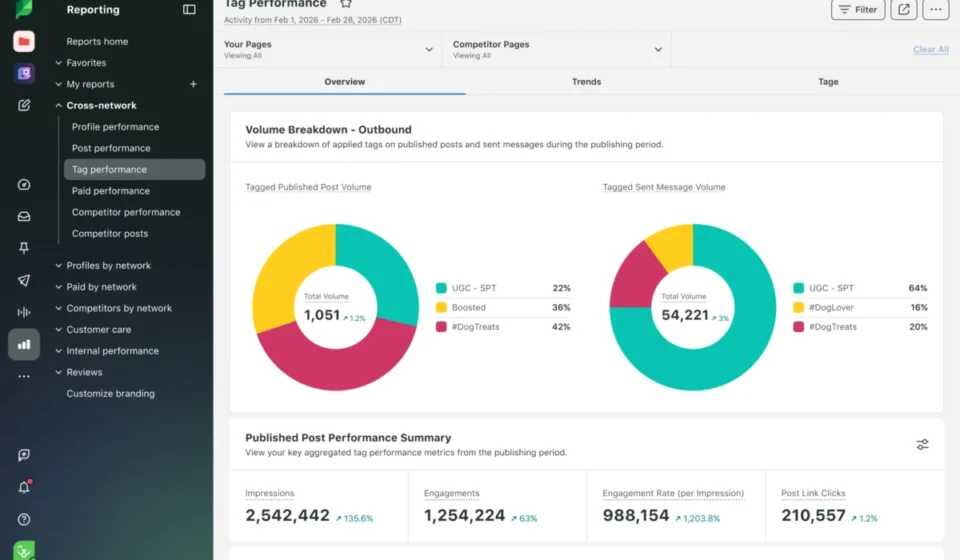
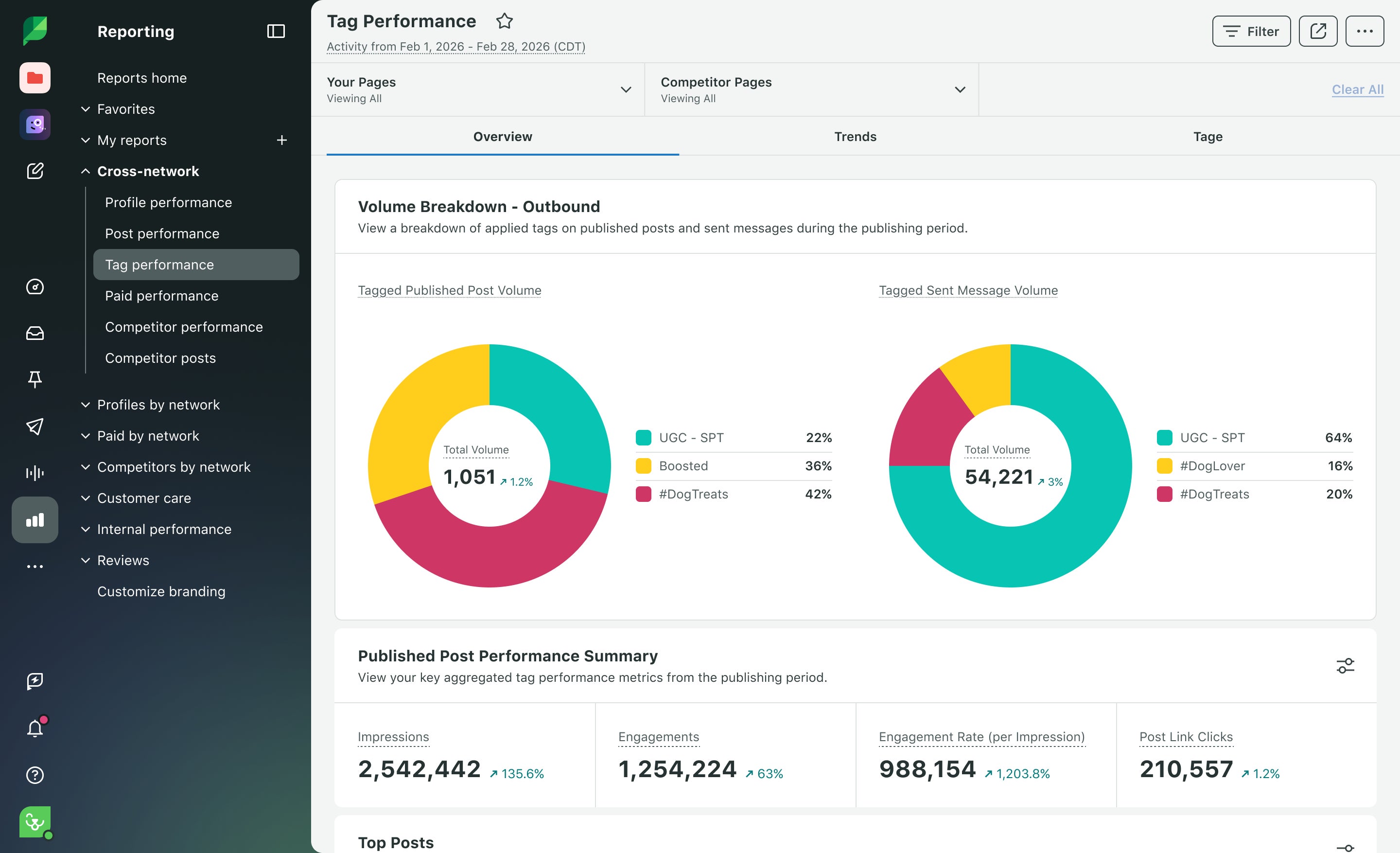
To maximize the impact of your Reels, you must move away from static lists and toward a dynamic, test-and-learn approach. According to data from industry leaders like Sprout Social, the most effective hashtag strategies utilize a "three-pillar" mix:
- Broad/Popular Hashtags: These tags describe your general industry (e.g., #Fitness, #Travel). They provide context but are highly competitive.
- Niche Hashtags: These are specific to your sub-community (e.g., #MarathonTrainingTips, #SustainableTravelSolo). These are where your most qualified leads reside.
- Branded Hashtags: These are unique to your business (e.g., #YourBrandNameCommunity). These foster community and make it easier to track user-generated content (UGC).
The "Less is More" Mandate
Contrary to older advice, there is no need to exhaust the 30-hashtag limit. Using three to five highly relevant, high-intent hashtags helps the algorithm categorize your content without triggering "spam" filters. Every tag you include should have a demonstrable purpose. If you cannot justify a hashtag’s presence in your caption, remove it.
Official Guidelines and Algorithmic Implications
Instagram’s own documentation emphasizes that content quality—specifically engagement and relevance—is the primary driver of success. Hashtags cannot "save" a weak video. If a Reel fails to capture attention within the first few seconds, no amount of strategic tagging will fix it.
Why Placement Matters
The consensus among social media experts is clear: Place your hashtags in the caption. Instagram processes caption metadata at the moment of publication. Placing tags in the comments section, a common tactic from the past, is less effective because it creates a delay in the indexing process. By keeping your tags in the caption, you ensure your content is indexed immediately, optimizing your chances of appearing in the "Explore" or "Reels" tabs at the exact moment of peak interest.
Industry-Specific Hashtag Frameworks
To maintain relevance in 2026, content creators must audit their tag lists quarterly. Here is a breakdown of how to approach major sectors:

Fitness
- Strategy: Focus on specific modalities (e.g., #Calisthenics vs. #Powerlifting) rather than general terms.
- KPIs: Track "Saves," as fitness tutorials are frequently revisited by users.
Travel
- Strategy: Use location-specific tags combined with niche interests (e.g., #HiddenGemJapan or #EcoTravelTips).
- KPIs: Monitor "Shares," as travel content is highly aspirational and shareable.
Fashion
- Strategy: Combine seasonal trends with specific aesthetics (e.g., #SustainableFashion, #StreetwearDaily).
- KPIs: Measure click-through rates on shoppable tags.
The Role of Competitive Intelligence
A sophisticated strategy requires looking outward. By utilizing tools like Sprout Social’s competitive analysis, brands can identify the hashtags that are successfully driving traffic for their peers.
Ask yourself these three questions when analyzing a competitor’s top-performing Reel:
- Are they using tags that align with their niche, or are they fishing for broad reach?
- Do their hashtags match the tone of their video?
- Are they using a consistent branded hashtag to build a community-led movement?
Often, the most effective hashtags are the ones your competitors are ignoring. By identifying these "blue ocean" keywords, you can capture segments of the audience that are currently underserved.
Eliminating Toxic Habits: What to Cut
Just as important as choosing the right tags is knowing which ones to avoid. You should immediately cut the following:
- Banned Hashtags: Some tags are periodically restricted due to spam or community guideline violations. Using them can result in "shadowbanning" or suppressed reach.
- Irrelevant High-Volume Tags: Adding #Love or #Happy to a professional business video confuses the algorithm and draws low-quality traffic that won’t convert.
- Repetitive Tagging: If you use the exact same block of 30 tags on every single post, the algorithm may interpret your account as a bot or low-effort content producer.
Conclusion: The Path to Sustainable Growth
In 2026, success on Instagram is defined by a data-driven discipline. Hashtags are a tool, not a shortcut. By integrating them into a broader SEO strategy—one that considers the audience’s search intent, the brand’s unique value proposition, and the platform’s evolving AI—you turn your Reels into high-performing assets.
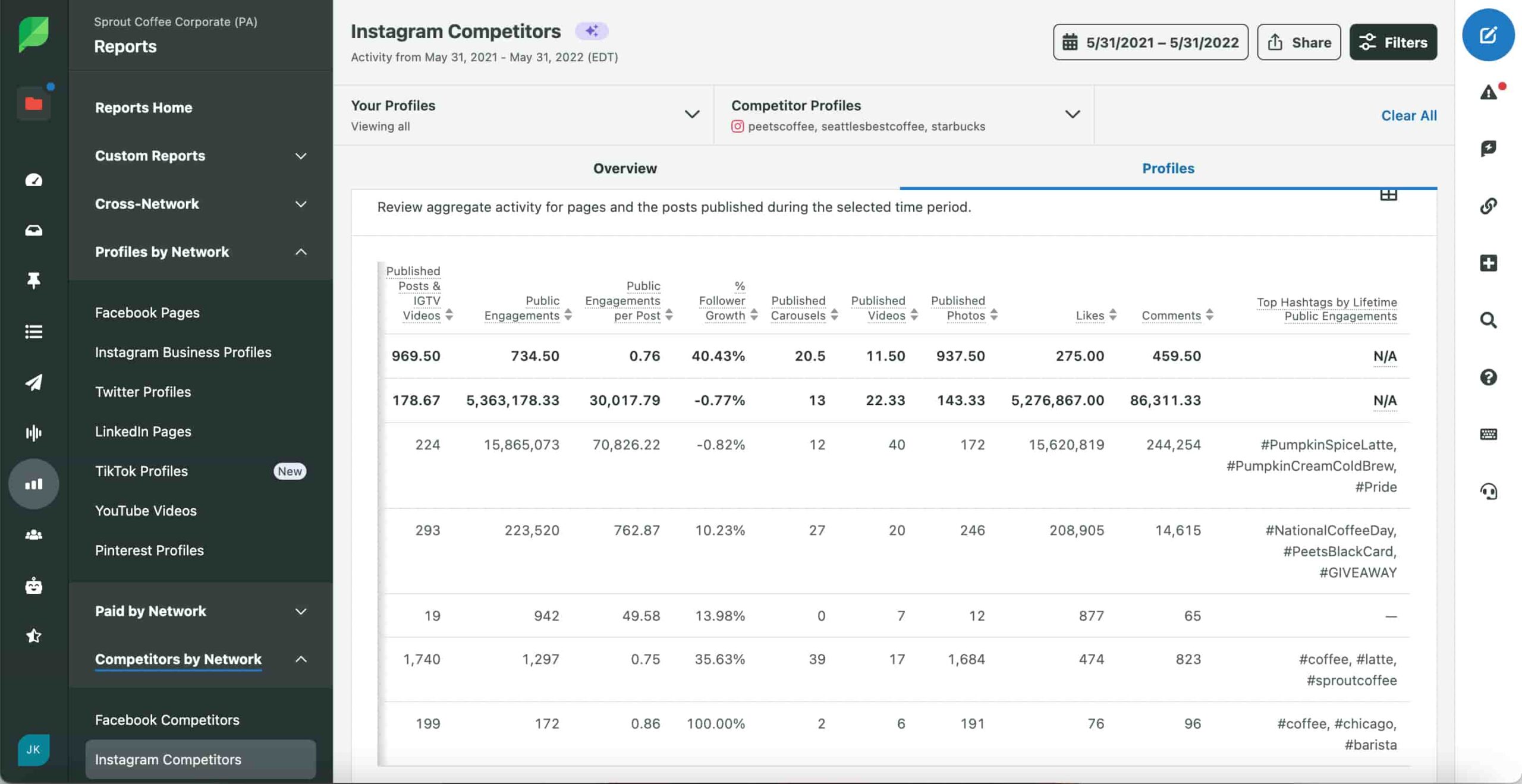
The most successful brands today are those that stop guessing. They use analytics to track which tags actually move the needle on ROI, lead generation, and brand sentiment. As the digital landscape continues to fragment, those who prioritize intentional, precise content categorization will be the ones who dominate the feed.
Frequently Asked Questions (FAQs)
Q: Do hashtags still matter in 2026?
A: Absolutely. While the algorithm is smarter, it still relies on metadata to categorize content. Hashtags provide the necessary context to ensure your Reels reach the right eyes.
Q: Should I put hashtags in my comments or caption?
A: Always in the caption. This allows for immediate indexing at the moment of publishing, ensuring the algorithm knows exactly where to surface your content.
Q: How many hashtags are too many?
A: Anything beyond five is usually unnecessary. Focus on quality and intent. If a tag doesn’t serve your brand or audience, it is essentially "noise" that can hurt your content’s performance.
Q: Can I use the same hashtag block for every post?
A: No. Recycling tag lists signals low effort to the algorithm. Always rotate your tags to ensure they are relevant to the specific content of that individual Reel.