Legal Storm: Kanye West and French Montana Sued Over Unauthorized Paparazzi Audio Sample

Introduction: A Clash of Rights and Artistic License
In the high-stakes world of music production, the practice of "sampling"—the act of taking a portion of a sound recording and reusing it in a different song—is as foundational to hip-hop as the drum machine itself. However, this creative process is governed by a complex web of copyright law that demands rigorous clearance and licensing. Recently, that legal framework has collided with the world of celebrity journalism.
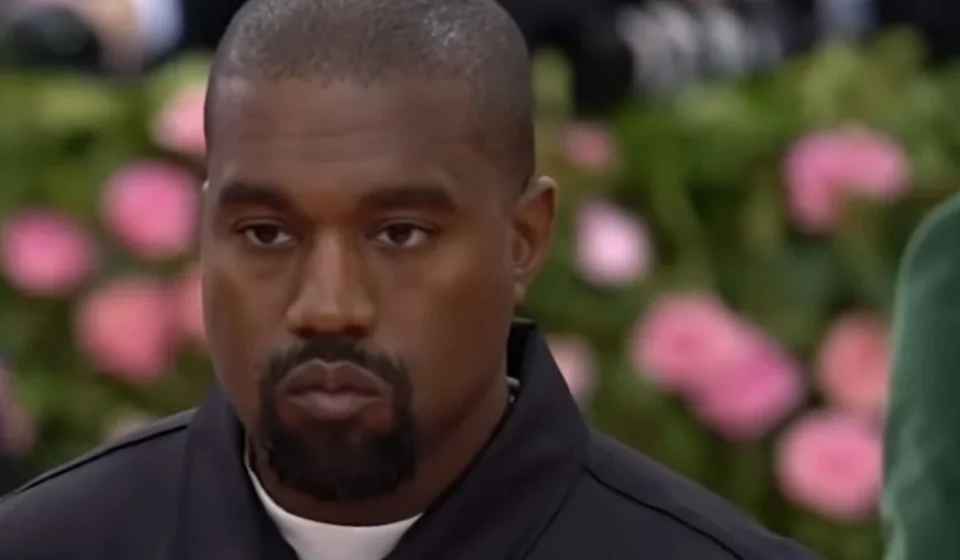
Celebrity photo agency Bauer-Griffin has filed a significant copyright infringement lawsuit against Ye (formerly Kanye West) and rapper French Montana. The litigation centers on the unauthorized use of audio captured during a volatile 2013 confrontation between West and a paparazzo. The audio, which features West shouting at a photographer, was allegedly sampled without permission at the start of French Montana’s track "Where They At," a song featured on his 2024 album Mac & Cheese 5. The agency characterizes the move not merely as a creative choice, but as "blatant and willful" intellectual property theft.
The Chronology of a Conflict
To understand the gravity of the current lawsuit, one must look back to the origins of the recording in question.
The 2013 Incident
In May 2013, the cultural landscape was vastly different. Ye was at the height of his public visibility, and his relationship with the paparazzi was notoriously fraught. During a late-night outing at a Los Angeles restaurant with his then-wife, Kim Kardashian—who was pregnant at the time—West was approached by a photographer.
The resulting video, which remains under the ownership of Bauer-Griffin, captures a heated, visceral moment. In the footage, West can be clearly heard demanding that the photographer cease his efforts, shouting phrases such as "don’t take no photos" and "stop it man!" The video was widely circulated at the time, serving as a raw, unfiltered snapshot of the tensions between celebrity privacy and the relentless nature of tabloid journalism.
The 2024 Musical Adaptation
Fast forward to early 2024. French Montana released his long-awaited album, Mac & Cheese 5. Among the tracks was "Where They At," which immediately drew attention for its introductory audio. Listeners familiar with the public archives of celebrity confrontations quickly identified the voice of Ye from the 2013 incident. According to the lawsuit, the audio was lifted directly from the Bauer-Griffin video and integrated into the song’s production.
The agency argues that because the original video was published with a clear watermark and was widely recognized as part of their proprietary archive, the defendants were fully aware of the need to license the material. Instead, they allege that the creators of the track bypassed the legal requirement for clearance, leading to the current legal impasse.
Supporting Data and Legal Arguments
The complaint, filed in federal court and first reported by Billboard, lays out a case based on the fundamental principles of copyright ownership.
The Mechanics of Infringement
Bauer-Griffin’s legal team argues that the music industry is not a vacuum, but a highly regulated ecosystem. "In the music industry, copyrights are prevalent and well understood," the lawyers state in court documents. The core of their argument is that "every defendant knew that they needed to have but did not have permission to use the audio sample."
The agency contends that the use of the audio constitutes a violation of the Copyright Act. By incorporating the audio into a commercial product—a song that has been distributed across major streaming platforms—the defendants have allegedly profited from the unauthorized use of the agency’s intellectual property.
The "Newsworthy" Factor
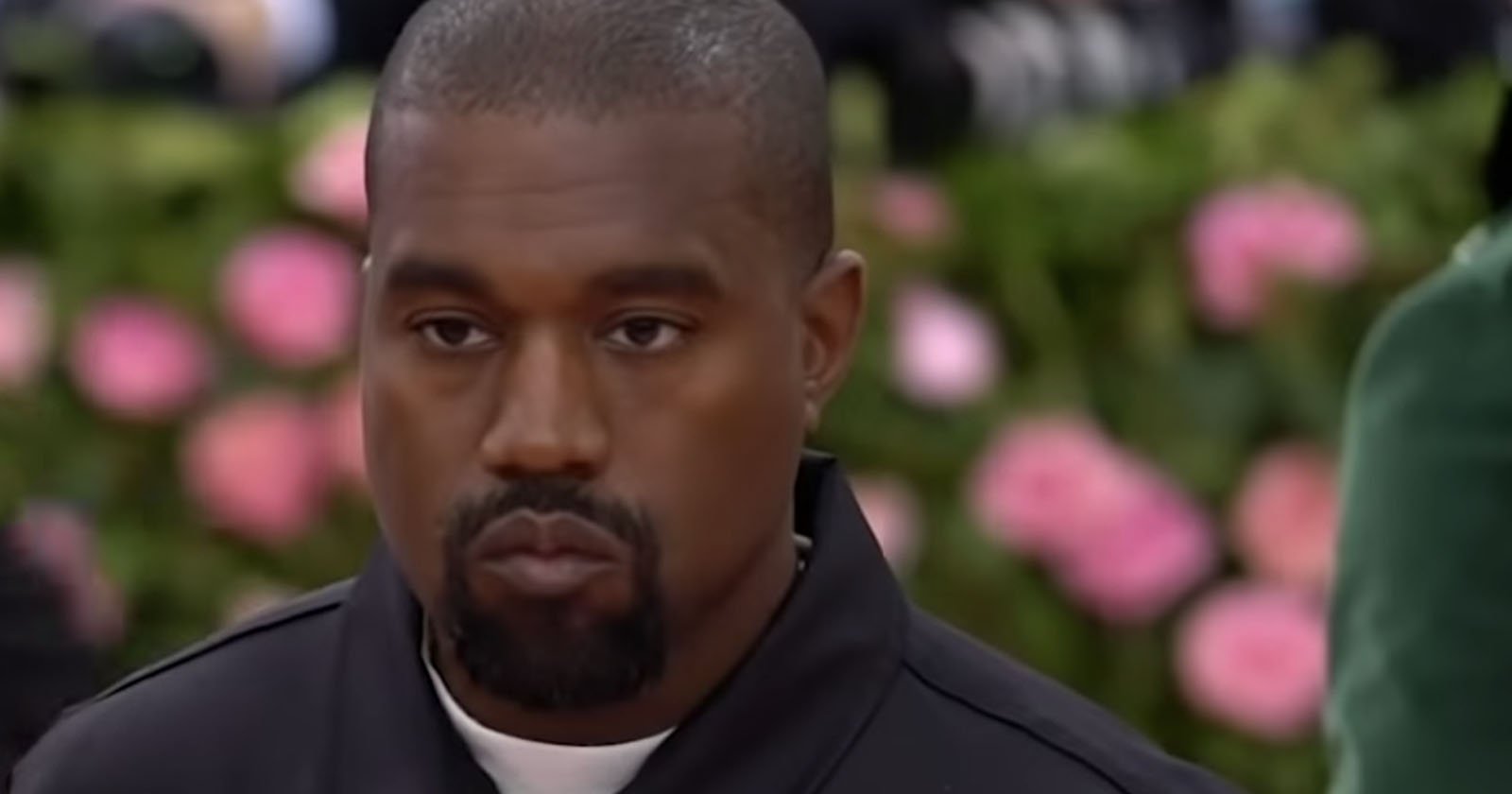
The lawsuit also highlights the inherent value of the video itself. Because the 2013 incident involved one of the world’s most famous figures in a moment of genuine, albeit aggressive, human reaction, the footage was considered "highly newsworthy." Bauer-Griffin asserts that their role as a photo agency is to document such moments, and the commercial value of that documentation is protected under the law. By stripping the audio from its original, legitimate journalistic context and repurposing it as an artistic sample, the defendants allegedly undermined the agency’s exclusive rights to control and monetize their own library.
A Pattern of Legal Friction
This lawsuit is far from an isolated incident in Ye’s career. The artist has, over the past several years, been embroiled in a series of high-profile legal disputes involving photographers and creative professionals. These cases suggest a recurring pattern of tension between Ye’s creative output and the ownership rights of those who document his life.
The Magnum Photographer Dispute
In May 2025, a photographer associated with the prestigious Magnum Photos agency alleged that Ye had utilized one of his copyrighted images without permission to serve as the cover art for his 12th studio album. The photographer claimed that despite the prestige and commercial reach of the album, no licensing agreement was reached, and no compensation was provided for the use of his work.
The $110,000 Unpaid Shoot
In another notable case from 2022, a photographer filed suit against Ye, alleging that she had performed a last-minute, high-pressure photoshoot for the rapper, only to be left without payment. The photographer claimed the total invoice amounted to $110,000, a sum she asserted was necessary for her basic livelihood, including her rent. These incidents, combined with the current Bauer-Griffin suit, portray an artist who frequently finds himself at odds with the individuals responsible for capturing his public image.
Implications for the Music and Media Industries
The outcome of the Bauer-Griffin vs. Ye/French Montana case could have broader implications for how audio from news footage is treated in modern music.
The Future of "Found Sound"
"Found sound" or "vocal samples" from news clips have long been a staple of hip-hop, electronic, and experimental music. However, courts have become increasingly stringent regarding the fair use doctrine. If the court rules in favor of Bauer-Griffin, it could set a precedent that discourages artists from using audio snippets from celebrity news segments without explicit, costly licensing agreements.
Conversely, a ruling for the defendants could signal a shift in how copyright is perceived regarding "transformative" use. If the defense argues that the audio is a commentary or a historical artifact rather than a theft of creative expression, it could provide a broader roadmap for artists to utilize public records in their music.
The Burden on Streaming Platforms
The involvement of streaming platforms also complicates the matter. As the song is currently available on services like Spotify, Apple Music, and YouTube, these platforms may find themselves in a precarious position. When a track is subject to a copyright claim, the legal pressure often extends to the distributors. If the plaintiffs successfully argue that the song is an infringing record, they may seek not only monetary damages but also the removal of the song from all platforms.
Conclusion: A Legal Reckoning
As the case moves forward, the focus will remain on the intersection of privacy, documentation, and property. Ye has built a career on defying conventions, but in the realm of intellectual property, the rules are rigid. The lawsuit filed by Bauer-Griffin serves as a stark reminder that even in the age of viral clips and rapid digital consumption, the ownership of raw footage remains a potent legal force.
For the music industry, this case acts as a cautionary tale. It underscores the necessity of due diligence, the importance of clear licensing, and the reality that a "sample" is never truly free. As both sides prepare for the courtroom, the final verdict will likely serve as a significant touchstone for how the media and music industries negotiate the ownership of our collective cultural history.