
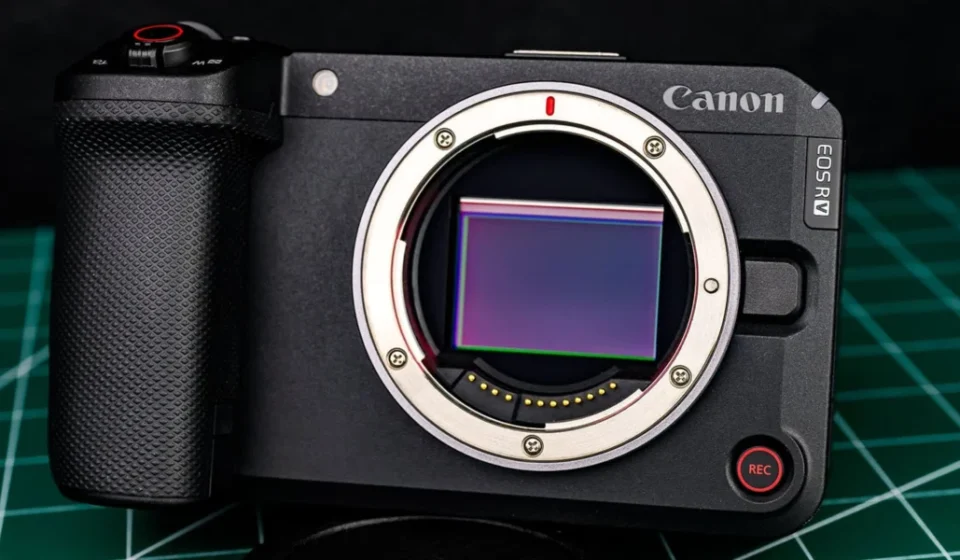
Canon Bolsters EOS R6 V and R6 III Capabilities with Significant Firmware Updates

Canon has officially released version 1.1.0 firmware updates for both the EOS R6 Mark III and the video-centric EOS R6 V. While firmware updates are a routine aspect of modern digital photography, this particular rollout addresses a critical omission for the R6 V and brings a suite of quality-of-life enhancements and bug fixes to both models. For hybrid shooters and professionals relying on these bodies for high-stakes production, this update represents a necessary step in maximizing the utility of Canon’s latest mirrorless ecosystem.
Main Facts: The Flash Conundrum and Feature Parity
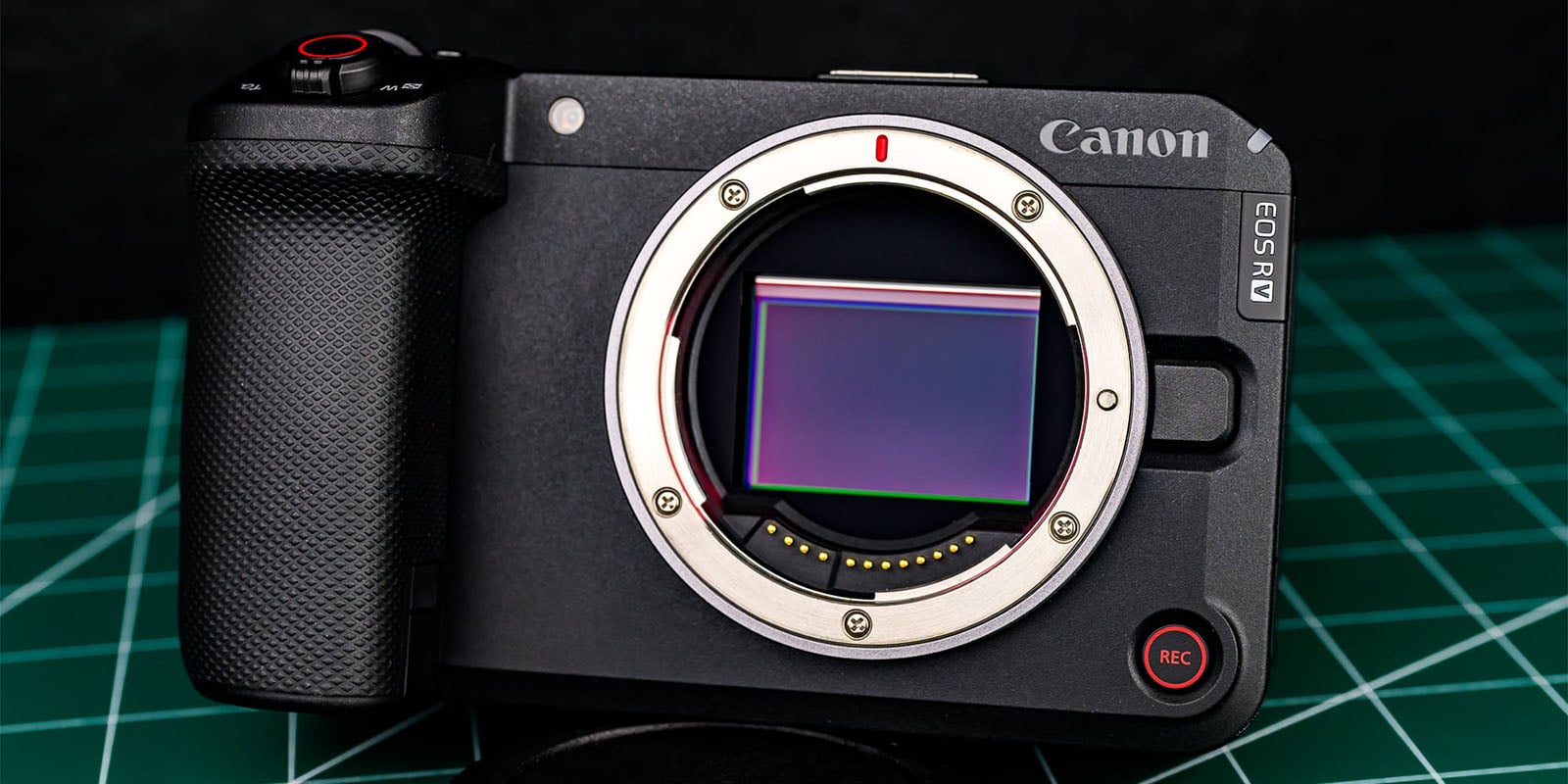
The most notable headline from this firmware release is the introduction of flash support for the Canon EOS R6 V. Since its launch earlier this year, the R6 V—a camera designed predominantly for videographers—lacked the ability to trigger external flashes. This was widely attributed to the camera’s hardware architecture, specifically the absence of a mechanical shutter.
Because the R6 V relies entirely on an electronic shutter, it mirrors the limitations found in the R6 III when that camera is set to electronic-only mode. However, while the update successfully enables flash functionality, it is essential for photographers to temper their expectations. The implementation remains highly restricted, with a maximum sync speed capped at 1/60s. This limitation makes the feature essentially unusable for high-speed action or bright daylight fill-flash scenarios where higher sync speeds are standard.
Furthermore, the R6 V does not utilize a traditional five-pin hotshoe. Instead, it relies on Canon’s Multi-Interface (MI) system. This means that only specific, compatible Speedlite units can be used, excluding legacy flash equipment that many professionals still keep in their bags.
Beyond the flash capabilities, version 1.1.0 brings both cameras into closer parity. Both models now support the new BR-E2 Wireless Remote Controller and have been granted support for Canon’s Software Development Kit (SDK). This is a significant boon for developers and commercial studios that rely on custom software for tethered shooting, automated product photography, or specialized industrial applications.
Chronology of Development
The path to this firmware release began shortly after the R6 V hit the market. Early adopters noted that the exclusion of flash support—while understandable given the camera’s video-first design philosophy—was a point of friction for hybrid shooters who occasionally needed to pivot to stills.
- May 2026: The Canon EOS R6 V is unveiled, sparking a debate regarding its position in the market. Reviewers noted its exceptional video capabilities but criticized the lack of traditional photographic safeguards like a mechanical shutter and, subsequently, flash support.
- November 2025: The EOS R6 III is released to critical acclaim, solidifying its place as a "predictably excellent" workhorse. The R6 III set the standard for the series, but its flash-sync limitations in electronic shutter mode foreshadowed the hurdles Canon would face with the R6 V.
- July 2026: Canon releases firmware version 1.1.0 for both models. This update follows a period of feedback where users reported bugs regarding FTP connectivity, interval shooting consistency, and USB data transfer stability.
- Current Status: As of mid-July 2026, the firmware is available for download via the official Canon support portals, marking a proactive move by the manufacturer to stabilize the user experience before the next major production season.
Supporting Data and Technical Nuances
To understand the scope of this update, one must look at the specific technical hurdles Canon had to overcome. The transition to fully electronic shutter systems in the R6 series is a strategic move to prioritize frame rates, buffer clearance, and silent operation. However, the lack of a physical shutter mechanism prevents the use of traditional flash sync mechanisms, which rely on the shutter curtains to expose the sensor.
The decision to limit the R6 V to 1/60s sync speed is likely a byproduct of the sensor readout speed. In a global or rolling shutter environment where there is no mechanical curtain to "time" the flash pulse, the camera must ensure that the entire sensor is illuminated by the flash burst before the readout finishes. A 1/60s sync speed is a conservative, "safe" window that prevents the dreaded "black bar" effect caused by the shutter timing being mismatched with the flash duration.
For the R6 III, the update focuses less on radical feature additions and more on environmental parity. By adding the "close-up demo" autofocus setting—a feature borrowed from the R6 V’s video-centric design—Canon is essentially cross-pollinating the software stacks of its two most popular mid-range mirrorless bodies. This "grid display during movie recording" addition for the R6 III is another example of Canon listening to the "Vlogger-photographer" demographic, who require precise composition tools while in video modes.
Official Responses and Strategic Direction
Canon has been relatively quiet regarding the specific technical limitations of the R6 V’s flash system, opting instead to focus on the expanded compatibility of their accessory ecosystem. By adding support for the BR-E2 wireless controller, Canon is subtly pushing its users toward their proprietary wireless ecosystem rather than relying on third-party radio triggers, which may have contributed to the "buggy" performance reported by early users.
In their support documentation, Canon highlights "improved operational stability" as a primary pillar of the 1.1.0 update. In the professional camera industry, this is often code for addressing deep-seated firmware hangs, memory leakages, or communication errors between the camera’s internal processor and the storage media. The specific call-outs for FTP and USB-related errors suggest that Canon is prioritizing the needs of professional news and sports photographers who rely on the R6 III and R6 V for rapid file transfer from the field to the newsroom.
Implications for the Professional User
The implications of this update are two-fold: for the R6 V owner, it transforms the camera from a pure video tool into a "good enough" hybrid device. While no professional will use the R6 V as a primary studio headshot camera given the 1/60s sync limitation, it is now viable for event work where a quick, low-profile flash shot is needed in a pinch.
For the R6 III owner, the update is a refinement. It ensures that the camera remains relevant in a rapidly evolving market where software-defined features are becoming as important as the physical glass.
Key Takeaways for Users:
- Sync Speed Limitations: Do not expect to use the R6 V for high-speed flash photography. The 1/60s limit is a hard cap that necessitates careful planning for ambient light.
- Accessory Ecosystem: The requirement for Multi-Interface shoe accessories means that users with legacy flash systems will still require an adapter or may need to upgrade their strobe hardware to maintain wireless TTL functionality.
- Software Integration: The inclusion of SDK support is a major win for studios and software developers. It opens the door for third-party automation tools that can now communicate more reliably with both the R6 III and R6 V.
- Reliability: The fixes to interval shooting and FTP errors make these cameras significantly more reliable for long-term time-lapse projects and remote-camera setups, which are common in stadium or wildlife photography.
Conclusion
The release of firmware version 1.1.0 serves as a reminder that the "launch" of a camera is no longer the end of its development cycle. In the era of the mirrorless transition, Canon is clearly shifting toward a model of continuous improvement. While the flash capabilities on the R6 V are far from perfect, they represent a significant step forward in functionality that will undoubtedly satisfy a large portion of the user base.
For current owners, upgrading to version 1.1.0 is strongly recommended, particularly for those who have experienced the intermittent USB or FTP connectivity issues noted in previous iterations. By aligning the feature sets of the R6 III and R6 V, Canon is strengthening its mid-range lineup, ensuring that whether a user is a dedicated videographer or a hybrid shooter, their tools remain robust, stable, and increasingly capable of meeting the demands of modern production environments.