
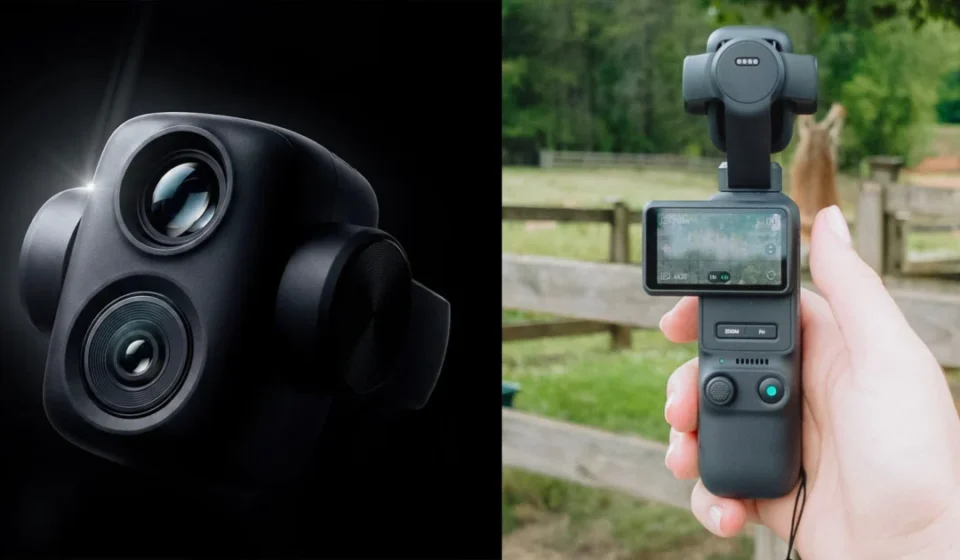
The End of the Clone Era? Xtra Pulls Muse 2 Pro Following Aggressive FCC Crackdown

In a move that signals a seismic shift in the gray market of consumer electronics, the camera manufacturer Xtra has abruptly halted preorders and pulled its highly anticipated Muse 2 Pro from its digital storefront. This sudden retreat comes just days after the Federal Communications Commission (FCC) signaled a more aggressive stance toward companies suspected of bypassing federal trade regulations to import restricted Chinese drone and gimbal technology into the United States.
For weeks, the Muse 2 Pro had been positioned as a "miracle" alternative to the DJI Osmo Pocket 4—a device that has remained conspicuously absent from the U.S. market due to ongoing federal scrutiny and trade restrictions. By offering a near-identical hardware experience at a competitive price point, Xtra had carved out a niche among creators eager for the latest in stabilization tech. Now, that gamble has collapsed.
The Chronology of a Regulatory Collision
To understand the sudden evaporation of the Muse 2 Pro, one must look at the escalating tensions between federal regulators and the influx of "look-alike" hardware entering the U.S. market.
Early 2026: The Rise of the Clone
Following the formal restriction of certain DJI product lines in the United States, a vacuum appeared in the creator economy. High-end gimbals and compact 360-degree cameras became the most sought-after, yet hardest to acquire, tools. Xtra emerged during this period, offering devices that were, for all practical purposes, aesthetic and functional twins of DJI’s proprietary lineup. While the company claimed independent innovation, industry analysts noted that the internal components and software architecture bore a striking resemblance to the hardware that had been effectively banned from American soil.
July 10, 2026: The FCC Draws a Line
The situation shifted from a "gray area" to a high-stakes legal battle on July 10, when the FCC levied significant fines against a cluster of companies—including Xtra—accused of acting as "fronts" for restricted DJI technology. The FCC’s complaint was straightforward: these companies failed to provide adequate documentation regarding their supply chains and the origin of their technical components. The regulatory body suggested that these firms were merely conduits for prohibited hardware, rebranding and repackaging the technology to circumvent import bans.
Late July 2026: The Collapse of Preorders
The tipping point arrived this week. As the FCC announced a new, more comprehensive ban on the import of suspect technologies, it provided a 30-day public comment window before enforcement tightened. Rather than waiting for the hammer to fall, Xtra moved to protect its operations—or perhaps, to minimize its legal exposure.
As confirmed by photographer Francis Alvarez and multiple customer reports, Xtra sent out an email blast confirming the "Early Bird" program for the Muse 2 Pro was effectively dead. The company cited an "inability to confirm a reliable launch timeline," a diplomatic way of saying that the legal path forward had been obstructed.
Supporting Data: Why the FCC is Targeting These Firms
The investigation into Xtra and its peers is not merely a matter of trade protectionism; it is deeply rooted in national security and transparency mandates. The FCC’s primary grievance is the "black box" nature of these companies’ supply chains.
The Transparency Gap
Under current FCC regulations, manufacturers importing electronic devices must provide clear, verifiable documentation concerning the origin of sensitive components, particularly those capable of high-resolution data transmission and geospatial tracking. Companies like Xtra have consistently failed to provide this data.
Industry experts point to several key indicators that suggested these products were DJI-derived:
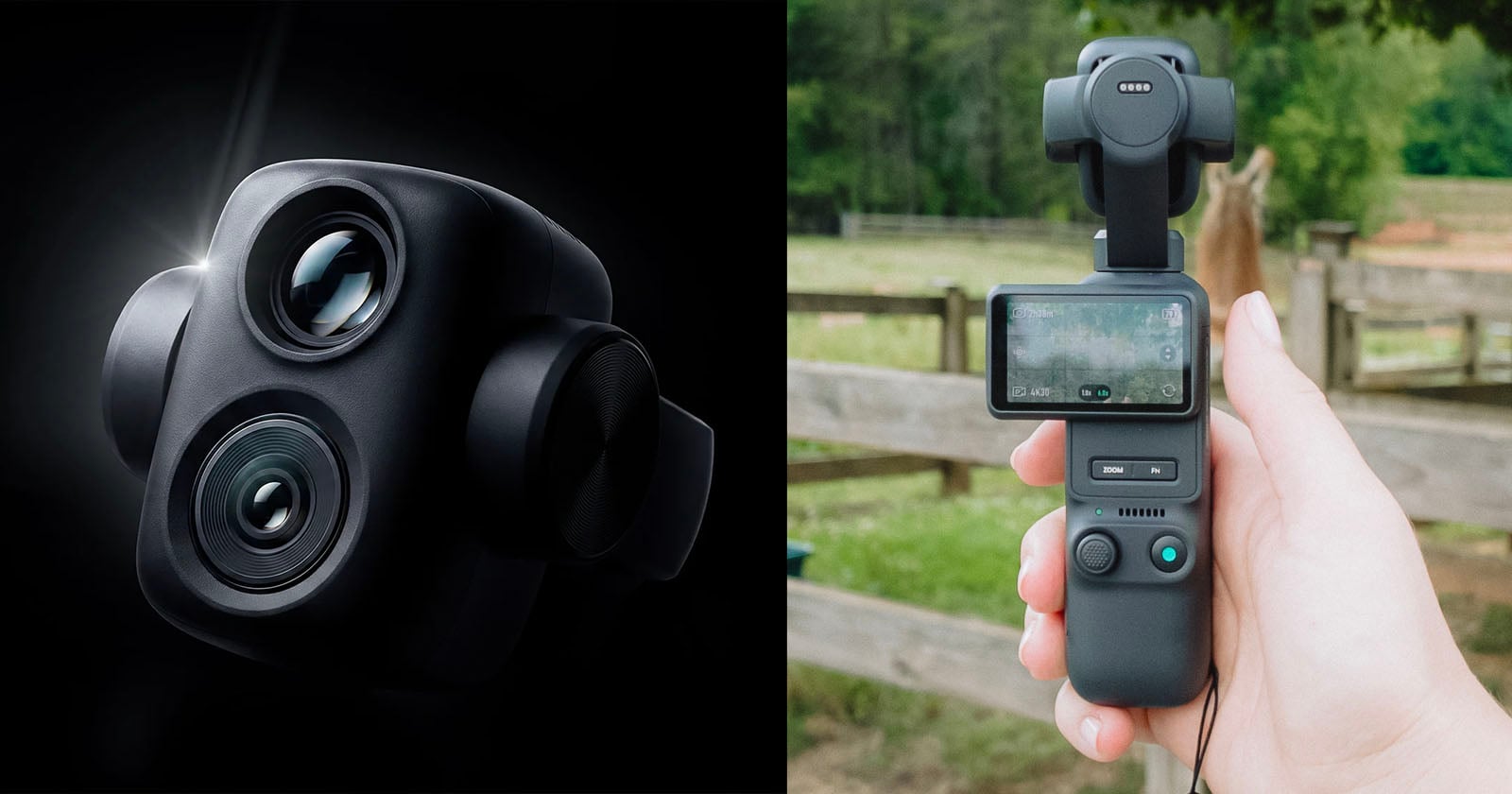
- Form Factor Homogeneity: The physical chassis of the Muse 2 Pro matched the dimensions and port configurations of the Osmo Pocket 4 with millimeter precision.
- Software Interoperability: Early testers found that certain proprietary DJI software features and third-party mounting accessories functioned seamlessly with Xtra hardware, suggesting a shared firmware lineage.
- Supply Chain Obfuscation: The "front company" model typically involves manufacturing products in regions outside of direct trade-sanctioned zones, only to ship them to the U.S. via shell companies. This obfuscation makes it nearly impossible for the FCC to track whether the technology contains prohibited chips or data-sharing protocols.
The Official Response: Silence and Damage Control
The reaction from Xtra has been characterized by a swift transition from marketing hyperbole to corporate silence. In their correspondence to preorder customers, the company wrote: "We have not announced a new product launch timeline at this time. Further information will be shared separately once the relevant plans are confirmed."
This statement is notably sparse. When reached for comment by PetaPixel, Xtra provided no response, maintaining a policy of total silence. This withdrawal from public discourse is a classic indicator of a company under intense legal review.
The decision to process refunds is, according to legal analysts, a necessary move to mitigate potential class-action litigation or fraud investigations. By returning the deposits, Xtra effectively voids the contractual obligation to deliver a product they know they cannot legally import, thereby removing a significant incentive for the government to launch a more intrusive audit into their remaining inventory.
Implications for the Creator Economy
The fallout from the Muse 2 Pro cancellation has far-reaching consequences for the photography and videography community.
1. The Death of the "Cheap Clone" Market
For years, creators have looked to budget-friendly clones to bypass the high entry cost of professional-grade gear. The FCC’s decisive action suggests that the era of "easy imports" is over. Manufacturers who attempt to replicate the functionality of banned high-end gear through opaque supply chains will likely find the U.S. market closed to them.
2. A Hard Lesson in Preorder Risks
The Muse 2 Pro saga serves as a cautionary tale for the crowdfunding and early-access model. When a product is marketed as a "shortcut" around global trade regulations, the risk is not just that the product will be delayed—it is that it will never exist. Consumers who invested in the Muse 2 Pro are now forced to look toward legitimate, sanctioned alternatives, effectively narrowing the marketplace for high-performance gimbal cameras.
3. The Future of DJI and its Competitors
With the "front companies" being dismantled, the market for compact stabilization tech in the U.S. is becoming increasingly binary: users must either purchase established, compliant brands that operate within the FCC’s transparency frameworks or risk losing their investments in "gray market" alternatives. This will likely lead to a consolidation of the market, where only companies with transparent, audit-ready supply chains can survive the regulatory scrutiny of 2026 and beyond.
Conclusion: A New Regulatory Reality
The cancellation of the Muse 2 Pro is more than a missed product launch; it is a clear signal that the U.S. regulatory environment has hardened. As the FCC continues to investigate the provenance of imported tech, companies that hide behind ambiguous branding and hidden supply chains are finding that their business models are no longer sustainable.
For the photography community, the message is clear: if an offer looks too good to be true, or if a product promises the features of a banned device at a fraction of the cost, the risk of "regulatory disappearance" is now a permanent feature of the landscape. Xtra’s retreat is likely just the first of many, as the government continues to scrub the market of unauthorized technology. As for those who were holding out for a Muse 2 Pro, the wait—or at least the wait for that particular device—is officially over.