

Mastering the Digital Frontier: A Strategic Guide to Social Media Management for Startups

In the high-stakes environment of a startup, the founder’s clock is a finite resource. Between refining a minimum viable product (MVP), courting venture capitalists, and managing hands-on operations, the prospect of maintaining a vibrant social media presence often feels like an impossible luxury. Yet, in the digital-first landscape of 2026, social media is no longer a peripheral marketing channel—it is the central nervous system of brand identity and customer acquisition.
For emerging businesses, social media provides a unique, cost-effective equalizer. It allows a lean team to bypass the heavy ad spend of established incumbents, creating direct, human-centric connections with potential users. However, without a structured approach, startups risk burning out their founders or, worse, projecting an unprofessional image. This guide explores the strategic imperative of social media management and how automation is shifting the paradigm for new businesses.
The Strategic Necessity: Why Startups Must Prioritize Social Media
For an early-stage company, the primary obstacle is obscurity. Before a product can solve a problem, the market must know that the solution exists—and they must trust the team behind it. Social media functions as a low-cost, high-trust engine that builds this recognition from the ground up.
The Trust Equation
Trust is the currency of the modern startup. Data from Sprout Social’s #BrandsGetReal survey indicates that 65% of consumers feel a significantly deeper connection to brands that maintain a strong, active social presence. This isn’t merely about vanity metrics; it is about transparency. When a startup shares the "behind-the-scenes" journey—documenting the challenges of product development or the mission driving the founders—it humanizes the brand. This transparency lowers the barrier to entry for early adopters who are looking for authenticity over corporate polish.

The Feedback Loop
Perhaps the most tactical advantage of social media is its role as an unfiltered R&D lab. By actively managing DMs, comments, and community discussions, startups gain access to a real-time, global focus group. Every question asked by a potential user is a data point regarding product positioning. Every complaint is a roadmap for future iterations. Brands that leverage this "direct-to-consumer" feedback loop often pivot faster and more effectively than those relying on traditional, slow-moving market research.
Common Pitfalls: Where Startups Stumble
The temptation for new founders is to treat social media as an "all-or-nothing" game. This leads to common, avoidable errors that stifle growth.
The "Everywhere" Fallacy
Many startups fall into the trap of attempting to maintain a presence on every platform simultaneously. The logic—reaching as many people as possible—is sound in theory, but disastrous in practice. Spreading resources thin leads to erratic, low-quality content and, inevitably, ignored customer messages. For a startup, it is far more effective to dominate one or two channels where the core audience actually lives than to be invisible on six.
Lack of a Content Calendar
In the absence of a structured content calendar, social media management becomes reactive rather than proactive. Posting "whenever there is a free moment" results in an inconsistent feed, which hurts engagement and algorithm visibility. To win on social, consistency is the primary variable. Without a plan, the startup fails to build the narrative momentum required to turn a casual scroller into a loyal customer.

The Manual Labor Trap
Perhaps the most damaging mistake is the reliance on manual posting. Founders who spend their mornings manually logging into multiple native apps to schedule individual posts are misallocating their most valuable asset: their time. Modern social media management tools are no longer optional "nice-to-haves"; they are essential infrastructure for operational efficiency.
Building a Data-Driven Strategy: A Step-by-Step Approach
To succeed, a startup must transition from "doing social" to "executing a strategy." This requires a shift in mindset toward intentionality.
1. Define Tangible Goals
Your social media strategy should not exist in a vacuum; it must be tied directly to business outcomes. Whether the goal is lead generation, brand awareness, or community building, every piece of content created should serve that objective. For instance, if the goal is to drive awareness, your metrics should track reach and impressions; if the goal is lead generation, focus on conversion-based actions like sign-ups or demo requests.
2. Strategic Platform Selection
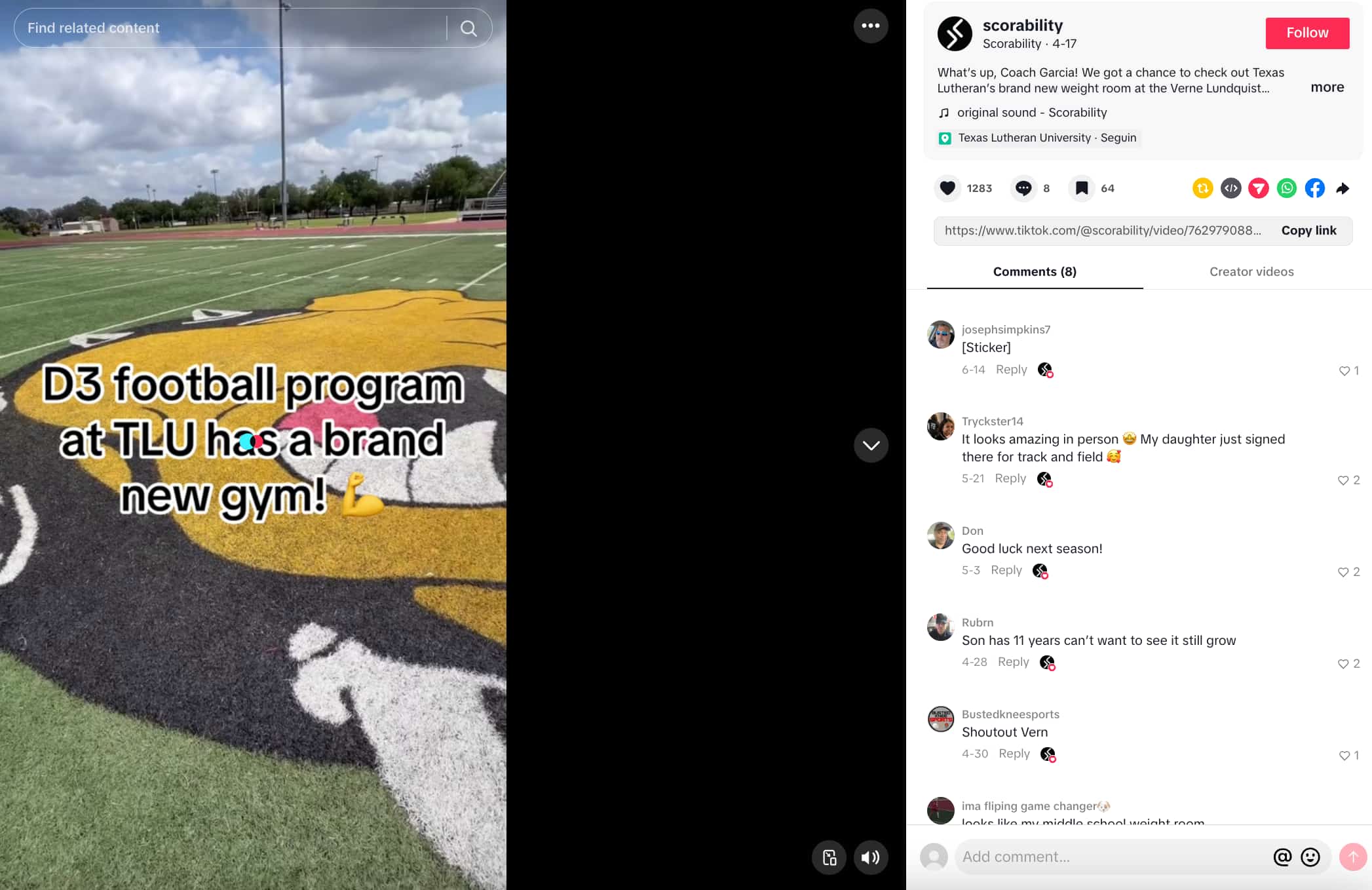
Avoid the temptation to follow the crowd. Your platform choice should be dictated by your audience’s demographics. If your startup is B2B-focused, LinkedIn is the obvious cornerstone. If you are targeting Gen Z, TikTok is non-negotiable. According to recent industry reports, 72% of Gen Z users engage with brands on TikTok, making it a powerful engine for authentic, short-form storytelling.

3. Codifying Brand Voice
Before the first post goes live, establish your "Brand Voice." Will you be authoritative and professional? Witty and disruptive? Empathetic and educational? This voice must remain consistent across every interaction—from tweets to customer service responses. A disjointed voice confuses the audience and erodes the trust you are working to build.
4. Establishing Content Pillars
To maintain variety while staying on message, define 3–5 content pillars. These act as your guideposts. They might include:
- Educational Content: How-to guides or industry insights that establish your team as experts.
- Company Culture/Behind-the-Scenes: Humanizing the team to build emotional connection.
- Customer Advocacy: Sharing testimonials and user-generated content.
- Product Updates: Directly showcasing the value of your solution.
5. The Cadence of Success
Posting frequency varies by platform, but for a startup, the key is balancing visibility with capacity. A sustainable cadence might look like:
- Instagram: 3–5 Reels per week, supplemented by 2–4 Stories daily.
- LinkedIn: 2–5 professional, thought-leadership posts per week.
- TikTok: 2–5 videos per week, focusing on fast-paced, high-value engagement.
The Role of Automation in Modern Management
The evolution of social media management tools, such as Sprout Social’s Essentials plan, has fundamentally changed the calculus for lean teams. By integrating visual content calendars, cross-platform scheduling, and automated optimal send-time suggestions, these tools turn an exhausting daily chore into a streamlined, high-impact workflow.
The Economic Argument
For the early-stage founder, every dollar is precious. Investing in a tool that costs less than $100 per month is not an expense—it is a force multiplier. It saves hours of manual labor, provides critical data on when your audience is most active, and ensures that your brand remains visible even when you are heads-down in product development.
Implications for the Future
As artificial intelligence and data analytics continue to integrate into social media management, the gap between "amateur" and "pro" accounts will widen. Startups that leverage these tools will be able to scale their presence without scaling their headcounts.
In conclusion, social media is not just a marketing channel; it is a vital business tool that, if managed with a clear strategy and the right automation, can accelerate a startup from an unknown entity to an industry leader. By staying consistent, focusing on the platforms that matter, and prioritizing authentic engagement, founders can build a brand that resonates, scales, and survives.