
The New Battleground for Retention: Why Brand Loyalty is Harder to Win and Keep in the Digital Age

GLOBAL — Brand loyalty has always been the ultimate holy grail for businesses striving for sustainable growth in saturated markets. Yet, according to a sweeping body of industry data released throughout 2026, winning that loyalty has never been more difficult—and losing it has never been easier.
As modern consumers navigate a fragmented digital ecosystem spanning decentralized social networks, creator-led communities, and opaque digital spaces, the traditional paradigms of customer retention are shattering. Driven by an influx of unregulated artificial intelligence, widespread misinformation, and shifting consumer expectations, companies can no longer rely on legacy tactics, quarterly sales reports, or historical surveys to understand why customers stay or leave.
To survive this volatile climate, modern enterprises are turning to real-time social intelligence to decode customer sentiment before it manifests as irrevocable churn.
Main Facts: The Anatomy of Modern Brand Loyalty
At its core, brand loyalty is defined as a consumer’s ongoing preference for one brand over its competitors, sustained by deep-seated trust and emotional connection rather than mere convenience or habit. However, industry analysts emphasize that brand loyalty must be sharply distinguished from related marketing metrics:

- Brand Loyalty: Measures a customer’s long-term preference, evidenced by repeatedly choosing the brand over competitors despite cheaper or more convenient alternatives.
- Brand Affinity: Reflects the emotional connection a consumer feels based on shared values, identity, or lived experiences.
- Customer Loyalty: Driven by repeat behavior rooted in transactional convenience, service quality, or rewards programs.
- Brand Awareness: Measures baseline familiarity and recognition of a brand’s name, logo, or product suite.
In the current landscape, maintaining these metrics is complicated by an erosion of digital trust. According to Sprout Social’s Q1 Pulse Survey, 35% of social media users report that their trust in online content has decreased over the past year. Respondents attribute this decline primarily to misinformation (30%) and unregulated AI-generated content (20%). Furthermore, an overwhelming 88% of consumers agree that AI-generated video tools have significantly reduced their trust in digital news and media.
Consequently, brand interactions face unprecedented scrutiny. Overly polished advertisements, vague public responses to corporate missteps, and opaque influencer partnerships routinely backfire in an era where consumers demand absolute authenticity.
Chronology: The Evolution of Customer Insight Gaps
The friction between corporate strategy and consumer sentiment is rarely a product of a lack of data; rather, it is a failure of timing and integration.
- The Traditional Lag: Historically, businesses relied on quarterly reports, lagging sales data, and post-purchase surveys to gauge brand health. By the time these insights reached cross-functional teams, consumer sentiment had already shifted.
- The Rise of Decentralized Discovery: Over the past decade, consumer discovery migrated from search engines and brand websites to Reddit threads, TikTok reviews, and creator communities. Customers routinely form opinions about a product based on third-party commentary long before ever visiting a corporate homepage.
- The Data Silo Crisis: Modern market analysis reveals a persistent disconnect between listening and action. According to recent market reports, 86% of business professionals admit to missing major market opportunities over a two-year period due to delayed, siloed, or underused consumer insights.
- The Current Reality: Today, only 10% of organizations possess the agility required to act on a social insight within hours, leaving a dangerous window where customer frustration can fester into full-scale attrition.
Supporting Data: What the Metrics Reveal
Quantitative data underscores the urgent need for structural alignment between brand listening and corporate action. The metrics paint a clear picture of an audience that feels heard, but rarely accommodated:
- 55% of Consumers feel that while brands do a commendable job of listening to public commentary, they frequently fail to act on the feedback they receive.
- Only 31% of Consumers believe brands excel at both listening and executing meaningful changes based on audience input.
- 33% of Professionals cite reacting too slowly to rapid market shifts as the single most common missed opportunity in corporate strategy.
- The Trust Gap in Influencers: While 67% of consumers have purchased products based on influencer recommendations in the past year, trust is heavily skewed toward relatability. Approximately 57% of consumers trust everyday users for product recommendations, compared to a mere 9% who place their trust in mega-influencers.
- The AI Backlash: Transparency regarding technology remains a critical vulnerability. Up to 44% of consumers express discomfort with brands utilizing AI-generated influencers, and 28% explicitly demand that brands cease publishing unlabeled AI content.
Official Responses and Strategic Pivots
Forward-thinking enterprises are restructuring their operational frameworks to bridge the gap between audience listening and tangible business execution. Industry leaders are adopting aggressive, multi-channel methodologies to safeguard their brand health:
1. Expanding Beyond Owned Channels
Smart brands no longer monitor only tagged mentions and direct post comments. By leveraging advanced social listening and media intelligence tools—such as NewsWhip and specialized tracking software—corporations are intercepting organic conversations on Reddit and niche creator forums.
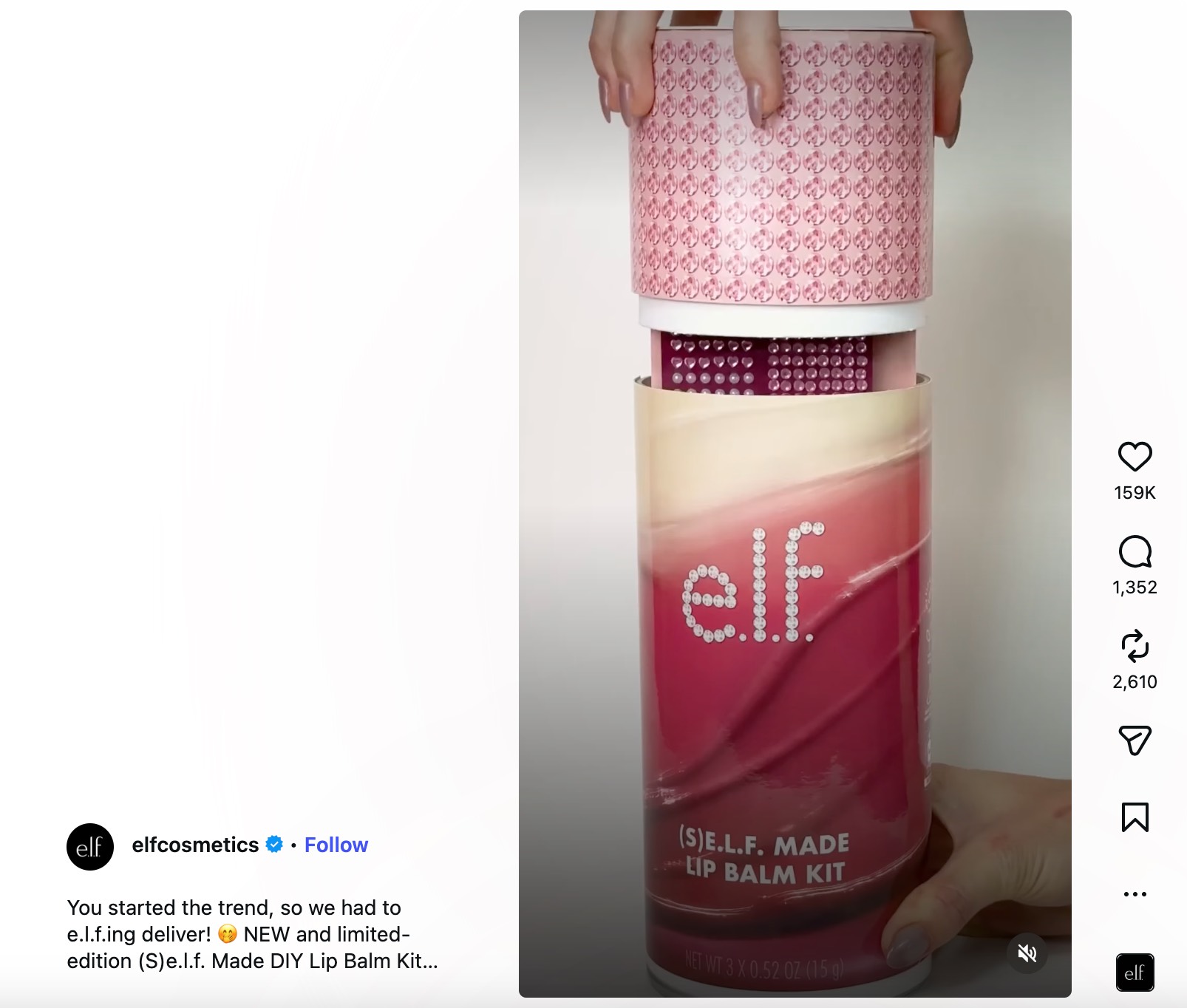
Case in point: e.l.f. Cosmetics successfully identified an unprompted DIY lip gloss trend circulating across social media and rapidly translated it into a limited-edition product release, proving that market innovation often begins with observing natural consumer behavior.
2. Translating Unprompted Feedback into R&D
Customer complaints and product hacks shared in public spaces are increasingly being routed directly to product innovation and research-and-development teams. Oatly utilized social intelligence gathered across X, Reddit, and Instagram to validate consumer demand and shape the development of its Matcha Latte product launch.
3. Demonstrating Public Accountability
Brands are learning the value of "showing their work." Rather than sweeping missteps under the rug, companies like Burger King have utilized major marketing campaigns to openly acknowledge historical gaps between their brand promise and the customer experience, using real social feedback as proof of ongoing operational improvements.

4. Prioritizing Next-Generation Customer Care
With social media firmly established as a primary customer service channel, companies are integrating platforms like Salesforce with social care software. This unification grants support teams immediate, contextual access to comprehensive customer records, minimizing friction and resolving grievances before they trigger churn.
Implications: The Future of Brand Health and Retention
The implications of these structural shifts extend far beyond standard marketing key performance indicators (KPIs). Brand loyalty is no longer an isolated department goal; it is a primary marker of overall corporate health and operational agility.
As consumer skepticism deepens and digital landscapes become increasingly saturated with synthetic content, businesses face a stark choice. Organizations that treat customer listening as a passive monitoring exercise will continue to suffer from delayed insights and rising churn rates. Conversely, companies that operationalize real-time social intelligence—transforming unprompted audience feedback into rapid product adaptations, transparent communications, and authentic employee advocacy—will secure a durable competitive advantage.
Ultimately, brand loyalty is a continuous journey rather than a static destination. Sustaining it requires corporations to maintain an active dialogue with their audiences long after the initial sale, ensuring that every customer interaction serves to reinforce trust in an increasingly uncertain digital world.