The TikTok Economy in Australia: Growth, Policy Shifts, and Marketing Strategies for an Adult-First Era

TikTok has firmly woven itself into the fabric of daily life in Australia, transitioning from a Gen Z-centric entertainment novelty into a powerhouse of digital culture, commerce, and information. According to The 2025 Sprout Social Index, 39% of Australian social media users turn to the platform to stay informed on topics ranging from personal finance and travel to fashion and technology. For businesses, this high level of active engagement presents an unprecedented marketing opportunity—provided they understand how and why Australians are using the app.
As TikTok’s role within the country continues to evolve, so too does the regulatory landscape surrounding it. The introduction of landmark federal legislation has transformed the app’s user base, shifting its demographic focus and prompting brands to rethink how they capture attention. This report explores the vital statistics, chronological milestones, regulatory impacts, and industry-specific implications defining TikTok’s trajectory in Australia.
Main Facts: TikTok’s Current Footprint in Australia
The platform’s footprint in the Australian market is substantial. Data compiled in DataReportal’s Digital 2026 Australia report indicates that as of late 2025, approximately 10.9 million Australians aged 18 and older actively use the platform.

Rather than functioning merely as a casual video-sharing feed, TikTok now acts as a primary search engine and discovery tool. Users routinely leverage the app to research major purchases, discover emerging brands, and engage directly with commercial enterprises.
- Demographic Reach: More than 30% of TikTok’s global audience falls within the 18–24 age bracket, a cohort recognized as Australia’s most active social shoppers.
- Economic Impact: Australian businesses across diverse sectors—including retail, travel, financial services, and publishing—have harnessed the platform to unlock previously unreachable demographics, accelerate revenue growth, and scale operations internationally.
- The Adult-First Mandate: Following federal legislative changes, the platform’s addressable Australian audience has skewed definitively toward adults aged 18 and over, altering how brands target consumers.
Chronology: The Evolution of TikTok in the Australian Market
Understanding TikTok’s current market position requires tracing its rapid rise and the sudden regulatory shifts that reshaped its operational environment in Australia.
- Early Growth Phase (2019–2021): TikTok gained widespread traction among Australian teenagers and young adults, initially serving as a viral hub for dance challenges, lip-syncing, and lighthearted entertainment during periods of pandemic-related lockdowns.
- Commercial Maturation (2022–2024): The platform pivoted into an ecosystem for commerce and niche communities. Australian businesses began to realize organic viral reach was possible without massive ad budgets. Success stories like Brisbane’s Brooki Bakehouse demonstrated that "behind-the-scenes" content could turn a local enterprise into an international sensation.
- The Regulatory Turning Point (Late 2024–December 2025): The Australian Parliament passed the Online Safety Amendment (Social Media Minimum Age) Bill 2024, setting the stage for a strict minimum-age requirement across multiple social platforms.
- The Ban Takes Effect (December 10, 2025): The under-16 social media ban officially went live. TikTok complied by deactivating more than 200,000 accounts belonging to users under the age of 16 on the exact day the law took effect, instantly re-architecting its domestic user base.
Supporting Data: Sector-by-Sector Market Impact
TikTok’s influence is not distributed evenly; it manifests deeply within specific vertical markets across Australia. Data and case studies highlight how distinct industries leverage the platform’s short-form video ecosystem.
Travel and Tourism
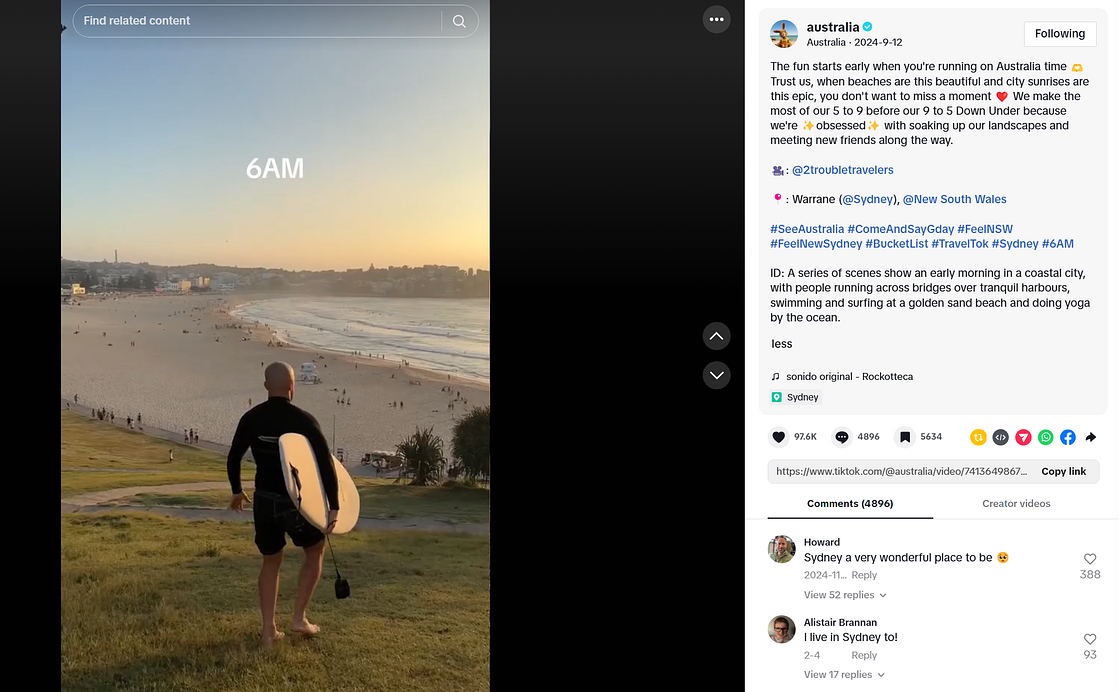
Australia’s diverse landscapes—from pristine coastlines to iconic outback destinations—make it a natural fit for visually immersive video content. The official @australia TikTok account boasts nearly 800,000 followers, utilizing short clips of native wildlife, coastal surf spots like Bondi Beach, and cultural events to drive domestic tourism and inspire international visitors.
Financial Services
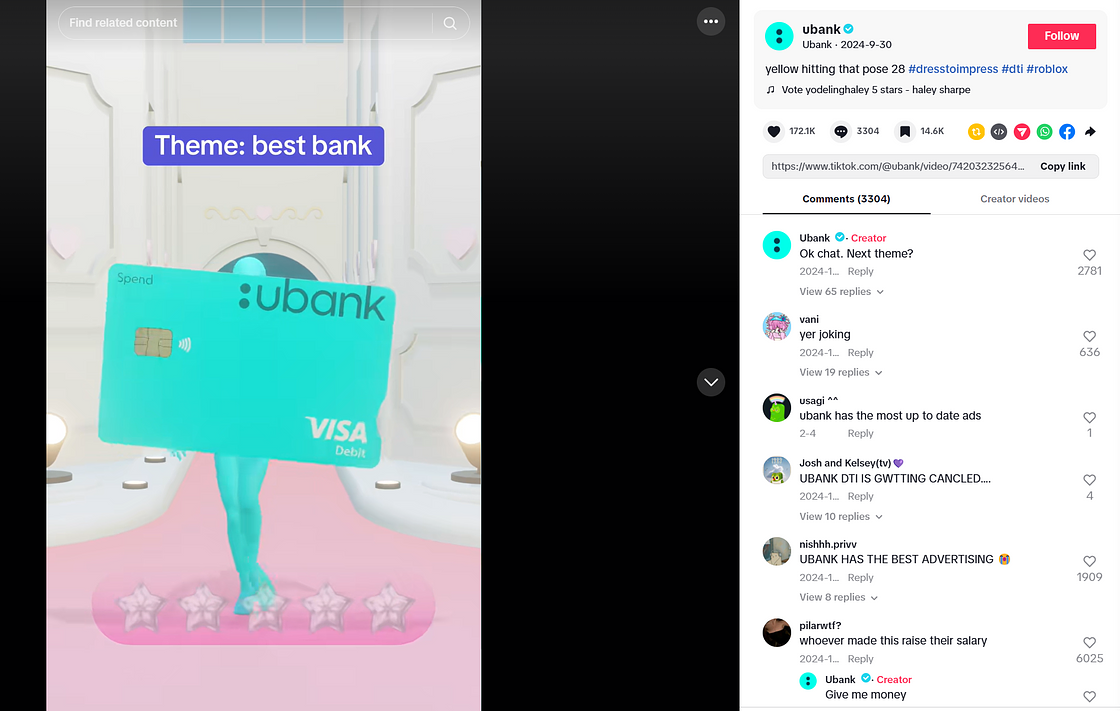
Financial literacy has carved out a massive niche on the platform, driven by discussions around salary transparency, paycheque budgeting, and alternative investment strategies. Direct banks like Ubank have successfully engaged younger Australians by combining playful, trend-aware humor with street-style interviews addressing financial goals, changing the traditional tone of banking communications.
Literature (#BookTok)
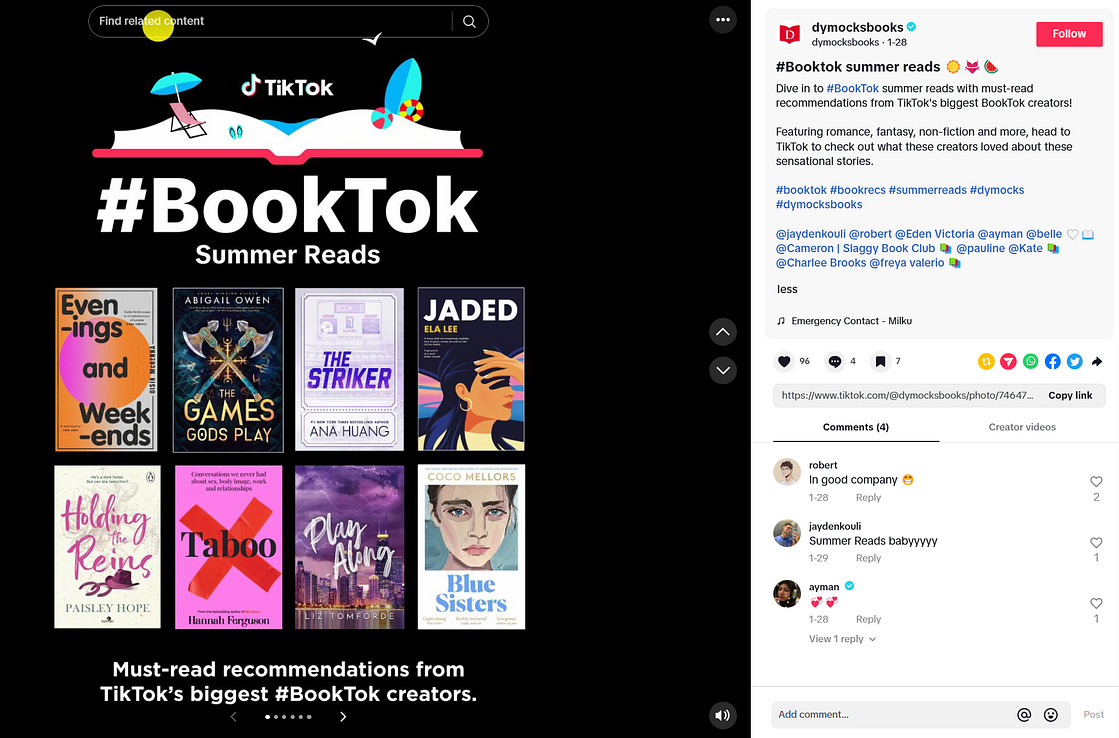
With over 36 million posts globally, the #BookTok phenomenon has completely revitalized physical book sales. Major Australian retailers, including Dymocks, utilize the platform to highlight trending titles, showcase staff recommendations, and amplify creator reviews, directly bridging the gap between digital discovery and in-store purchases.
Food, Beverage, and Retail
Food entrepreneurs and fashion brands have found explosive growth through authentic storytelling. Brooki Bakehouse founder Brooke Bellamy documented her journey as a bakery owner, accumulating 2 million followers and expanding her brand internationally—including pop-ups in Abu Dhabi and a bestselling cookbook—largely fueled by viral TikTok videos. Similarly, homegrown fashion label White Fox Boutique leverages a robust network of influencer partnerships and high-profile event activations (such as coordinated campaigns at Coachella) to maintain a cult-following among its 1 million TikTok followers.
Official Responses and Regulatory Implications
The most consequential development in Australia’s digital ecosystem has been the implementation of the federal government’s social media age restrictions.
The Under-16 Ban
Enforced under the Online Safety Amendment (Social Media Minimum Age) Bill 2024, the legislation requires digital platforms—including TikTok—to take proactive, reasonable steps to prevent individuals under 16 from holding accounts. Non-compliance carries severe financial penalties, with fines scaling up to A$49.5 million as overseen by the eSafety Commissioner.
Government and Platform Statements
In response to the legislation, communications officials confirmed that over 200,000 underage accounts were swiftly purged from TikTok’s Australian registry on December 10, 2025. While some critics and tech analysts raised questions regarding privacy, data collection methods, and the technical feasibility of age-verification protocols, government proponents defended the measure as a vital safeguard for youth mental health and online safety.
For TikTok as a corporate entity, compliance meant restructuring its onboarding processes while publicly reaffirming its commitment to operating within the bounds of Australian law.
Implications for Marketers and Business Strategists
The convergence of algorithmic commerce and strict age-verification laws presents both a challenge and a strategic blueprint for Australian brands.
1. Shift to an Adult-First Strategy
The removal of users under 16 does not shrink the commercial opportunity; rather, it refines it. TikTok’s Australian audience now skews more firmly toward adults aged 18 and older—the exact demographic possessing independent purchasing power and credit cards. Marketers should abandon youth-centric vanity metrics and focus on high-intent consumer segments.
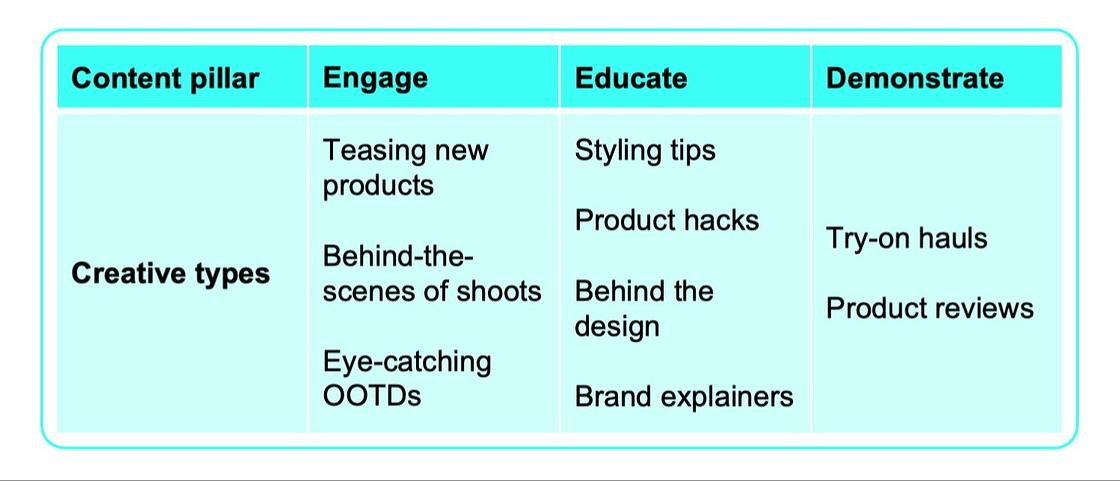
2. Data-Led Content Pillars
To convert casual scrollers into paying customers, brands must align their content strategy with what Australian users are actively seeking: education, transparent engagement, and product demonstrations. Utilizing first-party audience data allows brands to tailor campaigns that address adult pain points, whether in financial planning, travel logistics, or premium retail.
3. Cross-Platform Integration
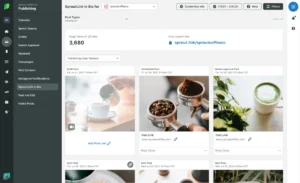
Managing TikTok content no longer needs to occur in a vacuum. Modern marketing infrastructure—such as Sprout Social’s suite—allows brands to schedule TikTok posts, analyze performance metrics, and track emerging trends alongside other enterprise social channels. This unified approach ensures that TikTok is treated not as a standalone novelty, but as an integrated core component of an overarching business strategy.

Conclusion
TikTok in Australia has matured past its experimental phase. Backed by robust engagement numbers, highly active niche communities, and a newly clarified, adult-centric demographic profile, the platform offers an essential channel for brands willing to invest in authentic, data-driven video marketing. By understanding the chronological shifts, respecting regulatory frameworks, and delivering high-value content, Australian enterprises can effectively translate digital attention into tangible business growth.