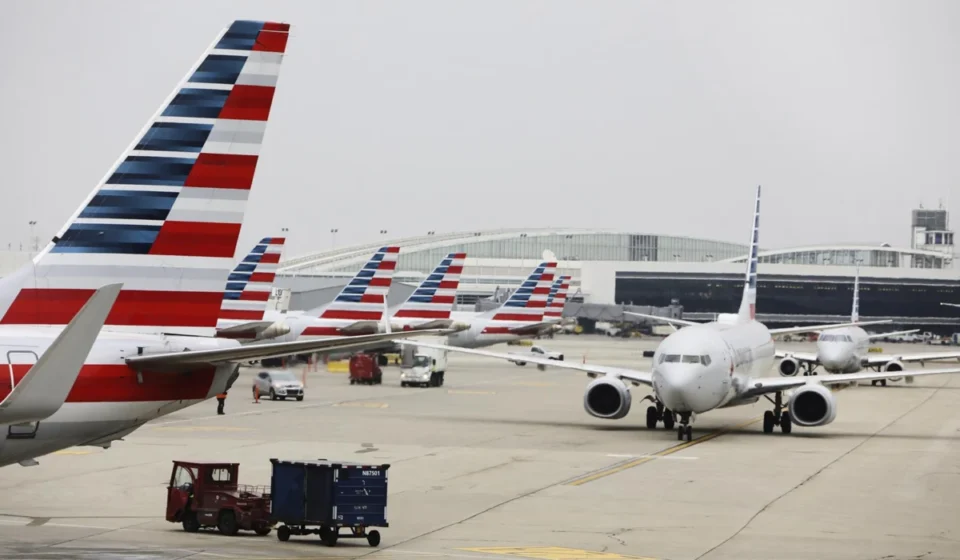

The landscape of international travel is currently undergoing a period of significant recalibration. From the hardening of border policies regarding controlled substances to a major pivot in airline-hotel loyalty ecosystems, travelers are facing a new set of logistical realities. Simultaneously, local governments across Europe are asserting greater control over tourism impacts, seeking to balance the economic benefits of visitor spending against the pressing needs of housing affordability and municipal infrastructure.
This report synthesizes the most consequential developments in the travel sector, providing a comprehensive analysis of the regulatory, corporate, and social changes currently reshaping the global tourism industry.
1. U.S. State Department Issues Strict Cannabis Warning for International Travelers
The U.S. State Department has issued a stark reminder to American travelers: domestic legality does not grant international immunity. As marijuana legalization expands across various U.S. states, many travelers have developed a false sense of security regarding the cross-border transport of cannabis and its derivatives.
The Scope of the Prohibition
The federal government has utilized its official communications channels to warn that the possession or transit of marijuana, THC, CBD, edibles, oils, and vape cartridges remains a high-risk activity when crossing international borders. Regardless of whether a substance was purchased legally in a U.S. state or carries a medical prescription, these products remain subject to the host country’s criminal code.
Transnational Legal Risks
The State Department emphasizes that local laws govern all travelers, even those merely transiting through an international airport. A traveler passing through a country with strict drug laws during a layover may find themselves subject to local prosecution, search, and seizure, even if their final destination is a country with more permissive cannabis policies. Penalties for possession in many nations remain severe, ranging from heavy fines and deportation to lengthy imprisonment. The core guidance remains consistent: if in doubt, leave all cannabis-derived products behind.
2. Loyalty Ecosystems in Flux: The Hyatt-American-Delta Realignment
A seismic shift in the travel loyalty industry is underway as Hyatt officially terminates its long-standing partnership with American Airlines (AAdvantage) in favor of a new, strategic collaboration with Delta Air Lines.
The Sunset of a Partnership
The decoupling of the Hyatt and American Airlines relationship will occur in stages to minimize disruption for existing elite members.
- AAdvantage members: Those who have already linked their World of Hyatt accounts by November 15, 2026, will retain the ability to qualify for Hyatt awards through American’s Loyalty Point Rewards program until February 28, 2027.
- World of Hyatt members: Those who linked accounts by the November 15 deadline will continue earning AAdvantage awards through Hyatt’s Milestone Rewards program until December 31, 2026.
Despite the wind-down, a vestigial benefit will remain: AAdvantage members may continue to opt for 500 bonus miles instead of Hyatt points during eligible stays by providing their AAdvantage number at the time of check-in.
The New Delta-Hyatt Alliance
The industry is now looking toward the upcoming launch of the Hyatt-Delta relationship. Described as an exclusive loyalty collaboration, the partnership will introduce a "Dual Earn" feature. Once fully operational, this will allow World of Hyatt elite members to earn points on qualifying Delta flights, while Delta Medallion members will earn SkyMiles on qualifying Hyatt stays.
While full eligibility criteria and an official launch date remain pending, the move signals a broader trend of airlines and hotels seeking to capture higher-value, frequent-traveler segments through tighter, brand-exclusive ecosystems.
3. United Airlines Cancels Denver 9/11 Memorial Flyover
The intersection of public commemoration and community sensitivity recently came to a head in Denver, Colorado, as United Airlines canceled a planned memorial flyover scheduled for the 25th anniversary of the September 11 attacks.
The Original Intent
United Airlines had proposed a solemn aerial tribute involving a Boeing 777 escorted by four fighter jets. The formation was timed for 9:03 a.m.—the exact moment in 2001 when United Flight 175 struck the South Tower of the World Trade Center. The intent was to honor the victims and the resilience of the aviation community.
Community Concerns and Public Sentiment
The plan, however, drew immediate scrutiny from Denver residents and local officials. Concerns were raised that the sight of a large commercial aircraft flying in close proximity to military jets could cause significant distress or panic among the public, particularly those sensitive to the trauma of the 9/11 anniversary.
Recognizing that the visual and auditory impact of the formation could be perceived as triggering rather than commemorative, United Airlines opted to scrap the aerial component. The airline confirmed that other, more traditional memorial events—including the unveiling of a 9-foot-11-inch monument constructed from recovered World Trade Center steel at its Denver Flight Training Center—will proceed as planned.
4. England’s New Overnight Visitor Levy
The British government has signaled a fundamental shift in how tourism is financed, granting regional mayors the authority to implement "Overnight Visitor Levies." This move represents a decentralization of fiscal power, intended to allow local governments to manage the wear and tear of tourism on local infrastructure.
The Mechanics of the Levy
Under the proposal, regional authorities would have the autonomy to add a percentage-based charge to accommodation bills. Prime Minister Andy Burnham has positioned this as a key pillar of his devolution agenda, allowing regions to capture revenue directly from visitors to fund public services, attractions, and urban maintenance.
Economic Debate and Opposition
The policy has met with significant resistance from the hospitality sector. UKHospitality has voiced strong opposition, citing research from Oxford Economics that suggests a 5% levy could result in an economic output loss of £2.2 billion and the potential elimination of 33,000 jobs by 2030. The industry argues that with a 20% VAT rate already in place, the sector is heavily taxed compared to its European counterparts.
Scotland has already begun testing this model, with Edinburgh implementing a 5% visitor charge in July 2026. The success—or failure—of the Scottish model will likely dictate how aggressively English mayors choose to implement their own levies in the coming years.
5. EU Proposes Framework to Curb Short-Term Rentals
The European Commission is moving to standardize how major cities manage the rise of short-term vacation rentals (STVRs). As cities like Paris, Barcelona, and Venice grapple with housing shortages, the EU has proposed a common framework to help local authorities justify and implement rental restrictions.
Establishing the Legal Framework
The proposal aims to provide a clear, evidence-based pathway for cities to limit short-term rentals. Under the new rules, local authorities would evaluate their housing markets using specific indicators, such as the ratio of home prices to income and the trend of housing availability over the previous decade.
If a city proves that short-term rentals are exacerbating a housing crisis, it would be permitted to impose restrictions, provided they are:
- Evidence-based: Supported by verifiable data.
- Necessary: Essential to solving a specific local problem.
- Non-retroactive: Not applying to existing long-term contracts.
The Airbnb Perspective
Platforms like Airbnb have pushed back, arguing that restricting rentals is a "band-aid" solution that fails to address the structural causes of Europe’s housing crunch. The company advocates for policies that encourage new construction and the renovation of vacant properties rather than limiting the ability of homeowners to participate in the short-term rental market.
As the proposal moves into negotiations with EU member states and the European Parliament, the outcome will define the future of the "sharing economy" in Europe’s most popular urban destinations.
Summary of Implications
The travel industry is currently navigating a complex balancing act. Whether it is the U.S. government prioritizing security over personal freedom at international borders, airlines shifting their loyalty strategies to capture high-value travelers, or European cities reclaiming their urban centers from the externalities of tourism, the common thread is a move toward more stringent, localized regulation. Travelers are advised to remain vigilant, stay informed of the shifting rules in their destinations, and adapt to a travel environment that is becoming increasingly curated and controlled.