Finding Poetry in the Pale Light: Nicolas Rachline’s Elsebound Captures the Cinematic Solitude of Modern Life

Introduction
In an era dominated by hyper-connectivity, instant sharing, and the relentless noise of digital feeds, photographer Nicolas Rachline is looking for something else—the quiet, lingering moments that exist just at the periphery of human awareness. Scheduled for release on September 29, 2026, by Rizzoli New York, Elsebound: Photographs from the Quiet Hours marks the first major monograph dedicated to the French-born, Belgium-based artist.
Featuring a foreword by Graydon Carter and Nathan King, the book presents a cinematic, Edward Hopper-esque exploration of contemporary urban existence. Through his lens, global metropolises such as Paris, Los Angeles, New York, and Brussels are stripped of their frantic daytime energy, transformed instead into surreal, melancholic stages. Rachline’s photographs trade high-action reportage for a heavy, palpable atmosphere—one charged with suspense, cinematic intensity, and the quiet fragility of modern solitude.
Main Facts: The Anatomy of Elsebound
Elsebound: Photographs from the Quiet Hours is a carefully curated visual journey spanning urban and coastal landscapes across multiple continents, captured primarily during the twilight and nighttime hours.
- Publication Details: Published by Rizzoli New York, the hardcover monograph hits shelves on September 29, 2026.
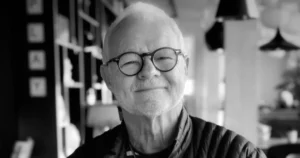
- The Artist: Nicolas Rachline, a former advertising and editing professional who transitioned exclusively to fine-art photography a little over a decade ago. He currently lives and works in Belgium.
- Artistic Influences: Rachline’s visual vocabulary draws heavily from iconic street and documentary photographers—including Brassaï, Philip-Lorca diCorcia, and Saul Leiter—alongside master painters renowned for their depictions of isolation and light, such as Edward Hopper and Paul Delvaux.
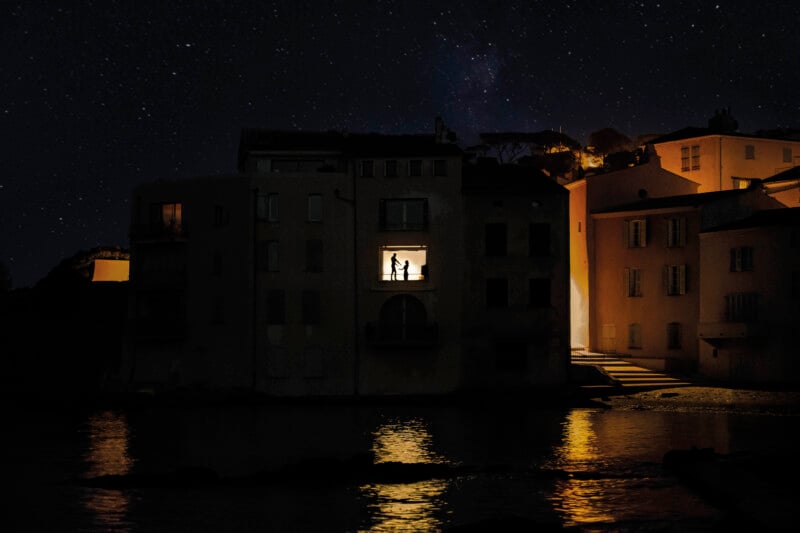
- Geographical Scope: The monograph features images captured in major global hubs and quiet enclaves alike, including Paris, New York, Los Angeles, Brussels, and St. Tropez.
- Core Themes: The book explores the quiet hours of contemporary life, urban alienation, cinematic suspense, and the poetic beauty found in ordinary, overlooked spaces.
Chronology: From Advertising to the Quiet Hours
To understand Rachline’s unique perspective, one must look at the trajectory that brought him behind the camera. For years, Rachline immersed himself in the fast-paced, high-stress worlds of advertising and editorial production. In these industries, images are typically engineered to sell a product, convey an immediate message, or capture fleeting consumer attention.
However, just over a decade ago, Rachline made a decisive pivot. Leaving behind commercial constraints, he redirected his creative energies entirely toward fine-art photography. This shift allowed him to slow down, observing the world not as a marketplace, but as a theater of shadows, neon glows, and transient human encounters.
Over the subsequent ten years, Rachline traveled extensively, capturing the nocturnal rhythms of cities like Paris, New York, and Los Angeles. His images gradually coalesced into a unified body of work—a visual diary of places where the passage of time seems to stall. This decade-long endeavor culminated in Elsebound, a project that compresses years of nocturnal wandering into a definitive monograph that captures the essence of his artistic evolution.
Supporting Data and Artistic Context
Rachline’s work cannot be separated from the rich lineage of nocturnal and cinematic photography. While contemporary street photography often chases decisive moments of high drama, Rachline’s approach aligns more closely with the "non-decisive" or suspended moment.
The Cinematic Heritage
The book’s title, Elsebound, hints at a psychological state of transit—being pulled toward another place, another time, or an alternate reality. This motif is heavily reinforced by his framing. Many of his compositions utilize windows, doorways, and storefront glass as physical barriers that separate the viewer from the subject.
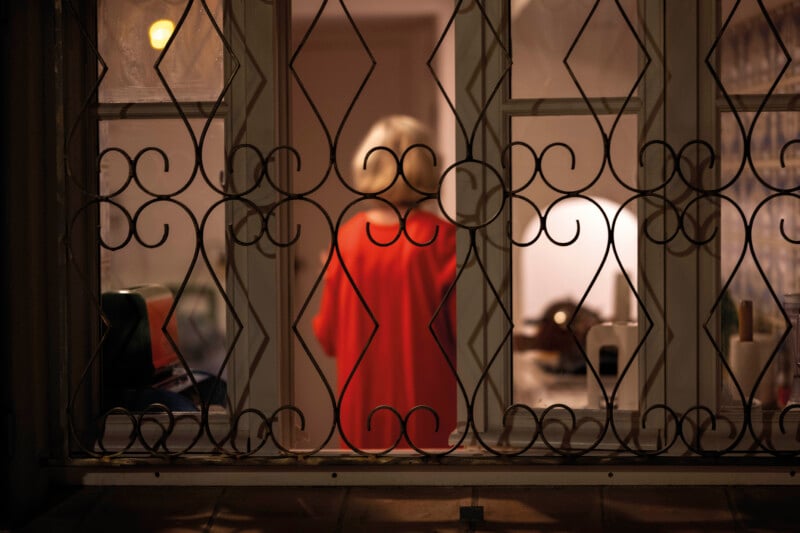
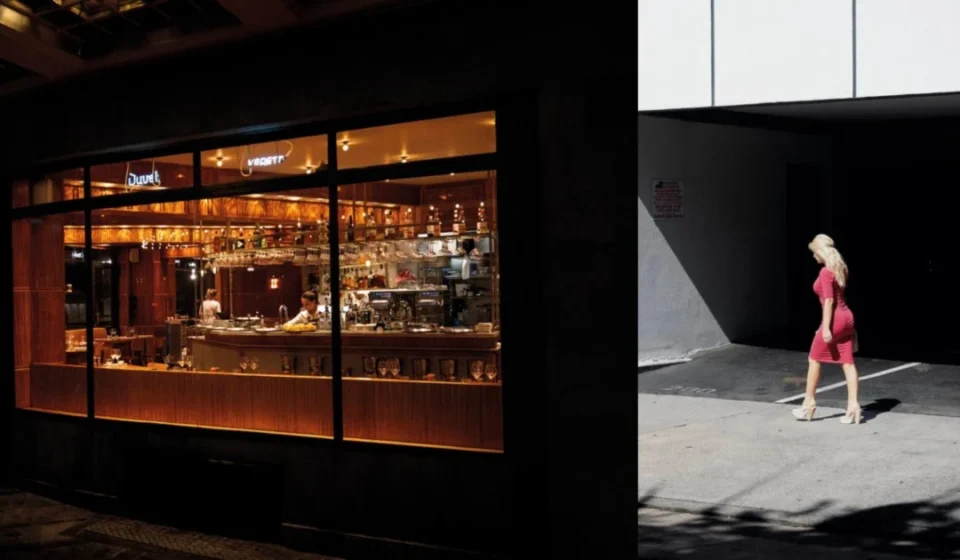
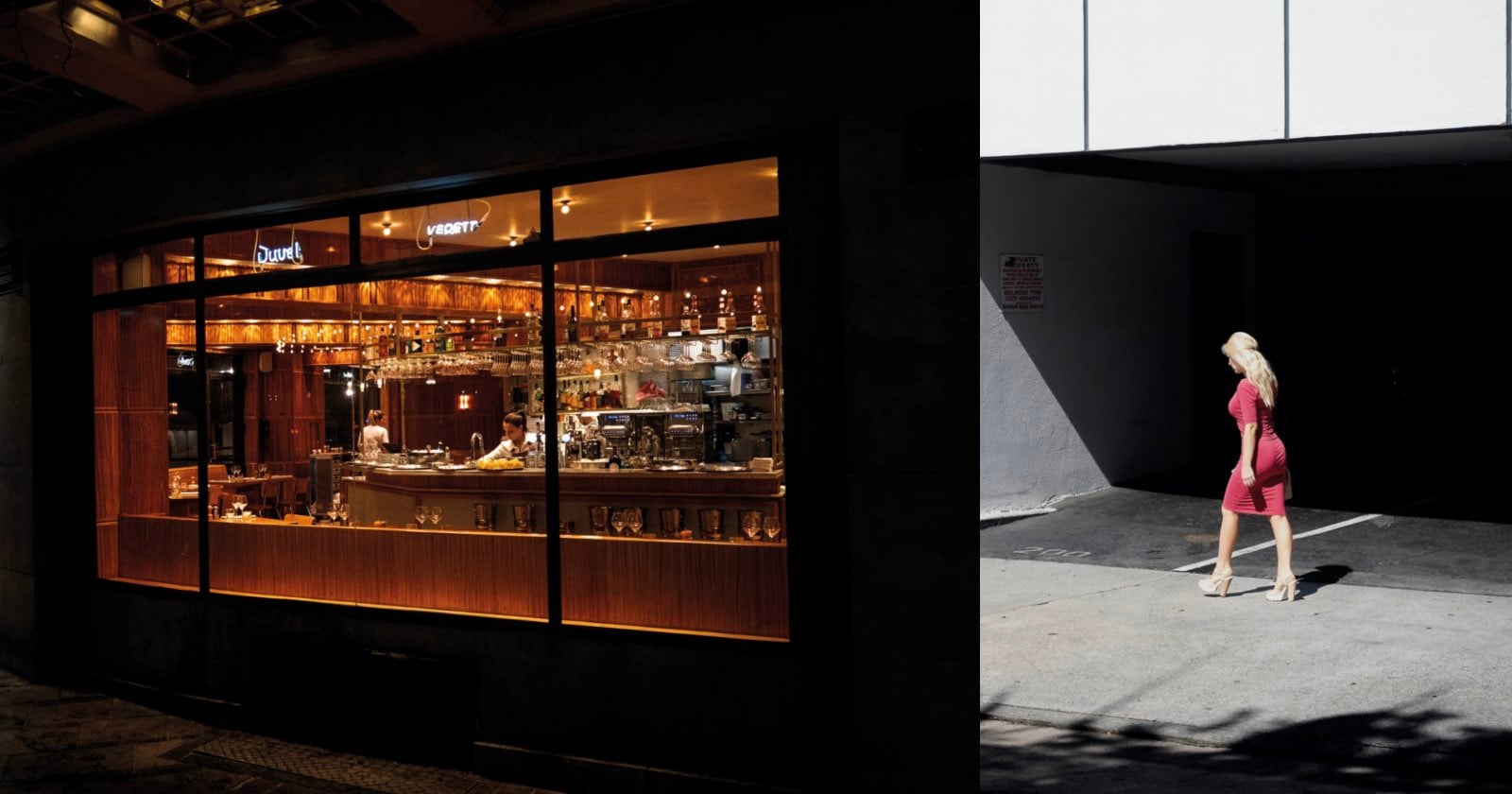
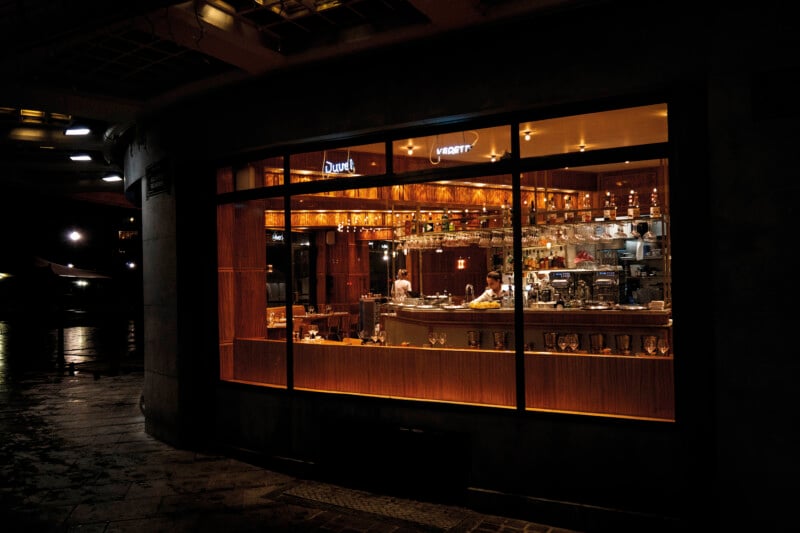
- The Hopper Influence: Much like Edward Hopper’s paintings of late-night diners and empty hotel rooms, Rachline’s photographs—such as his 2022 shot of a lone bartender working behind a brightly lit Brussels bar window—evoke a profound sense of urban detachment. The subjects are present yet unreachable, caught in a suspended animation of everyday existence.
- The Noir Aesthetic: The interplay of deep shadows and stark, artificial lighting channels the moody atmosphere of classic film noir. Deserted streets glow with pale, sodium-vapor light, and anonymous figures linger at crossroads, transforming mundane street corners into sets for psychological thrillers.
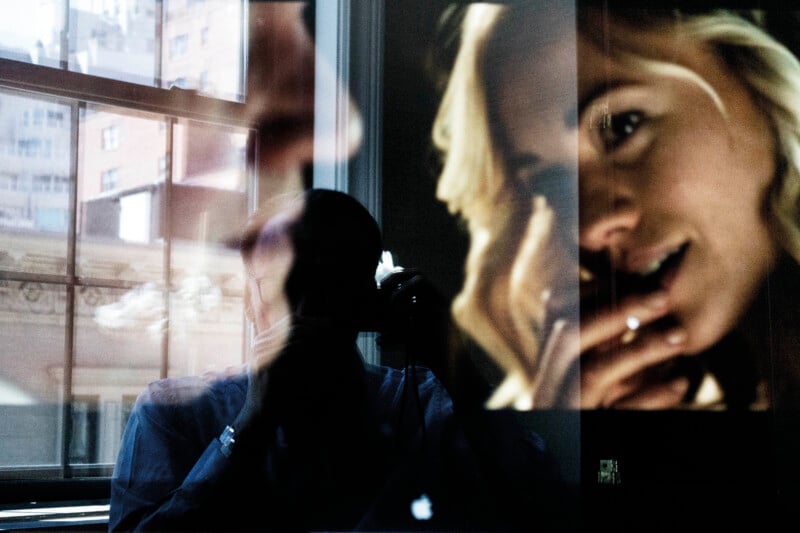
- Technique and Composition: Rachline’s mastery of layered imagery is evident in pieces like his 2016 New York double exposure, where a person holding a camera before a window is juxtaposed with the close-up portrait of a smiling woman. This blending of physical space and inner psychology blurs the boundary between documentary realism and surrealist dreamscapes.
Official Responses and Editorial Reception
The anticipation surrounding Elsebound has generated significant praise from cultural commentators, publishers, and literary figures.
Rizzoli, renowned for publishing some of the world’s most prestigious art and photography books, positioned Elsebound as a major autumn release. The inclusion of a foreword by prominent media figures Graydon Carter and Nathan King bridges the worlds of high journalism and fine-art curation, signaling the book’s broad cultural resonance.
"Nicolas Rachline captures moments that feel both mysterious and familiar, gradually coming together to suggest a larger story," notes the publisher’s editorial overview. "He invites viewers to explore the uncertain spaces between different states of life, capturing moments that are enigmatic, melancholic, and deeply human."
Art critics have similarly praised Rachline’s ability to find emotional resonance in architectural emptiness. By focusing on the liminal spaces—hotel lobbies, empty sidewalks, half-lit apartments, and deserted coastal towns out of season—Rachline taps into a collective yearning for quietude in a hyper-stimulated world.
Implications: What Elsebound Says About Contemporary Life
The release of Elsebound arrives at a timely cultural juncture. As urban centers become increasingly dense, digitized, and commercialized, the moments of genuine solitude and quiet contemplation depicted in Rachline’s work feel increasingly rare—and increasingly vital.
The Paradox of Urban Isolation
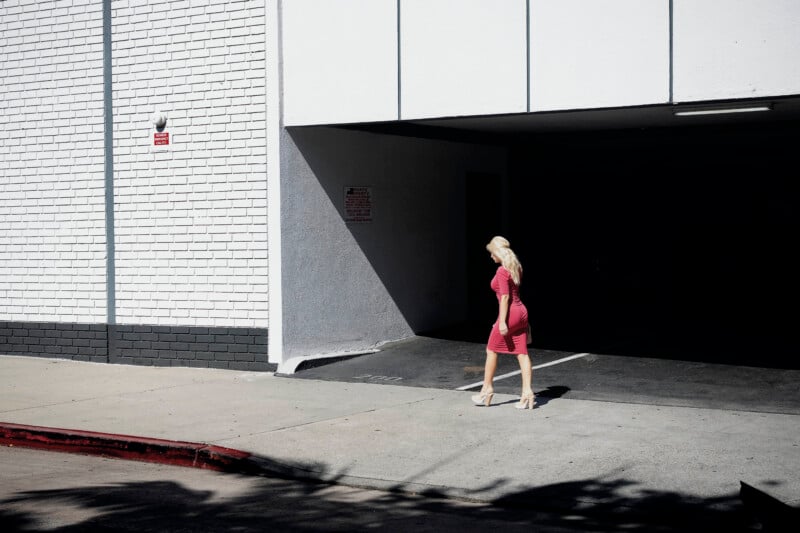
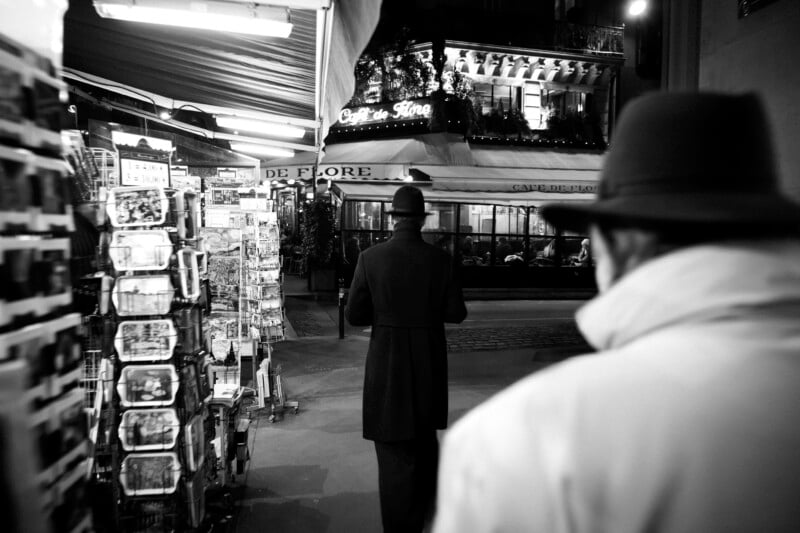
In cities like Paris, Los Angeles, and New York, millions of people live in close physical proximity while experiencing profound emotional isolation. Rachline’s photographs do not treat this isolation as a tragedy; instead, they frame it with a fragile, melancholic beauty. A woman in a pink dress walking past a parking garage in Los Angeles (2015) or a lone figure walking toward the iconic Café de Flore in Paris at night (2019) become symbols of modern endurance. They are reminders that even within the anonymous machinery of the global metropolis, individual interior lives continue to burn quietly behind glass and neon.
A Meditation on Waiting
Ultimately, Elsebound challenges viewers to reconsider their relationship with time and space. In a culture addicted to instant gratification and rapid-fire visual consumption, Rachline’s images demand patience. They ask us to linger in the tension of the unsaid—the feeling that something has just happened, or that something momentous is about to unfold just outside the frame.
As Elsebound: Photographs from the Quiet Hours lands in bookstores this September, it cements Nicolas Rachline’s place as a vital voice in contemporary fine-art photography—a flaneur of the digital age who reminds us that the most profound stories are often whispered in the dark.
Related posts: